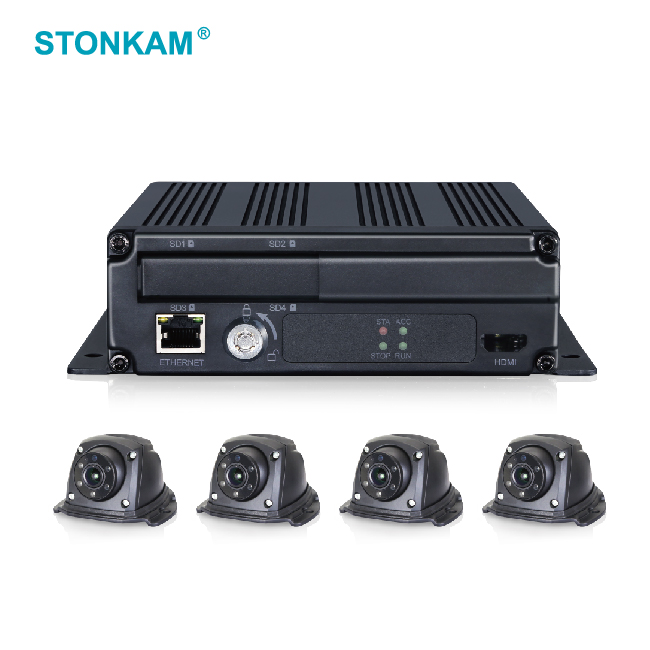
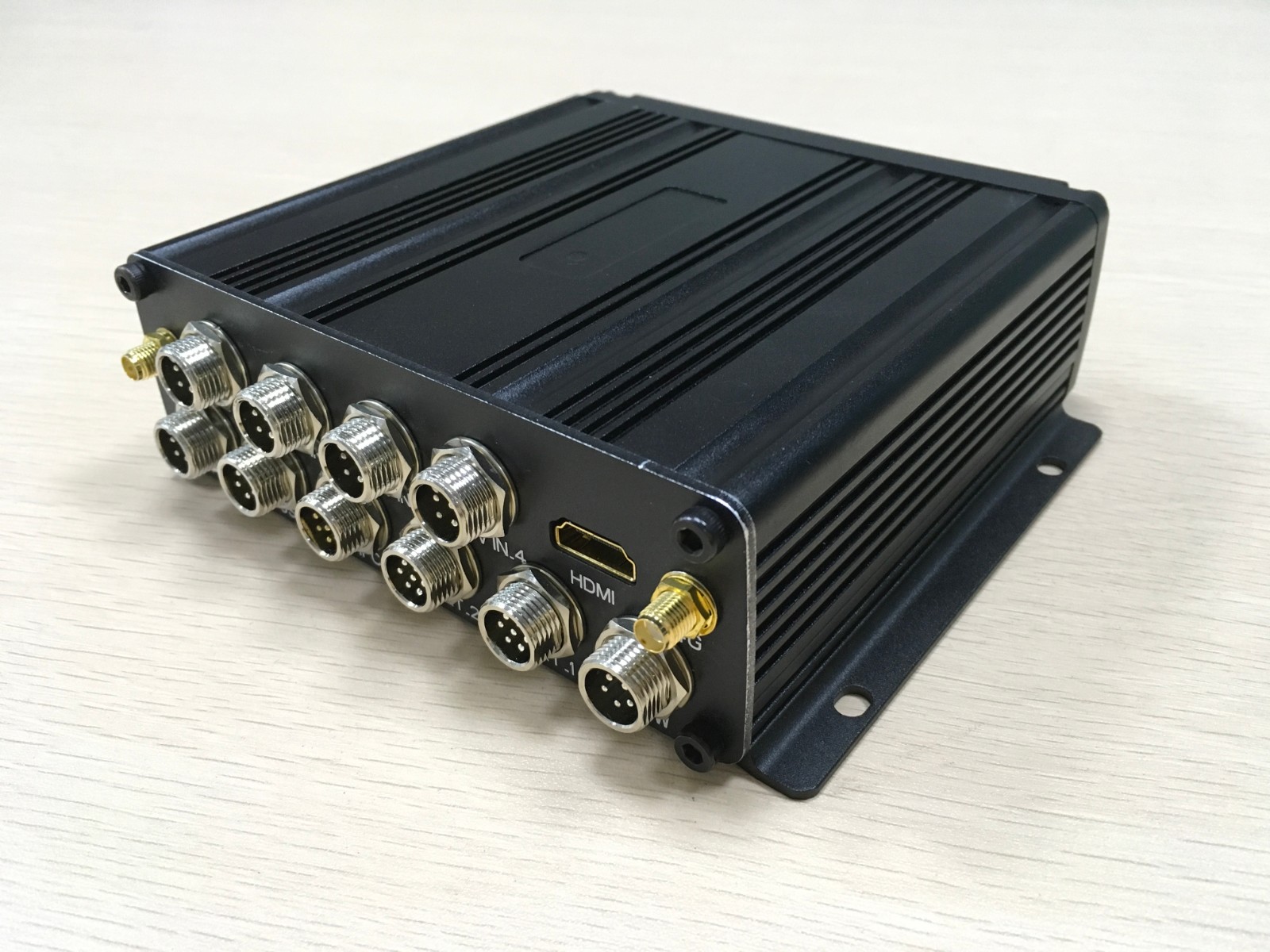
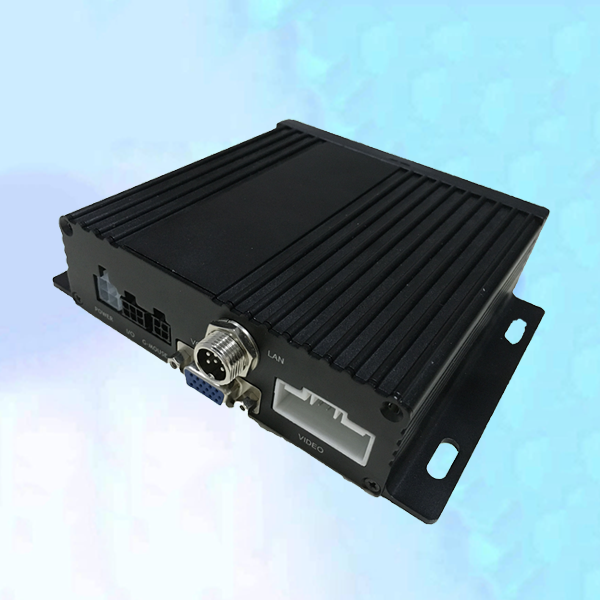
Other Digital & Network Survillence Devices
Source specialized Other Digital & Network Surveillance Devices directly from vetted manufacturers and suppliers in China. Designed for importers, distributors, system integrators, and brands seeking wholesale bulk purchasing or custom OEM/ODM production for niche security applications and network infrastructure.
The "other" category in digital and network surveillance encompasses the specialized infrastructure and edge devices that complete a modern security ecosystem. This includes edge AI analytics nodes, network video transmitters/receivers, specialized surveillance PoE switches, thermal/acoustic sensors, and hybrid IoT surveillance endpoints. Because these devices often bridge the gap between standard IP cameras and central recording servers, sourcing them requires strict attention to protocol interoperability, thermal management, and network security standards.
When buying non-standard surveillance equipment in bulk, the primary challenge is ensuring that niche hardware integrates flawlessly into existing Video Management Systems (VMS) without introducing network vulnerabilities or bottlenecking data transmission.
Critical Specifications for Niche Surveillance Hardware
Unlike standard IP cameras where resolution and lens focal length dominate the spec sheet, specialized network surveillance devices require a deep dive into processing power, protocol support, and power delivery.
Protocol Interoperability and Network Standards
For any network-attached surveillance device, ONVIF compliance is non-negotiable. However, simply stating "ONVIF compliant" is insufficient. You must specify the exact profiles required for your application:
- Profile S: Basic video streaming and PTZ control.
- Profile G: Edge storage and retrieval.
- Profile T: Advanced video streaming (H.265 support).
- Profile M: Metadata and analytics events (critical for edge AI boxes).
Edge Processing and Thermal Management
For edge AI nodes or compact network transmitters, processing power is typically measured in TOPS (Tera Operations Per Second). Devices running neural network accelerators generate significant heat. A common failure point in poorly manufactured edge devices is thermal throttling, which causes dropped frames or network disconnects during continuous 24/7 operation. Ensure the supplier uses industrial-grade thermal pads and adequate heat sink surface area, rather than relying solely on thermal paste.
Struggling to find reliable suppliers for specialized surveillance hardware? Let our sourcing engineers vet factories for technical capability and protocol compliance.
Talk to our teamManufacturing Quality and Vulnerability Mitigation
The manufacturing hub for digital surveillance equipment is heavily concentrated in Shenzhen and Hangzhou. While the supply chain is robust, the variance in quality between a top-tier OEM factory and a lower-tier assembler is vast.
Quality in network surveillance devices is won or lost in two areas: Printed Circuit Board Assembly (PCBA) and firmware integrity.
Factory-Level Quality Control Checks
- SMT (Surface-Mount Technology) precision for high-density networking ICs
- Automated Optical Inspection (AOI) for solder joint integrity on PoE power delivery components
- Thermal chamber testing (typically -20°C to 60°C) for continuous load stability
- Firmware vulnerability scanning and backdoor elimination before final flashing
If you are developing custom hardware, comprehensive Quality Control & Inspection is mandatory. Network devices must be tested not just for power-on, but for sustained data throughput under maximum load. Furthermore, conducting thorough Factory Audits prior to production ensures the manufacturer has the cleanroom facilities and testing rigs necessary for high-frequency networking equipment.
Regulatory Compliance and Market Access
Security equipment faces some of the strictest regulatory hurdles of any electronics category, particularly regarding data security and electromagnetic interference.
Off-the-Shelf vs. Custom Firmware (OEM/ODM)
Advantages
- Custom firmware allows for proprietary VMS integration and branding
- Removing unnecessary default protocols reduces the device's attack surface
- Hardcoded security certificates can be implemented at the factory level
Disadvantages
- Requires significantly higher MOQs to justify R&D time
- Increases lead times for software testing and debugging
- May require re-certification for FCC/CE if wireless modules are altered
For the US market, NDAA (National Defense Authorization Act) compliance is increasingly required, meaning the device cannot contain core components (specifically SoCs or network chips) from blacklisted entities. Verifying the exact Bill of Materials (BOM) down to the chip level is essential. Partnering with experts for Compliance & Testing ensures your imports won't be rejected at customs or by enterprise clients.
Typical Pricing, MOQ, and Production Lead Times
Pricing for specialized surveillance devices varies heavily based on the chipset (e.g., standard networking ICs vs. dedicated AI NPUs) and the level of customization required.
When negotiating with suppliers, be aware that component shortages in specialized networking chips can drastically alter lead times. Securing a reliable supply chain requires forecasting and buffer stock management.
Need to lock in pricing and capacity for your next surveillance project? We handle supplier negotiation and production management from end to end.
Get a free consultationFrequently Asked Questions
Sourcing specialized digital and network surveillance devices requires moving beyond basic specifications to scrutinize protocol support, thermal engineering, and component-level compliance. By enforcing strict quality standards and verifying firmware integrity at the factory level, you can build a reliable, secure product line that meets the demands of enterprise security integrators.
Get Sourcing Help for Other Digital & Network Survillence Devices
Tell us your requirements and our experts will connect you with verified manufacturers.