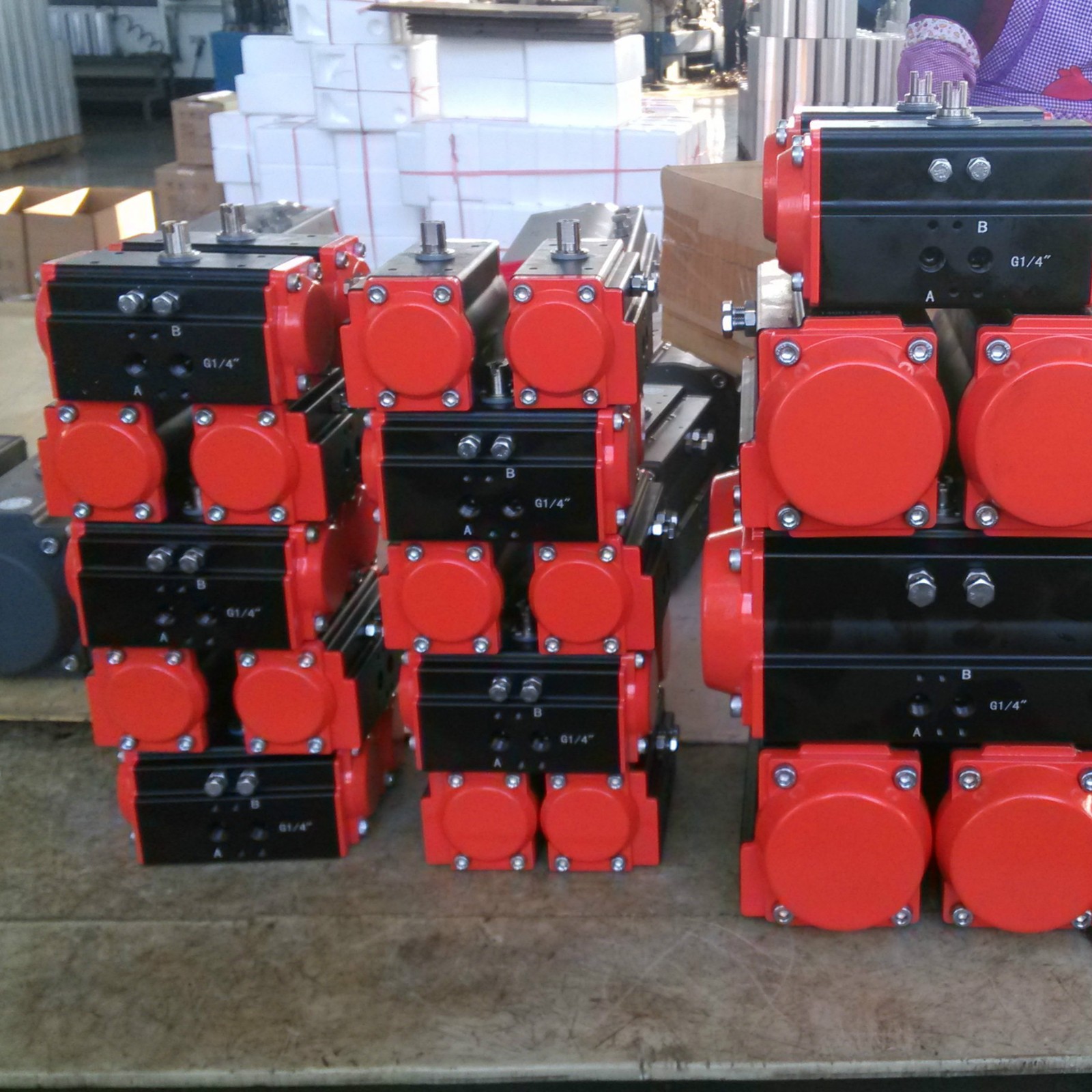
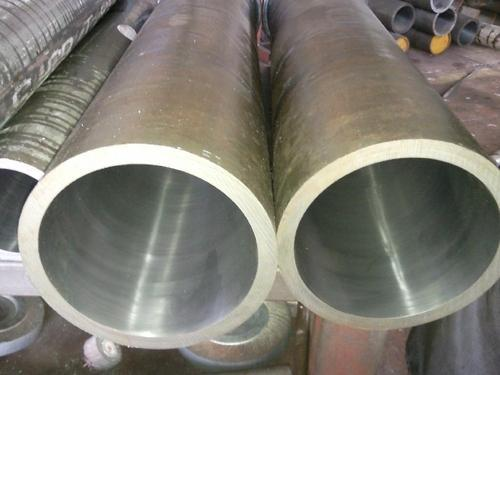
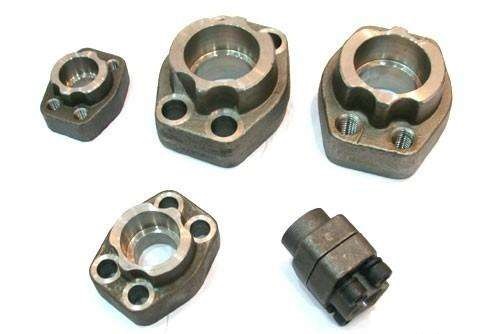
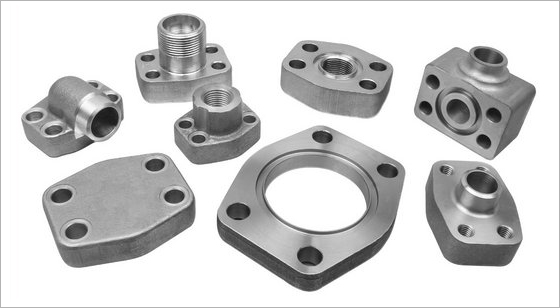
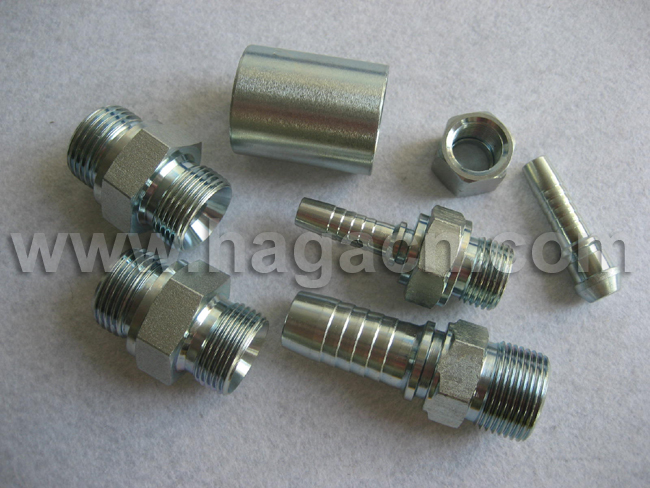
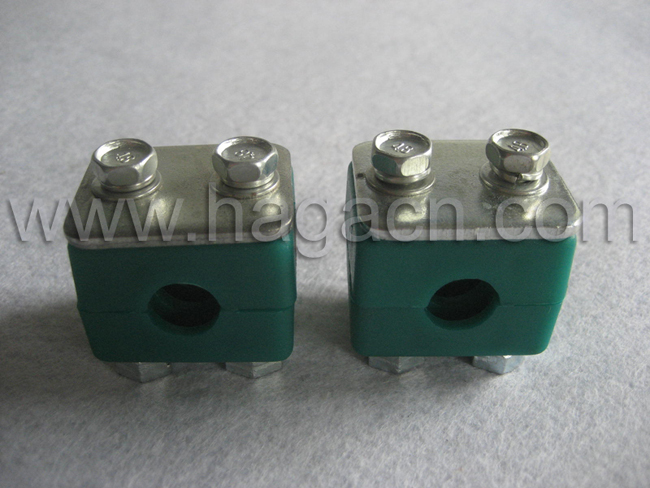
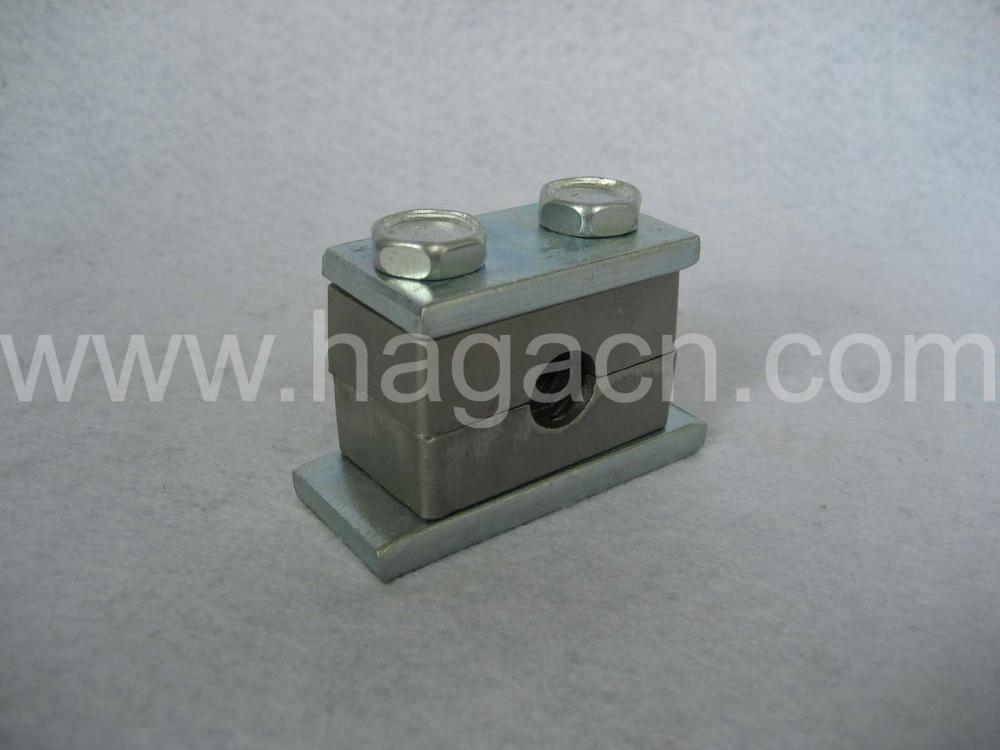
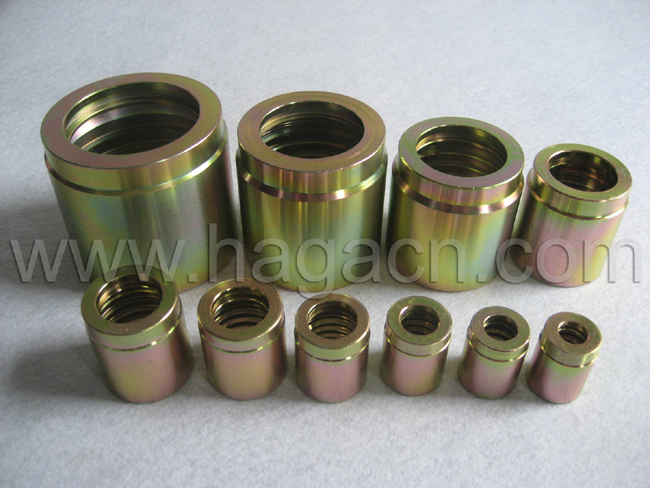
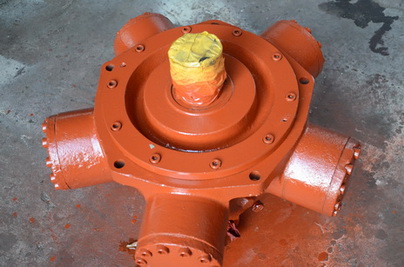
Hydraulic Components and Parts
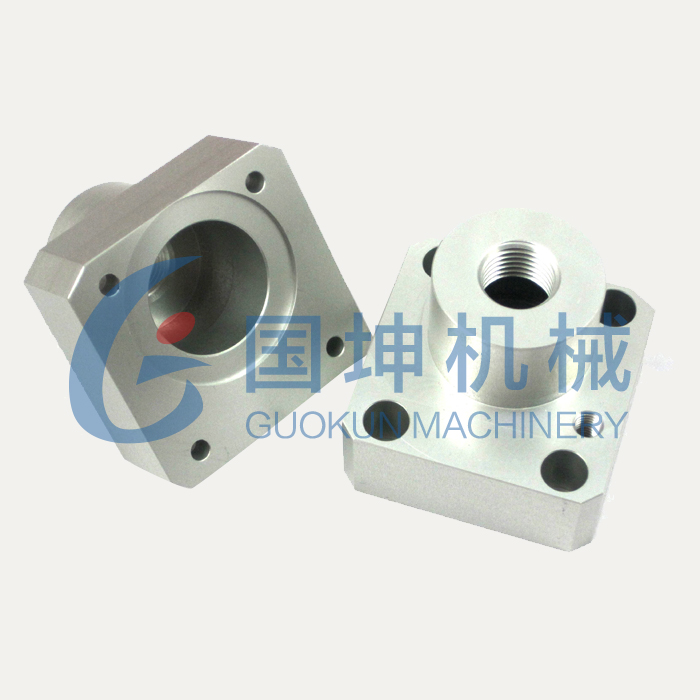
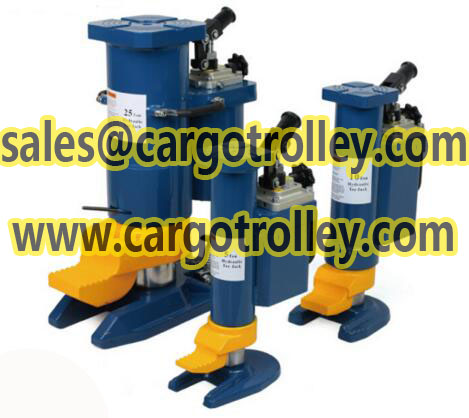
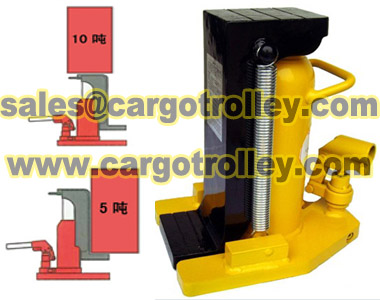
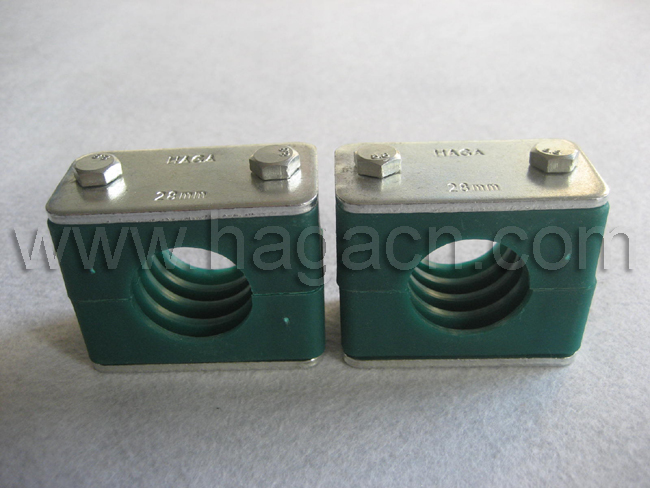
Source high-performance Hydraulic Components and Parts from vetted manufacturers and suppliers in China and across Asia. Designed for industrial importers, heavy machinery distributors, and OEM brands requiring bulk production, our network delivers precision-engineered parts built to exact fluid power standards and tolerances.
Sourcing hydraulic components and parts in bulk requires strict adherence to engineering tolerances and material specifications. In fluid power systems, a single out-of-spec dimension, microscopic casting porosity, or inadequate seal material can lead to catastrophic pressure loss or system failure. For procurement managers and industrial distributors, the challenge lies in identifying manufacturers who maintain rigorous CNC machining standards, utilize reliable raw materials, and conduct comprehensive hydrostatic testing on every batch.
Defining Critical Specifications for Hydraulic Manufacturing
When approaching hydraulic component manufacturers, your technical data package must leave no room for interpretation. Suppliers will quote based on the exact parameters provided; assuming standard industry practices often leads to component failure in high-pressure applications.
Key Technical Parameters to Specify
- Operating and Burst Pressure: Clearly define maximum continuous operating pressure (e.g., 250 bar, 350 bar) and the required safety factor for burst pressure.
- Flow Rates and Fluid Compatibility: Specify the nominal and maximum flow rates (LPM or GPM), alongside the specific hydraulic fluids (mineral oils, synthetic fluids, or water-glycol mixtures) the component will encounter.
- Port Threads and Mounting Standards: Explicitly state the thread standards (e.g., NPT, BSPP, SAE ORB, metric) and mounting flange configurations (e.g., ISO, SAE A/B/C/D).
- Material Grades: Specify exact grades for cast iron (e.g., ductile iron QT500-7 for high-pressure bodies), forged steel, or aerospace-grade aluminum.
| Seal Material | Temperature Range | Best For | Limitations |
|---|---|---|---|
| NBR (Nitrile) | -30°C to +100°C | Standard mineral-based hydraulic oils | Poor resistance to ozone and UV |
| FKM (Viton) | -20°C to +200°C | High-temp environments, synthetic fluids | Higher cost, poor cold-weather performance |
| EPDM | -50°C to +150°C | Phosphate ester fluids, water-glycol | Incompatible with petroleum-based oils |
Struggling to find a factory that can meet your exact pressure and material specifications? Let us match you with a vetted manufacturer.
Talk to our teamProduction Control and Factory Vetting
The quality of hydraulic parts is won or lost on the factory floor. The difference between a premium supplier and a lower-tier factory often comes down to their machining capabilities and testing infrastructure. Verifying these capabilities requires comprehensive factory audits before placing high-volume orders.
What to Look for on the Factory Floor
- Casting Quality: For cast components, check for automated sand casting or investment casting lines. The factory must have X-ray or ultrasonic testing equipment to detect internal porosity before machining begins.
- Machining Precision: Look for multi-axis CNC machining centers. Spool valves and cylinder bores often require tolerances tighter than 0.005mm, necessitating advanced honing machines and climate-controlled metrology labs.
- Deburring Processes: Internal burrs can detach and destroy downstream hydraulic systems. Ensure the factory uses thermal energy method (TEM) deburring or abrasive flow machining (AFM) for complex internal galleries, rather than manual deburring.
- Surface Treatment: Verify the plating lines (e.g., hard chrome plating for rods, zinc-nickel plating for exposed bodies) meet your required salt spray testing hours (typically 72 to 500+ hours depending on the application).
Implementing strict quality control and inspection prior to shipment is non-negotiable. This should include 100% hydrostatic pressure testing of assembled components and dimensional verification of critical mating surfaces.
Customization and OEM Production
Many importers require custom modifications to standard designs—such as specialized port configurations, integrated relief valves, or proprietary mounting brackets. For brands requiring fully proprietary designs, leveraging OEM/ODM services allows you to develop custom tooling.
Tooling Ownership
Always clarify tooling ownership in your manufacturing agreement. If you pay for custom casting molds or forging dies, ensure the contract explicitly states that you own the tooling and that the factory cannot use it to produce components for other buyers.
Buying Mechanics: MOQ, Pricing, and Lead Times
Pricing in the hydraulic sector is heavily tied to global commodity prices (steel, iron, aluminum), machining time, and the complexity of the internal coring or circuitry.
Strategies for Managing Costs
- Consolidate Casting Runs: Foundries prefer larger pours. You can often negotiate better pricing by ordering larger batches of the raw cast bodies, even if you split the final CNC machining and assembly across multiple smaller shipments.
- Standardize Internal Components: Whenever possible, design your custom hydraulic parts to utilize standard, off-the-shelf seals, springs, and fasteners to reduce custom tooling costs and assembly complexity.
Need to optimize your production costs without sacrificing component reliability? We can help negotiate terms and manage the supply chain.
Get a free consultationFrequently Asked Questions
Securing a reliable supply of hydraulic components requires looking past the initial unit price and rigorously evaluating the manufacturer's engineering infrastructure, quality control culture, and raw material sourcing. By partnering with factories that treat precision as a prerequisite rather than an afterthought, you protect your brand's reputation and ensure the long-term reliability of the machinery your components power.
Get Sourcing Help for Hydraulic Components and Parts
Tell us your requirements and our experts will connect you with verified manufacturers.