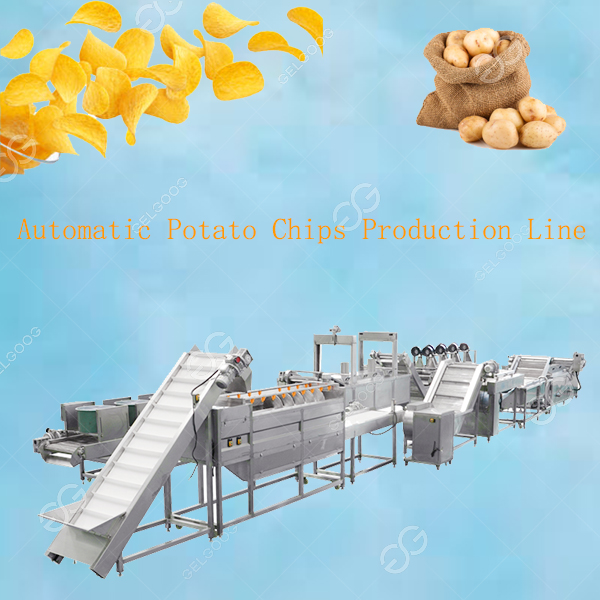
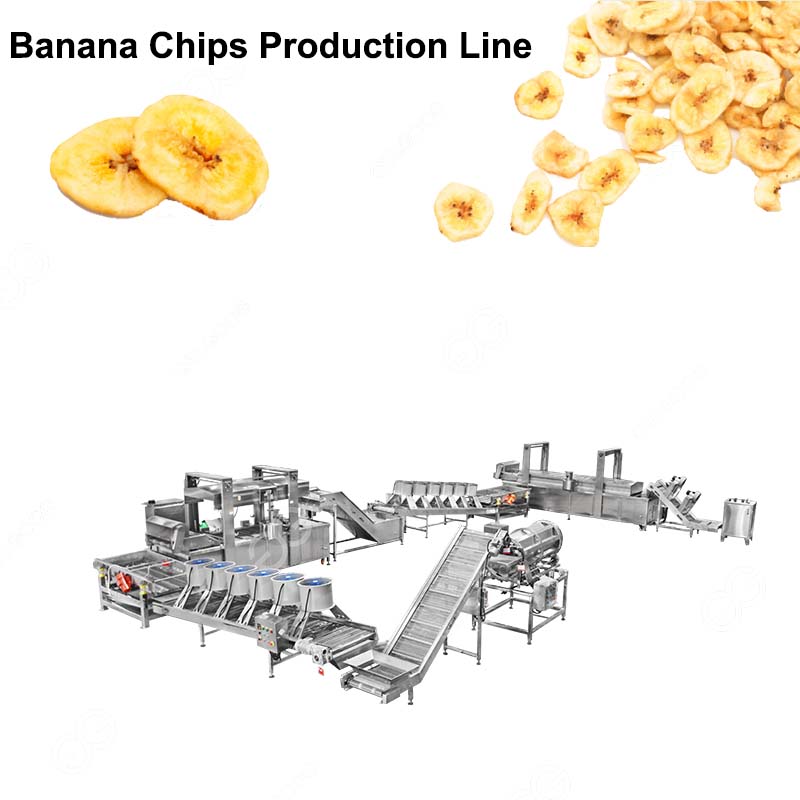
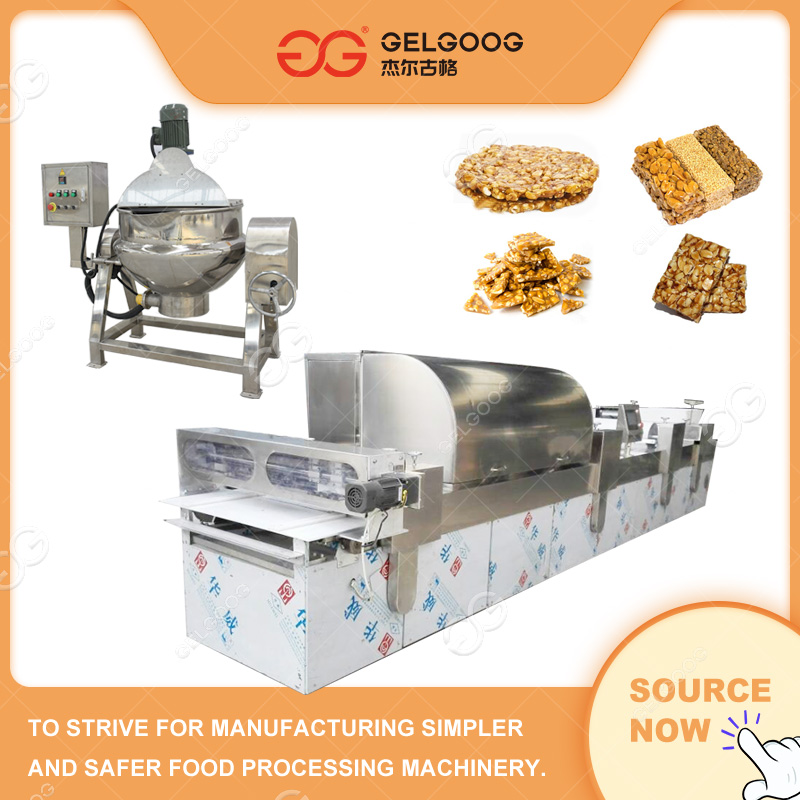
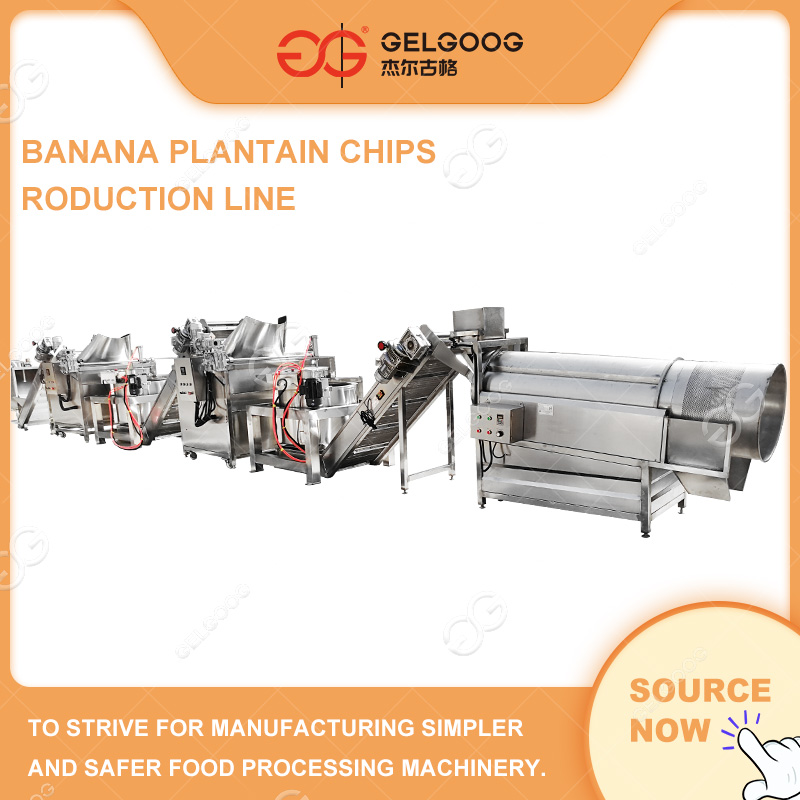
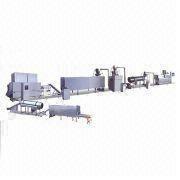
Food Processing Lines
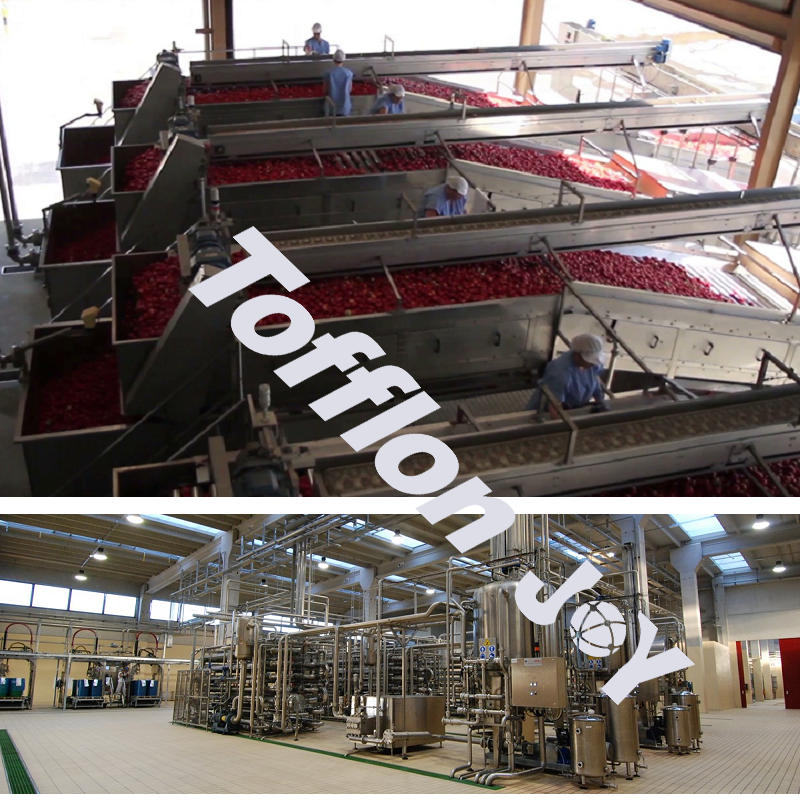
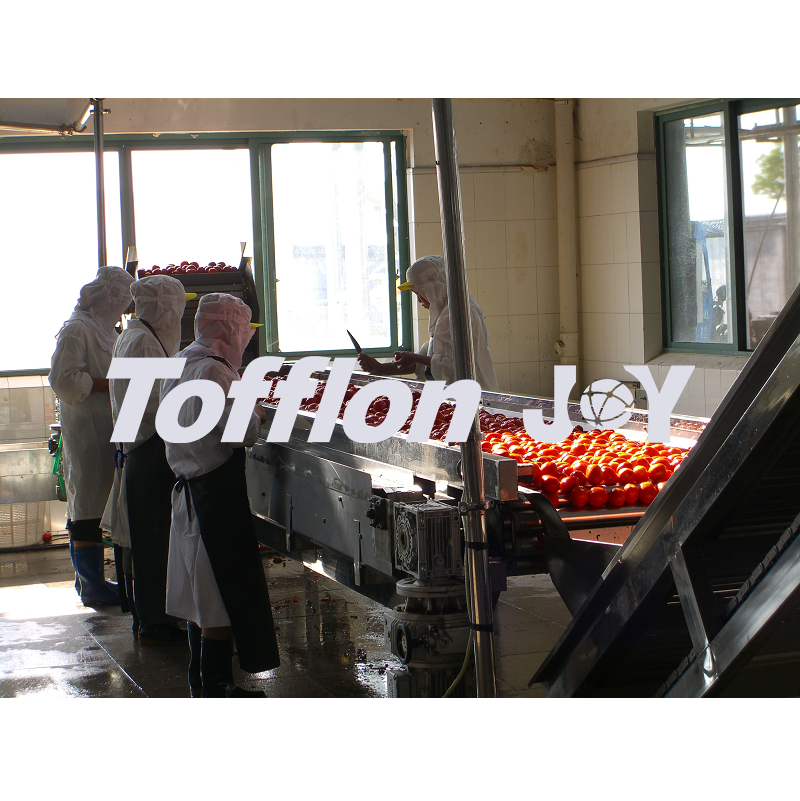
Source industrial-grade Food Processing Lines from vetted manufacturers and suppliers in China and across Asia. Designed for importers, distributors, and food brands seeking reliable OEM production, our bulk sourcing solutions ensure high-capacity output, strict hygiene compliance, and competitive wholesale pricing.
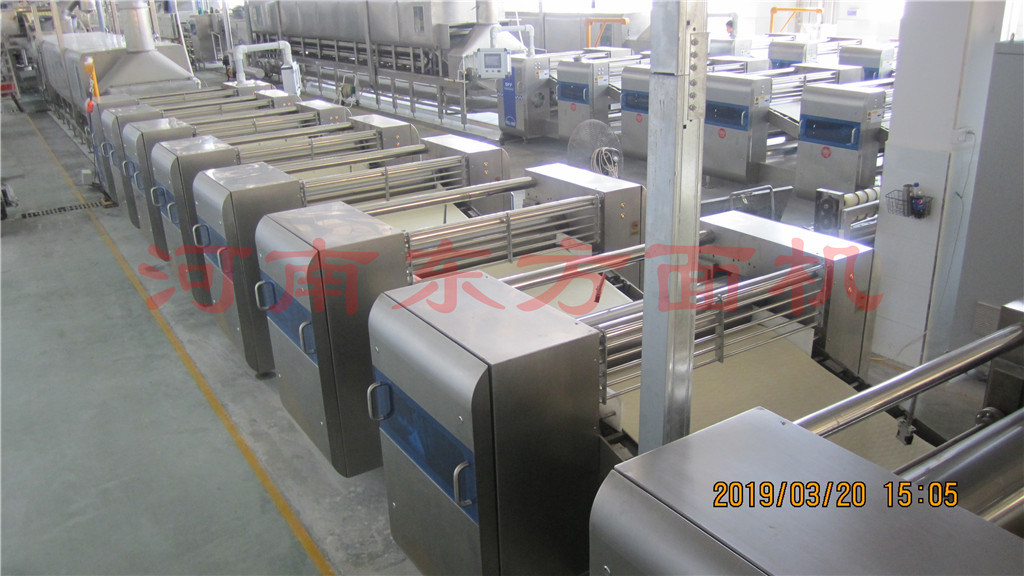
Sourcing a complete food processing line requires balancing throughput capacity, stringent hygiene compliance, and seamless equipment integration. Whether you are upgrading an existing facility or building a new production floor, the primary challenge is ensuring the machinery meets local regulatory standards while maintaining consistent operational uptime. A single weak link—be it a poorly welded joint, an undersized motor, or incompatible control software—can cause costly production bottlenecks.
Defining Core Specifications
When negotiating with machinery manufacturers, precision is critical. Vague requirements lead to underpowered equipment or non-compliant materials. You must define the exact operational parameters before requesting a quotation.
Material Selection: SUS304 vs. SUS316L
Food safety compliance begins with the metallurgy. While carbon steel might be used for external structural frames, all food-contact surfaces must be high-grade stainless steel.
| Material Grade | Best Application | Cost Impact | Corrosion Resistance |
|---|---|---|---|
| SUS304 | Standard food processing (dry goods, basic liquids) | Baseline standard | High |
| SUS316L | High-acid, high-salt, or dairy processing | Premium (adds 15-25% to material cost) | Exceptional |
Need help aligning factory specifications with your local regulatory and compliance standards?
Talk to our teamManufacturing Standards and Quality Control
The difference between a reliable production line and a maintenance liability is often found in the factory's fabrication standards. Sanitary design is paramount; equipment must be designed to be cleaned in place (CIP) or easily dismantled.
When evaluating a supplier's manufacturing process, pay close attention to the welding. Food-contact surfaces require smooth, continuous TIG welding with zero dead corners or pits where bacteria can accumulate. Grinding and polishing should achieve a surface roughness (Ra) of 0.8 micrometers or better.
Catching defects after the machinery has shipped is a logistical nightmare. Implementing rigorous Quality Control & Inspection during fabrication and prior to shipment is non-negotiable for industrial machinery.
Factory Acceptance Testing (FAT) Checklist
- Continuous dry run for a minimum of 4 to 8 hours to check motor temperatures and vibration.
- Verification of PLC logic, emergency stops, and safety interlocks.
- Inspection of all food-contact welds for sanitary compliance (no pinholes or slag).
- Confirmation of electrical component authenticity (checking for counterfeit PLCs or inverters).
- Measurement of actual throughput against contracted specifications (using simulated or actual product).
Vetting Manufacturers vs. Assemblers
China hosts several major hubs for food machinery manufacturing, particularly in Shandong, Zhejiang, and Guangdong provinces. However, the market is saturated with trading companies and light assemblers posing as primary manufacturers.
A true manufacturer will have in-house CNC machining, laser cutting, and dedicated engineering teams capable of modifying CAD drawings to your floor plan. Relying on comprehensive Factory Audits is the most effective way to verify a supplier's actual production capabilities, quality management systems (ISO 9001), and financial stability before committing to a six-figure deposit.
Pricing, MOQs, and Lead Times
Because food processing lines are highly customized, pricing varies drastically based on capacity, material grades, and automation complexity.
- MOQ: Almost universally 1 complete line or set.
- Lead Times: Typical production takes 45 to 90 days, depending on the complexity of the line and the backlog of the factory. Custom tooling or specialized molds will push this closer to the 90-day mark.
- Payment Terms: Standard terms are usually 30% to 40% T/T deposit, with the balance paid only after a successful FAT and before loading.
Logistics for complete production lines require careful planning. Equipment often exceeds standard container dimensions, requiring Open Top or Flat Rack containers, or specialized packing to fit into standard 40HQ containers. Coordinating these oversized shipments requires experienced Shipping & Freight management to avoid port delays and damage during transit.
Planning a complex machinery import? Let us manage the factory coordination and international logistics.
Get a free consultationFrequently Asked Questions
Successfully sourcing a food processing line is less about finding the lowest price and more about engineering risk out of the equation. By rigorously defining your specifications, auditing the factory's true capabilities, and demanding strict FAT protocols, you ensure your capital investment translates into reliable, compliant production.
Get Sourcing Help for Food Processing Lines
Tell us your requirements and our experts will connect you with verified manufacturers.