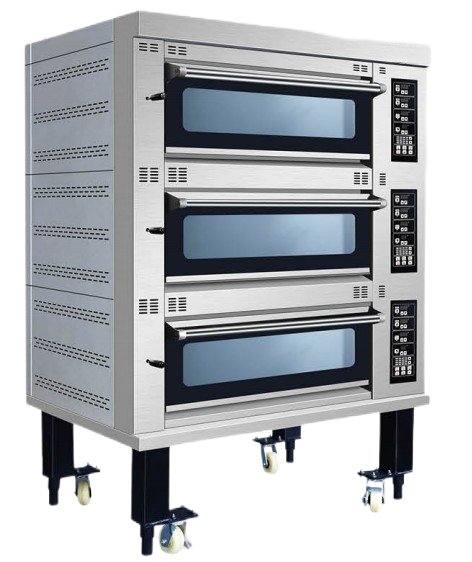
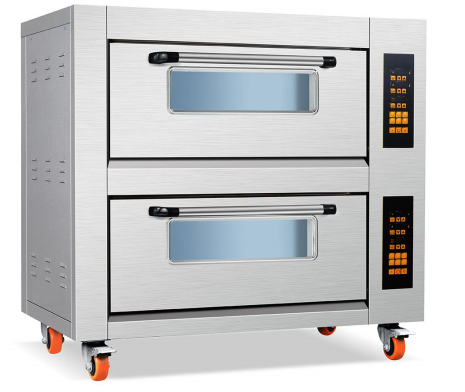
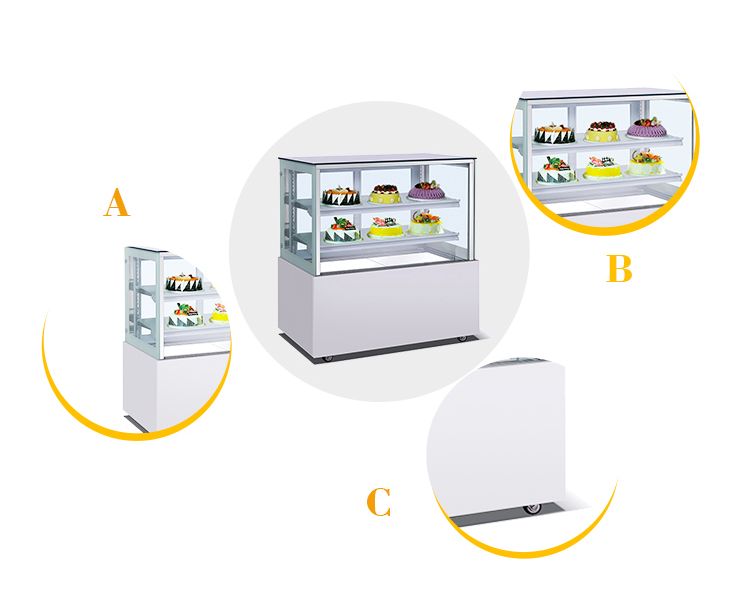
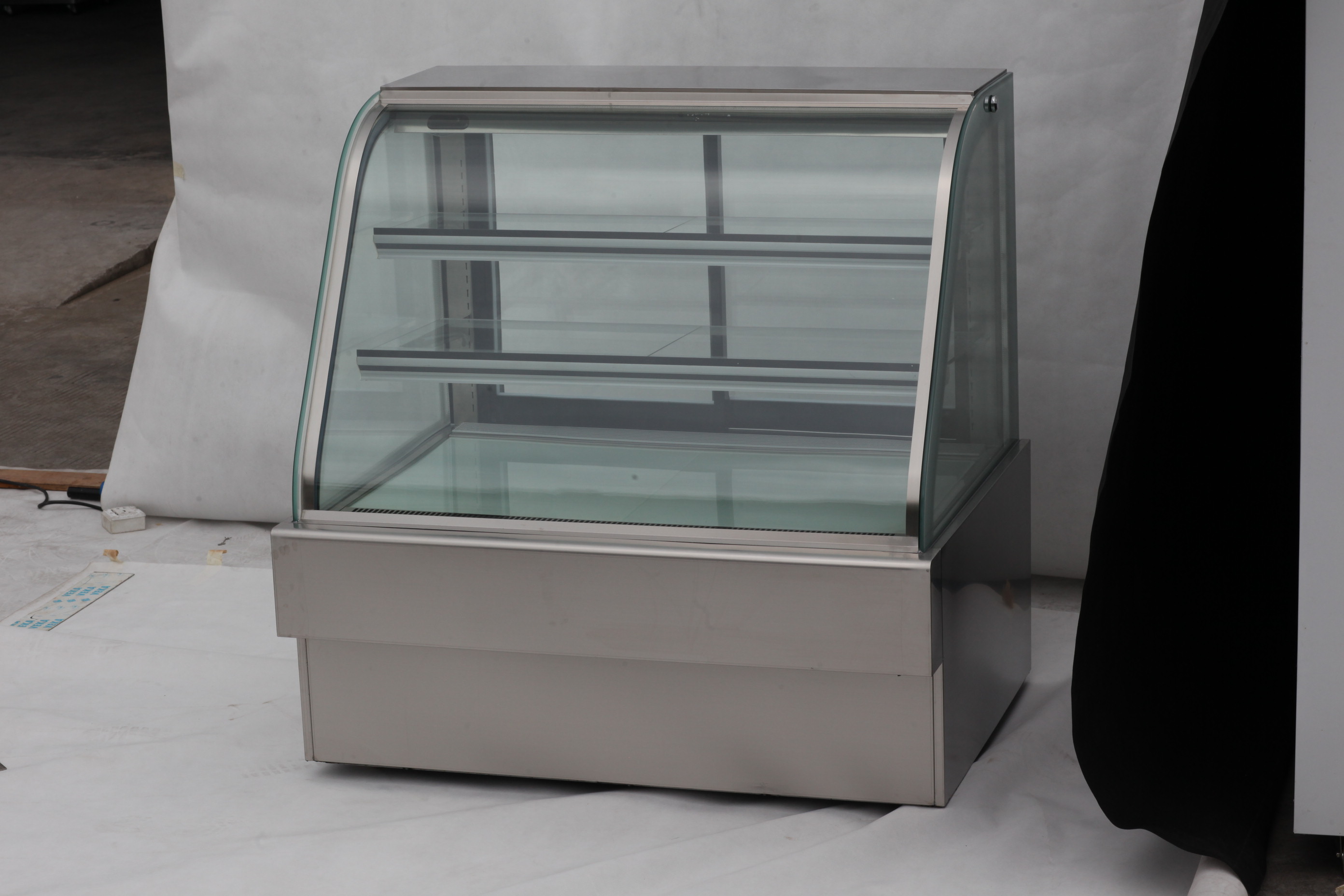
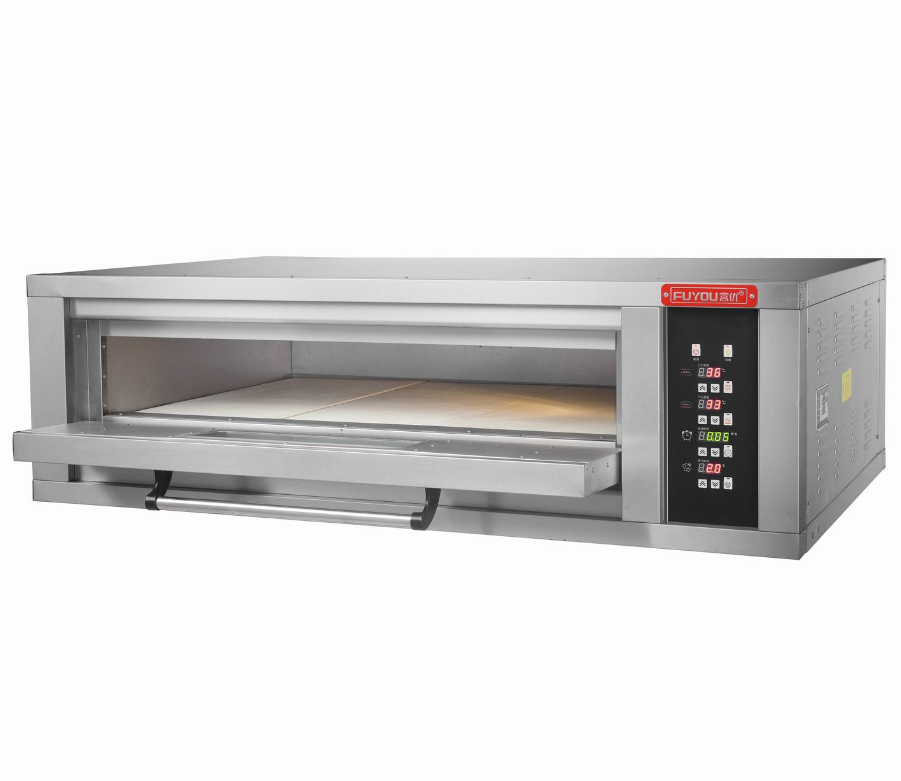
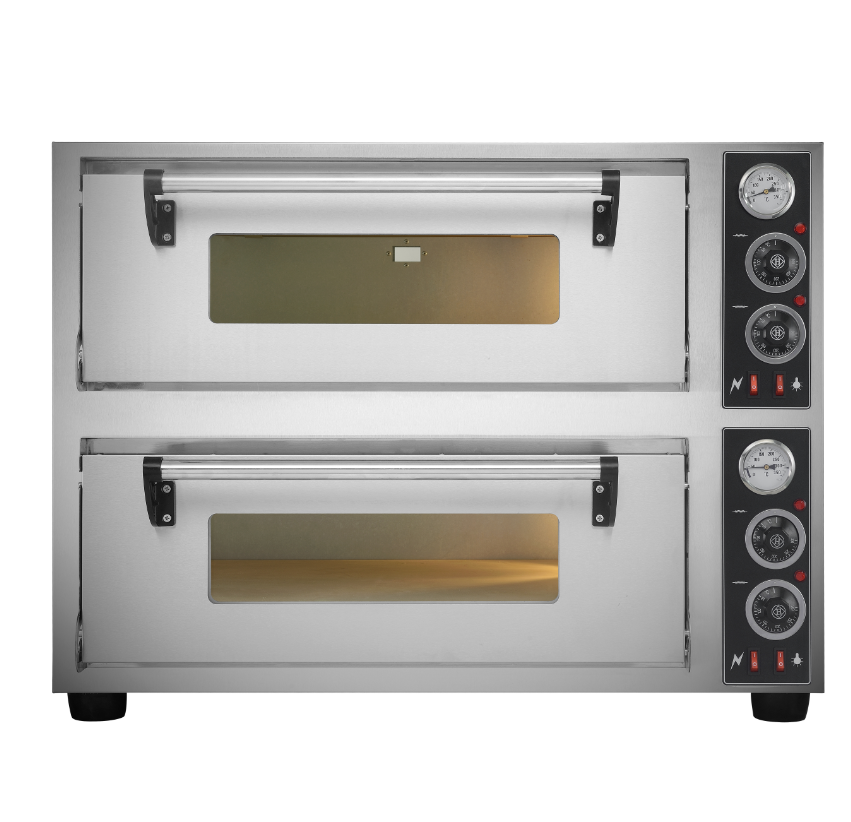
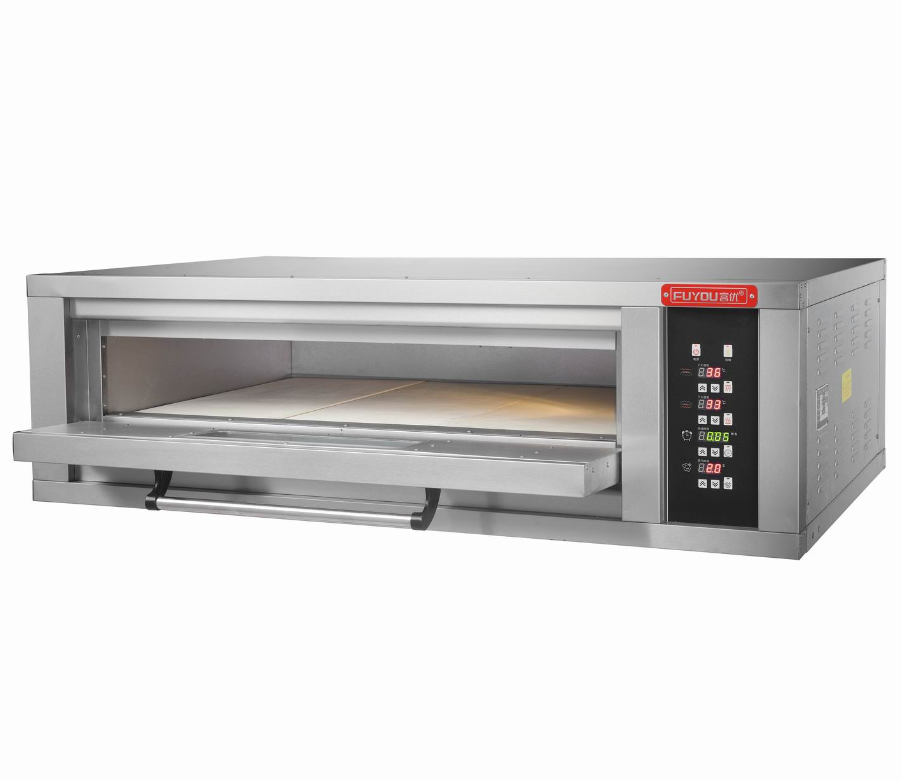
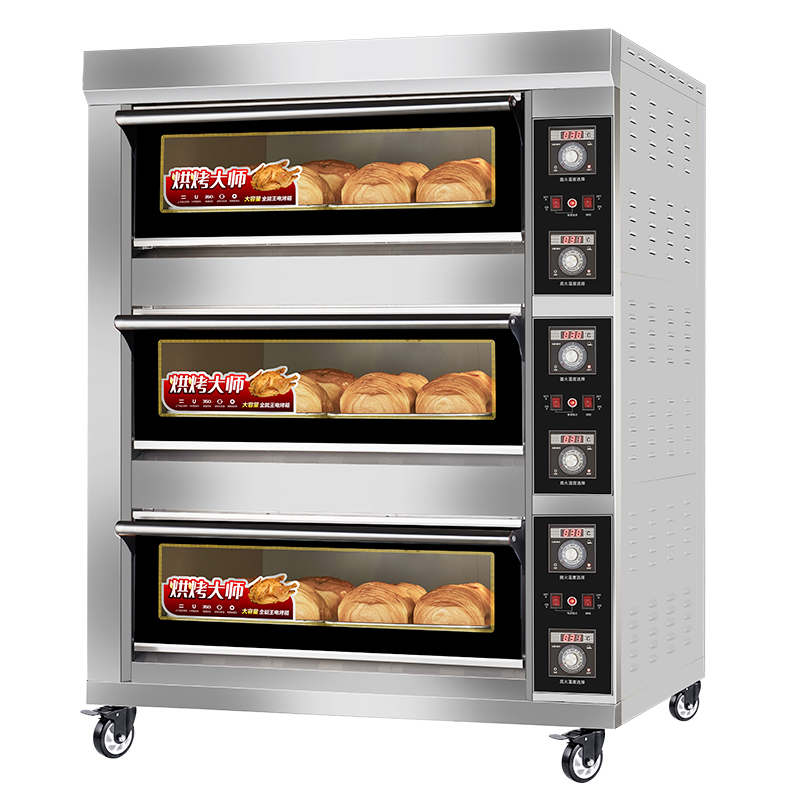
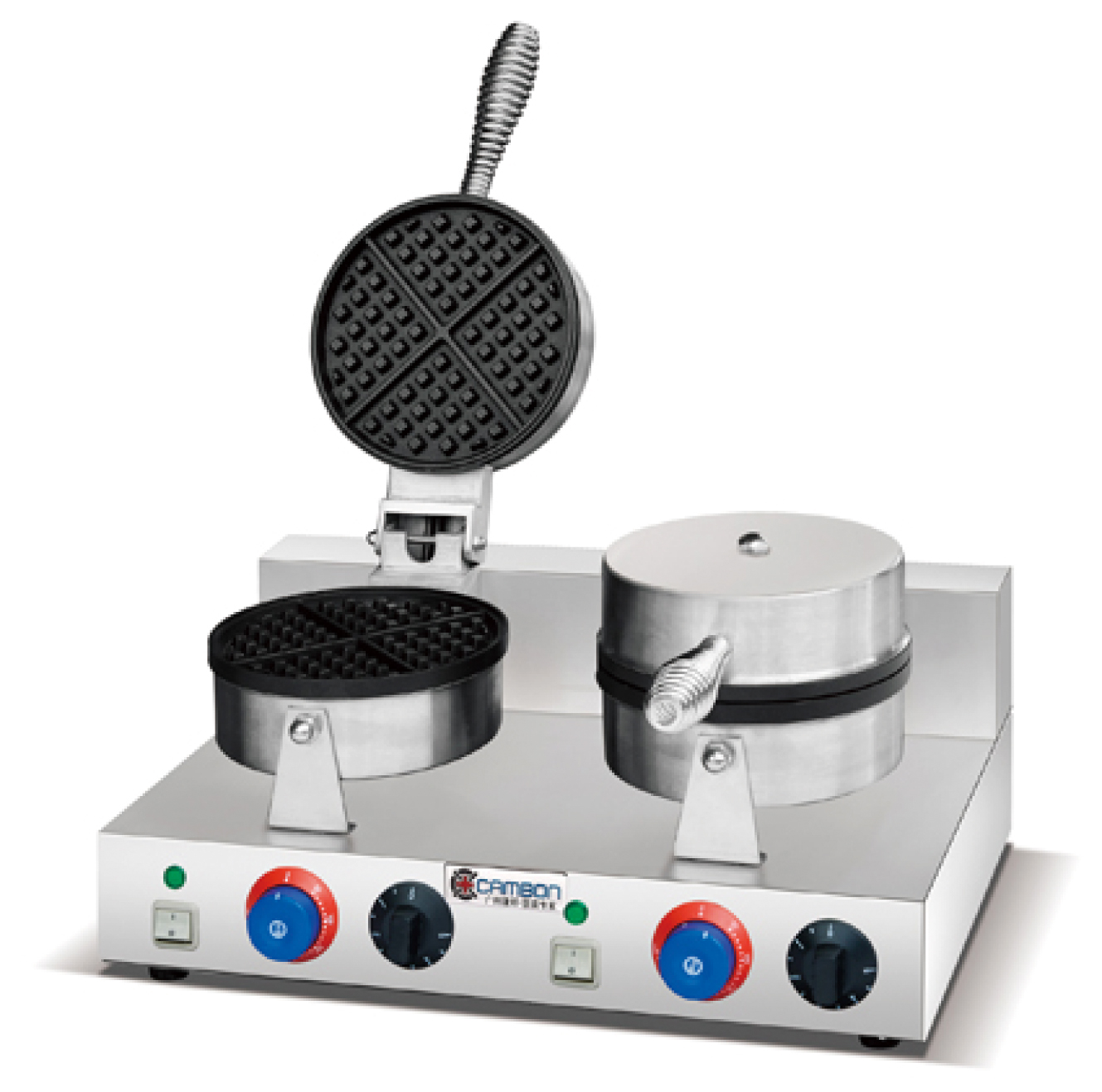
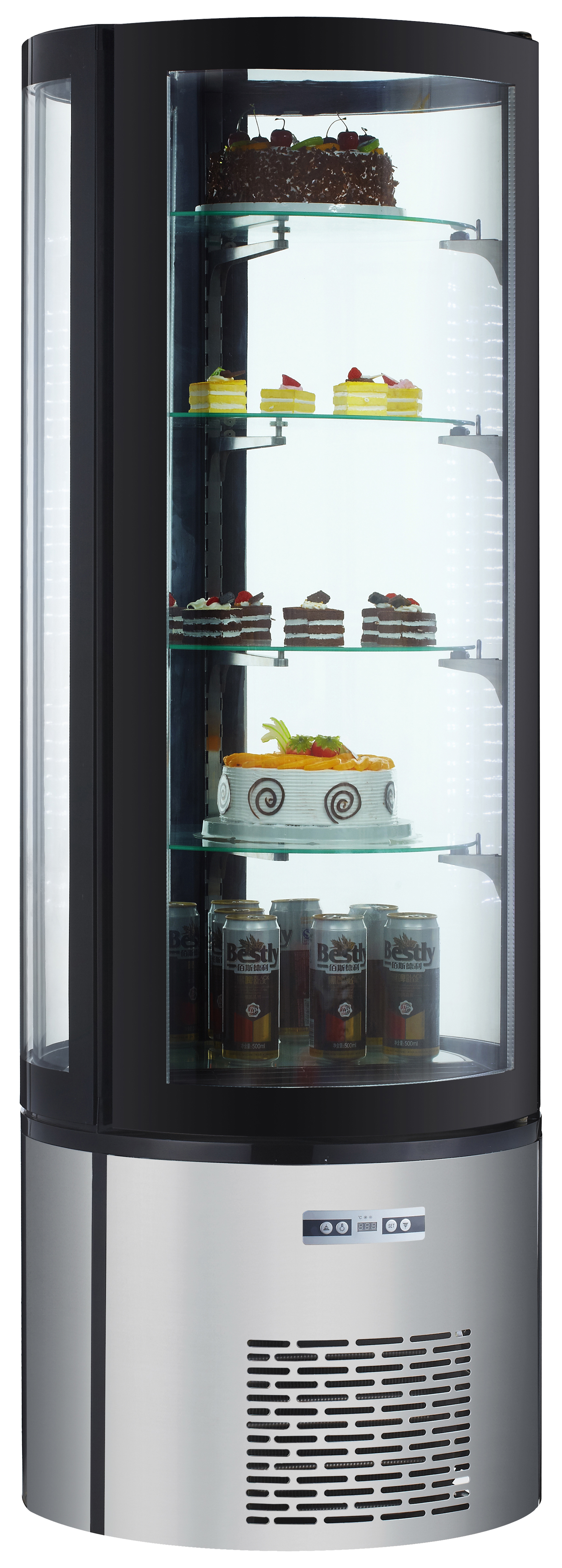
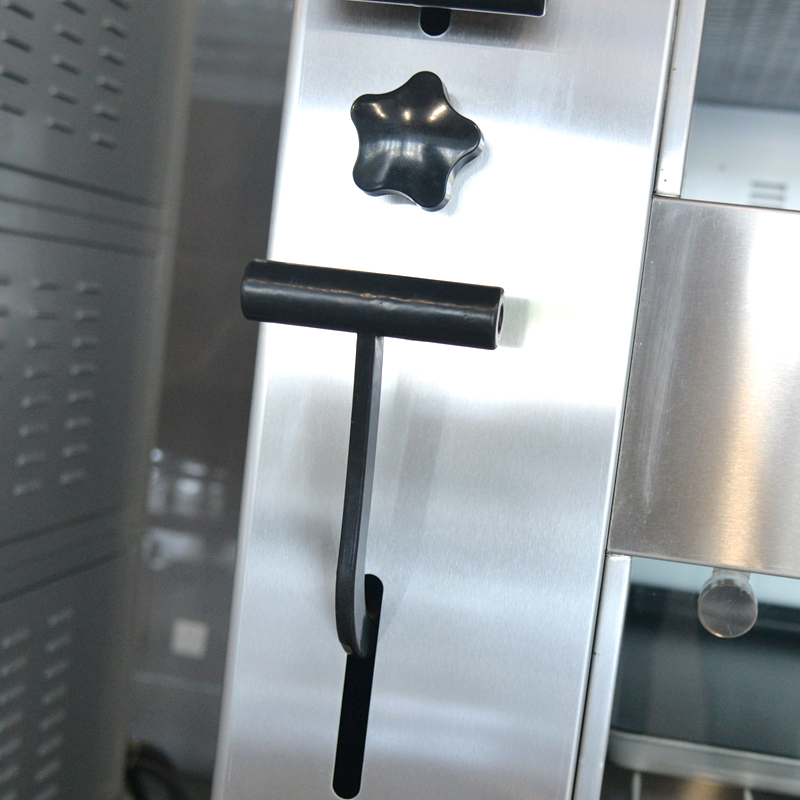
Commercial Bakery Equipment
Source high-performance commercial bakery equipment from vetted manufacturers and suppliers. Designed for importers, wholesalers, and catering equipment distributors, our wholesale network offers reliable bulk purchasing and OEM/ODM production to meet the demanding requirements of professional kitchens and industrial bakeries.
Sourcing commercial bakery equipment requires balancing heavy-duty mechanical reliability with precise thermal control and strict food-safety compliance. For bulk buyers and distributors, the challenge lies in identifying manufacturers who use commercial-grade components rather than consumer-grade workarounds, ensuring the machinery can withstand continuous daily operation in high-heat, high-humidity environments.
Core Component Specifications
The longevity of industrial baking machinery is dictated by the quality of its internal components. When evaluating a factory's technical capabilities, pay close attention to the motors, heating elements, and structural materials.
| Component | Standard Commercial | Premium / Industrial |
|---|---|---|
| Motors | Aluminum-wound, single-speed | 100% Copper-wound, variable frequency drive (VFD) |
| Heating Elements | Standard tubular, mechanical thermostat | Infrared or heavy-duty incoloy, PID digital control |
| Structural Material | SS201 exterior, painted interior | Full SS304 construction, seamless welding |
| Insulation (Ovens) | Standard fiberglass (under 50mm) | High-density rock wool (over 80mm) |
Motors and Transmissions
In dough processing equipment, the motor and transmission bear immense torque. Insist on 100 percent copper-wire motors; aluminum-wound motors are cheaper but prone to overheating and failure under heavy loads. Chain-driven transmissions offer durability for heavy doughs, while belt-driven systems operate more quietly but require frequent tensioning.
Need help verifying supplier component specifications? We can audit factory bills of materials to ensure your equipment meets commercial standards.
Talk to our teamMaterial Grades and Food Safety
Food-contact zones must utilize SUS304 (or 316) stainless steel to resist corrosion from acidic doughs and cleaning chemicals. Many lower-tier factories substitute SUS201 to cut costs, which will rust over time and fail health inspections. Verifying material certificates and conducting independent compliance testing is critical before finalizing a production run.
Manufacturing and Assembly Quality
A factory's assembly line reveals their true quality standard. High-end manufacturers utilize laser cutting and CNC bending for precise panel fitment, which is crucial for heat retention in ovens and structural integrity in mixers.
Critical Factory Floor Checks
- Weld Quality: Look for continuous, polished argon arc welds in food-contact areas, not spot welds that harbor bacteria.
- Electrical Layout: Wiring should be neatly routed, labeled, and protected by heat-resistant sleeving.
- Insulation Density: Oven insulation must be tightly packed to prevent heat loss and protect external electronics.
- Safety Interlocks: Ensure micro-switches on bowl guards and doors are industrial-grade and wired fail-safe.
Relying solely on a supplier's self-reported quality is risky. Conducting rigorous quality control & inspection prior to shipment ensures that electrical safety tests (like high-pot and earth continuity) and mechanical run-tests are performed on your actual batch.
Customization and OEM Capabilities
Distributors and brands often require OEM/ODM services to differentiate their product lines. This ranges from simple private labeling (custom nameplates and specific exterior colors) to custom PLC programming for localized baking recipes. Ensure the factory has an in-house R&D team capable of modifying control panels without compromising CE or UL certifications.
Pricing, MOQs, and Lead Times
Because commercial bakery equipment is bulky and capital-intensive, purchasing dynamics differ significantly from smaller catering supplies.
Pricing is heavily influenced by the origin of key components. Equipment featuring imported European compressors, Japanese bearings, or specialized PLCs will command a 20 to 40 percent premium over units using domestic Chinese equivalents. When negotiating, clarify exactly which brand of components is included in the quoted price.
Struggling to negotiate favorable MOQs or secure reliable lead times? Let our sourcing experts manage the factory relationship for you.
Get a free consultationSourcing reliable commercial bakery equipment means looking past polished exterior panels to evaluate motor quality, material grades, and electrical safety. By partnering with vetted manufacturers and implementing strict quality oversight, you can build a highly profitable, durable product line that professional bakers trust.
Get Sourcing Help for Commercial Bakery Equipment
Tell us your requirements and our experts will connect you with verified manufacturers.