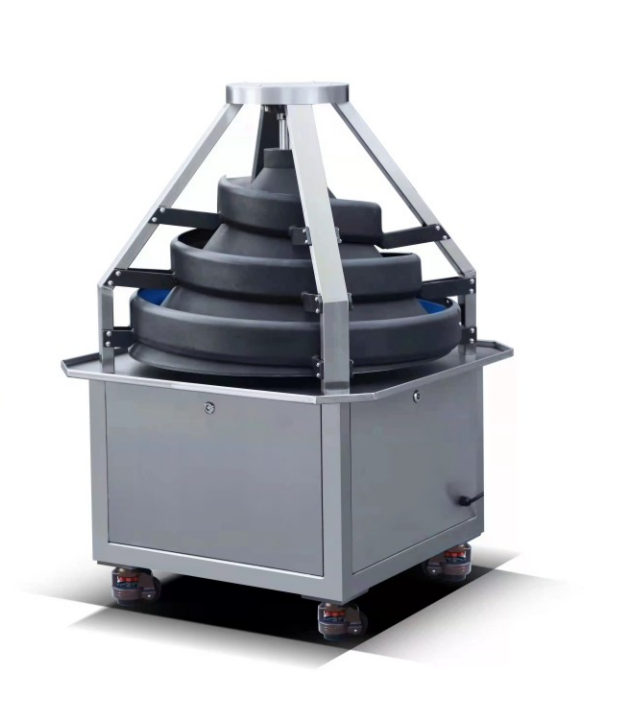
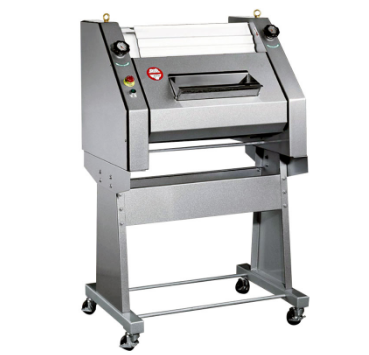
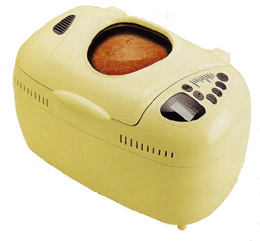
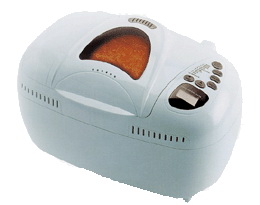
Bread Making Machines
Source commercial and consumer Bread Making Machines directly from vetted manufacturers and suppliers. Designed for importers, wholesalers, distributors, and appliance brands looking for reliable wholesale purchasing or custom OEM/private-label production.
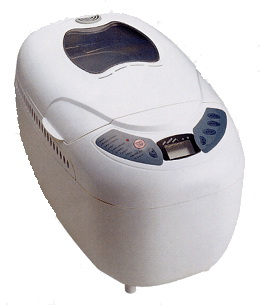
Sourcing bread making machines requires navigating a complex intersection of motor mechanics, thermal engineering, and food-grade material compliance. A unit that performs perfectly in a sample run can easily fail at scale if the manufacturer cuts corners on the drive belt, PCB components, or the non-stick coating application. To build a reliable product line, you must specify exact component grades and enforce strict quality tolerances on the factory floor.
Core Specifications and Component Selection
The performance and longevity of a bread maker depend almost entirely on three internal systems: the motor, the heating elements, and the baking chamber materials. When negotiating with suppliers, vague specifications will result in entry-level components being substituted to increase factory margins.
| Component | Standard / Entry-Level | Premium / Commercial-Grade |
|---|---|---|
| Motor Type | AC Motor (higher noise, prone to overheating under heavy loads) | DC Motor (quieter, precise torque control, longer lifespan) |
| Heating Element | Single bottom loop (400W to 500W, uneven crust) | Dual heating elements (bottom and lid, 600W+, consistent browning) |
| Pan Construction | Stamped aluminum (thin walls, basic PTFE coating) | Die-cast aluminum (excellent heat retention, ceramic coating) |
| Thermal Sensors | Single basic NTC thermistor | Dual high-precision sensors for cavity and element monitoring |
The Drive System
The motor and drive belt are the most common points of failure, particularly when users bake heavy, dense doughs like 100 percent whole wheat or gluten-free recipes. Ensure your supplier specifies the exact torque rating of the motor and uses reinforced, high-tension drive belts.
Need to verify a factory's technical capabilities before committing to a large order? We can evaluate supplier engineering and production lines on your behalf.
Talk to our teamManufacturing Tolerances and Quality Control
Bread making machines are highly sensitive to assembly variations. The marriage of the PCB (Printed Circuit Board) programming and the thermal sensors dictates the success of the baking cycles. If the NTC thermistor is poorly calibrated or installed with inadequate thermal paste, the machine will fail to maintain the precise temperatures required for proofing and baking.
A robust Quality Control & Inspection protocol is non-negotiable. Relying solely on final random inspection often misses internal assembly flaws that only become apparent after multiple baking cycles.
Critical Factory-Level QC Checks
- Motor load testing under maximum dough capacity to check for stalling or overheating.
- Thermal mapping of the baking chamber to verify temperature consistency across all crust settings.
- Adhesion cross-cut testing for non-stick pan and kneading paddle coatings.
- PCB stress testing to ensure cycle programming functions perfectly despite power fluctuations.
- Drive shaft seal inspection to prevent liquid leakage from the pan into the heating chamber.
Compliance and Material Safety
Because these machines combine high-voltage electrical components with direct food contact at high temperatures, regulatory compliance is rigorous. Do not assume a factory's existing certifications cover your specific order or target market.
For the electrical components, you will need CE, RoHS, and potentially UL or ETL marks depending on your region. For the baking pan and kneading paddles, food contact safety is paramount. The US market requires FDA compliance, while the EU demands LFGB certification, which involves much stricter testing for heavy metals and chemical migration from non-stick coatings. Partnering with experts for Compliance & Testing ensures your shipments won't be rejected at customs or face costly recalls.
Sourcing Realities: MOQ, Pricing, and Lead Times
Most manufacturers in primary production hubs (such as Guangdong and Zhejiang provinces in China) operate on volume. Understanding the baseline expectations will help you negotiate effectively.
If you are developing a proprietary design, OEM/ODM Services will involve upfront tooling costs. Injection molds for a new plastic housing typically cost several thousand dollars, while custom die-cast aluminum pans require separate, expensive tooling. Always negotiate tooling ownership terms clearly in your manufacturing agreement.
Looking to develop a custom bread machine or negotiate better terms with existing suppliers? Let's discuss your sourcing strategy.
Get a free consultationSuccessfully importing bread making machines at scale comes down to proactive risk management. By specifying exact internal components, demanding rigorous thermal and mechanical testing, and ensuring strict regulatory compliance, you protect your margins and your brand's reputation. Focus on building a resilient supply chain rather than just chasing the lowest unit price.
Get Sourcing Help for Bread Making Machines
Tell us your requirements and our experts will connect you with verified manufacturers.