Quality Control in Manufacturing: Best Practices to Prevent Defects
#Introduction
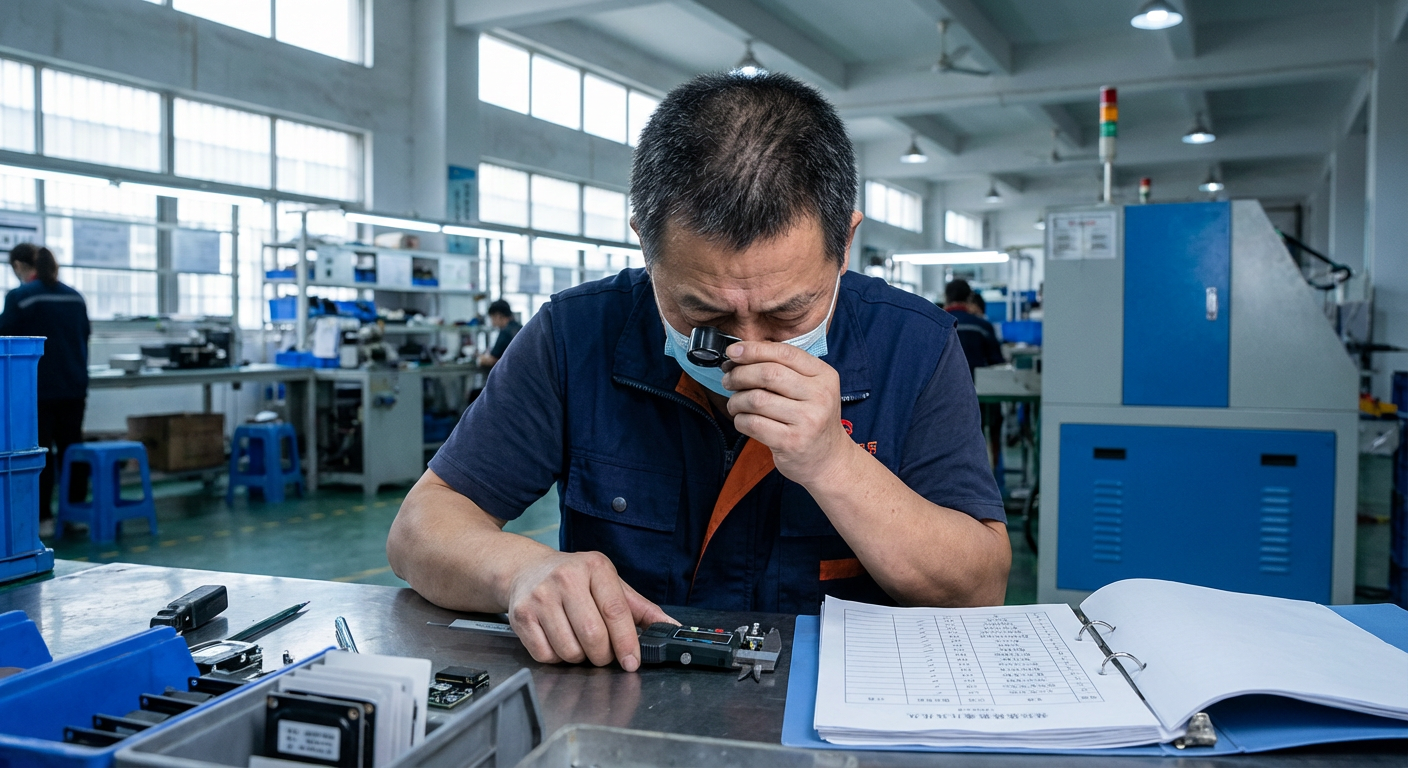
Quality control (QC) isn't just about catching mistakes—it's about preventing them. For importers sourcing from China, a robust QC strategy is the difference between a profitable product launch and a warehouse full of unsellable inventory.
The cost of poor quality goes far beyond the price of defective goods. It includes lost sales, brand damage, returns processing, and the scramble to find replacement inventory.
This guide outlines best practices for implementing effective quality control at every stage of the manufacturing process.
QC vs. QA
Quality Assurance (QA) is process-oriented (preventing defects by improving the process). Quality Control (QC) is product-oriented (identifying defects in the finished product). You need both.
#The 4 Stages of Quality Control
Effective QC isn't a one-time event. It's a continuous process that happens at four critical stages.
#1. Pre-Production Inspection (PPI)
When: Before production starts. Goal: Ensure raw materials and components meet specifications before they are used.
PPI Checklist
- Verify raw materials match approved samples
- Check components and accessories
- Review production schedule and capacity
- Confirm factory understanding of specifications
- Inspect tooling and molds
Why it matters: Catching the wrong material before it's cut or molded saves the entire production run.
#2. During Production Inspection (DUPRO)
When: At 20-50% completion. Goal: Identify systemic issues early while they can still be fixed.
What to check:
- Production speed and timeline
- Assembly processes
- Random sampling of finished units
- Packaging methods
Common Risk
Factories often speed up production to meet deadlines, leading to sloppy assembly. DUPRO catches this "rush" effect.
#3. Pre-Shipment Inspection (PSI)
When: Production is 100% complete and at least 80% packed. Goal: Final verification before goods leave the factory. This is the most common inspection type.
The PSI Protocol:
- Quantity verification
- Style, color, and material check
- Workmanship inspection (visual defects)
- Functionality testing
- Packaging and labeling verification
- Measurement check
#4. Container Loading Supervision (CLS)
When: During loading of the shipping container. Goal: Ensure the right goods are loaded correctly and safely.
Checks:
- Container condition (holes, wet floors, odors)
- Carton quantity count
- Loading method (to prevent crushing)
- Seal verification
Learn about our factory audit services to verify suppliers before production
#Understanding AQL (Acceptable Quality Limit)
AQL is the industry standard for defining "how many defects are allowed." It tells inspectors how many units to sample and the pass/fail threshold.
The Three Defect Categories:
-
Critical Defects: Hazardous or unsafe conditions.
- Standard Limit: 0 (Not allowed)
- Example: Sharp edge on a toy, electrical shock risk.
-
Major Defects: Affects functionality or saleability.
- Standard Limit: 2.5%
- Example: Scratch on the front screen, button not working.
-
Minor Defects: Cosmetic issues that don't affect function.
- Standard Limit: 4.0%
- Example: Minor scuff on the bottom, untrimmed thread.
Setting AQL
For most consumer goods, Level II, AQL 2.5/4.0 is standard. For premium products, tighten this to AQL 1.0/2.5.
#Common Manufacturing Defects
Knowing what to look for helps you create better inspection checklists.
| Defect Type | Examples | Impact |
|---|---|---|
| Dimensional | Wrong size, out of tolerance | Fit issues, returns |
| Visual | Scratches, dents, color mismatch | Customer perception, brand damage |
| Functional | Won't turn on, buttons stuck | Product failure, returns |
| Packaging | Wrong barcode, crushed box | Amazon FBA rejection, shipping damage |
| Material | Rust, wrong fabric grade | Durability issues, safety risks |
#Building a Quality Culture
QC isn't just about inspections; it's about relationships.
- Clear Specifications: Create a "Golden Sample" that is signed by both parties.
- Defect List: Provide photos of what is acceptable and what is not.
- Contract Clauses: Include penalties for failed inspections (e.g., "Supplier pays for re-inspection").
- Regular Feedback: Share inspection reports and customer feedback with the factory.
#The Cost of Quality
Is QC worth it? Let's look at the math.
Scenario: 5,000 widgets at $10 each.
- Cost of Inspection: $300
- Cost of 5% Defect Rate (undetected): 250 units * $10 = $2,500 + shipping + duties + disposal fees + lost customers.
The ROI is typically 10x or higher.
#Best Practices Checklist
QC Implementation Checklist
- Create a detailed Tech Pack with tolerances
- Approve a signed Golden Sample
- Define AQL standards in your purchase order
- Schedule a Pre-Shipment Inspection (PSI)
- Hold payment balance until inspection passes
- Review inspection reports personally
#Case Study: Saving a Product Launch
Product: Smart Water Bottle Issue: During DUPRO, inspectors found that 15% of batteries were not charging properly due to a bad batch from a sub-supplier. Action: Production paused. Supplier replaced the battery batch. Result: 2-week delay, but avoided shipping 750 defective units. Saved roughly $15,000 in returns and protected the brand's 5-star rating.
#Ready to Secure Your Quality?
Don't leave quality to chance. Implementing a systematic QC process protects your bottom line and your brand reputation. Whether you need help defining standards or arranging inspections, we're here to help.
Ready to Start Sourcing?
Get expert guidance on your sourcing journey. Our team has helped over 200 companies successfully source products from Asia.
Contact UsRelated Resources:
Share this article
Tagged with:
Related Articles
Common Manufacturing Defects: Identification and Prevention
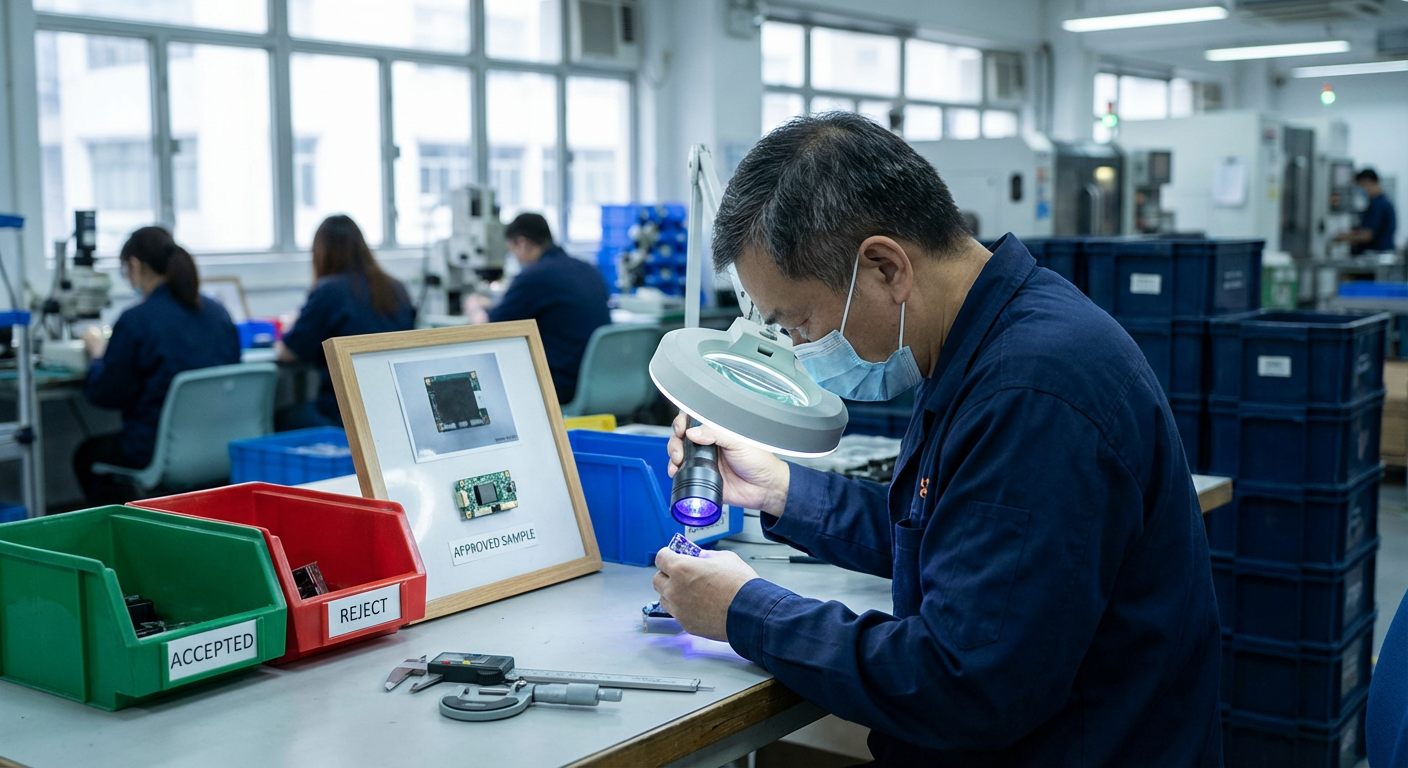
A guide to the most common manufacturing defects in China. Learn to identify Critical, Major, and Minor defects and how to prevent them.
Factory Audit Checklist: What to Inspect Before Placing Your Order
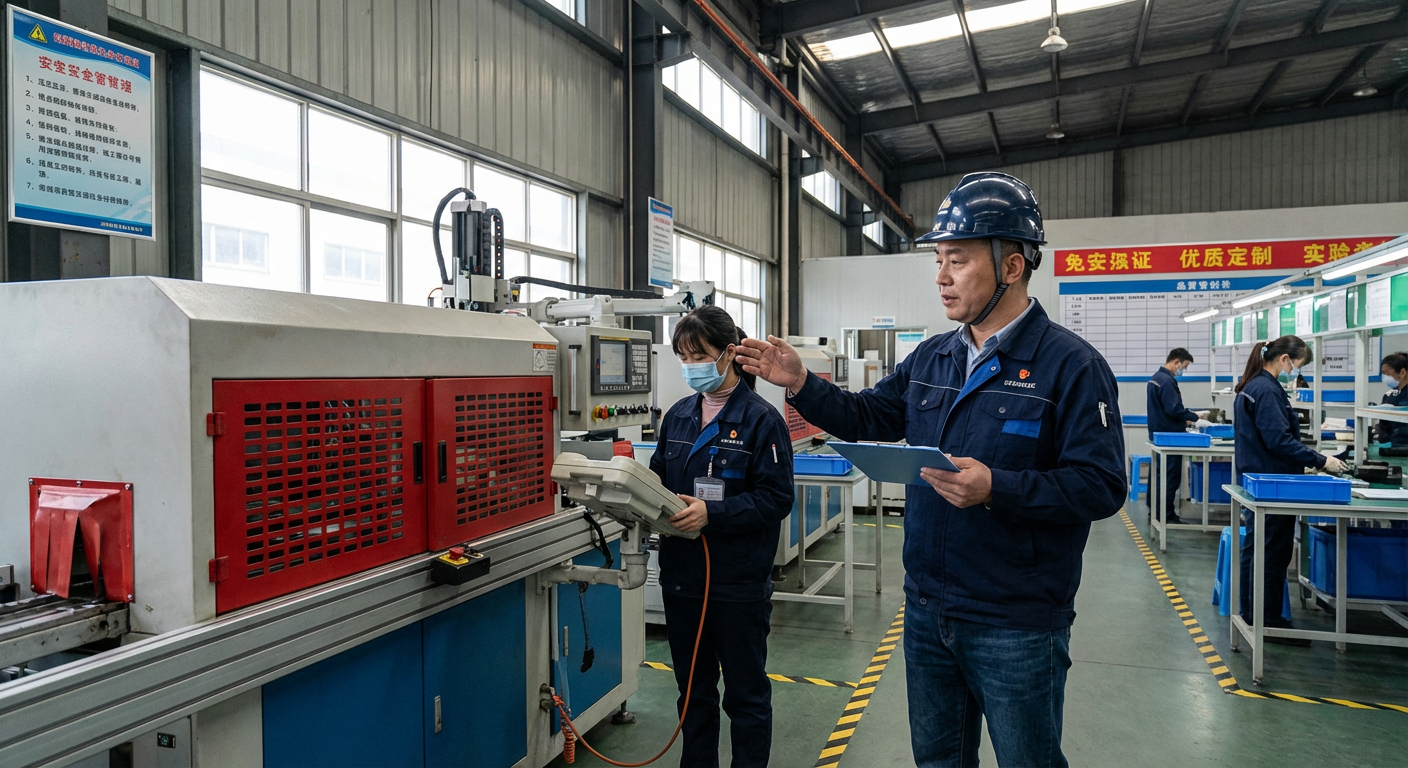
Comprehensive factory audit checklist covering supplier reliability, production capacity, quality systems, and compliance verification protocols for importers.
Private Label Manufacturing: A Complete Guide to Launching Your Brand
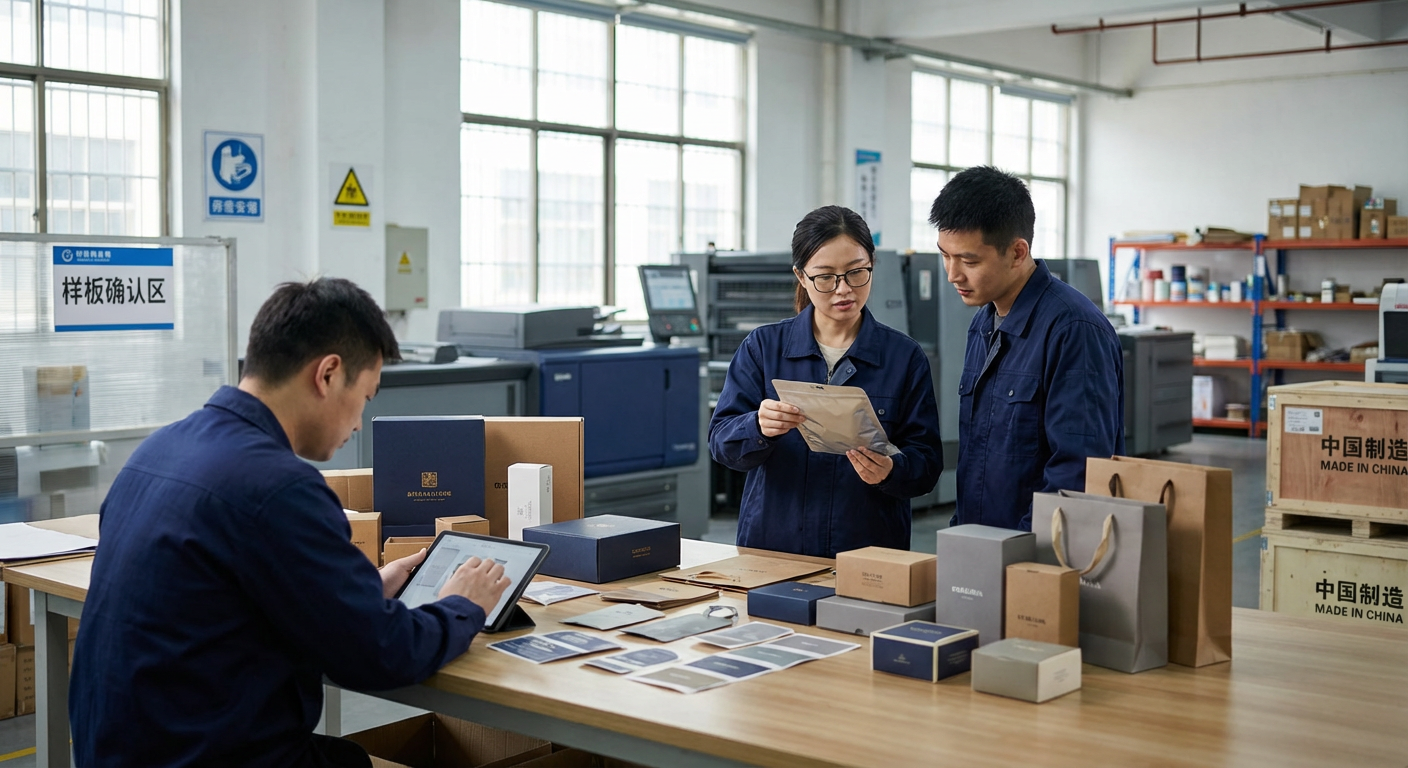
Learn how to build a profitable brand using private label manufacturing. A step-by-step guide to finding suppliers, customization, and launching products.