Factory Audit Checklist: What to Inspect Before Placing Your Order
#Introduction
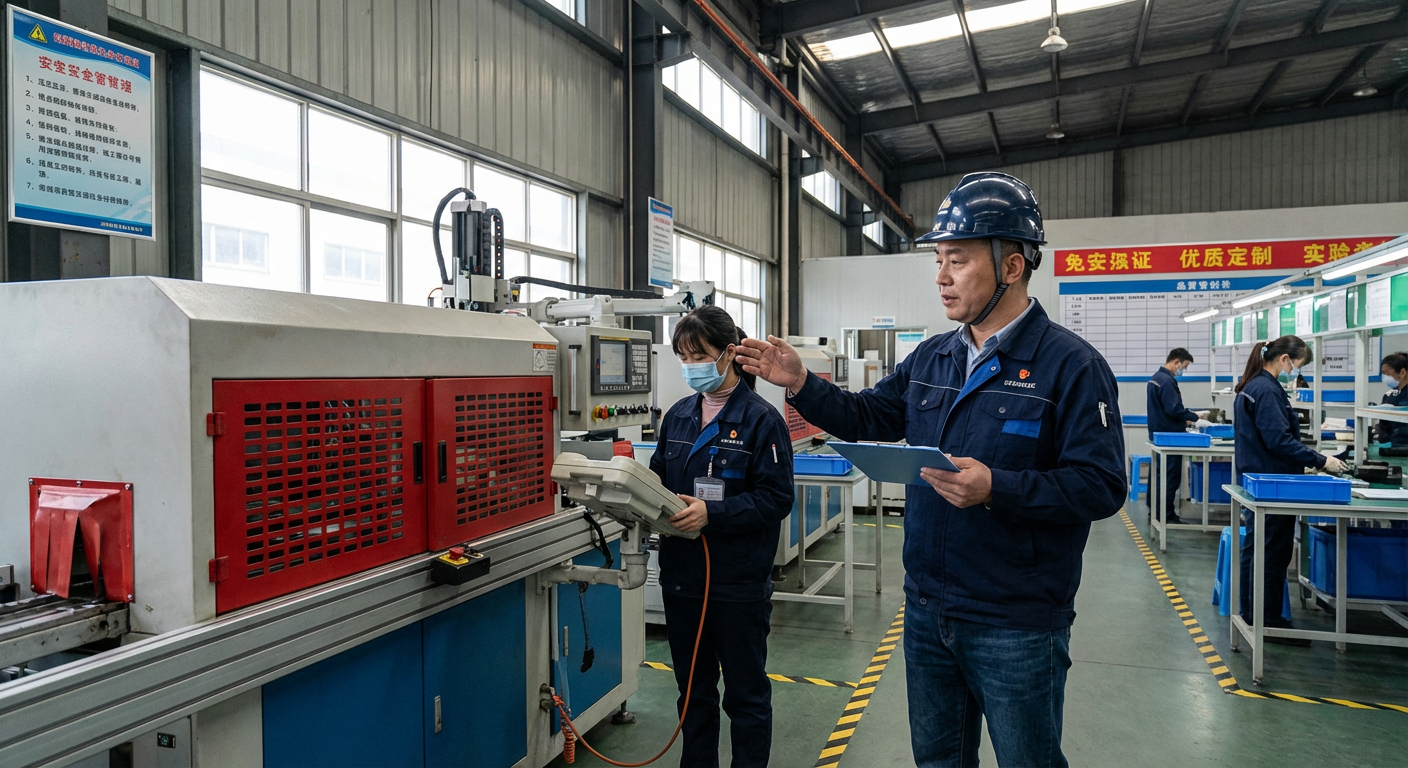
A thorough factory audit is your best defense against supplier problems, quality issues, and costly production delays. Yet many businesses skip this critical step, often with expensive consequences.
Consider this: A UK electronics company once placed a $200,000 order without auditing their supplier. The factory lacked proper quality control systems, resulting in a 40% defect rate and complete order rejection. A $3,000 audit would have revealed these issues before any commitment.
This guide provides a comprehensive, actionable checklist for conducting factory audits that protect your investment and ensure supplier reliability.
Types of Factory Audits
Initial Audit: Basic capability and legitimacy verification
Technical Audit: Deep-dive into production processes and quality systems
Social Compliance Audit: Worker rights, safety, and ethical practices
Pre-Production Audit: Final verification before production starts
#Why Factory Audits Are Non-Negotiable
Factory audits reveal critical information that online research cannot:
- Production Capability: Can they actually handle your volume?
- Quality Systems: Do they have processes to ensure consistent quality?
- Ethical Practices: Are working conditions acceptable?
- Financial Stability: Will they be in business next year?
- Technical Expertise: Do they understand your product requirements?
Cost of Skipping Audits:
- Defective products requiring rework or replacement
- Production delays affecting your launch timeline
- Ethical violations damaging your brand reputation
- Financial losses from unreliable suppliers
- Legal liability for non-compliant products
Investment in Audits:
- Professional audit: $1,500-3,000
- DIY audit (your time + travel): $2,000-5,000
- ROI: Preventing one major issue pays for dozens of audits
#Pre-Audit Preparation
#Documentation to Request in Advance
Pre-Audit Document Checklist
- Business licence and company registration
- Export licence (if applicable)
- Tax registration certificates
- ISO 9001 or other quality certifications
- Industry-specific certifications (CE, RoHS, FDA, etc.)
- Social compliance certificates (BSCI, SEDEX, SA8000)
- Client reference list with contact information
- Production capacity data and current utilization
- Quality control procedures documentation
- Environmental compliance certificates
Reviewing these documents before your visit helps you verify basic legitimacy, prepare targeted questions, identify areas requiring deeper investigation, and save time during the on-site visit.
#Questions to Prepare
Production Questions:
- What's your current capacity utilization?
- How many lines can you dedicate to our product?
- What's your typical lead time for similar products?
- How do you handle peak season demand?
Quality Questions:
- What's your typical defect rate?
- How do you handle customer complaints?
- What testing equipment do you have?
- Can you provide quality reports from recent orders?
Business Questions:
- Who are your main customers?
- What percentage of production is for export?
- How long have your key staff been with the company?
- What's your payment terms flexibility?
Our professional factory audit services provide comprehensive supplier verification
#Legal and Business Verification
#Essential Checks
Legal Verification Checklist
- Valid business licence (check expiry date)
- Export licence for international trade
- Tax registration and compliance
- Company ownership structure documented
- Minimum 3 years in operation (5+ years preferred)
- No recent legal disputes or violations
- Financial stability indicators (credit reports if available)
- Insurance coverage (liability, property)
#Red Flags
Watch for these warning signs:
- Recently registered company (less than 2 years) - Higher risk
- Frequent ownership changes - Instability indicator
- Reluctance to show documents - Potential legitimacy issues
- Mismatched information - Company name, address discrepancies
- No export history - Lack of international experience
Verification Tip
Don't just accept documents at face value. Cross-reference business licences with government databases when possible, and verify certifications with issuing bodies.
#Production Capacity Assessment
#Facility Evaluation
Production Facility Checklist
- Factory size adequate for claimed capacity (measure square footage)
- Number of production lines matches stated capacity
- Equipment appears well-maintained (check for rust, damage)
- Modern machinery appropriate for product type
- Automation level suitable for volume and quality requirements
- Current capacity utilization (observe actual production)
- Ability to scale for peak seasons
- Adequate raw material storage space
- Finished goods warehouse capacity
- Loading dock and shipping facilities
#Capacity Red Flags
- Overcapacity claims: Factory claims 10,000 units/day but only has 2 small production lines
- Idle equipment: Significant machinery sitting unused (financial problems?)
- Makeshift facilities: Temporary structures or residential buildings used for production
- Shared facilities: Multiple companies operating in same space (capacity conflicts)
#Questions to Ask
Production Capacity:
- "What's your daily/monthly output for similar products?"
- "How many workers are on each line?"
- "What's your current order backlog?"
- "Can you show me production schedules?"
Scalability:
- "How quickly can you add production lines?"
- "Do you have space for expansion?"
- "How do you handle sudden order increases?"
#Quality Management Systems
#Quality Control Infrastructure
QC System Checklist
- Dedicated QC department with qualified staff
- Written quality control procedures and work instructions
- Incoming material inspection (IQC) process
- In-process quality control (IPQC) checkpoints
- Final quality inspection (FQI) before packaging
- Testing equipment appropriate for product type
- Equipment calibration records and schedules
- Defect tracking system and corrective action process
- Quality documentation and traceability
- Customer complaint handling procedures
- ISO 9001 or equivalent certification
- Quality metrics displayed (defect rates, yields)
#Testing Equipment Verification
Check for:
- Equipment appropriate for your product type
- Regular calibration (ask to see calibration certificates)
- Proper usage (observe tests being conducted)
- Adequate quantity (not shared across too many lines)
- Modern technology (outdated equipment = quality risks)
Pro Tip
Ask to see quality reports from recent production runs. Consistent documentation and low defect rates (typically 2-3% or less for consumer goods) indicate mature quality systems.
#Workforce and Social Compliance
#Worker Conditions Assessment
Social Compliance Checklist
- Adequate number of workers for claimed capacity
- Valid employment contracts for workers
- Working hours comply with local laws (max 60 hrs/week typical)
- Overtime is voluntary and properly compensated
- Wages meet or exceed minimum wage requirements
- Timely wage payment (check payment records)
- Appropriate safety equipment provided and used
- Safety training programs documented
- No child labour (verify age documentation)
- No forced labour or withheld documents
- Dormitory conditions acceptable (if provided)
- Social compliance certifications (BSCI, SEDEX, SA8000)
#Why Social Compliance Matters
Business Risks:
- Brand reputation damage if violations exposed
- Retailer rejection (many require compliance audits)
- Legal liability in some jurisdictions
- Consumer backlash and boycotts
Ethical Responsibility:
- Ensure fair treatment of workers
- Support sustainable business practices
- Contribute to improving industry standards
Need Professional Factory Audits?
Our experienced auditors conduct comprehensive factory assessments following international standards.
Contact Us#Environmental and Safety Standards
#Safety Systems Evaluation
Safety & Environment Checklist
- Clearly marked emergency exits (not blocked)
- Fire extinguishers and sprinkler systems functional
- Emergency lighting and exit signs
- First aid stations and trained personnel
- Proper ventilation and air quality
- Chemical storage in designated, secure areas
- Hazardous waste disposal procedures
- Wastewater treatment systems (if applicable)
- Noise levels within acceptable limits
- Personal protective equipment (PPE) usage enforced
- Safety training records maintained
- Environmental compliance certificates
#Critical Safety Red Flags
- Blocked exits: Immediate safety hazard
- No fire suppression: Unacceptable risk
- Chemical mishandling: Quality and safety issues
- Poor ventilation: Worker health and product quality concerns
- Missing PPE: Safety culture problems
#Supply Chain and Materials Management
#Material Sourcing Verification
Supply Chain Checklist
- Established relationships with material suppliers
- Quality incoming material inspection process
- Adequate raw material inventory (2-4 weeks typical)
- Proper material storage conditions
- Material traceability systems
- Backup suppliers for critical materials
- Material testing capabilities
- Supplier qualification process documented
#Questions About Materials
- "Where do you source key materials?"
- "How do you qualify material suppliers?"
- "What's your material lead time?"
- "Do you have backup suppliers?"
- "Can you provide material certifications?"
Why This Matters: Material quality directly impacts product quality. Suppliers with poor material management create consistency problems.
#Technical Capabilities
#Engineering and R&D Assessment
Technical Capability Checklist
- Engineering department with qualified staff
- CAD/CAM capabilities for design work
- Prototyping facilities and equipment
- Testing lab for product validation
- Technical documentation standards
- Design change management process
- Experience with similar products
- Problem-solving capabilities demonstrated
#For Custom/OEM Products
If you're doing OEM manufacturing, verify:
- Design interpretation: Can they read and understand your technical drawings?
- Engineering support: Do they have engineers who can suggest improvements?
- Prototyping: Can they produce samples for testing?
- Testing: Do they have equipment to validate product performance?
#Financial Stability
#Financial Health Indicators
While detailed financials may not be available, look for:
Positive Signs:
- Steady growth in facility size and equipment
- Long-term employees (low turnover)
- Ongoing investments in machinery
- Diverse customer base (not dependent on one client)
- Prompt payment to their suppliers
Warning Signs:
- Deteriorating facilities or equipment
- High employee turnover
- Delayed wages or supplier payments
- Desperate for new business (very aggressive pricing)
- Recent downsizing or layoffs
Financial Red Flag
If a supplier is overly eager, offers prices far below market, or pushes for immediate commitment, they may be financially distressed. Proceed with extreme caution.
#Communication and Management
#Management Quality Assessment
Observe and evaluate:
Communication:
- Responsiveness to questions
- Clarity of explanations
- Willingness to address concerns
- English proficiency (if relevant)
- Transparency about limitations
Professionalism:
- Organized facility and documentation
- Punctuality and preparation for audit
- Professional demeanor of staff
- Systematic approach to problem-solving
Customer Focus:
- Understanding of quality requirements
- Willingness to accommodate special needs
- Track record of meeting deadlines
- Flexibility in addressing issues
#Red Flags: When to Walk Away
#Deal-Breakers
These issues should make you seriously reconsider:
- Falsified documents: Fake certifications or licences
- Unsafe conditions: Blocked exits, fire hazards, dangerous equipment
- Child labour: Any indication of underage workers
- Severe quality issues: No QC systems, high defect rates
- Financial distress: Unpaid wages, desperate for business
- Dishonesty: Misrepresentation of capabilities or capacity
- Hostile attitude: Unwilling to answer questions or show facilities
Trust Your Instincts
If something feels wrong during the audit, it probably is. Don't ignore red flags because you've already invested time. Walking away now saves money compared to dealing with problems later.
#Conducting Virtual Audits
#When In-Person Isn't Possible
Virtual audits can be effective if done properly:
Requirements:
- Live video tour (not pre-recorded)
- Multiple camera angles
- Ability to request specific views
- Real-time Q&A with management
- Document verification via screen share
What to Request:
- Factory floor walkthrough
- Close-ups of equipment and products
- QC area and testing procedures
- Material storage areas
- Worker areas and conditions
Limitations:
- Can't verify scale and capacity as accurately
- Easier to hide problems
- Can't inspect samples in person
- Less feel for company culture
Best Practice: Combine virtual audit with third-party in-person inspection before large orders.
#After the Audit: Decision Making
#Scoring Your Audit
Create a simple scoring system by rating each category from 1-10:
Audit Scoring Framework:
- Legal & Business (15% weight)
- Production Capacity (20% weight)
- Quality Systems (25% weight)
- Social Compliance (15% weight)
- Safety & Environment (10% weight)
- Technical Capability (10% weight)
- Financial Stability (5% weight)
Calculate weighted average for overall score.
Interpretation:
- 8.0+: Excellent supplier, proceed with confidence
- 6.5-7.9: Good supplier, monitor closely
- 5.0-6.4: Marginal, consider alternatives
- Below 5.0: High risk, avoid
#Next Steps Based on Results
Excellent Audit (8.0+):
- Proceed to sampling and negotiation
- Build long-term partnership
- Consider this supplier for multiple products
Good Audit (6.5-7.9):
- Proceed with caution
- Implement strict quality control
- Start with smaller orders
- Monitor performance closely
Marginal Audit (5.0-6.4):
- Request corrective actions
- Conduct follow-up audit
- Consider as backup supplier only
- Keep searching for better options
Poor Audit (Below 5.0):
- Walk away
- Continue supplier search
- Document issues for future reference
Explore our quality control and inspection services for ongoing supplier monitoring
#Audit Frequency and Ongoing Monitoring
#When to Conduct Audits
Initial Audit: Before first order (always)
Annual Audit: For regular suppliers (recommended)
Re-audit Triggers:
- Quality issues or complaints
- Significant order size increase
- New product introduction
- Ownership or management changes
- Compliance concerns
- After 2+ years without audit
#Ongoing Monitoring
Between audits, monitor through:
- Regular quality inspections (pre-shipment)
- Performance metrics tracking
- Communication quality assessment
- On-time delivery rates
- Defect rate trends
- Customer feedback
#Key Takeaways
A thorough factory audit is your insurance policy against supplier problems:
- ✅ Invest in audits: $1,500-3,000 prevents $50,000+ in problems
- ✅ Use a checklist: Systematic approach ensures nothing missed
- ✅ Don't skip sections: Every area matters for different reasons
- ✅ Trust your instincts: Red flags are red flags for a reason
- ✅ Document everything: Photos, notes, observations
- ✅ Score objectively: Use a scoring system for consistency
- ✅ Re-audit regularly: Conditions change over time
#Frequently Asked Questions
#Ready to Audit Your Suppliers?
Factory audits are essential due diligence that protect your business from costly supplier problems. Use this checklist to conduct thorough, systematic evaluations that ensure you're partnering with reliable, capable manufacturers.
Professional Factory Audit Services
Our experienced auditors conduct comprehensive factory assessments following international standards, providing detailed reports and recommendations.
Contact UsDownload Resources:
- Complete Factory Audit Checklist (PDF)
- Audit Report Template
- Supplier Scorecard
- Red Flags Quick Reference Guide
Share this article
Tagged with:
Related Articles
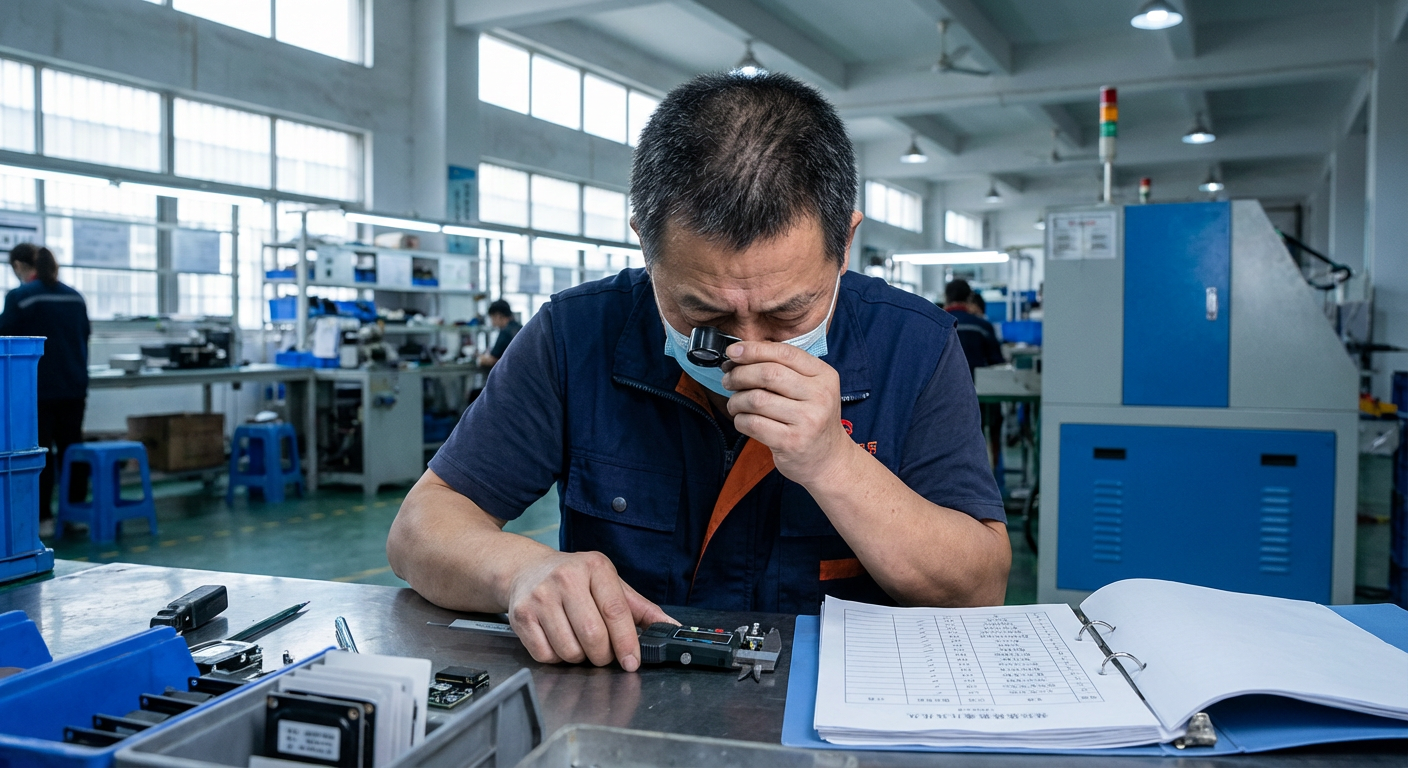
Quality Control in Manufacturing: Best Practices to Prevent Defects
Implement effective quality control measures from pre-production to final inspection. Learn how to prevent defects and ensure product quality.
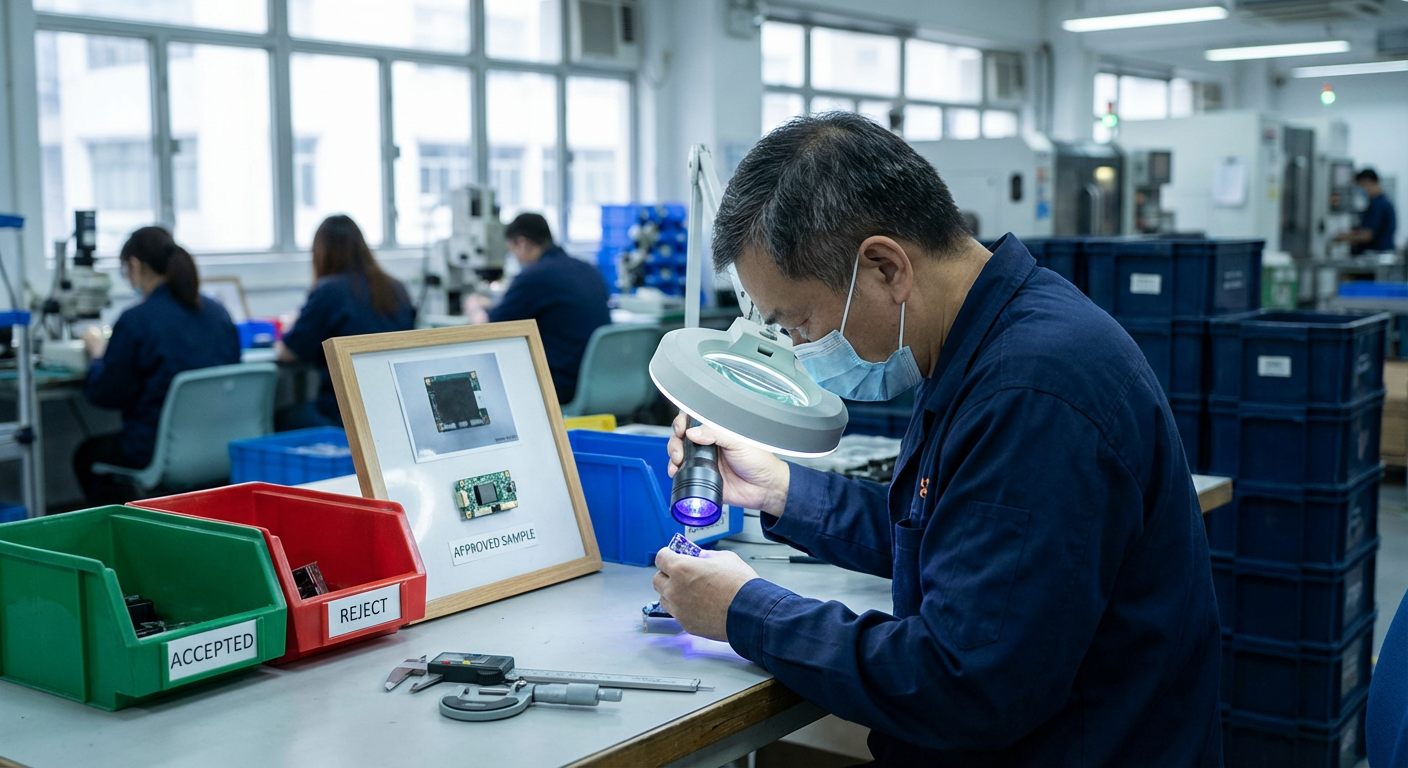
Common Manufacturing Defects: Identification and Prevention
A guide to the most common manufacturing defects in China. Learn to identify Critical, Major, and Minor defects and how to prevent them.

The Complete Guide to Sourcing Products from China in 2025
Master sourcing products from China with this comprehensive guide covering supplier selection, quality control, logistics, and common pitfalls.