Common Manufacturing Defects: Identification and Prevention
#Introduction
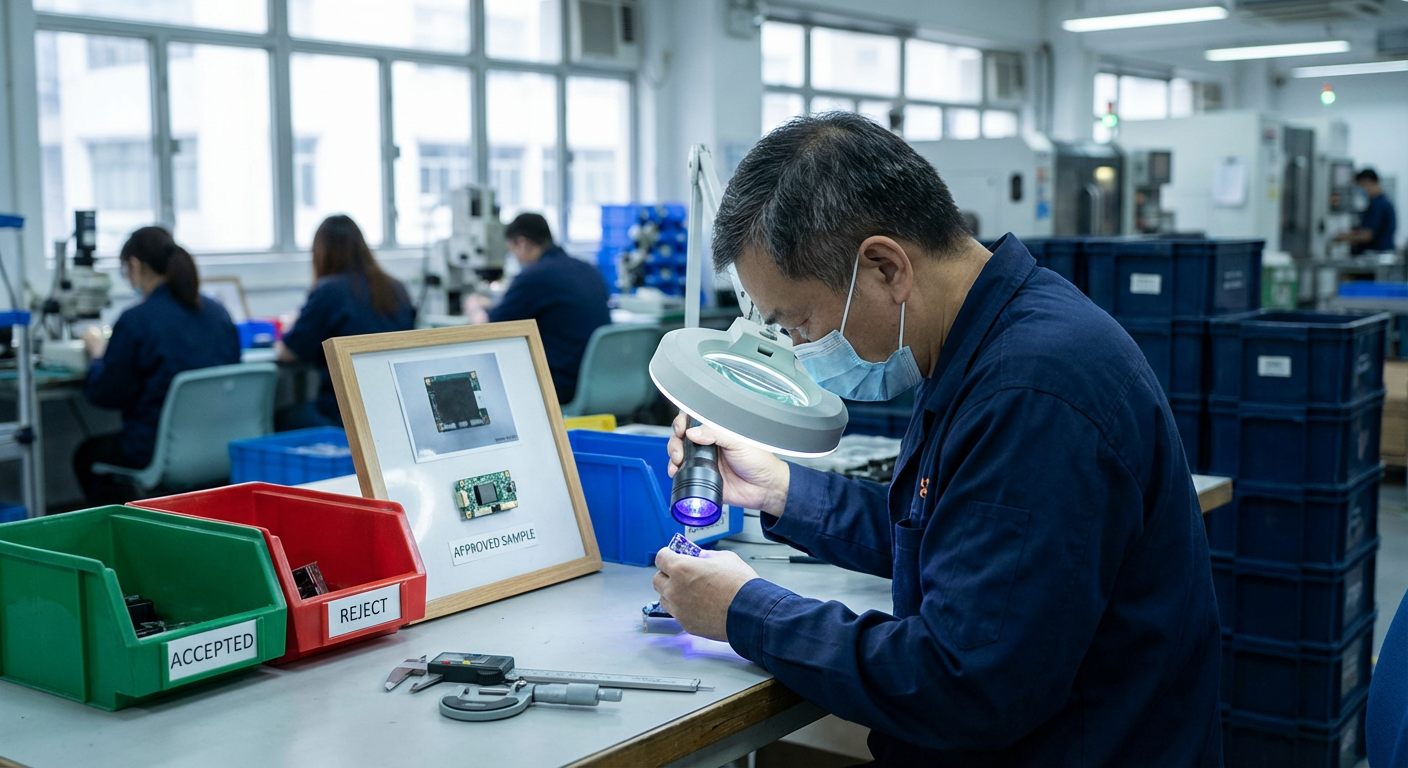
Zero defects is a myth. Every production run has variations. The goal of Quality Control is not perfection, but controlled imperfection.
Understanding defect types is critical for setting your Acceptable Quality Limit (AQL) and avoiding disputes with suppliers.
#Defect Classifications
Inspectors categorize defects into three severities:
#1. Critical Defects
Definition: Hazardous to the user or violates regulations. Tolerance: 0. Examples: Sharp edges on a toy, mold, live electrical wires.
#2. Major Defects
Definition: Affects functionality or saleability. Customer would return it. Tolerance: Typically 2.5%. Examples: Logo printed crooked, zipper stuck, wrong size.
#3. Minor Defects
Definition: Cosmetic flaw that doesn't affect function. Customer might not notice. Tolerance: Typically 4.0%. Examples: Small scratch, untrimmed thread, slight color deviation.
| Category | Electronics | Textiles | Furniture |
|---|---|---|---|
| Critical | Overheating battery | Needle left in garment | Unstable structure |
| Major | Won't power on | Hole or tear | Wrong dimensions |
| Minor | Scuff on case | Loose thread | Uneven varnish |
#Prevention Strategies
You can't inspect quality into a product. You must build it in.
Clear Specifications
Define 'perfect' and 'defective' with photos in your contract.
Golden Sample
Have a signed, physical reference sample at the factory.
DUPRO Inspection
Check quality when 20% is produced. Catch mistakes before they multiply.
The Golden Rule
Never say "Good Quality." It means nothing. Say "No scratches visible from 30cm distance."
#Common Defects by Industry
Need a QC Checklist?
Get expert guidance on your sourcing journey. Our team has helped over 200 companies successfully source products from Asia.
Contact Us#Injection Molding (Plastics)
- Flash: Excess plastic on edges.
- Sink Marks: Depressions in surface.
- Short Shot: Incomplete shape.
#Soft Goods (Textiles)
- Skipped Stitches: Weak seam.
- Color Shading: Variance between dye lots.
- Puckering: Uneven fabric near seams.
#How to Handle Defective Goods
If an inspection fails:
- Don't Ship: Do not authorize shipment.
- Ask for Rework: Factory must repair defects.
- Re-inspect: You pay for re-inspection (put this in contract).
- Destroy: If Critical defects, destroy goods to protect brand.
#Ready to Reduce Defects?
Defects are expensive. Inspections are cheap.
Professional Defect Removal
We implement robust QC protocols to keep your defect rate under 1%.
Contact UsRelated Resources:
Share this article
Tagged with:
Related Articles
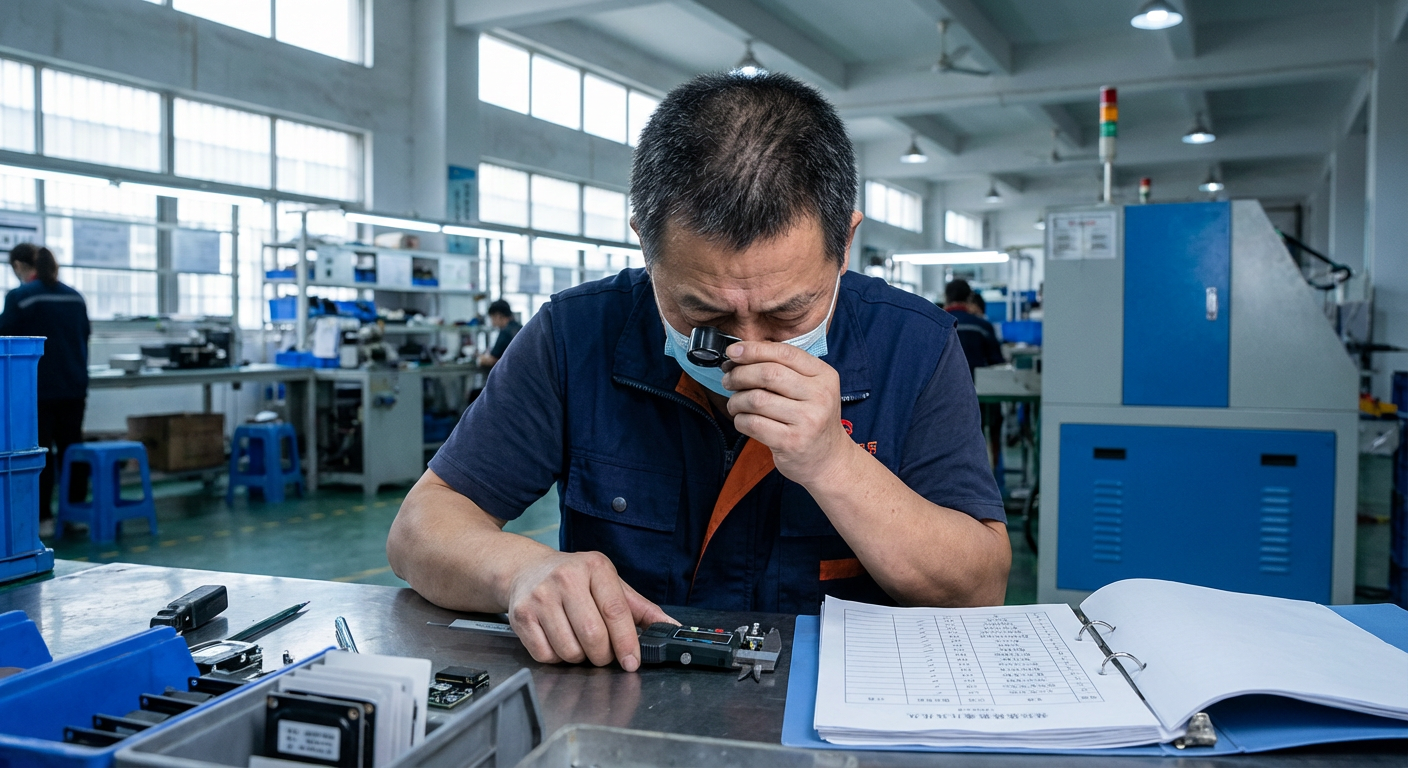
Quality Control in Manufacturing: Best Practices to Prevent Defects
Implement effective quality control measures from pre-production to final inspection. Learn how to prevent defects and ensure product quality.
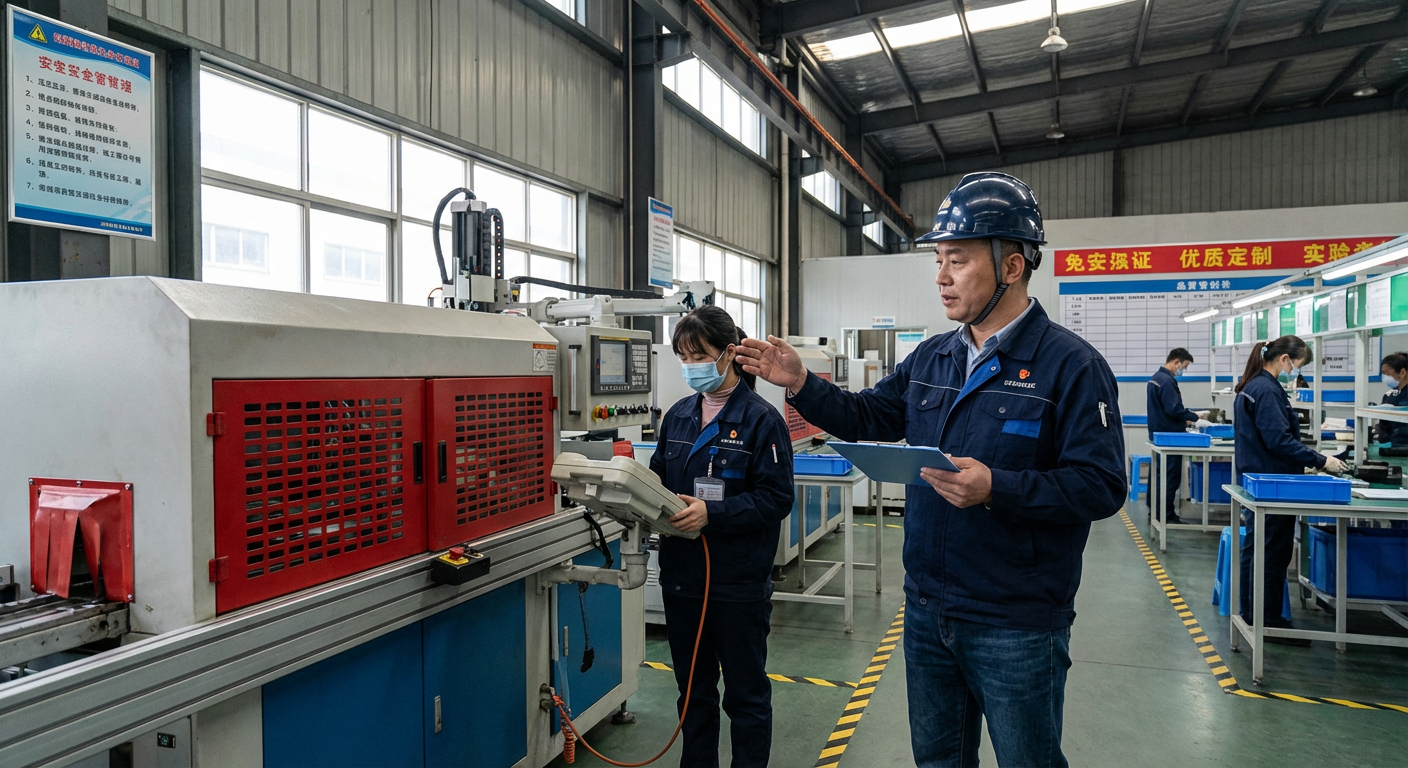
Factory Audit Checklist: What to Inspect Before Placing Your Order
Comprehensive factory audit checklist covering supplier reliability, production capacity, quality systems, and compliance verification protocols for importers.
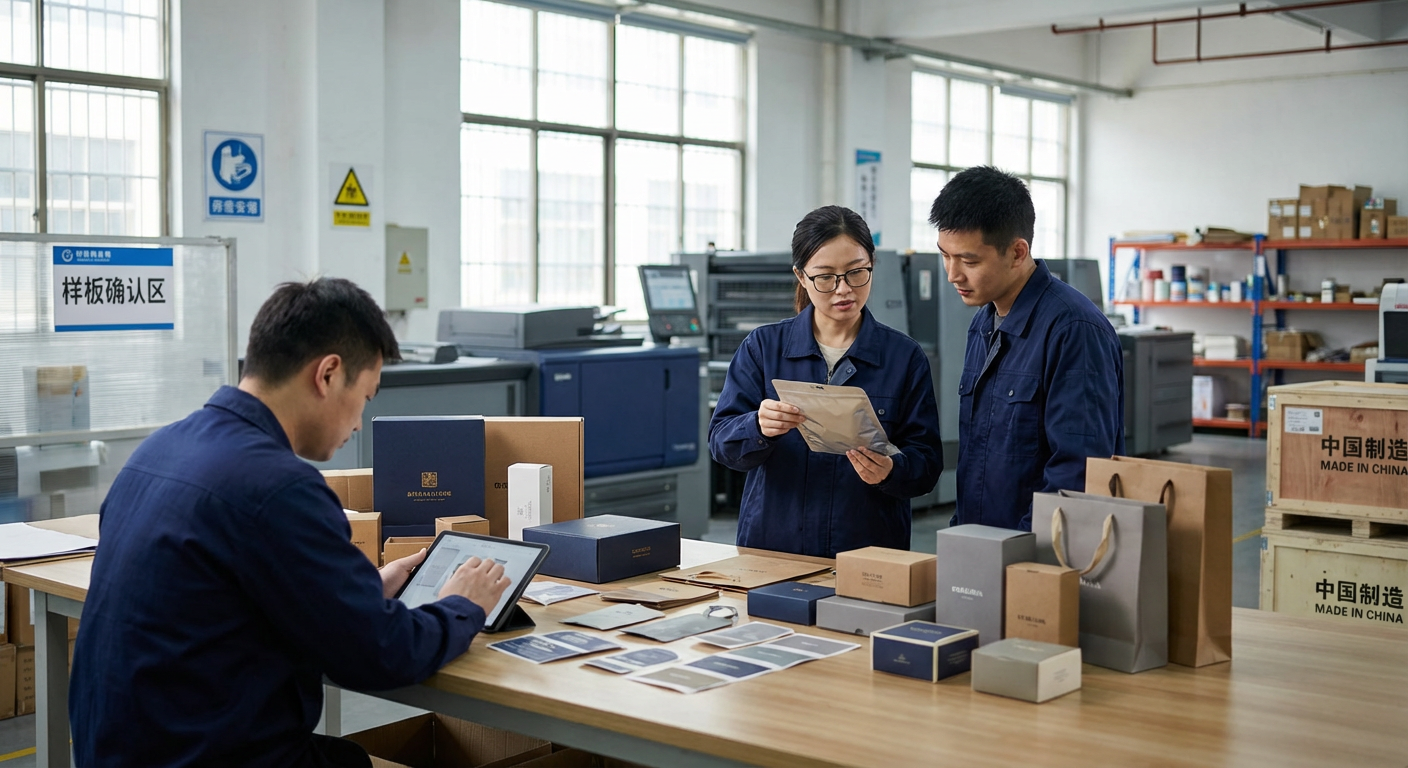
Private Label Manufacturing: A Complete Guide to Launching Your Brand
Learn how to build a profitable brand using private label manufacturing. A step-by-step guide to finding suppliers, customization, and launching products.