Private Label Manufacturing: A Complete Guide to Launching Your Brand
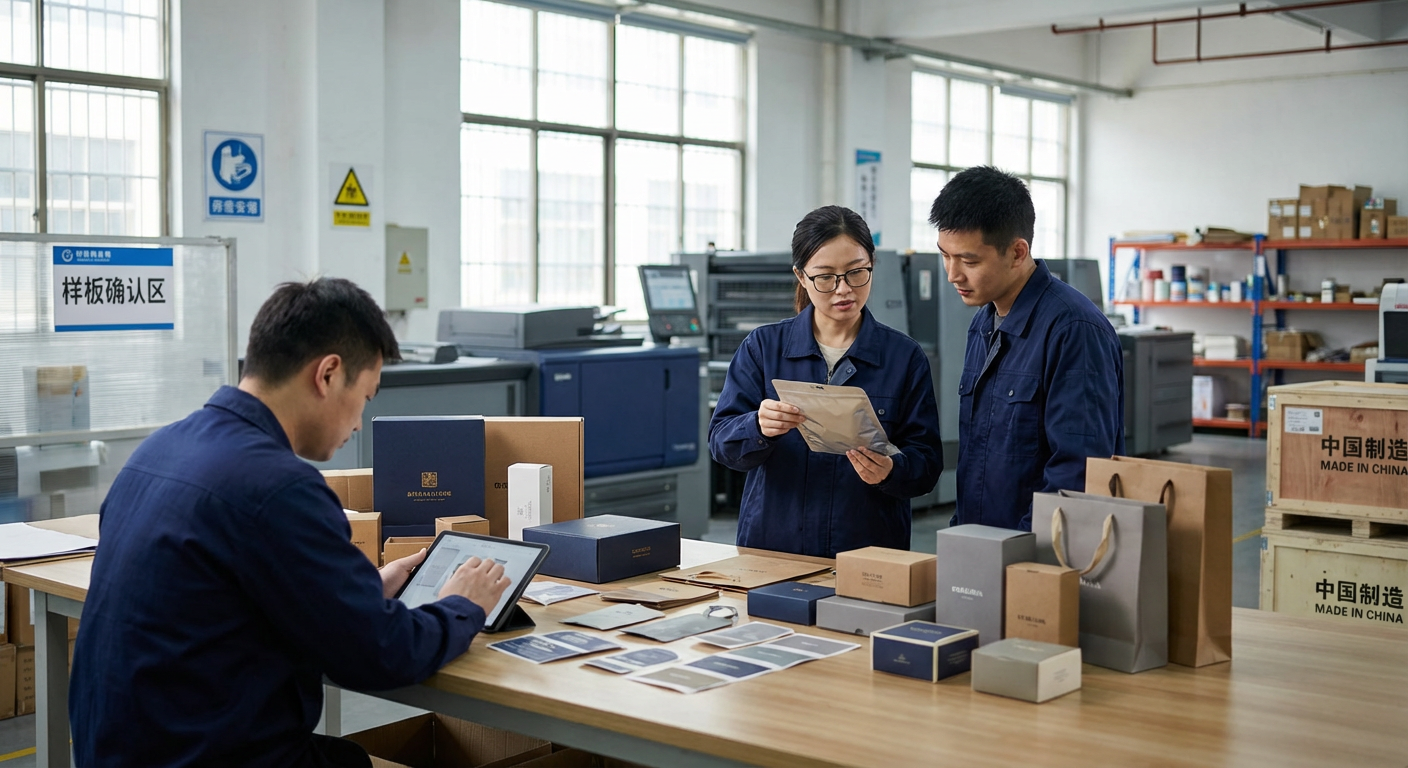
#Introduction
Want to launch a brand without building a factory or inventing a new product from scratch? Private Label Manufacturing is the answer.
It's the model behind millions of products on Amazon, Shopify stores, and even major retailer brands (like Costco's Kirkland Signature). You take an existing product manufactured by a third party and sell it under your own brand name.
This guide breaks down how private labeling works, how it differs from white labeling, and how to find the right manufacturing partner to launch your brand.
What is Private Label?
Private Label: A manufacturer produces goods for you to sell under your brand. You control the branding, packaging, and often minor specifications, but the core product design belongs to the manufacturer.
#Private Label vs. White Label vs. Custom Manufacturing
Understanding the difference is key to choosing the right model.
| Model | Customization | Speed to Market | Cost |
|---|---|---|---|
| White Label | Low (Logo only) | Fastest (Weeks) | Lowest |
| Private Label | Medium (Colors, Materials, Packaging) | Fast (Months) | Medium |
| Custom (OEM) | High (New Design) | Slow (6-12 Months) | Highest |
Choose Private Label If:
- You want to build a unique brand identity.
- You want to differentiate from generic competitors.
- You don't have the budget for full custom R&D.
#Advantages of Private Labeling
Private Label Model
Advantages
- Higher profit margins vs. reselling brands
- Brand ownership and loyalty
- Control over pricing and marketing
- No manufacturing equipment needed
- Faster launch than custom products
Disadvantages
- Minimum Order Quantities (MOQs)
- Responsibility for marketing/sales
- Competition selling similar base products
- Inventory risk
#How to Launch a Private Label Product (Step-by-Step)
Product Research
Identify high-demand, low-competition niches using tools like Jungle Scout or Helium 10. Look for products you can improve.
Differentiation Strategy
Don't just copy. Improve the product through better materials, colors, packaging, or bundling with accessories.
Find a Supplier
Search Alibaba or Global Sources, but be aware these are marketing platforms. For the best quality, use a sourcing agent to find manufacturers who don't advertise publicly.
Sample & Validate
Order samples from 3-5 suppliers. Test quality rigorously. Never skip this step.
Branding & Packaging
Design your logo and packaging. This is your primary differentiator. Make it look premium.
Place Order & Inspection
Negotiate terms, place your order, and hire a third-party inspector before shipment.
Launch
List on your sales channel (Amazon, Shopify) and start marketing.
Ready to Start Sourcing?
Get expert guidance on your sourcing journey. Our team has helped over 200 companies successfully source products from Asia.
Contact Us#Finding the Right Private Label Manufacturer
Finding a factory that produces for major brands is the "holy grail" of private labeling. They have the quality systems in place.
Where to look:
- Alibaba: Filter for "Gold Supplier" and "Trade Assurance" (but remember, top spots are paid).
- Global Sources: Good for verified manufacturers.
- Sourcing Partners: To access factories that don't list publicly to avoid copycats.
- Trade Shows: Canton Fair, ASD Market Week.
Key Questions to Ask:
- "Do you offer private labeling?"
- "What is the MOQ for custom packaging?"
- "Can you change [Specific Feature]?"
- "Do you produce for any Western brands?" (They might not say names, but can show samples).
#The Economics of Private Label
Example Calculation:
- Unit Cost (FOB): $4.00
- Shipping & Duty: $1.50
- Landed Cost: $5.50
- Marketing/Fees: $6.50
- Total Cost: $12.00
- Selling Price: $24.99
- Profit: $12.99 (52% Margin)
Pro Tip
Don't compete on price. Compete on value. A private label brand succeeds by offering a better experience, better support, or a better "vibe" than the generic options.
#5 Ways to Differentiate Your Private Label Product
Since the base product is shared, how do you stand out?
- Better Packaging: Create an "unboxing experience."
- Bundling: Sell a yoga mat with a carrying strap.
- Instructions: Provide a high-quality, native English manual or video guide.
- Design/Color: Order a unique Pantone color that no one else has.
- Customer Support: Offer a warranty and responsive support.
#Common Pitfalls to Avoid
Private Label Risks Checklist
- Competing with the manufacturer (if they sell retail)
- Underestimating marketing costs
- Choosing a product with high liability (electronics, topicals)
- Ordering too much inventory initially
- Ignoring IP issues (check for existing patents)
- Poor quality control (always inspect!)
#Ready to Build Your Brand?
Private labeling is one of the most accessible paths to building a real business asset. By partnering with the right manufacturer, you can create a product line that customers love without the risks of R&D.
Find Verified Manufacturers
Stop guessing. Let us connect you with pre-vetted private label manufacturers for your specific product category.
Contact UsRelated Resources:
Share this article
Tagged with:
Related Articles
Product Packaging Design: Protection, Branding, and Cost
A complete guide to manufacturing product packaging. Learn how to balance protection, branding, and shipping costs for retail and ecommerce success.
OEM vs ODM Manufacturing: Which Model Is Right for Your Business?
Understand the key differences between OEM and ODM manufacturing to make the right choice for your product development needs, budget, and timeline.
Product Development: From Prototype to Mass Production
A step-by-step guide to developing a new product in China. Learn about prototyping, tooling, and the transition to mass production.