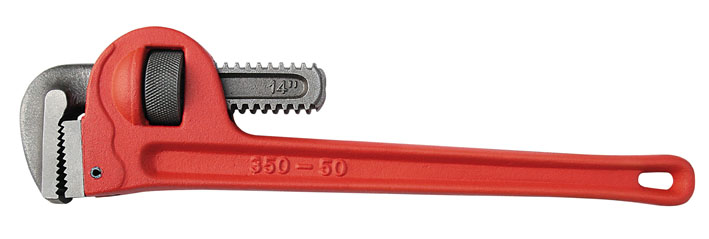
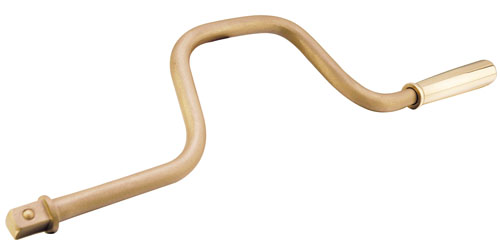
Wrenches
Source high-quality wrenches from vetted suppliers and manufacturers across Asia. Designed for importers, wholesalers, distributors, and hardware brands seeking reliable OEM and private-label production, our network delivers bulk hand tools that meet rigorous torque and hardness standards at competitive wholesale prices.
Sourcing wrenches at scale requires balancing unit cost with strict metallurgical and dimensional tolerances. Whether you are importing standard open-end models or developing specialized ratcheting mechanisms, the core challenge lies in verifying that a factory's forging processes and heat treatments consistently yield tools that meet professional torque and hardness specifications.
When buying in bulk, assuming all drop-forged steel is equal is a costly mistake. Factory capabilities vary wildly, and poor heat treatment or imprecise broaching will lead to rounded fasteners, shattered tools, and damaged brand reputation.
The Metallurgical Baseline
The steel alloy chosen dictates the tool's maximum torque capacity, fatigue life, and price point. Most manufacturers offer a tiered approach based on your target market.
| Material | Primary Use Case | Hardness (Typical) | Cost Profile |
|---|---|---|---|
| Carbon Steel (45#) | DIY / Promotional kits | HRC 38-42 | Low |
| Chrome Vanadium (Cr-V) | Professional / Automotive | HRC 42-50 | Medium |
| Chrome Molybdenum (Cr-Mo) | Impact applications / Heavy industrial | HRC 44-52 | High |
For professional-grade hand tools, Chrome Vanadium (specifically 6140 or 50BV30) is the industry standard. It offers the optimal balance of hardness and toughness, preventing the wrench from snapping under high torque while resisting deformation.
Ensure your wrench manufacturer has the metallurgical expertise and testing infrastructure to meet your target specifications.
Talk to our teamManufacturing Tolerances and Surface Treatments
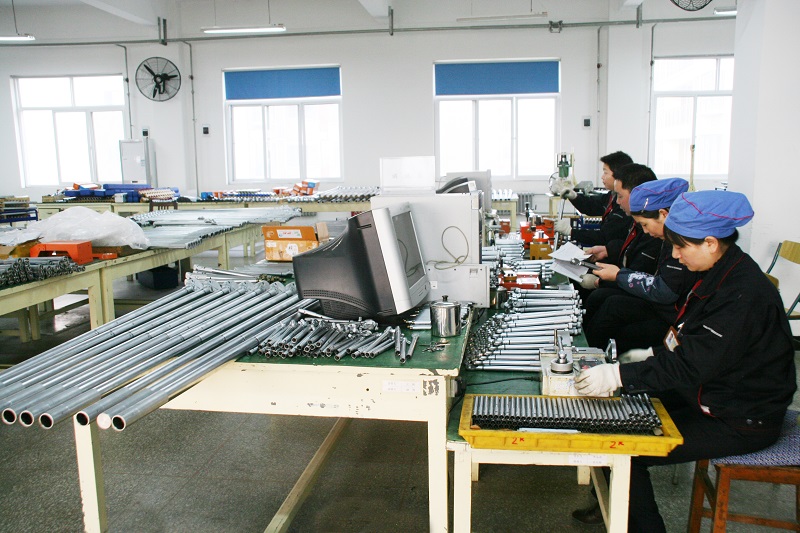
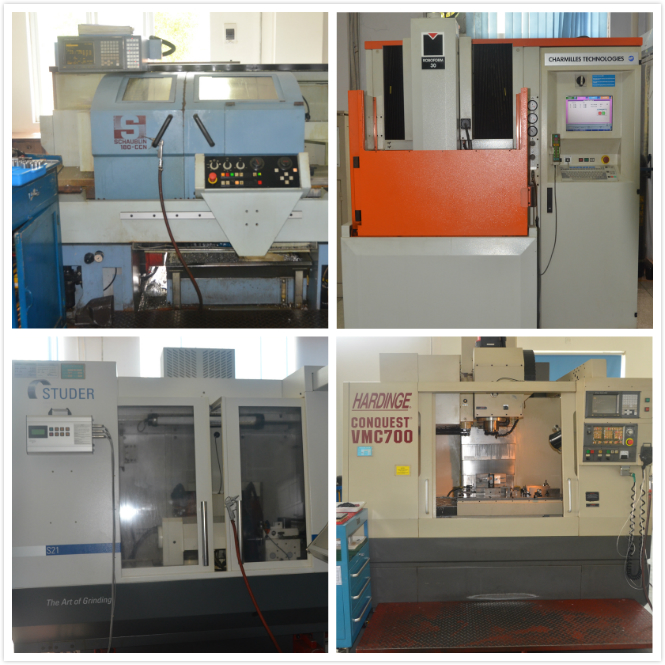
The manufacturing process for a high-quality wrench involves hot drop forging, precision machining (broaching), heat treatment, polishing, and plating. Each step introduces potential failure points if not strictly controlled.
Precision Broaching
The open and box ends of the wrench are machined using a broach. If the factory's tooling is worn, the dimensional tolerances of the jaw will drift. A wrench that is even a fraction of a millimeter too wide will round off nuts and bolts. Professional standards (like DIN 3113 or ASME B107.100) dictate exact dimensional tolerances for every metric and SAE size.
Heat Treatment Consistency
Proper heat treatment requires precise temperature control and quenching processes. Inconsistent heat treatment results in tools that are either too brittle (prone to snapping) or too soft (prone to rounding). Validating a factory's continuous mesh-belt furnace setup is a critical part of comprehensive factory audits before establishing a supply chain.
Plating and Corrosion Resistance
Surface finish is not just aesthetic; it prevents rust. The standard finish is a nickel-chrome plating.
Critical Plating Checks
- Verify the presence of a copper understrike (improves adhesion of the nickel layer).
- Request salt spray test reports (typically 48 to 72 hours without red rust for professional tools).
- Check for plating buildup in the box-end grooves, which can alter the dimensional tolerance.
- Inspect for peeling or flaking, indicating poor pre-plating acid washing.
Sourcing Economics: MOQs, Pricing, and Customization
When sourcing directly from manufacturers, economies of scale dictate the terms. If you are pursuing private-label branding, OEM/ODM services allow for custom forging dies with your logo stamped directly into the steel in relief, rather than just laser-etched on the surface.
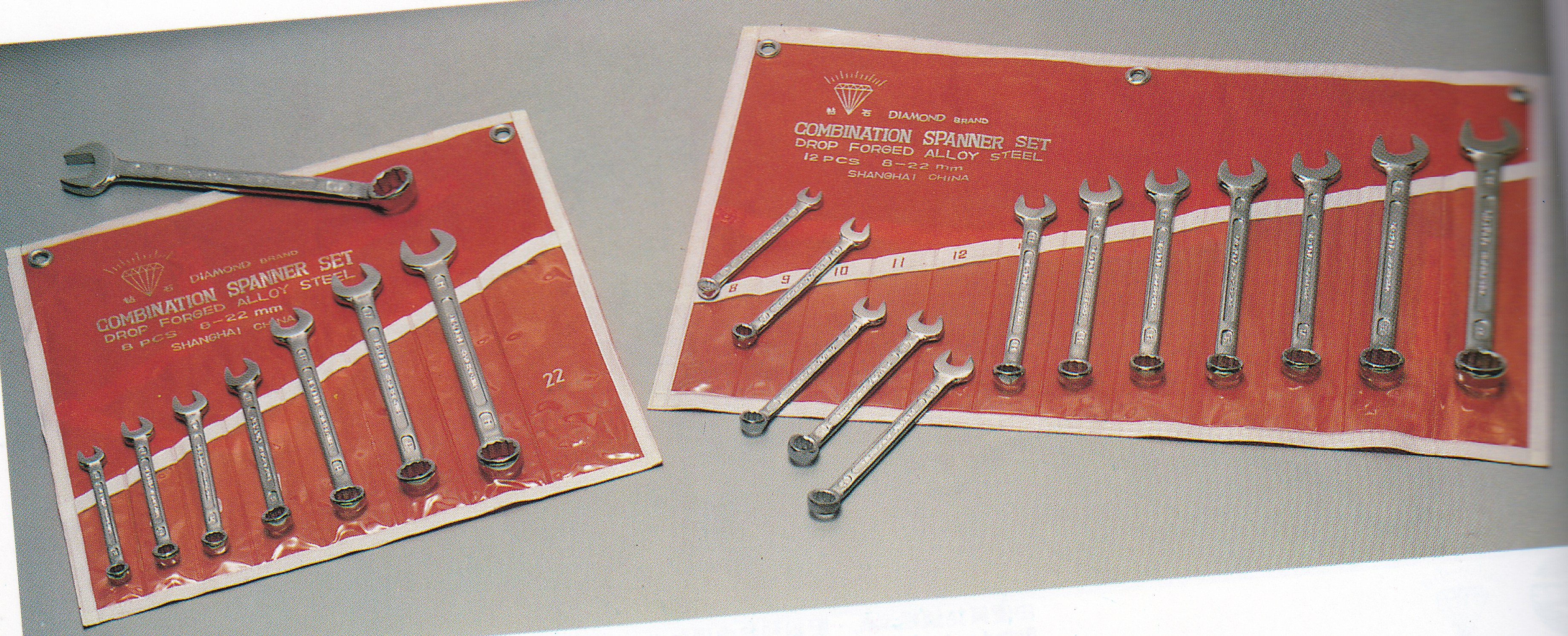
Keep in mind that while individual wrench MOQs hover around 2,000 pieces, sourcing complete wrench sets (e.g., a 12-piece roll-up pouch) can often be negotiated at lower set-based MOQs, as long as the total volume justifies the production run.
Streamline your hand tool sourcing, negotiate better MOQs, and secure reliable production timelines with vetted forging facilities.
Get a free consultationQuality Control and Pre-Shipment Verification
Relying entirely on a factory's internal QC is risky. Independent quality control & inspection should be implemented before the goods are containerized.
Key pre-shipment checks must include:
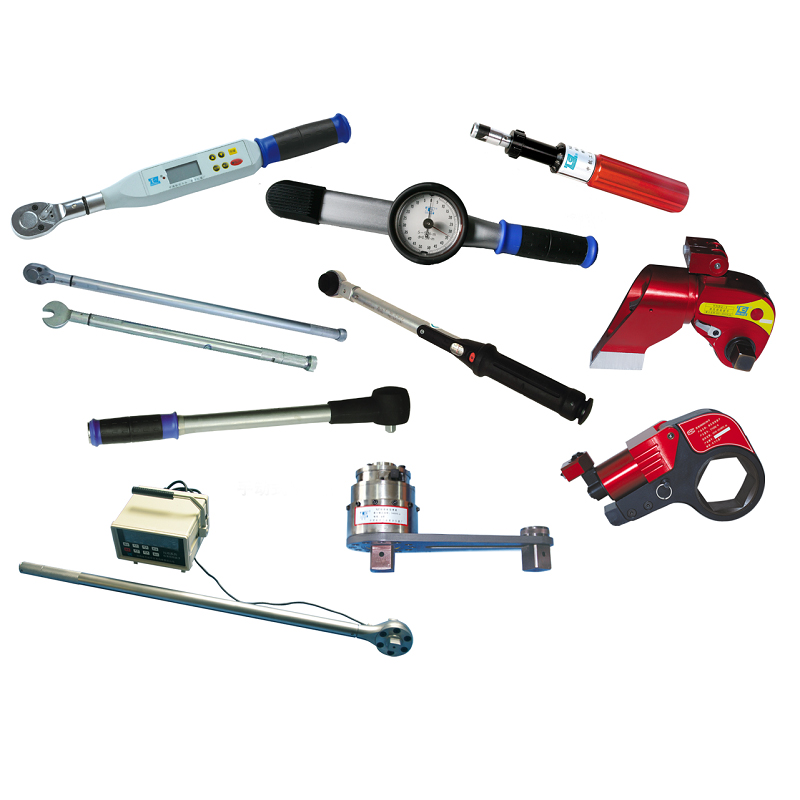
- Torque Testing: Applying maximum rated torque on a specialized testing rig to ensure the wrench neither breaks nor permanently deforms.
- Hardness Testing: Using a Rockwell hardness tester at multiple points (jaw, handle, box end) to verify uniform HRC ratings.
- Go/No-Go Gauge Testing: Ensuring the jaw and box end dimensions strictly adhere to ASME or DIN standards.
Finding a factory that can forge steel is easy; finding a manufacturing partner that consistently maintains metallurgical integrity, dimensional accuracy, and flawless plating across high-volume runs is the real challenge. Partnering with experienced sourcing professionals ensures your supply chain is built on verified capabilities, not just sales promises.
Get Sourcing Help for Wrenches
Tell us your requirements and our experts will connect you with verified manufacturers.