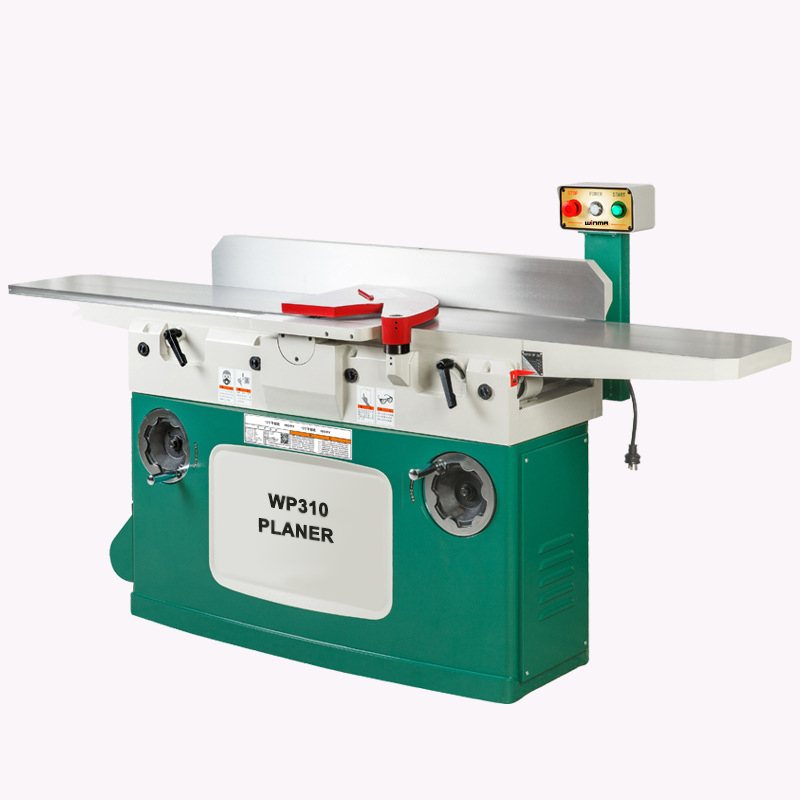
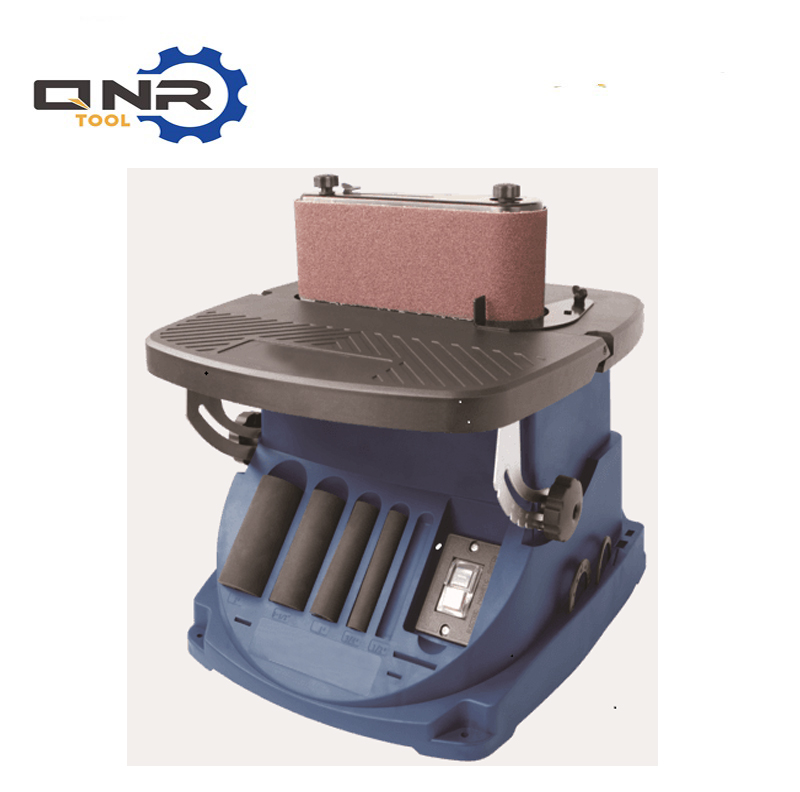
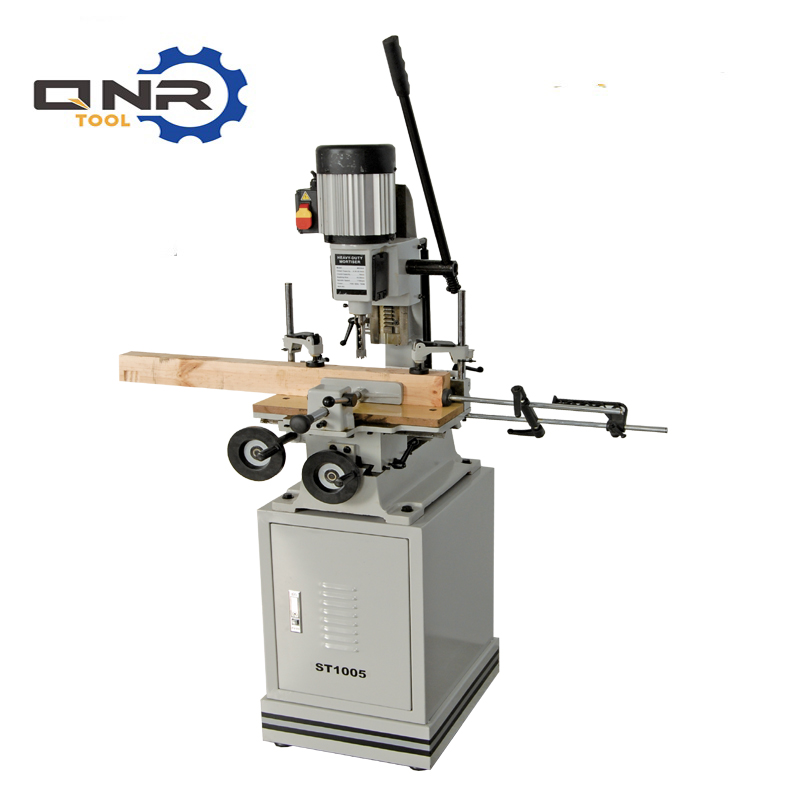
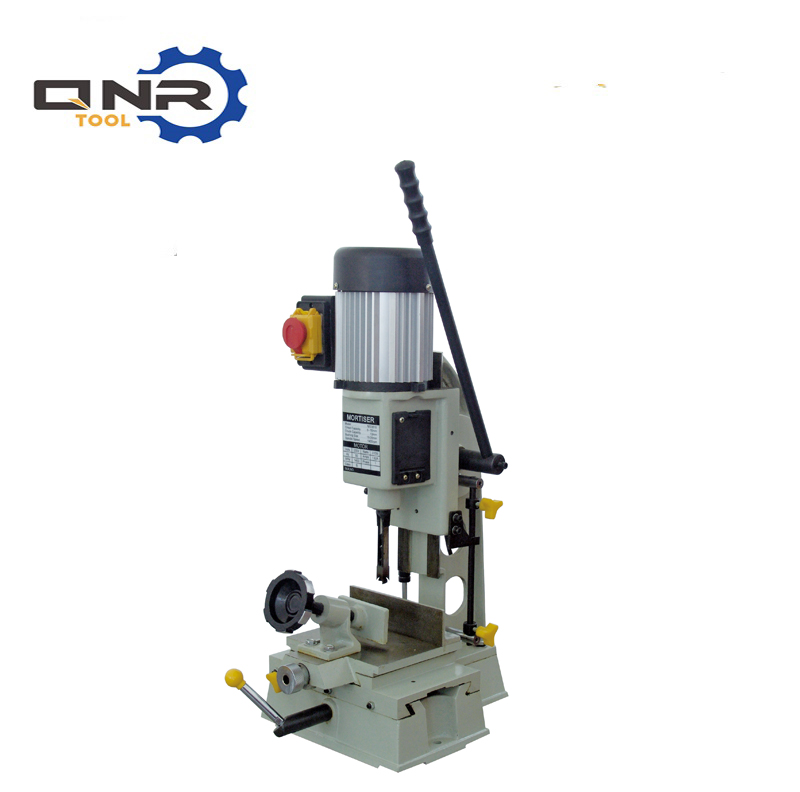
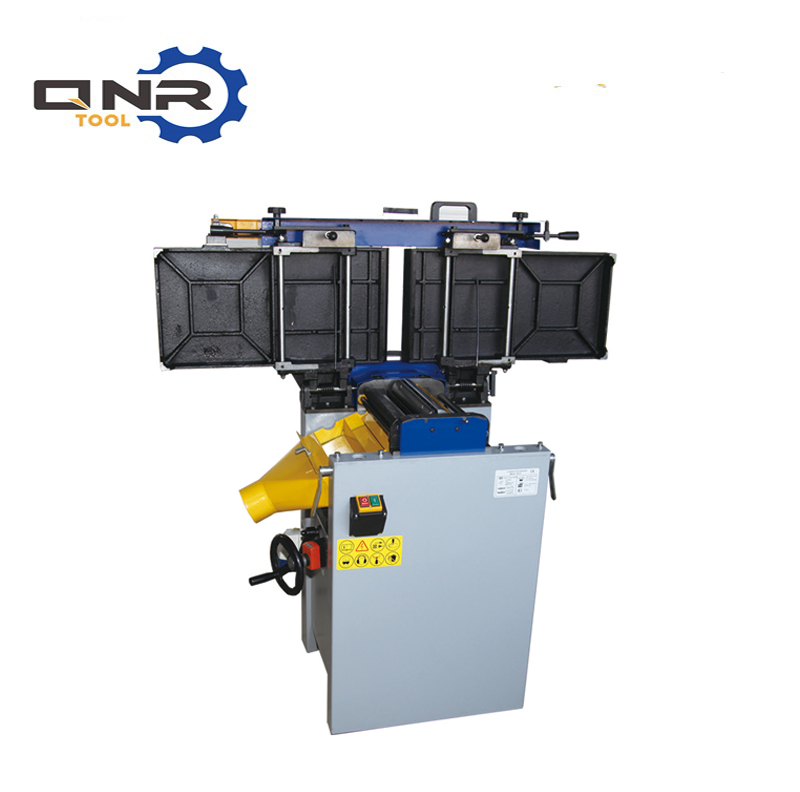
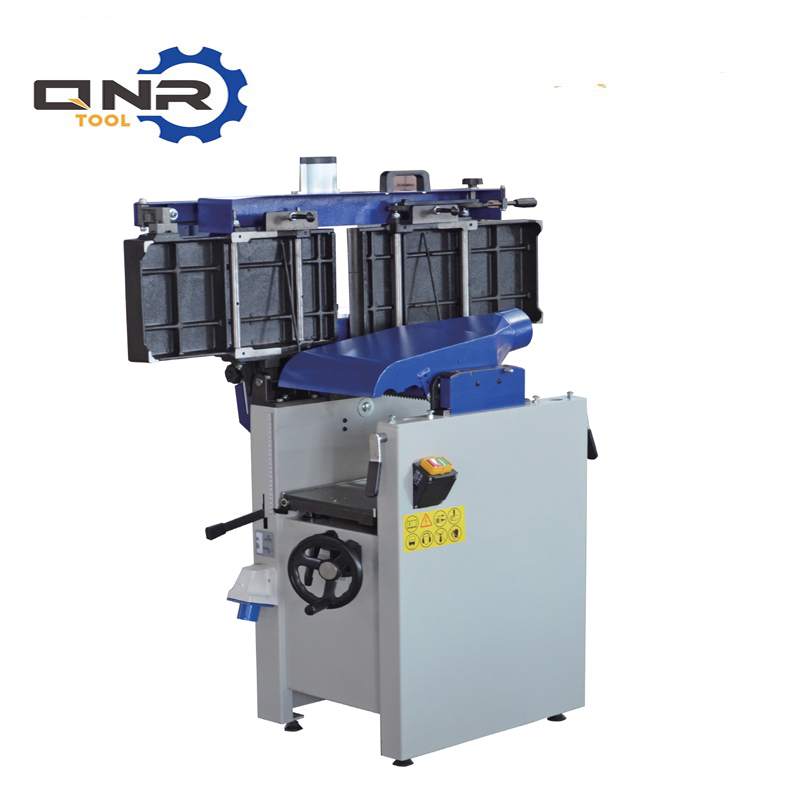
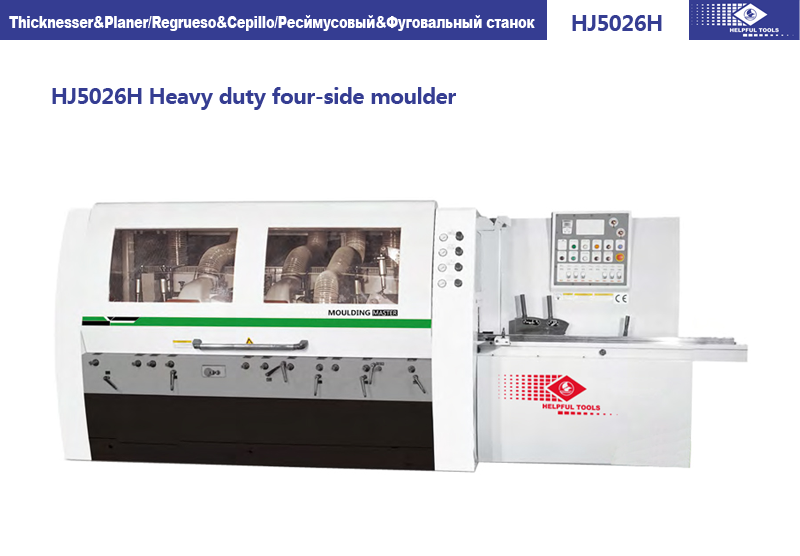
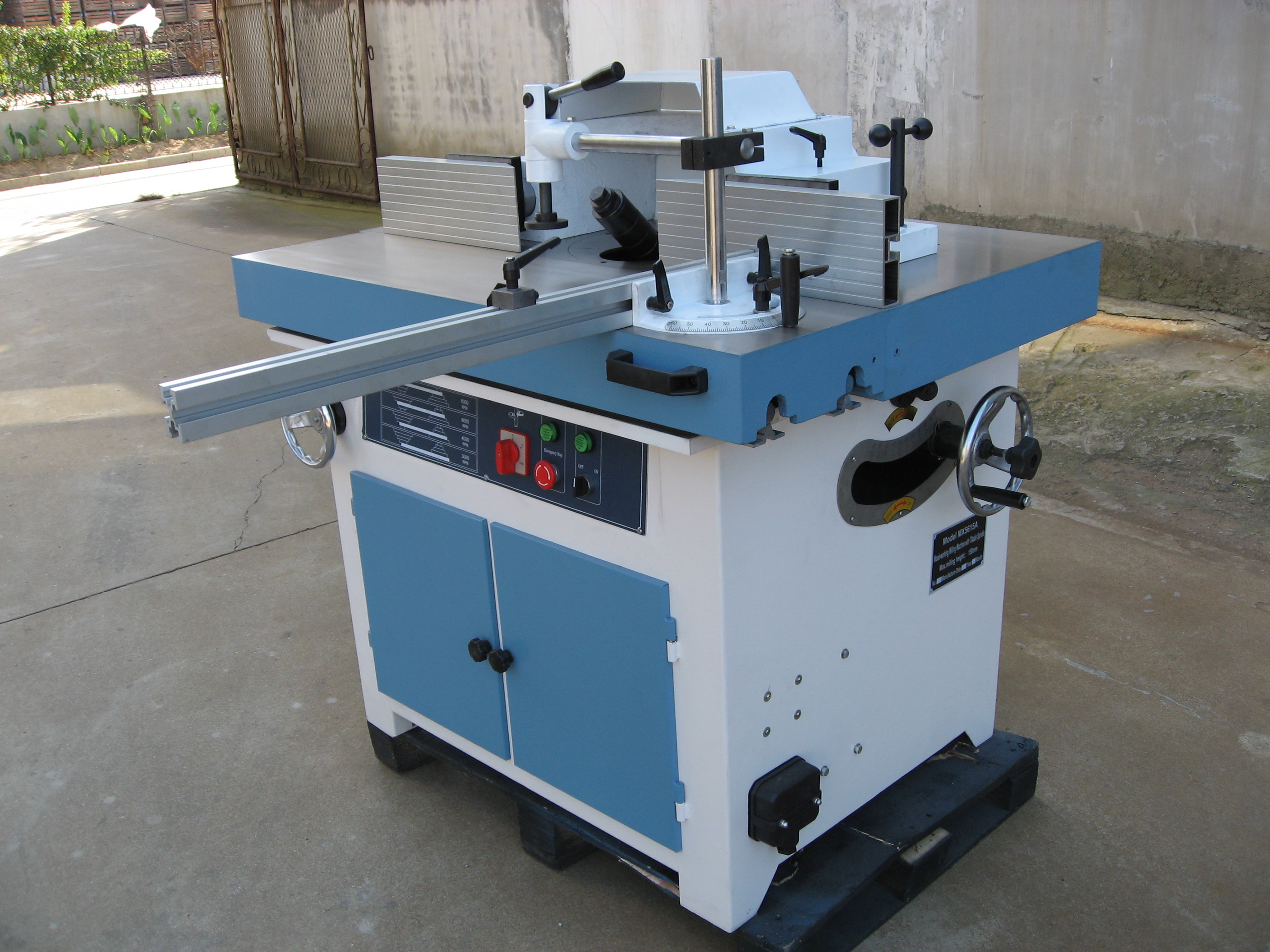
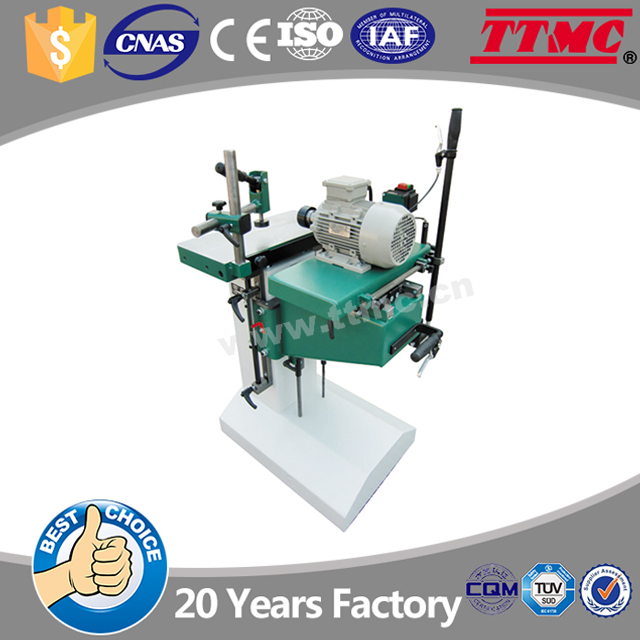
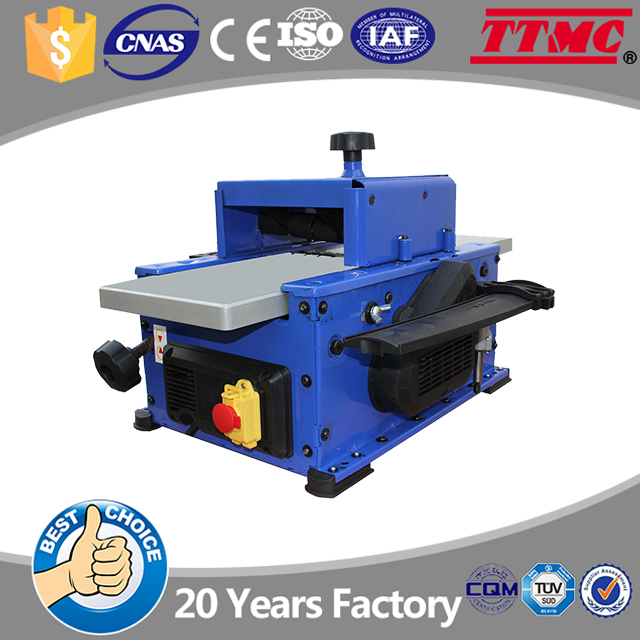
Wood Processing Planing, Milling or Moulding Machines
Source industrial wood processing planing, milling, or moulding machines directly from vetted manufacturers and wholesale suppliers. Designed for importers, distributors, and brands seeking OEM production, our network delivers reliable, high-precision woodworking machinery built to your exact specifications.
Sourcing industrial woodworking machinery—whether heavy-duty four-side moulders, precision surface planers, or CNC milling centers—requires strict attention to component quality and assembly precision. A machine's ability to hold tight tolerances over thousands of board feet depends heavily on spindle runout, motor durability, and frame rigidity. Identifying manufacturers capable of consistent, export-grade quality is the primary challenge for volume buyers.
Core Specifications and Component Selection
When evaluating suppliers for planing, milling, or moulding equipment, the bill of materials (BOM) dictates both performance and lifespan. Minor downgrades in internal components can lead to vibration, poor surface finish on the wood, and premature bearing failure.
Critical Components to Specify
- Spindles and Bearings: Specify high-speed precision bearings (often SKF, NSK, or FAG) to ensure spindle runout remains under 0.01mm.
- Motor Configuration: Independent motors for each spindle offer better power delivery and reliability compared to shared-drive systems.
- Frame Construction: Heavy-duty cast iron or stress-relieved welded steel beds are mandatory to dampen vibration during high-speed milling.
- Feed Systems: Variable Frequency Drives (VFDs) allow for stepless feed speeds, crucial for handling different wood species and moisture contents.
- Electrical Components: Ensure contactors, relays, and PLCs are sourced from recognized brands (e.g., Siemens, Schneider, Omron) to guarantee international compliance.
Ensure your woodworking machinery meets exact operational tolerances before leaving the factory.
Talk to our teamFactory Assembly and Quality Verification
The difference between a mid-tier supplier and a top-tier manufacturer often lies in their assembly and testing protocols. Assessing a supplier's internal capabilities through comprehensive factory audits is essential. You need to verify that they possess the necessary heavy-duty CNC machining centers to mill their own machine beds accurately.
Once production is complete, rigorous quality control and pre-shipment inspections must go beyond visual checks.
Dynamic Balancing
All high-speed rotating parts, especially cutter heads and spindles, must undergo dynamic balancing to prevent harmonic vibration.
Run-off Testing
The machine should be run under load using actual timber to verify feed consistency, cutting depth accuracy, and surface finish quality.
Electrical and Safety Verification
Testing emergency stops, interlocks, and ensuring wiring meets the destination market's standards (CE, UL, or CSA).
MOQs, Pricing Drivers, and Lead Times
Unlike consumer goods, industrial woodworking machines are capital equipment. Minimum Order Quantities (MOQs) are inherently low, but lead times reflect the complexity of assembly and testing.
Pricing is highly elastic based on working width (e.g., 150mm vs. 300mm moulders), the number of spindles, and automation features (manual adjustment vs. CNC positioning).
Additionally, logistics play a massive role in landed costs. Planers and moulders are heavy, dense cargo. Proper anti-rust packaging, secure crating, and efficient container loading require specialized shipping and freight coordination to prevent transit damage and optimize freight spend.
Optimize your machinery sourcing, quality control, and heavy freight strategy.
Get a free consultationFrequently Asked Questions
Sourcing industrial woodworking machinery requires balancing upfront costs with long-term reliability. By mandating strict component specifications, enforcing rigorous run-off testing, and managing the logistics of heavy freight, you can secure machinery that performs reliably on the factory floor for years.
Get Sourcing Help for Wood Processing Planing, Milling or Moulding Machines
Tell us your requirements and our experts will connect you with verified manufacturers.