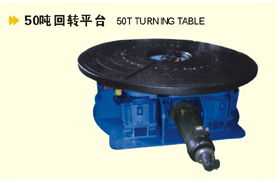
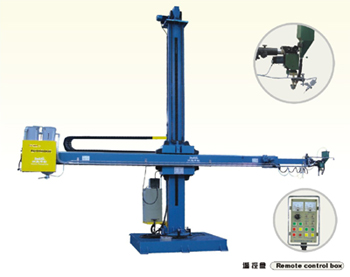
Welding Positioners
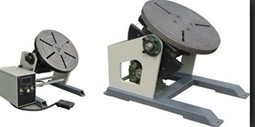
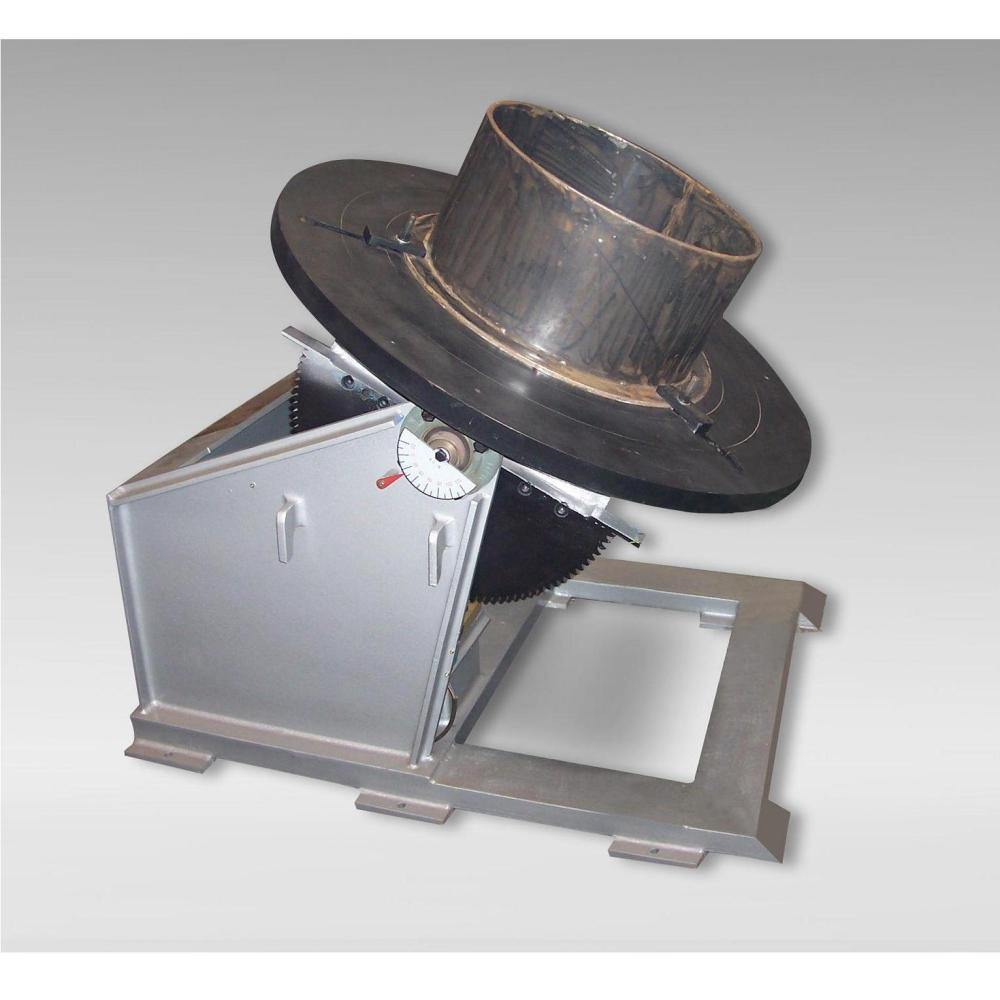
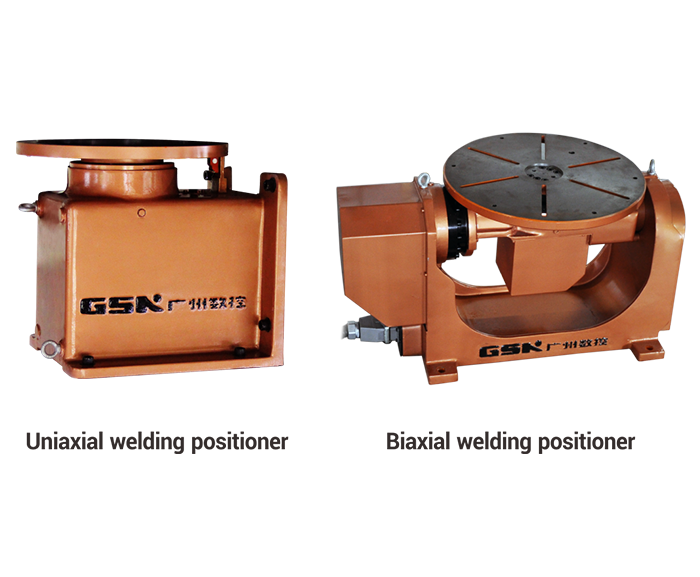
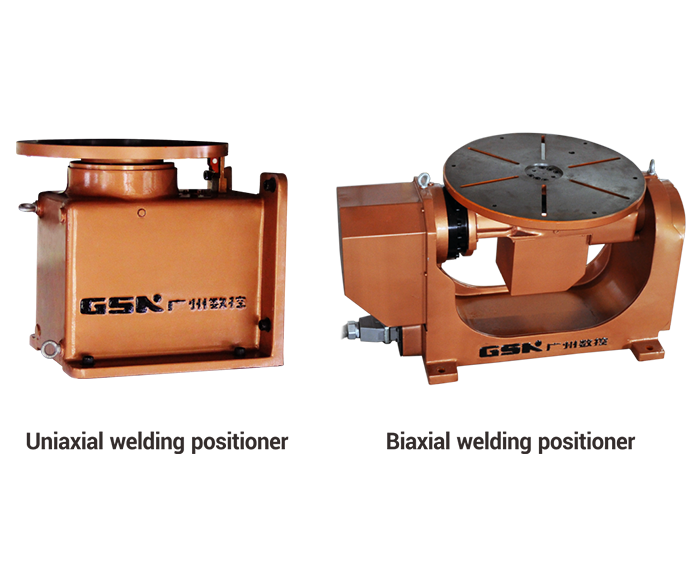
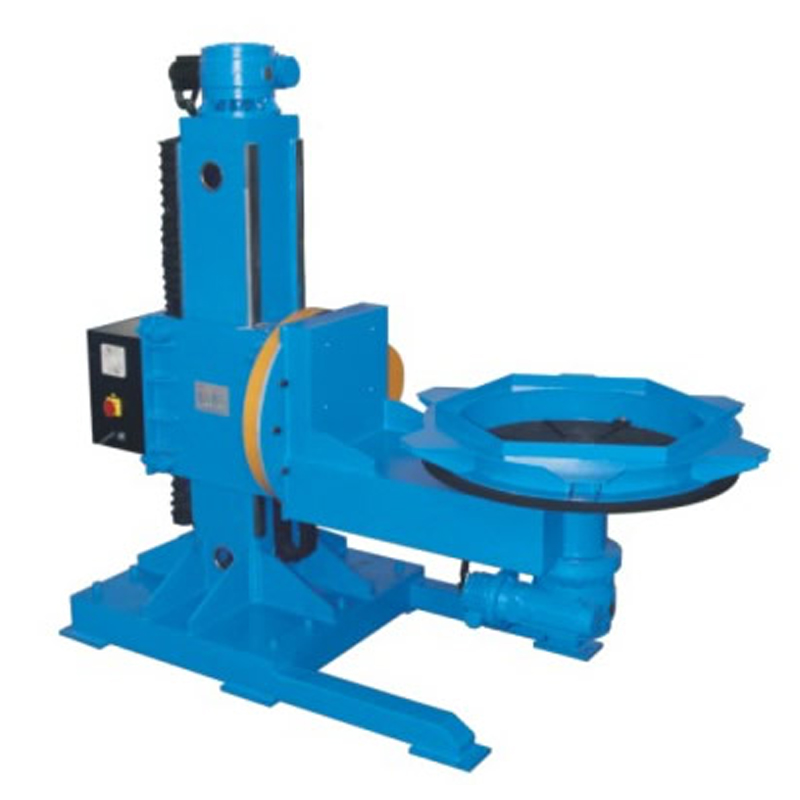
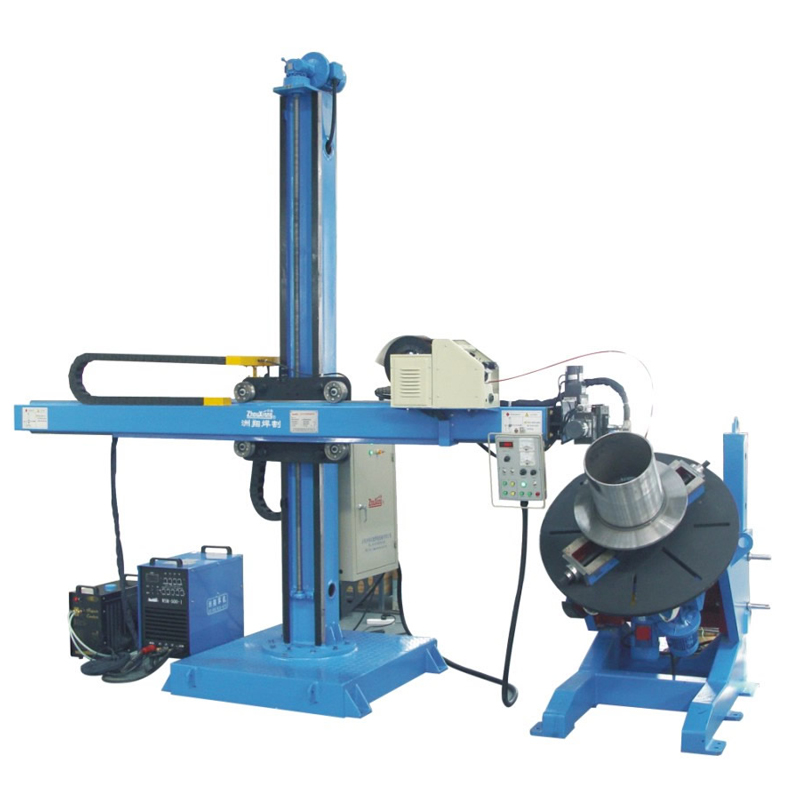
Source commercial-grade welding positioners directly from vetted manufacturers and wholesale suppliers. Built for distributors, importers, and industrial brands seeking OEM production, our network delivers heavy-duty rotary tables and tilting positioners engineered for precision, high load capacity, and rigorous daily use.
Sourcing welding positioners in volume requires navigating a manufacturing landscape where specification sheets often overstate actual capabilities. The difference between a positioner that delivers a decade of reliable service and one that suffers premature bearing failure comes down to structural rigidity, drive system quality, and critical electrical safeguards. For importers and distributors, verifying these engineering details at the factory level is essential to protecting your margins and your brand's reputation.
Critical Specifications for Bulk Orders
When negotiating with manufacturers, relying solely on a stated "load capacity" is a common trap. A machine rated for 1,000 kg horizontally may only safely handle 400 kg when tilted to 90 degrees, depending on the workpiece's center of gravity (CG) and eccentricity.
To ensure you are comparing apples to apples across different suppliers, you must define the following parameters in your RFQ:
Key RFQ Parameters for Welding Positioners
- Maximum load capacity at horizontal (0 degrees) and vertical (90 degrees) tilt
- Permissible eccentricity and center of gravity (CG) distance from the table center
- Rotary grounding capacity (Amperage rating) to prevent welding current from passing through bearings
- Rotation speed range (RPM) and torque requirements at lowest speeds
- Drive type (AC motor with VFD, stepper, or servo motor) and preferred component brands
- Table diameter and presence of standardized T-slots or pilot holes for chuck mounting
Struggling to verify if a factory's engineering team actually understands dynamic load ratings? We can evaluate supplier technical competence before you place an order.
Talk to our teamManufacturing Quality and Common Defects
The primary failure point in subpar welding positioners is the rotary grounding system. If the grounding brush or copper contact is insufficient for the welding current, the arc will ground through the machine's slewing bearings. This causes micro-arcing that pits the bearing races, leading to rough rotation and eventual catastrophic failure.
Verifying the quality of these internal components often requires thorough factory audits to inspect the assembly process before the casing is sealed and painted.
| Component | Standard / Budget Build | Industrial / Premium Build |
|---|---|---|
| Drive System | Standard AC motor with basic gear reduction | Servo motor or AC with high-end VFD for precise low-speed torque |
| Bearings | Standard ball bearings (prone to load deformation) | Heavy-duty slewing ring bearings with enclosed gear teeth |
| Rotary Grounding | Single light-duty brass brush (under 300A) | Dual heavy-duty copper alloy contacts (600A to 1200A+) |
| Structural Frame | Welded thin-gauge steel, prone to flex under load | Heavy steel plate, stress-relieved prior to machining |
Implementing rigorous quality control & inspection protocols is vital. Pre-shipment inspections must include dynamic load testing at maximum tilt and verification of VFD parameter settings to ensure smooth, judder-free rotation at the lowest specified speeds.
OEM Customization and Private Labeling
For brands looking to establish their own line of welding equipment, Chinese manufacturers offer extensive OEM/ODM services. Customization goes well beyond paint color and logo placement. Buyers can specify the integration of specific PLC brands (like Siemens or Allen-Bradley) to match regional market preferences, custom table designs for specialized pipe or flange welding, and specific foot-pedal configurations.
Standardizing Components
If you are importing for distribution in North America or Europe, specify universally available VFDs and contactors (e.g., Schneider, Omron, or Yaskawa). This drastically reduces warranty friction, as your end-users can source replacement electronics locally without waiting for proprietary boards to ship from Asia.
Pricing, MOQs, and Lead Times
Because welding positioners are capital equipment, the sourcing mechanics differ significantly from consumer goods. Minimum Order Quantities (MOQs) are generally low, but freight consolidation becomes the primary cost driver.
Because these machines are heavy and bulky, efficient shipping & freight planning is critical. Purchasing in quantities that maximize 20ft or 40ft container space is often necessary to keep the landed cost per unit competitive.
Need to calculate realistic landed costs for heavy machinery? We help buyers optimize container loads and manage complex industrial freight.
Get a free consultationFrequently Asked Questions
Successfully sourcing welding positioners requires looking past the glossy exterior to evaluate the structural steel, the gear reduction ratios, and the electrical safety systems. By partnering with suppliers who understand heavy industrial demands and enforcing strict pre-shipment load testing, you can build a highly profitable, reliable equipment catalog.
Get Sourcing Help for Welding Positioners
Tell us your requirements and our experts will connect you with verified manufacturers.