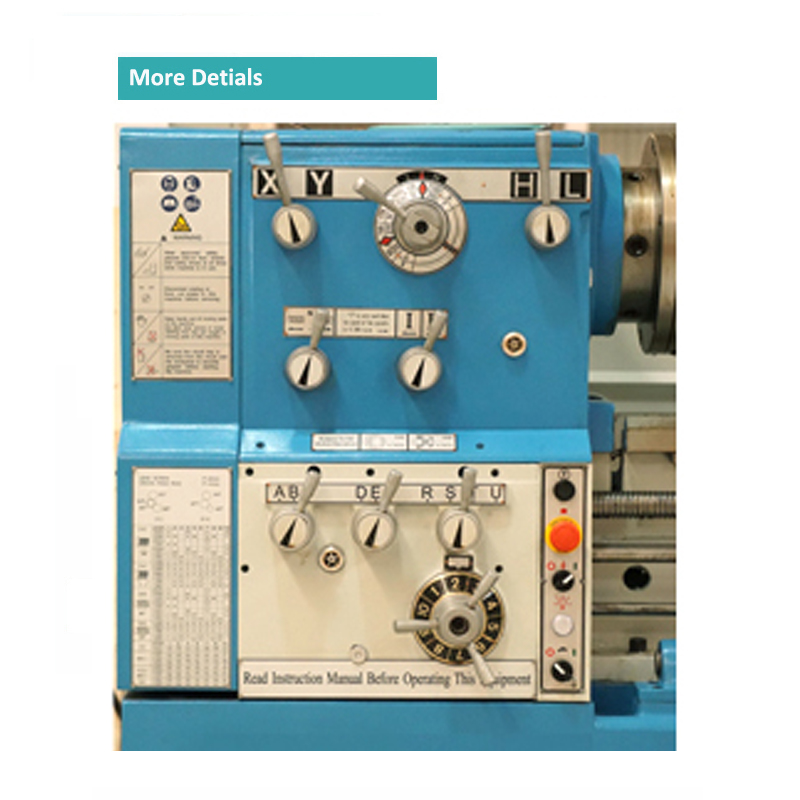
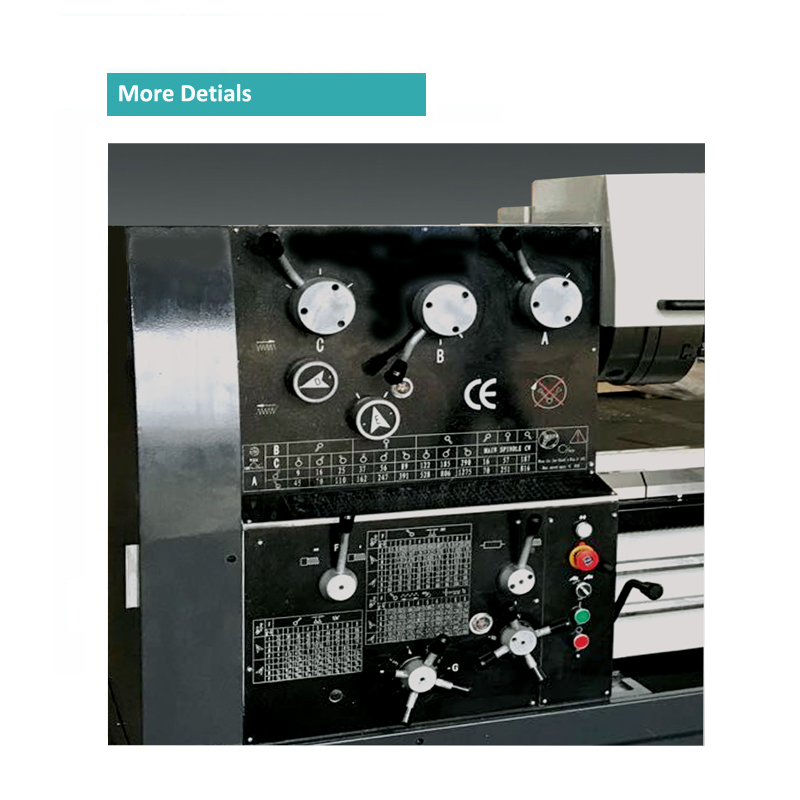
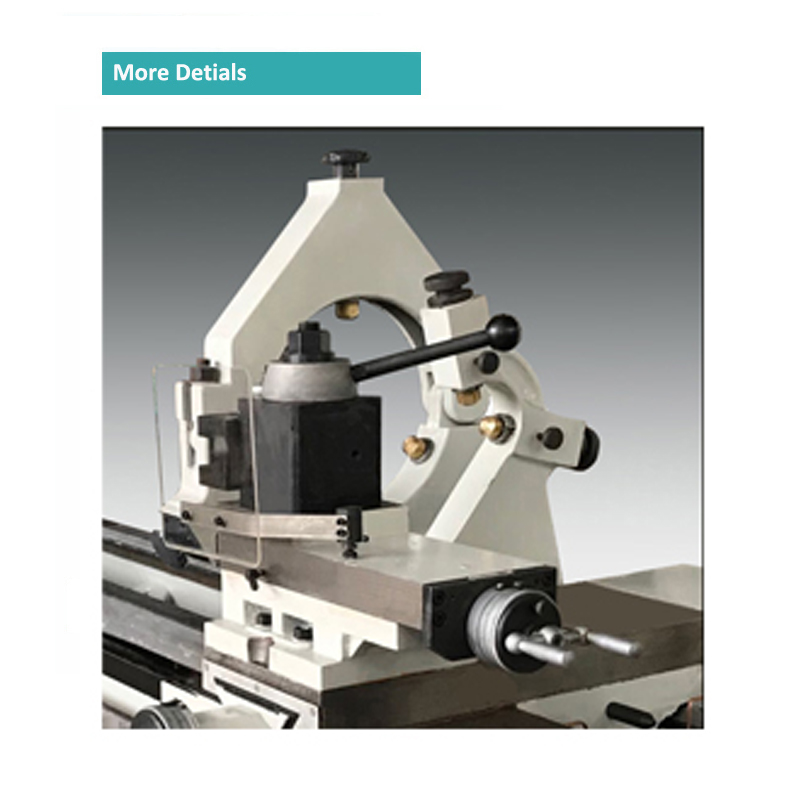
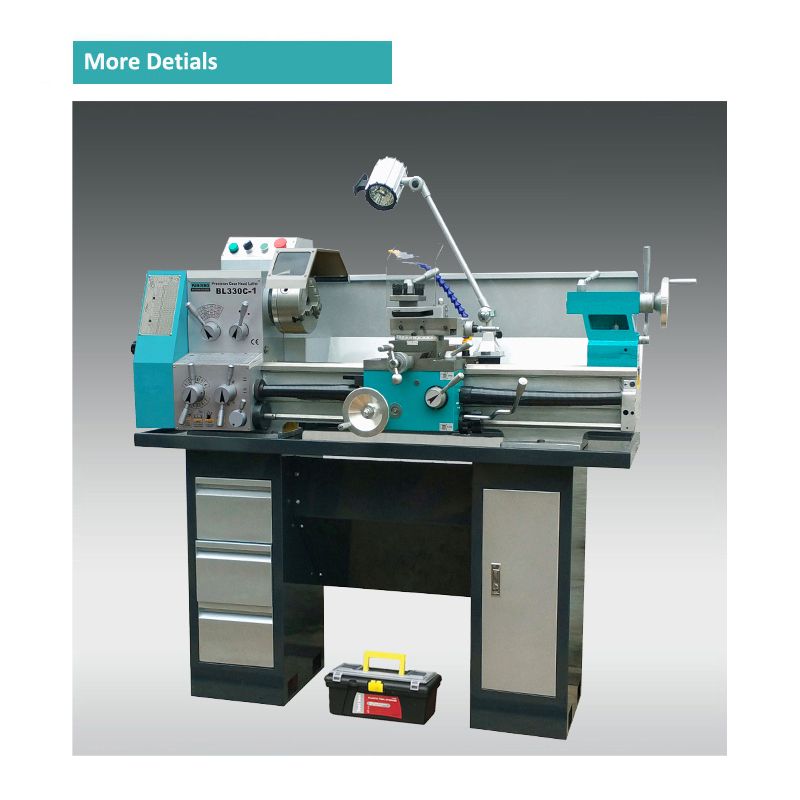
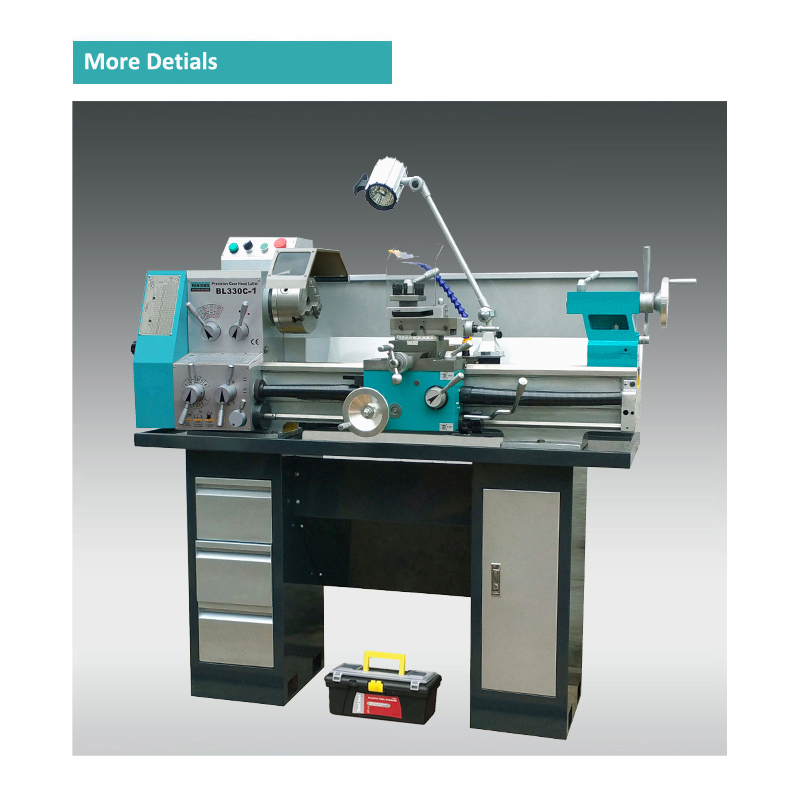
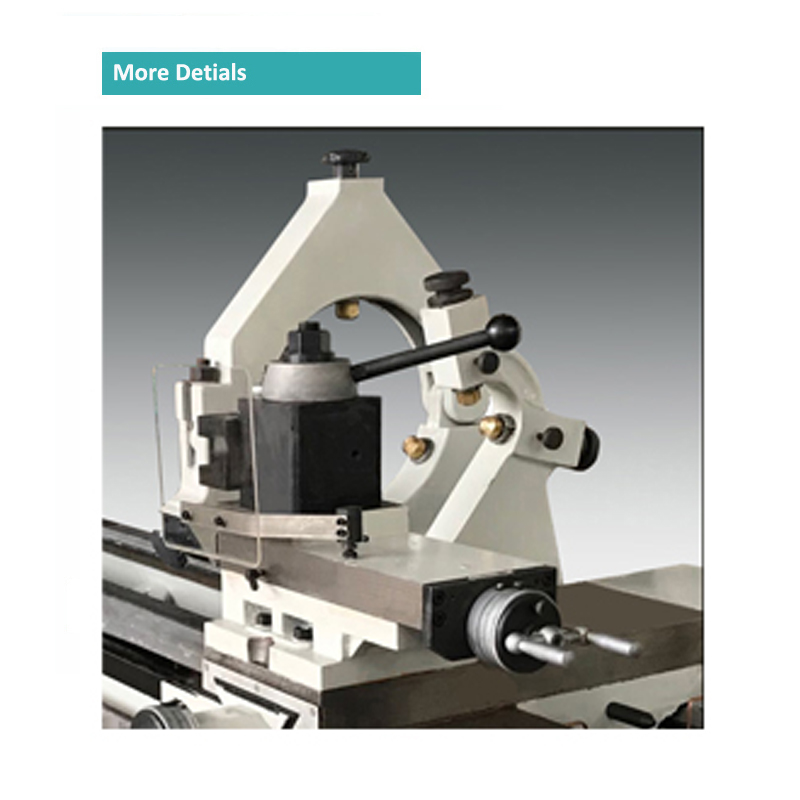
Turning Machines(Lathes)
Source industrial Turning Machines (Lathes) from vetted manufacturers and suppliers in Asia. This catalog is designed for importers, wholesalers, distributors, and procurement managers buying metal cutting machine tools in bulk, offering direct access to reliable production, custom specifications, and competitive wholesale pricing.
Sourcing industrial turning machines and CNC lathes at scale requires balancing heavy-duty rigidity with micro-level precision. For industrial distributors and procurement teams, the challenge isn't just finding a factory that can assemble a machine tool; it is verifying the quality of the raw castings, the precision of the guideways, and the reliability of the electronic controllers. An unreliable machine tool translates to costly downtime and rejected parts for the end-user.
Core Specifications for Turning Machines
When negotiating with lathe manufacturers, vague requirements lead to mismatched expectations. You must define the exact operational envelope and structural requirements of the machines you are importing.
Key technical parameters include:
- Swing Over Bed & Cross Slide: Determines the maximum diameter of the workpiece.
- Distance Between Centers: Dictates the maximum length of the workpiece that can be machined.
- Spindle Bore & Speed: The spindle bore dictates the maximum bar stock diameter that can pass through. Spindle speed (RPM) requirements vary drastically between heavy roughing and high-speed finishing.
- CNC Controllers: The choice of controller (e.g., Fanuc, Siemens, Mitsubishi, or more economical options like GSK and Syntec) heavily influences both the machine's price and its marketability to different end-users.
The structural foundation of the lathe is equally critical. Buyers must specify the type of guideway based on the intended application.
| Application Factor | Linear Guideways | Box / Hardened Ways |
|---|---|---|
| Speed & Feed Rate | High-speed movement | Moderate to slow movement |
| Rigidity & Load Capacity | Standard load capacity | High rigidity for heavy cutting |
| Vibration Dampening | Lower dampening | Excellent dampening |
| Ideal End-User Application | Light to medium precision parts | Heavy-duty roughing and hard metals |
Where Quality is Won or Lost on the Factory Floor
The longevity and accuracy of a turning machine depend heavily on the manufacturer's internal processes. A polished exterior can hide poorly aged castings or substandard bearings.
Casting Quality and Stress Relief
The machine bed is the foundation of any lathe. High-quality manufacturers use Meehanite or high-grade cast iron. More importantly, the casting must undergo proper stress relief—either natural aging (leaving the casting outdoors for months) or artificial thermal aging. If a manufacturer skips this step to speed up production, the bed will warp over time, permanently destroying the machine's alignment.
Precision Components
While the casting is often done in-house or locally, critical motion components are usually outsourced. Verify the origin of the ball screws, linear guides, and spindle bearings. Premium machines typically utilize components from established Japanese or European brands (like NSK, THK, or SKF), while budget models use domestic alternatives.
To ensure the factory is actually installing the agreed-upon components and meeting geometric tolerances, rigorous Quality Control & Inspection is mandatory before the machine is crated.
Pre-Shipment Inspection Focus Areas for Lathes
- Verify spindle runout and alignment using dial indicators.
- Test ball screw backlash and repeatability on all axes.
- Confirm the installed CNC controller model and software version.
- Check coolant and lubrication system pressure and flow.
- Inspect the electrical cabinet for proper wiring, grounding, and CE/UL compliance.
Navigating machine tool supplier capabilities? Let us help you verify factory credentials and technical specifications before you place a volume order.
Talk to our teamAssessing Lathe Manufacturers in Asia
The machine tool manufacturing landscape in Asia is highly regionalized. Taiwan is globally recognized for high-precision, premium CNC turning centers, often competing directly with Japanese and European builders. In mainland China, regions like Shandong and Jiangsu are massive hubs for both conventional manual lathes and standard CNC turning machines.
When evaluating suppliers, it is crucial to conduct thorough Factory Audits. Many companies listed as "manufacturers" on B2B platforms are merely trading companies or small-scale assemblers who buy finished beds and bolt on cheap components. A legitimate manufacturer will have dedicated in-house machining centers for finishing their own castings and a climate-controlled room for spindle assembly.
MOQs, Lead Times, and Pricing Drivers
Because turning machines are high-value capital equipment, Minimum Order Quantities (MOQs) are much lower than typical consumer goods.
Pricing is highly variable and driven by the controller brand, turret type (servo vs. hydraulic), and spindle power. Upgrading a machine from a domestic Chinese controller to a top-tier Fanuc system can increase the unit cost by thousands of dollars.
Additionally, factor in the logistics early. Standard lathes can fit in standard shipping containers, but large slant-bed or heavy-duty flat-bed lathes often require open-top containers or flat racks, which significantly impacts Shipping & Freight costs.
Need accurate pricing, lead times, and freight estimates for your specific turning machine requirements? Contact our sourcing experts.
Get a free consultationFrequently Asked Questions
Sourcing turning machines in volume is an exercise in risk management. The total cost of ownership for your buyers depends entirely on the rigorous vetting and quality control you perform before the machinery ever leaves the factory floor. Expert oversight ensures you deliver precision and reliability to your market.
Get Sourcing Help for Turning Machines(Lathes)
Tell us your requirements and our experts will connect you with verified manufacturers.