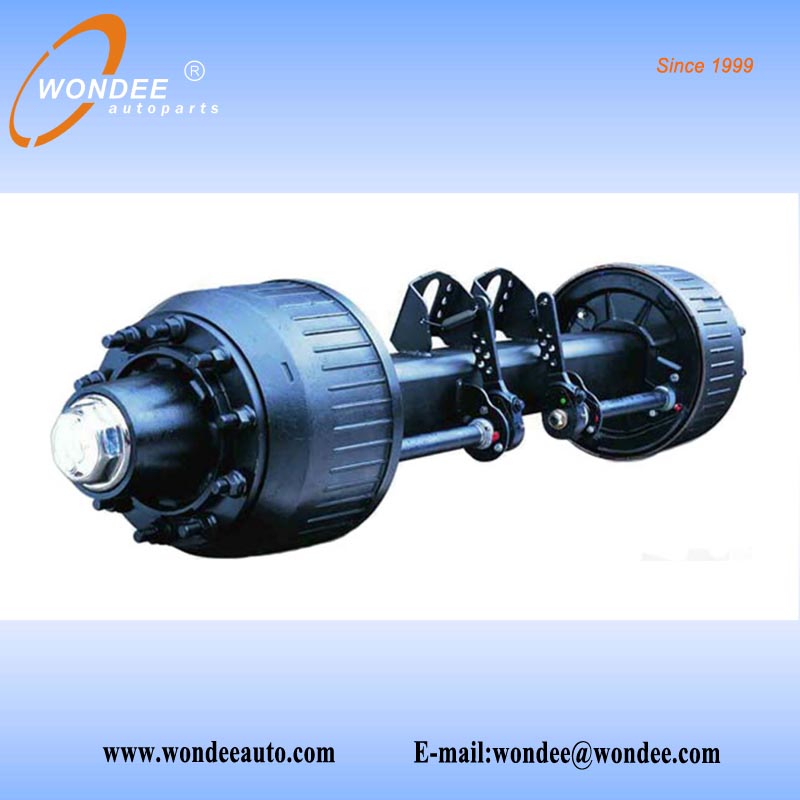
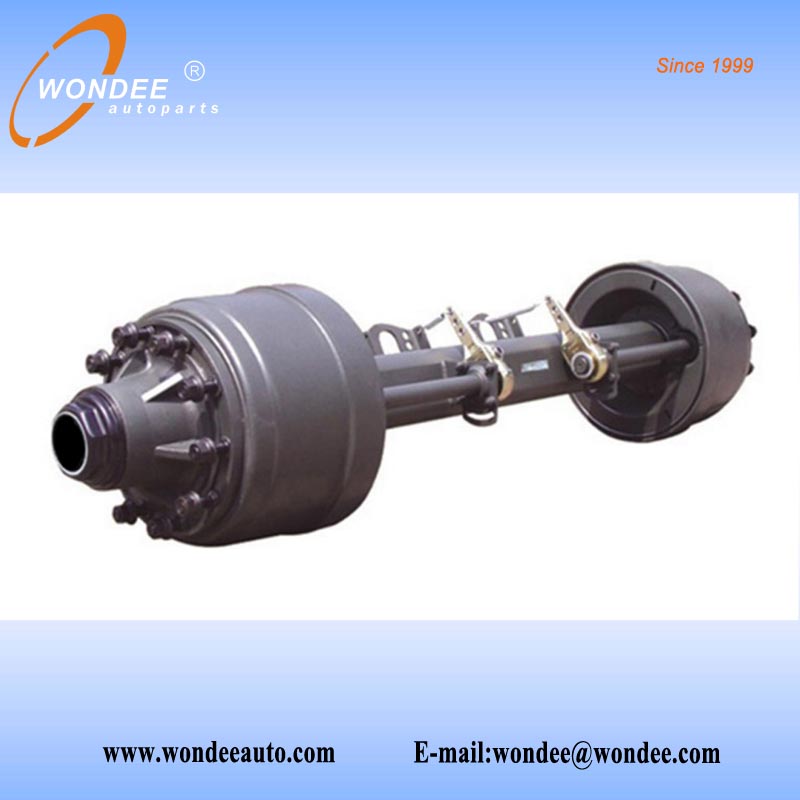
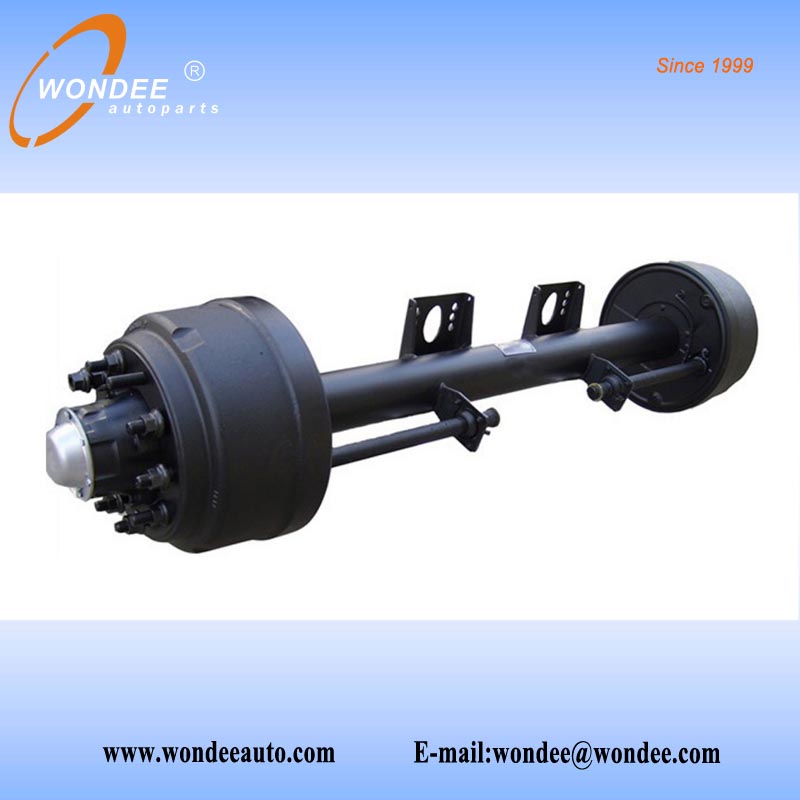
Truck Drivetrain & Axles
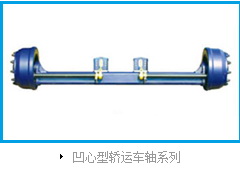
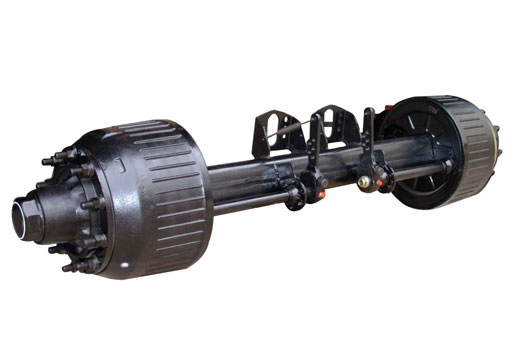
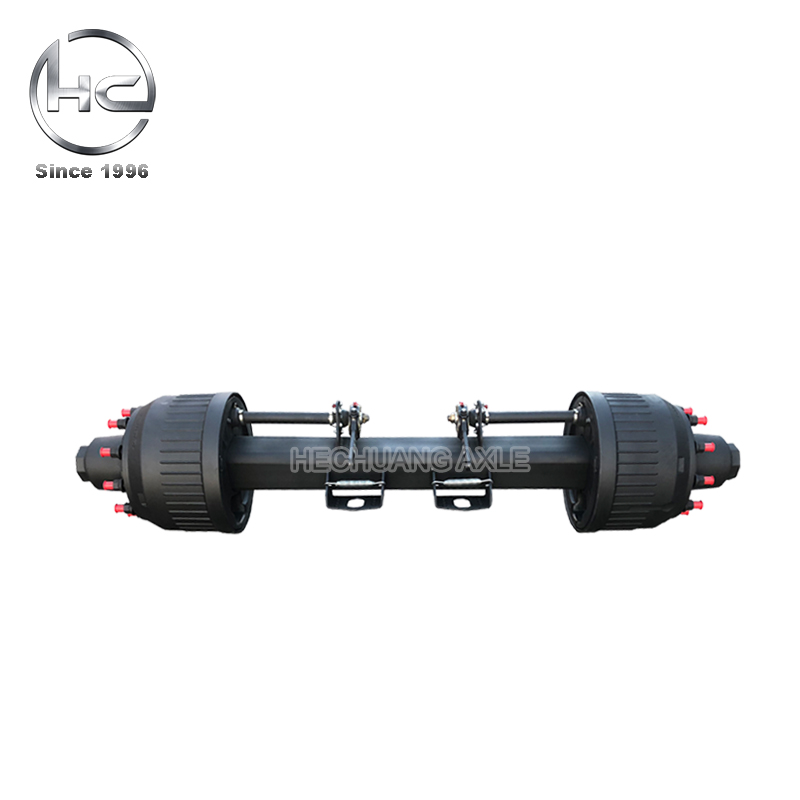
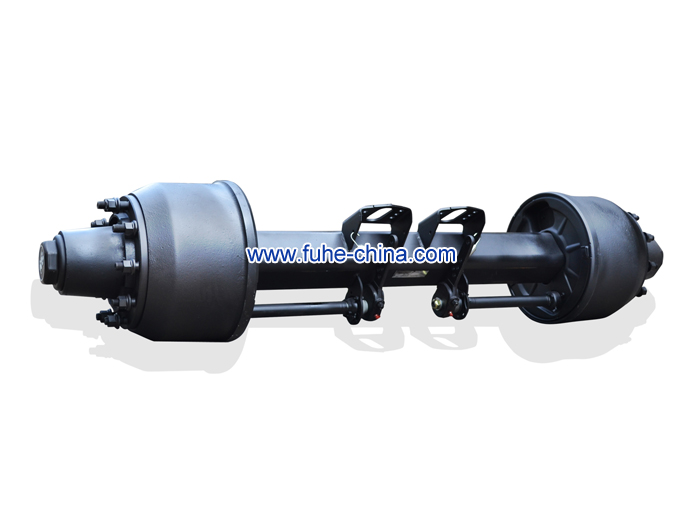
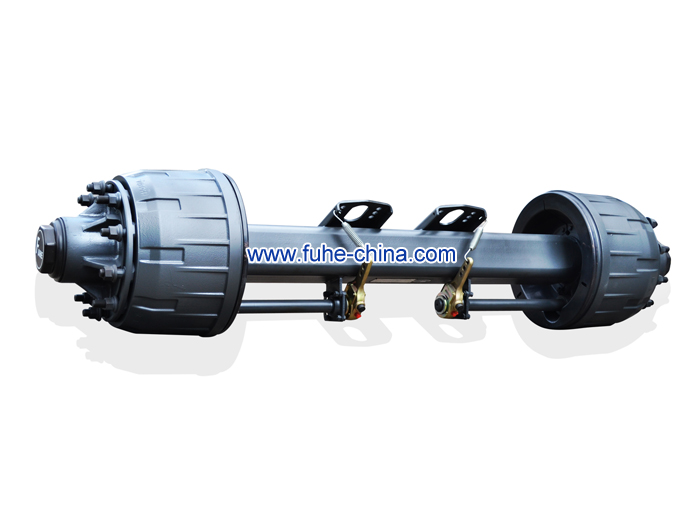
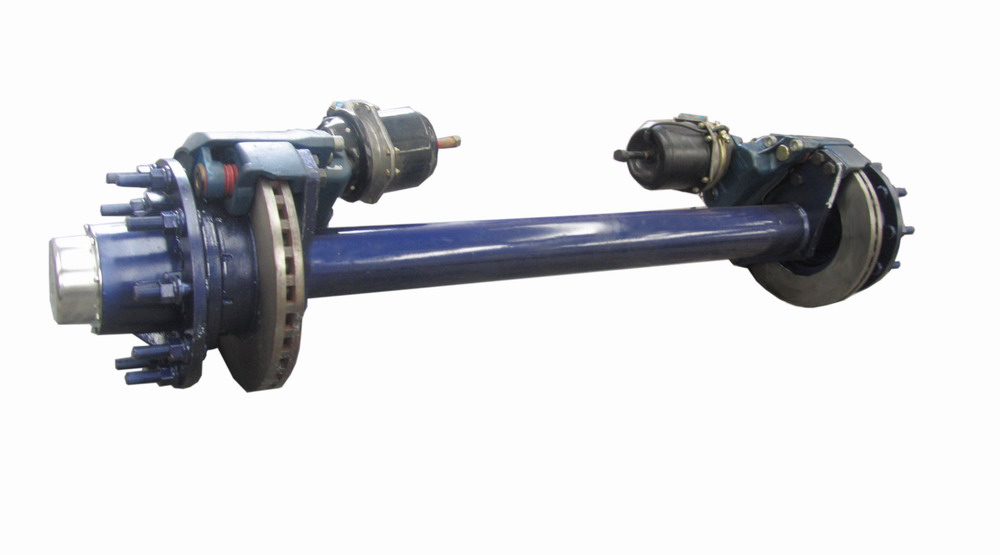
Source heavy-duty Truck Drivetrain & Axles from vetted manufacturers and suppliers in China and across Asia. Designed for commercial vehicle parts distributors, aftermarket wholesalers, and brands seeking reliable OEM production, our network delivers high-capacity components engineered for rigorous fleet demands at wholesale volume.
Sourcing truck drivetrain and axle assemblies requires navigating a complex landscape of metallurgical standards, precision machining tolerances, and rigorous load-bearing requirements. When importing heavy-duty commercial vehicle components in bulk, the margin for error is zero. A single batch of improperly heat-treated gears or misaligned axle housings can lead to catastrophic fleet failures, expensive recalls, and ruined brand reputation. Success depends on partnering with manufacturers who possess advanced gear hobbing capabilities, strictly controlled heat treatment facilities, and automotive-grade quality management systems.
Defining Technical Specifications for Production
To ensure your factory produces components that meet your market's demands, your technical data packages must be exhaustive. Relying on generic OEM cross-reference numbers is insufficient for bulk manufacturing; you must define the exact mechanical properties and manufacturing processes expected.
| Component | Standard Material | Critical Manufacturing Process |
|---|---|---|
| Ring & Pinion Gears | 20CrMnTi or 8620H Alloy Steel | Carburizing, Quenching & Lapping |
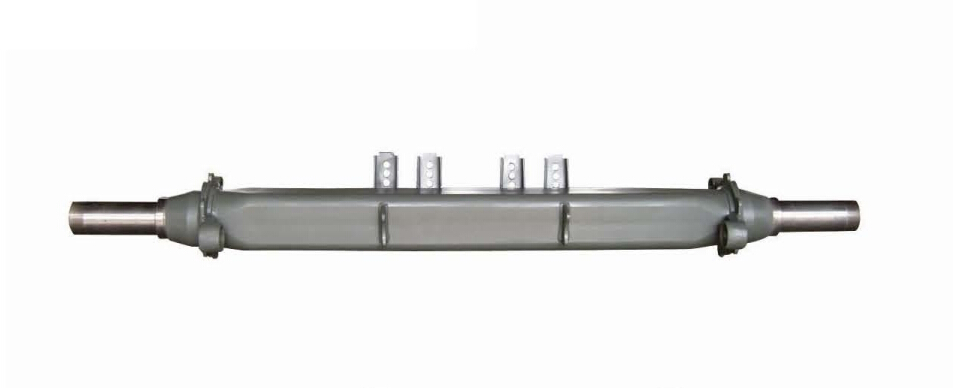
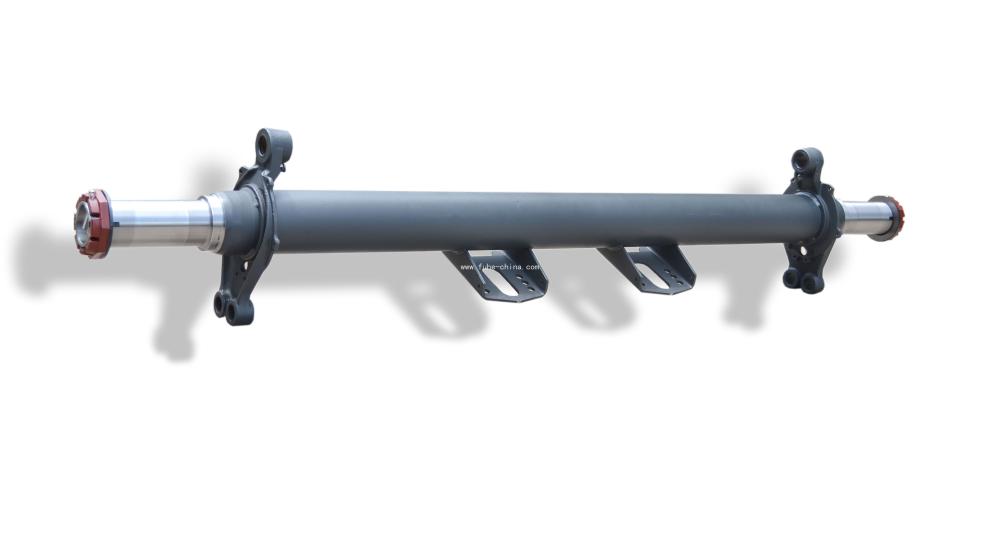
| Axle Housings | Ductile Iron (QT450-10) or Cast Steel | Precision CNC Machining & NDT |
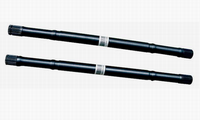
| Drive Shafts | 45# Steel or 40Cr | Friction Welding & Dynamic Balancing |
| Differential Cross Shafts | 20CrMo | Induction Hardening |
When defining specifications, clearly outline the required torque capacity (in Nm), gear ratios, spline counts, and dimensional tolerances. For aftermarket brands developing proprietary upgrades, specifying case hardening depths (typically 1.2mm to 1.8mm for heavy-duty applications) and core hardness (HRC 30-45) is critical to preventing premature gear tooth shear under heavy loads.
Need help verifying technical specifications with potential suppliers? Our engineering and sourcing teams can bridge the technical gap.
Talk to our teamWhere Quality is Won or Lost: The Factory Floor
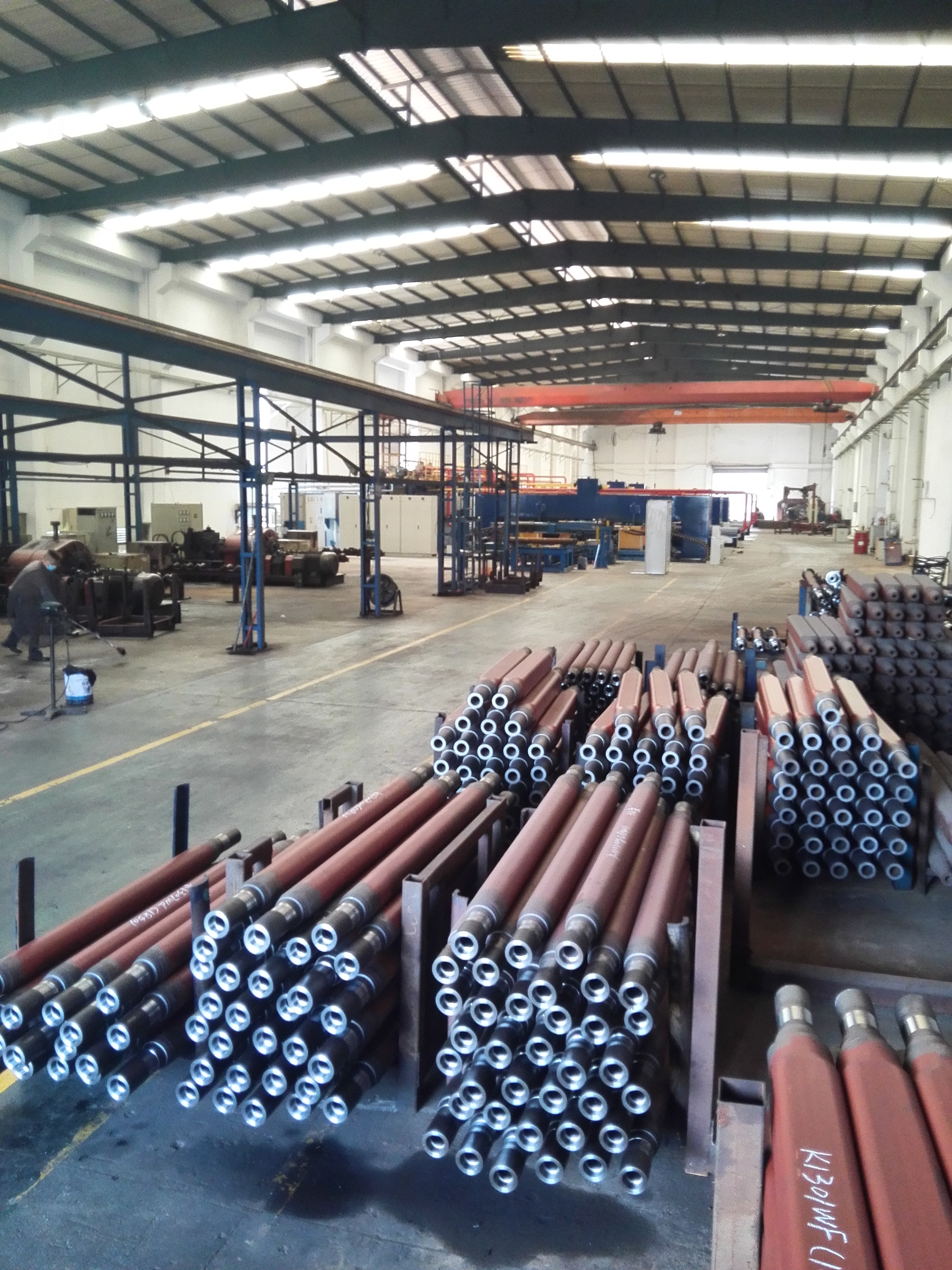
The durability of drivetrain components is largely determined by processes that are invisible to the naked eye. Evaluating a supplier requires looking past the final painted assembly and examining their core production capabilities. Conducting thorough factory audits is the only reliable way to verify these systems before placing a volume order.
Heat Treatment and Metallurgy
Inconsistent heat treatment is the leading cause of drivetrain failure. Factories must have tightly controlled, continuous carburizing furnaces. If a supplier outsources their heat treatment, your risk profile increases significantly due to potential batch-to-batch variations. Always request furnace temperature logs and material composition test reports (spectrometer analysis) for every raw material batch.
Machining and Gear Cutting
High-quality ring and pinion sets require advanced Gleason or Oerlikon CNC gear generators. Pay attention to the lapping process—gears must be lapped in matched pairs to ensure optimal contact patterns and reduce operating noise. If the factory floor lacks climate control in the machining area, thermal expansion can cause dimensional drift, leading to out-of-tolerance components.
Critical Pre-Shipment Inspection Points
- Verify gear contact patterns using marking compound on a dedicated testing rig.
- Measure runout tolerances on drive shafts and axle shafts (must be under 0.05mm).
- Conduct ultrasonic or magnetic particle inspection (NDT) on cast axle housings to detect sub-surface voids.
- Check dynamic balance reports for all rotating assemblies.
- Verify spline dimensions using go/no-go gauges.
Implementing rigorous quality control protocols, including in-line inspections and laboratory testing for hardness and tensile strength, is essential before components are containerized for export.
Pricing, MOQs, and Production Lead Times
The truck parts manufacturing sector operates on economies of scale. Tooling costs for forging dies and casting molds are substantial, which dictates the minimum order quantities (MOQs) and pricing structures you will encounter.
Pricing is highly sensitive to raw material indices (specifically steel and iron ore) and the complexity of the machining required. Custom OEM/ODM services for proprietary gear ratios or specialized heavy-hauling axle housings will require an additional 30 to 45 days for tooling development and sample approval (PPAP).
Planning a volume order or developing a custom drivetrain component? Let's discuss your production schedule and cost targets.
Get a free consultationFrequently Asked Questions
Successfully sourcing truck drivetrain and axles requires more than finding a competitive price; it demands absolute confidence in the manufacturer's metallurgical competence and quality assurance systems. By prioritizing strict engineering tolerances and rigorous factory vetting, you can secure reliable, high-performance components that protect your bottom line.
Get Sourcing Help for Truck Drivetrain & Axles
Tell us your requirements and our experts will connect you with verified manufacturers.