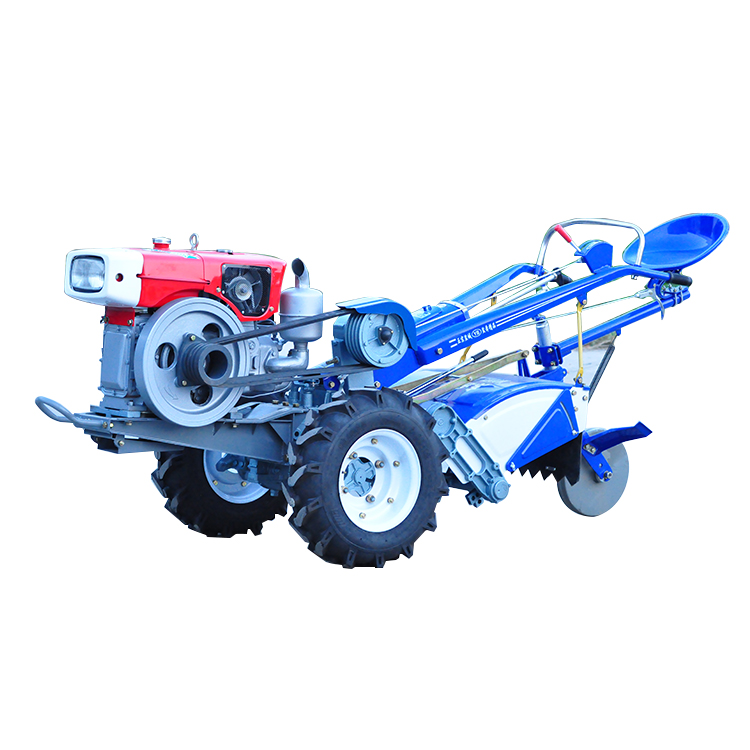
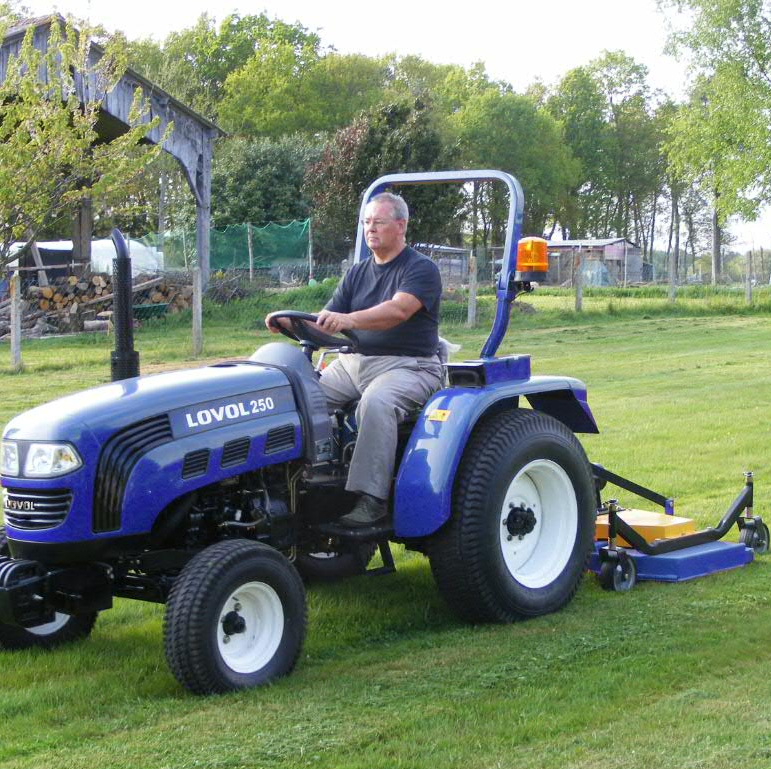
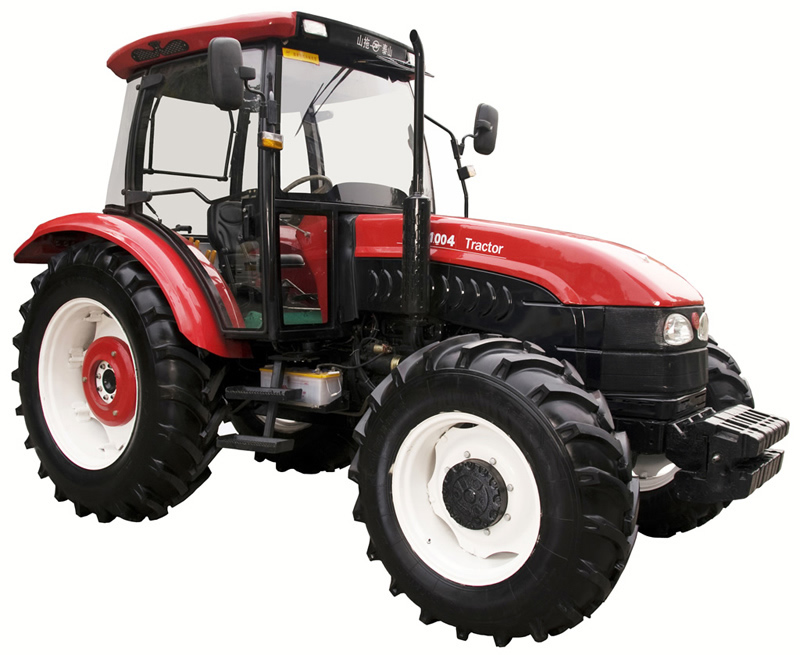
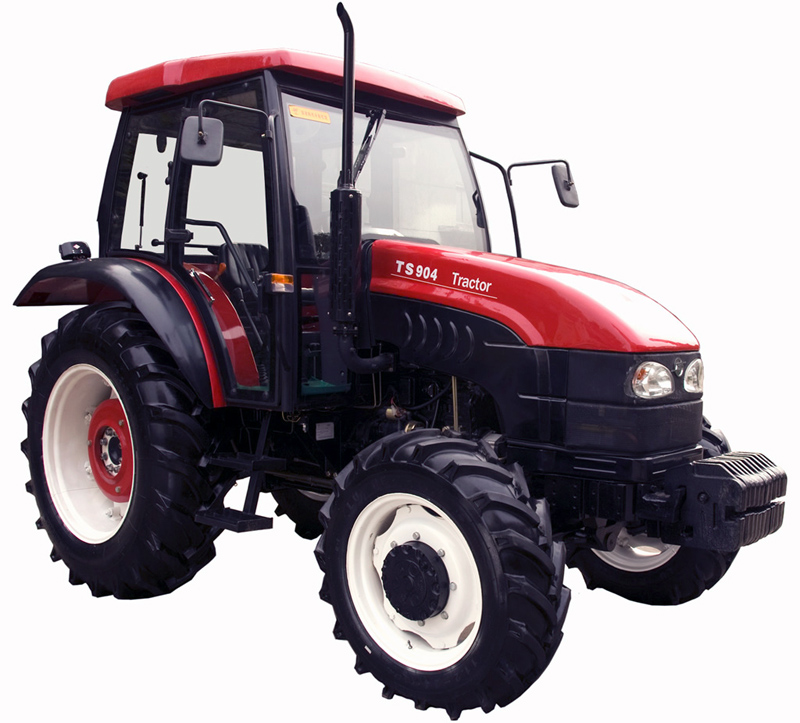
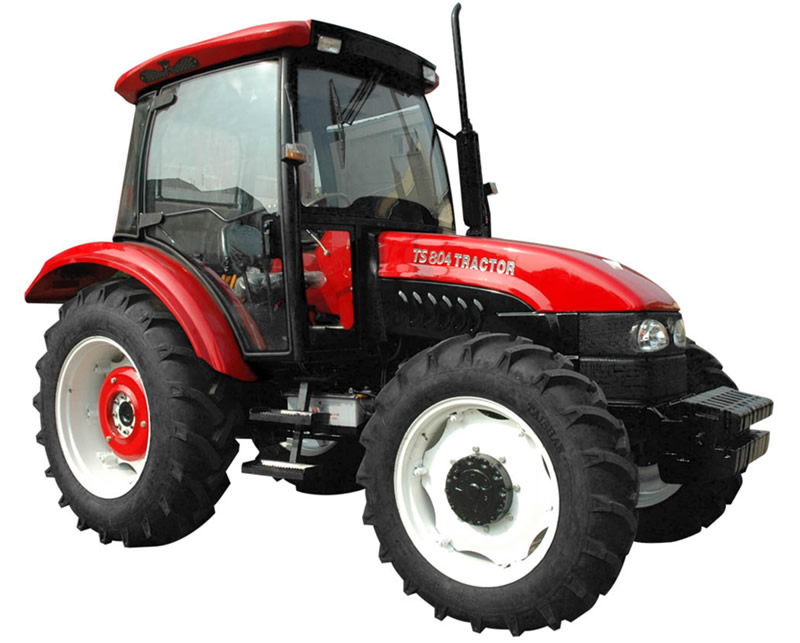
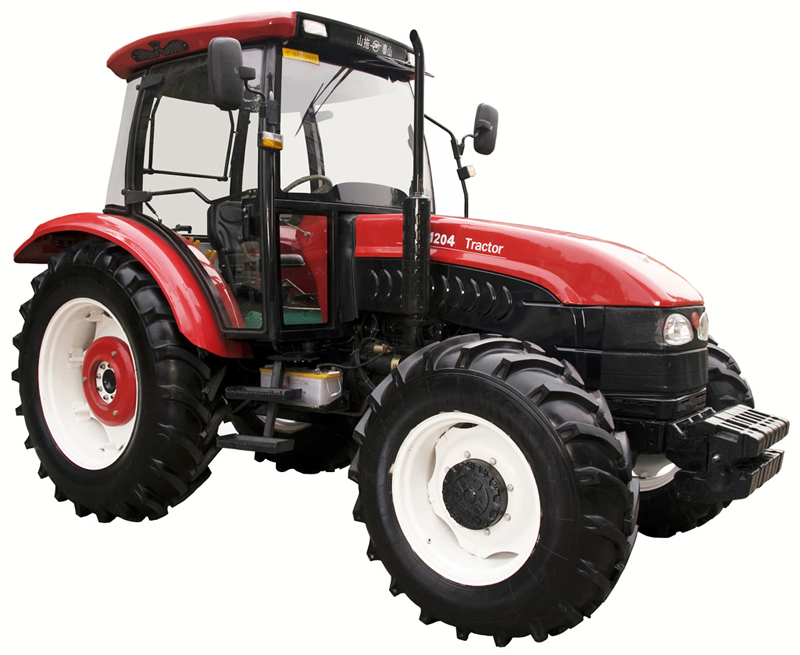
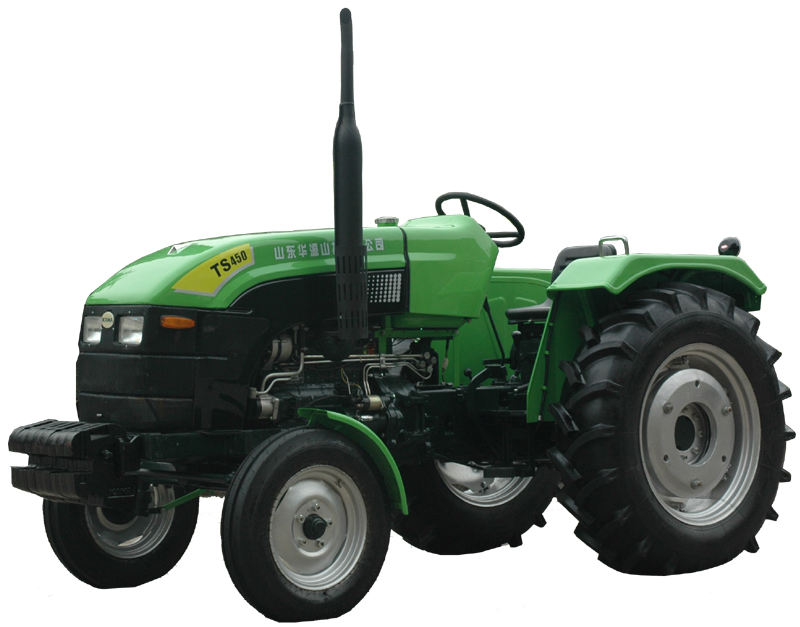
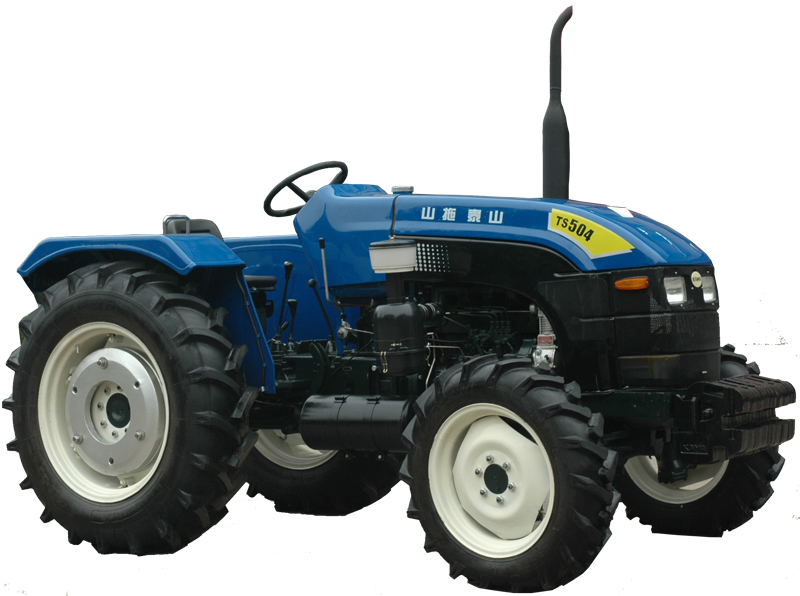
Tractors
Source commercial and agricultural tractors directly from vetted manufacturers and factories in Asia. This catalog is built for importers, agricultural distributors, and equipment brands seeking bulk wholesale pricing, reliable OEM production, and strict quality control for heavy machinery.
Sourcing agricultural tractors in volume requires navigating complex powertrain configurations, stringent regional emissions standards, and heavy-duty assembly requirements. Whether you are importing compact utility tractors for landscaping or high-horsepower row-crop machines for commercial farming, securing a reliable manufacturing partner is critical to ensuring field longevity and regulatory compliance.
Core Powertrain and Specification Drivers
When evaluating a tractor manufacturer, the powertrain is where the majority of your budget and quality risk reside. Off-the-shelf domestic engines may offer aggressive pricing, but international buyers must specify configurations that meet their local market's demands for reliability, parts availability, and emissions compliance.
Key specifications to define in your purchase order include:
- Gross Engine vs. PTO Horsepower: Always specify both. PTO (Power Take-Off) horsepower is typically 15 to 20 percent lower than gross engine HP and dictates the actual implement-driving capability.
- Hydraulic Pump Flow (GPM/LPM): High-capacity implements require robust hydraulic flow. Specify whether you need open-center or closed-center hydraulic systems and the number of rear remote valves required.
- Axle and Final Drive: For tractors over 50 HP, planetary final drives are standard for durability. Ensure the front axle is rated for the dynamic loads of a front-end loader if one will be fitted.
| Transmission Type | Ideal Application | Cost & Maintenance Profile |
|---|---|---|
| Sliding Gear / Constant Mesh | Basic field work, low directional changes | Lowest cost, highly durable, rough shifting |
| Synchro-Shuttle | Front-end loader work, frequent reversing | Medium cost, smooth shifting, standard maintenance |
| Hydrostatic (HST) | Compact utility, turf care, precise speed control | Higher cost, fluid-sensitive, easiest operation |
Need help auditing a tractor manufacturer's engineering capabilities and assembly lines?
Talk to our teamManufacturing Standards and Compliance
Importing heavy agricultural machinery means adhering to strict safety and environmental regulations. A manufacturer's inability to provide proper certification can result in customs seizures or unsellable inventory.
Before committing to a supplier, you must verify their compliance framework. This is where comprehensive Factory Audits are non-negotiable. You are not just checking assembly capacity; you are verifying their supply chain for critical components.
Critical Certifications to Verify
- Emissions Standards: Engines must meet EPA Tier 4 Final (USA) or Euro Stage V (Europe). Many Chinese tractor manufacturers achieve this by integrating imported engines (e.g., Yanmar, Kubota, Cummins) or partnering with advanced domestic producers (e.g., Weichai, YTO) that hold export-ready certifications.
- ROPS and FOPS: Roll-Over Protective Structures and Falling Object Protective Structures must be certified to international standards (e.g., ISO 3471). A welded steel bar is not a ROPS unless it has passed destructive testing.
- OECD Tractor Codes: For European markets, OECD testing for drawbar power, PTO power, and hydraulic lifting force is often required for road homologation.
Pre-Shipment Inspection Focus Areas
- Dynamometer testing for verified PTO horsepower output
- Hydraulic system pressure testing at maximum rated RPM
- Ultrasonic weld inspection on ROPS structures and front axle supports
- Cold-start verification and idle stability checks
- Torque verification on all critical chassis and wheel fasteners
To ensure these standards are met before the machines leave the factory, professional Quality Control & Inspection protocols must be executed on the factory floor.
Shipping Configurations: CBU vs. SKD vs. CKD
Because tractors are high-volume, low-density cargo, shipping them fully assembled (Completely Built Up, or CBU) is highly inefficient for freight. Volume importers typically negotiate with manufacturers to ship in knocked-down configurations.
- Semi Knocked Down (SKD): The tractor is largely assembled, but wheels, ROPS/cabs, and exhaust stacks are removed to fit the unit inside a standard 40-foot High Cube container. This requires minimal reassembly at the destination.
- Completely Knocked Down (CKD): The tractor is shipped as bare components (engine, transmission, axles, chassis) and requires a full assembly line at the destination. This drastically reduces import duties and freight costs but requires significant local infrastructure.
Navigating the transition from CBU to SKD/CKD requires robust Shipping & Freight coordination to ensure no components are missing upon arrival.
Typical MOQs, Lead Times, and Pricing
Tractor manufacturing is capital-intensive, but MOQs remain relatively accessible for standard models. However, custom OEM configurations (custom paint, specific third-party hydraulic pumps, or tailored electronic controls) will push minimums higher.
Pricing is almost entirely dictated by the engine brand, transmission type, and total weight (which correlates directly to casting thickness and durability). A 50 HP tractor with a domestic Chinese engine and manual transmission will cost a fraction of a 50 HP unit equipped with an EPA Tier 4 imported engine and a hydrostatic transmission.
Looking to optimize your heavy machinery supply chain and negotiate better bulk terms?
Get a free consultationFrequently Asked Questions
Successfully importing tractors requires balancing upfront unit costs with long-term reliability and market compliance. By rigorously vetting engine sourcing, enforcing strict assembly tolerances, and optimizing your shipping configuration, you can build a highly profitable heavy machinery supply chain.
Get Sourcing Help for Tractors
Tell us your requirements and our experts will connect you with verified manufacturers.