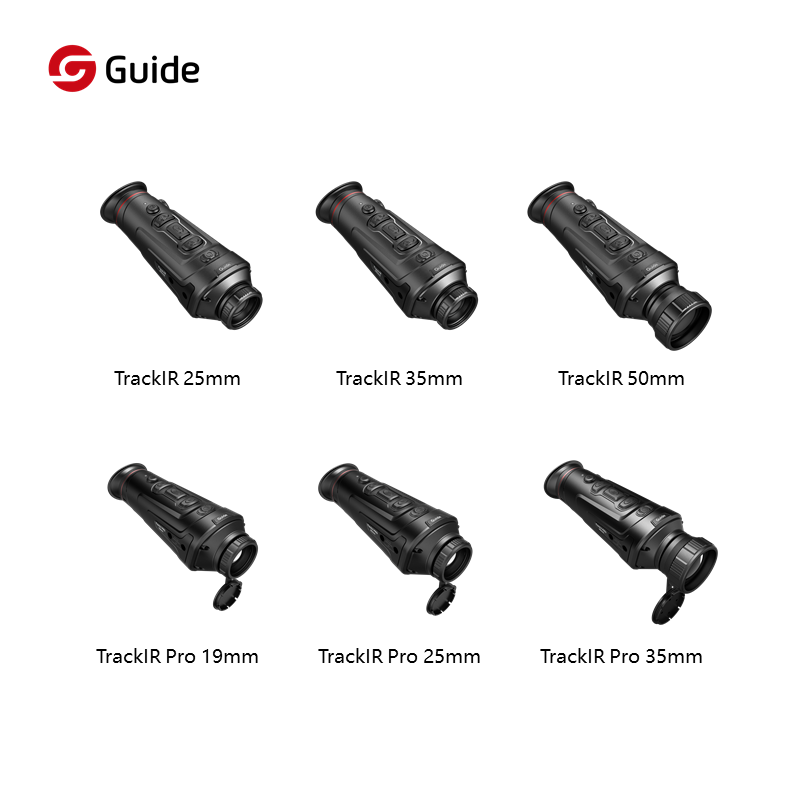
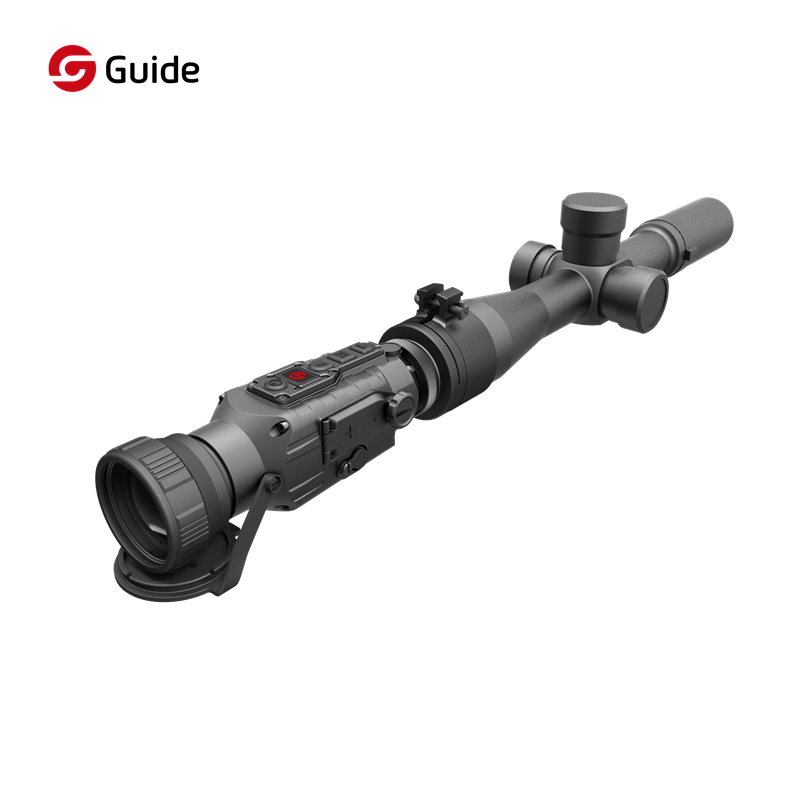
Thermal Cameras & Scanners
Source professional-grade Thermal Cameras & Scanners from vetted suppliers and manufacturers. Designed for importers, wholesalers, and brands seeking reliable OEM and private-label production, our network delivers high-performance thermography equipment at competitive wholesale volumes.
Sourcing thermal cameras and scanners requires navigating a complex supply chain heavily reliant on a few core sensor manufacturers. For volume buyers, the challenge isn't just finding a factory that can assemble the housing, but verifying their access to high-grade microbolometers, their in-house calibration capabilities, and their adherence to strict international export control regulations.
Core Specifications: Navigating Sensor and Lens Technologies
The performance of any thermal imaging device hinges on the focal plane array (FPA) and the lens material. When evaluating a manufacturer's technical capability, pay close attention to the specific components they source and how they integrate them.
- Sensor Material (VOx vs. a-Si): Vanadium Oxide (VOx) microbolometers are the industry standard for professional applications due to their superior thermal sensitivity (NETD) compared to Amorphous Silicon (a-Si). Ensure your supplier specifies the sensor type on the BOM.
- Thermal Sensitivity (NETD): Measured in millikelvins (mK). A lower number means better sensitivity. Standard industrial cameras typically feature an NETD under 50mK, while premium diagnostic tools require an NETD under 40mK or even under 30mK.
- Lens Materials: Standard optical glass blocks infrared light. Thermal lenses must be made from Germanium (expensive, highest transmission for Long-Wave Infrared) or Chalcogenide glass (more cost-effective for high-volume commercial production).
| Specification | Entry-Level (Commercial) | Mid-Range (Industrial) | High-End (Diagnostic) |
|---|---|---|---|
| Sensor Resolution | 160x120 or 256x192 | 384x288 | 640x512 or higher |
| NETD | Under 60mK | Under 50mK | Under 35mK |
| Lens Material | Chalcogenide Glass | Chalcogenide / Germanium | Germanium |
| Refresh Rate | 9Hz (Export-friendly) | 25Hz / 30Hz | 50Hz / 60Hz |
Need help verifying a manufacturer's sensor supply chain and component authenticity? Our sourcing engineers can validate technical specifications before you commit to an order.
Talk to our teamManufacturing Bottlenecks and Quality Control
Assembling a thermal camera is relatively straightforward; calibrating it is not. The primary bottleneck on the factory floor is the blackbody calibration process. Every individual pixel on the thermal sensor must be mapped and calibrated against a known temperature source (a blackbody radiator) across various ambient temperatures.
If a factory lacks sufficient blackbody calibration chambers, their production capacity is artificially inflated, leading to massive delays or skipped calibration steps during peak seasons.
What to Verify During a Factory Audit
- Ratio of blackbody calibration chambers to daily production output.
- Cleanroom classification for sensor and lens assembly (minimizing dust on the FPA).
- Burn-in testing procedures (minimum 48 hours to identify sensor drift).
- Traceability of the microbolometer batch numbers to the original sensor foundry.
- IP rating testing equipment (water and dust ingress chambers) for ruggedized models.
To mitigate risks, conducting comprehensive Factory Audits is essential before placing a volume order. You need to confirm the supplier isn't just a trading company outsourcing the critical calibration phase. Furthermore, implementing strict Quality Control & Inspection protocols pre-shipment ensures that temperature measurement accuracy remains within the acceptable tolerance (typically ±2°C or ±2%).
Export Controls and Compliance
Thermal imaging technology is heavily regulated. Under the Wassenaar Arrangement, thermal cameras with a refresh rate over 9Hz are often classified as dual-use goods.
Export License Requirements
Sourcing cameras with refresh rates of 25Hz, 30Hz, or higher typically requires the manufacturer to apply for an export license from their local government. This process can add 3 to 6 weeks to your lead time and requires detailed end-user certificates.
Always verify the target market's regulatory requirements early in the sourcing process. Utilizing Compliance & Testing services ensures your products meet regional safety standards (CE, FCC, RoHS) and navigate dual-use export restrictions legally.
Wholesale Pricing, MOQs, and Lead Times
Pricing in the thermal imaging sector is overwhelmingly dictated by sensor resolution and lens size. A 640x512 sensor will cost exponentially more than a 256x192 sensor, regardless of the outer housing.
- Minimum Order Quantities (MOQs): For off-the-shelf models with basic branding, expect MOQs of 50 to 100 units. For comprehensive OEM/ODM Services involving custom firmware, unique UI/UX, or modified housings, MOQs typically start at 500 units.
- Lead Times: Standard production runs take 30 to 45 days. However, if you are ordering high-refresh-rate models (over 9Hz) or if there is a global shortage of Germanium or specific microbolometers, lead times can stretch to 60 to 90 days.
Looking to develop a custom thermal imaging product or secure reliable wholesale pricing? Let us manage the supplier negotiations and export compliance for you.
Get a free consultationFrequently Asked Questions
Successfully sourcing thermal cameras requires looking past the outer casing and evaluating a supplier based on their optical engineering and calibration infrastructure. Partnering with a team that understands the nuances of microbolometer supply chains and export compliance ensures your volume orders arrive on time and perform to specification.
Get Sourcing Help for Thermal Cameras & Scanners
Tell us your requirements and our experts will connect you with verified manufacturers.