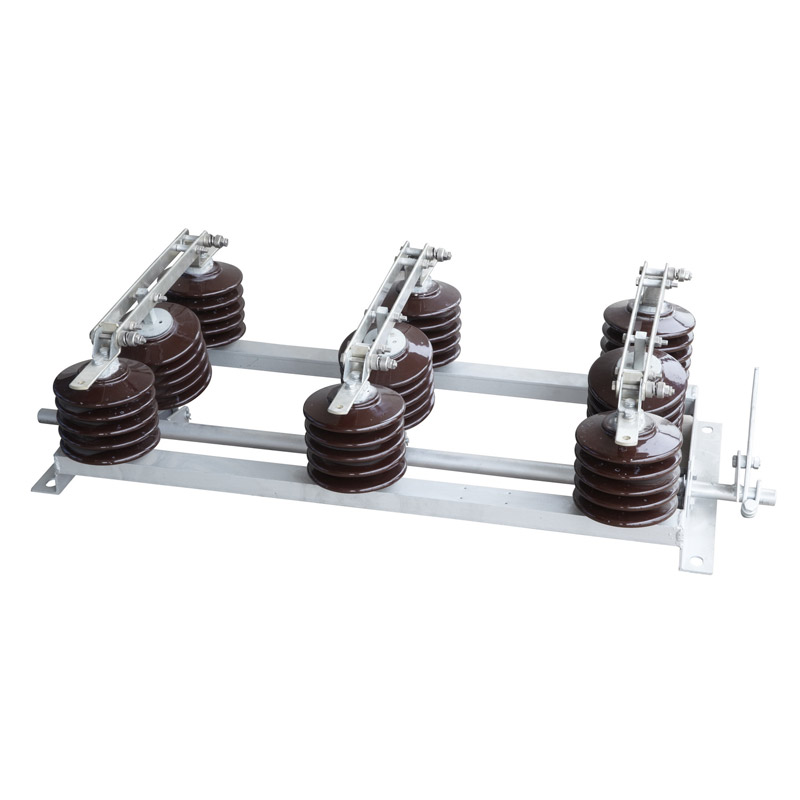
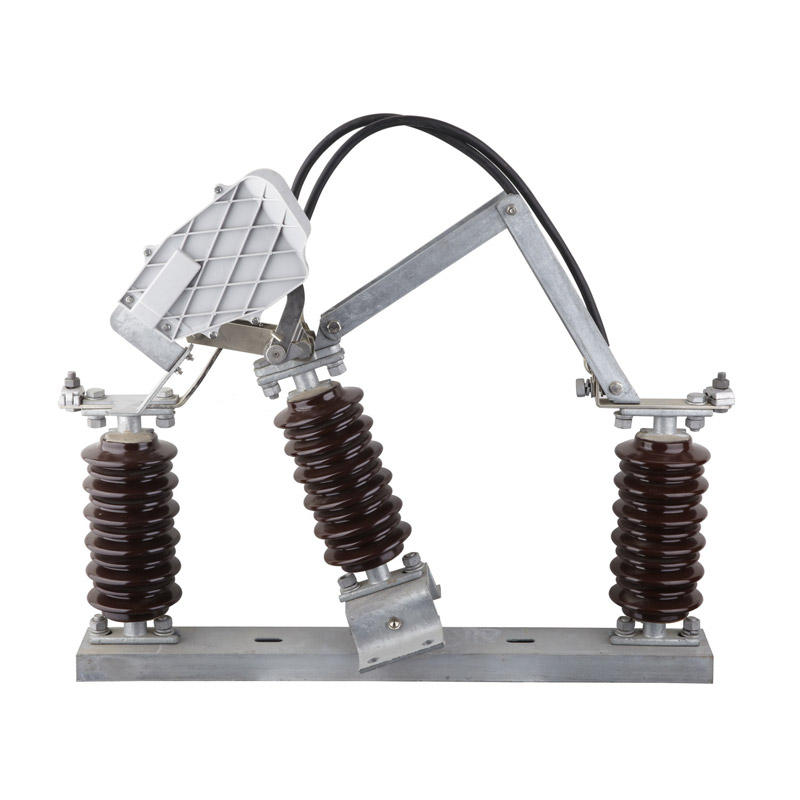
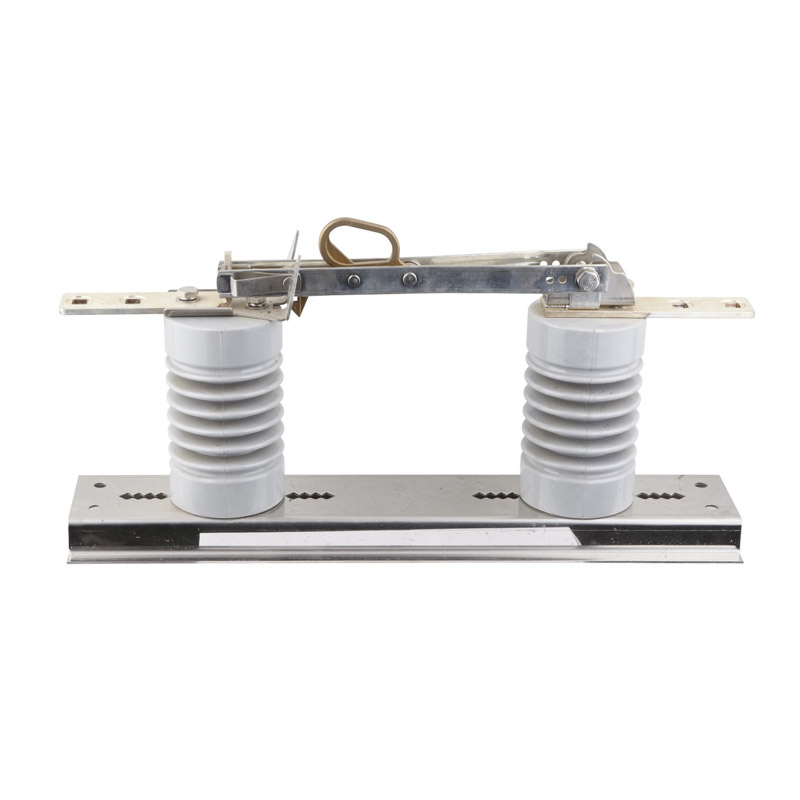
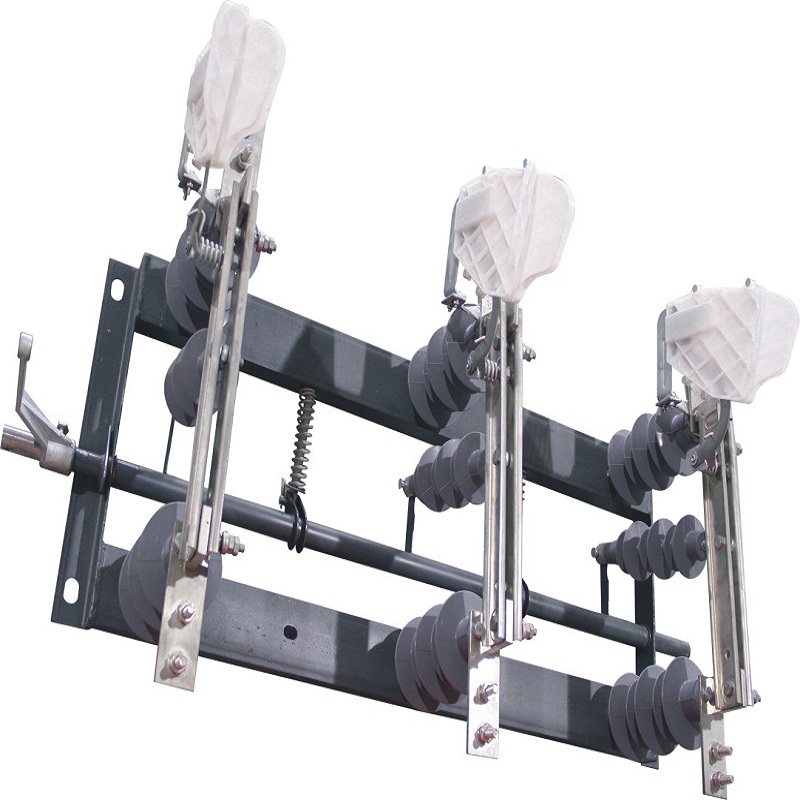
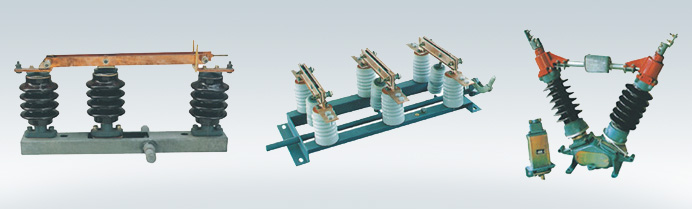
Switch Disconnectors
Source medium and high voltage switch disconnectors from vetted manufacturers and suppliers in China and across Asia. Designed for electrical distributors, wholesalers, and industrial procurement teams, our network offers reliable bulk production and custom OEM manufacturing to meet stringent grid and industrial specifications.
Medium and high voltage switch disconnectors are critical safety components in electrical networks, providing visible isolation and limited load-switching capabilities. For procurement teams and distributors sourcing these units in bulk, the challenge extends beyond finding a factory capable of assembling switchgear. It requires identifying a manufacturer with the engineering rigor to guarantee mechanical endurance, arc extinction performance, and dielectric strength over decades of operation in demanding environments.
Specifying Switch Disconnectors for Bulk Production
When engaging with overseas manufacturers, precision in your technical specifications prevents costly misunderstandings. Suppliers typically build to order based on the parameters required for your specific regional grid or industrial application.
Key parameters you must define include:
- Rated Voltage (Ur): Commonly 12kV, 24kV, or 36kV for medium voltage distribution, extending up to 72.5kV or 145kV for high voltage transmission.
- Rated Normal Current (Ir): Standard ratings typically fall at 400A, 630A, 1250A, up to 3150A.
- Short-Time Withstand Current (Ik): The RMS value of current the switch can carry in the closed position during a short circuit. Common requirements are 20kA, 25kA, or 31.5kA for a specified duration (usually 1 or 3 seconds).
- Insulation Level: Defined by the lightning impulse withstand voltage (BIL) and power-frequency withstand voltage.
| Application Type | Primary Insulation | Typical Voltage Range | Common Installation |
|---|---|---|---|
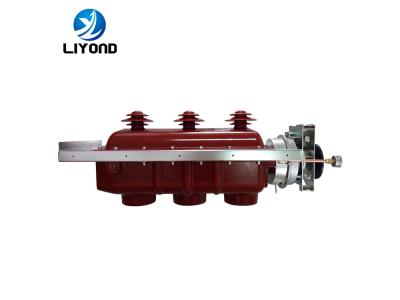
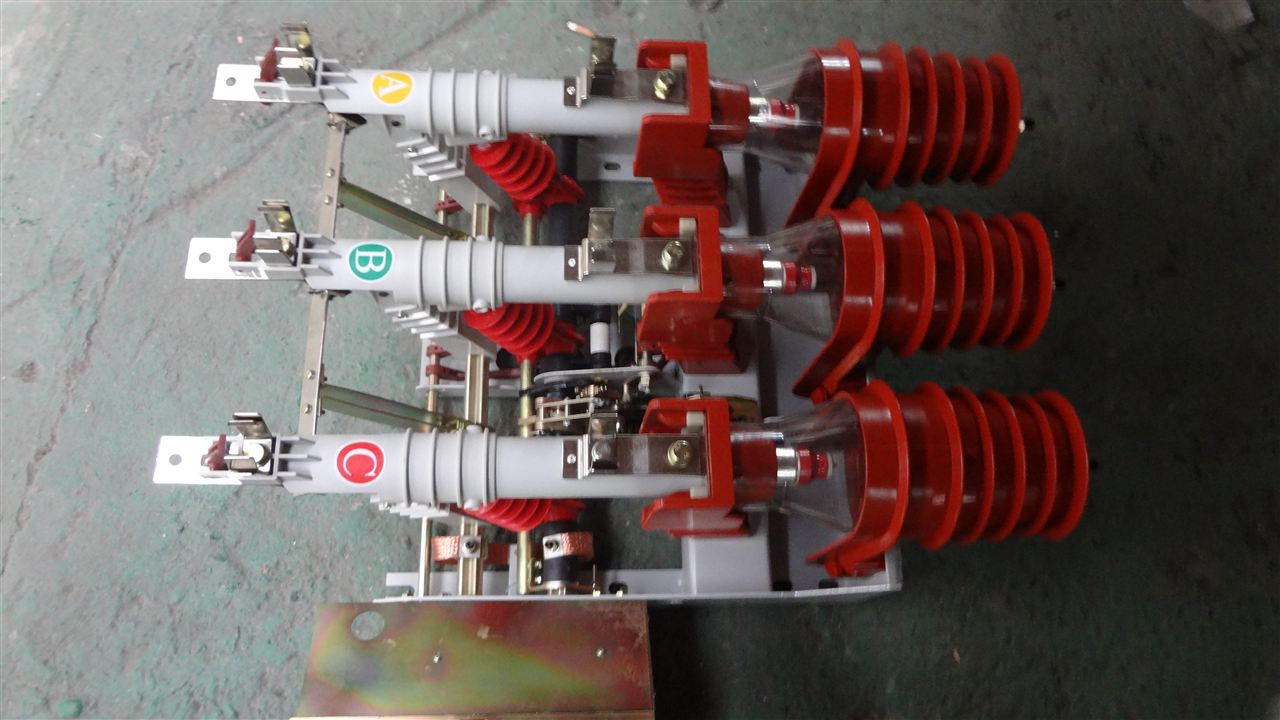
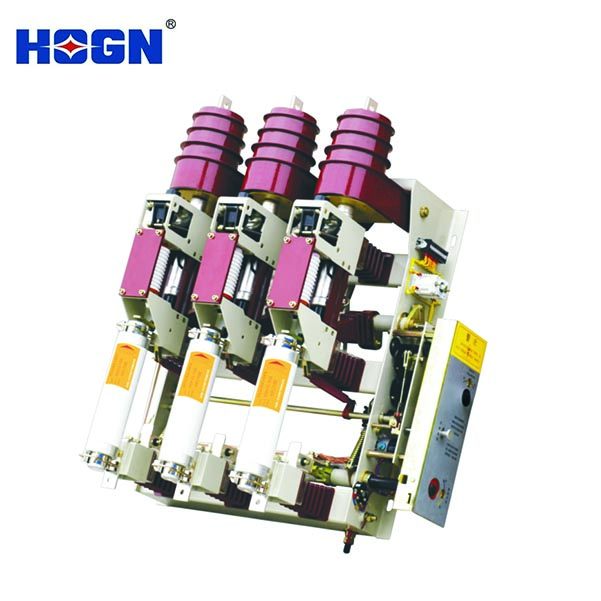
| Indoor (MV) | Epoxy Resin / Air | 12kV to 36kV | Inside metal-clad switchgear panels |
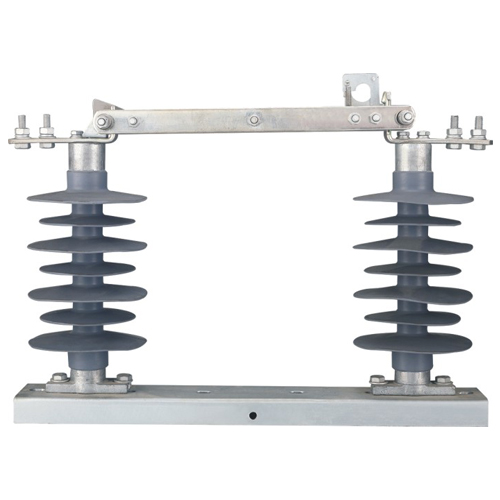
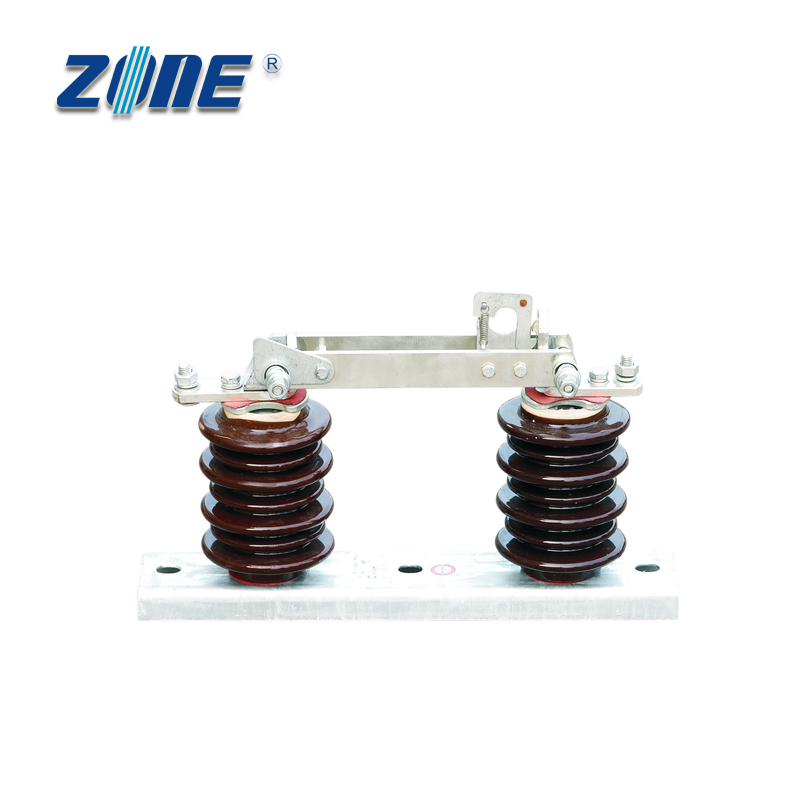
| Outdoor (Pole-mounted) | Silicone Rubber / Porcelain | 12kV to 36kV | Overhead distribution lines |
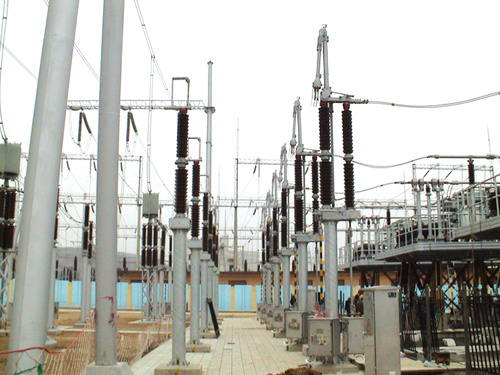
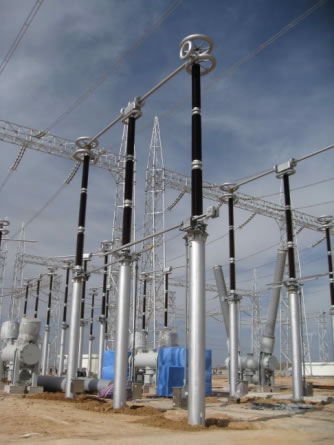
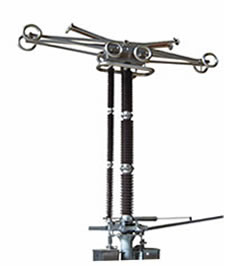
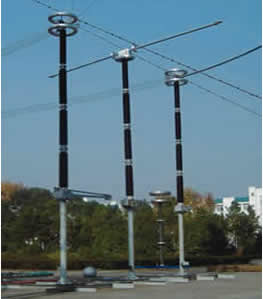
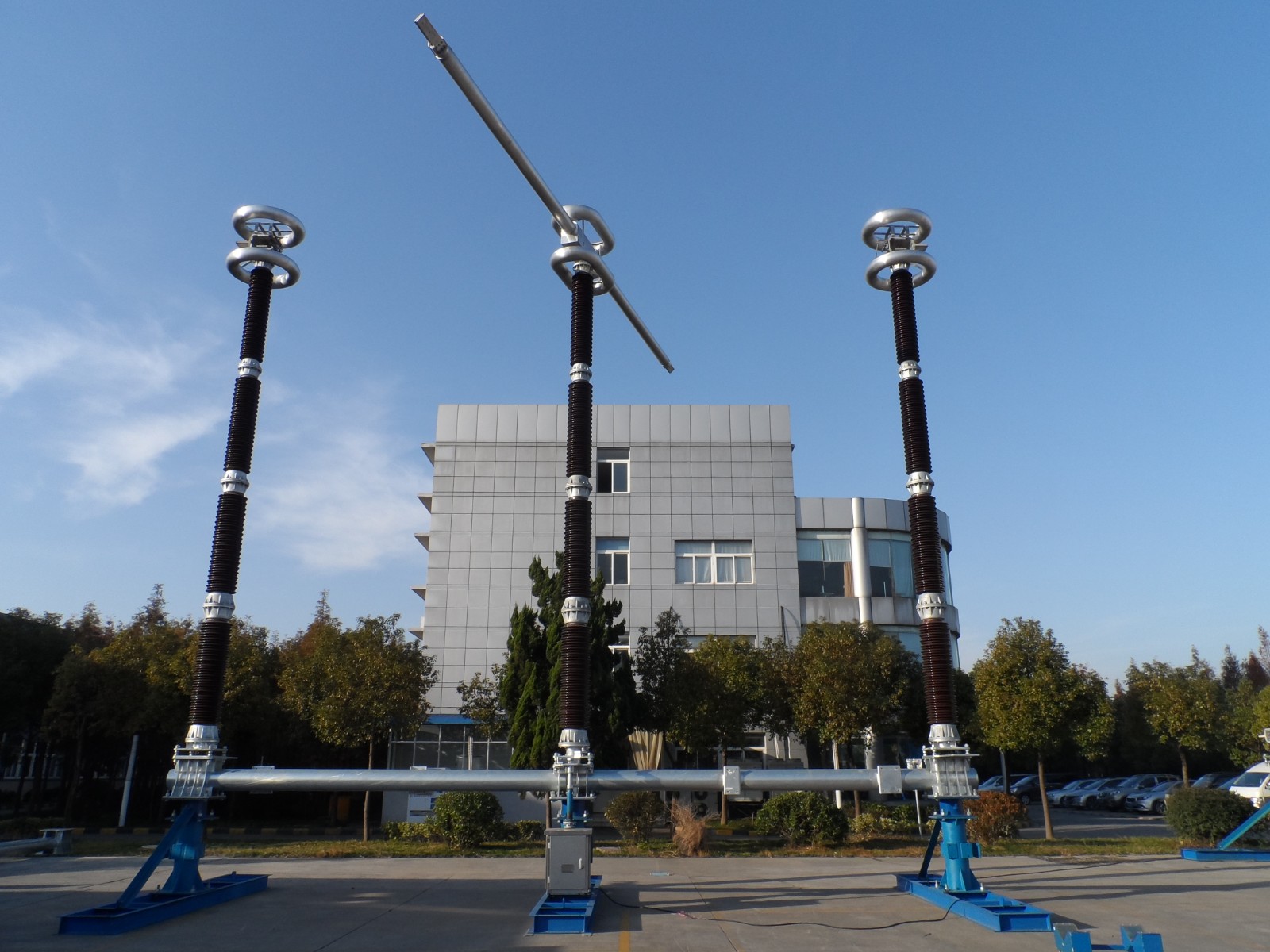
| Outdoor (Substation) | Porcelain | 72.5kV and above | Open-air substation yards |
Manufacturing Process and Quality Vulnerabilities
The reliability of a switch disconnector depends heavily on the quality of its raw materials and the precision of the assembly process. Cost-cutting at the factory level often manifests in areas that are not immediately visible but will drastically reduce the equipment's lifespan.
Contact Materials and Plating
The main contacts must carry continuous current without overheating and withstand the thermal stress of short circuits. High-quality manufacturers use high-conductivity electrolytic copper. The thickness and quality of the silver plating on these contacts are crucial. Substandard plating will wear off after a few hundred mechanical operations, leading to increased contact resistance, thermal runaway, and eventual failure.
Insulation Casting (Indoor Units)
For indoor disconnectors, epoxy resin insulators are typically manufactured using Automatic Pressure Gelation (APG). If the factory's temperature or pressure controls fluctuate during APG, microscopic voids can form inside the resin. Under high voltage, these voids cause partial discharge, which slowly degrades the insulation until a catastrophic breakdown occurs.
Need to verify a supplier's APG process and high-voltage testing capabilities before placing a volume order?
Talk to our teamFactory-Level Quality Control
To ensure consistent performance across a bulk order, robust Quality Control & Inspection protocols must be enforced at the factory.
Critical Pre-Shipment Checks for Switch Disconnectors
- Measurement of main circuit resistance (micro-ohm testing) to verify contact integrity.
- Mechanical operation tests (minimum 50 to 100 cycles) to ensure smooth opening/closing and verify interlocking mechanisms.
- Power-frequency voltage withstand tests on every unit to confirm dielectric strength.
- Verification of silver plating thickness on conductive contacts using non-destructive X-ray fluorescence (XRF).
- Visual inspection of epoxy cast components for surface defects, cracks, or improper curing.
Compliance, Standards, and Type Testing
In the electrical equipment sector, compliance is non-negotiable. Switch disconnectors must conform to international standards, primarily IEC 62271-102 (for alternating current disconnectors and earthing switches) and IEC 62271-103 (for switches for rated voltages above 1 kV).
Reputable manufacturers should be able to provide Type Test reports from recognized independent laboratories (such as KEMA, ASTA, or reputable domestic labs like XIHARI in China). However, possessing a type test report for a single prototype does not guarantee that your production run will match that exact design. Comprehensive Compliance & Testing oversight is required to ensure the materials and components used in your batch match the certified prototype. Conducting thorough Factory Audits prior to contract signing is the most effective way to verify that a supplier has the in-house testing equipment (such as partial discharge bays and high-current generators) necessary for routine production testing.
Buying Mechanics: MOQ, Pricing, and Lead Times
Sourcing high-voltage equipment requires careful supply chain planning due to the highly customized nature of the products and the heavy reliance on commodities like copper.
- Minimum Order Quantities (MOQ): For standard 12kV or 24kV indoor disconnectors, MOQs are often accessible, typically ranging from 10 to 50 units. For specialized high-voltage outdoor disconnectors, manufacturers may accept orders as small as 1 to 5 units, though setup costs will impact per-unit pricing.
- Pricing Drivers: The cost is heavily influenced by global copper prices, the complexity of the operating mechanism (manual vs. motorized), and the inclusion of integrated earthing switches. Specifying higher short-time withstand currents (e.g., 31.5kA instead of 20kA) requires significantly more copper and stronger mechanical bracing, driving up the cost.
- Lead Times: Typical production lead times range from 30 to 45 days for standard configurations. Custom OEM designs or non-standard voltage ratings can extend lead times to 60 days or more, not including international transit.
Looking to optimize your procurement costs and manage supply chain risks for medium voltage equipment?
Get a free consultationFrequently Asked Questions
Sourcing medium and high voltage switch disconnectors requires a precise balance of technical specification and rigorous factory-level oversight. By partnering with manufacturers who possess genuine engineering capabilities and enforcing strict quality control protocols, procurement teams can secure reliable, compliant equipment while optimizing their global supply chain.
Get Sourcing Help for Switch Disconnectors
Tell us your requirements and our experts will connect you with verified manufacturers.