Sugarcane Harvesters
Source commercial sugarcane harvesters in bulk from vetted manufacturers and suppliers. Designed for agricultural machinery importers, wholesale distributors, and procurement managers, our network provides reliable heavy-duty harvesting equipment. Explore factory-direct pricing for standard and OEM production models.
Sourcing sugarcane harvesters requires balancing robust mechanical reliability with precise hydraulic control. A failure in the field during the narrow harvest window means catastrophic crop loss and severe financial penalties for end-users. When procuring these complex machines directly from overseas manufacturers, buyers must rigorously evaluate engine emissions compliance, hydraulic system architecture, chassis durability, and after-sales parts availability.
Critical Specifications and Configurations
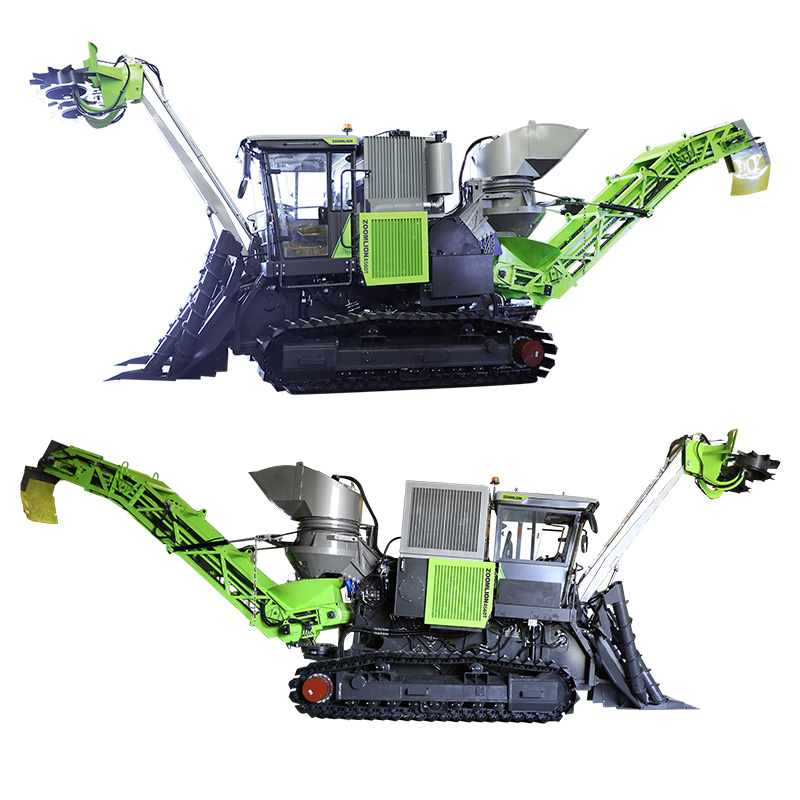
Sugarcane harvesters are generally categorized by their cutting method (whole-stalk vs. chopper) and their chassis type. Chopper harvesters dominate modern commercial operations due to their ability to cut, chop into billets, and extract trash in a single pass.
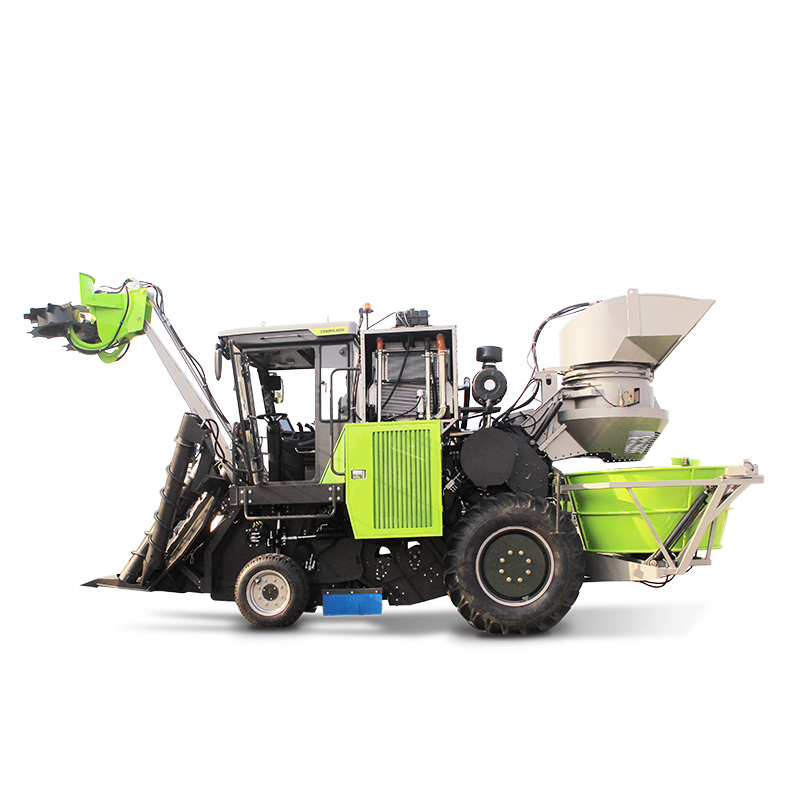
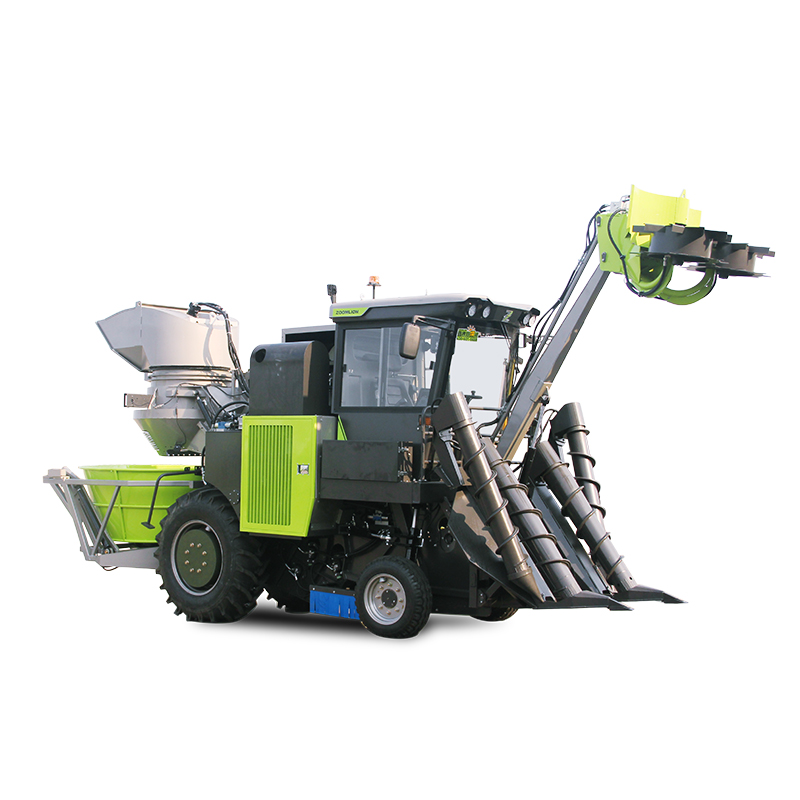
When specifying a machine with a manufacturer, the chassis configuration dictates the operational environment.
| Chassis Type | Terrain Suitability | Soil Compaction | Mobility & Transport |
|---|---|---|---|
| Tracked (Crawler) | Wet, muddy, or steep terrain | Low (distributes heavy machine weight) | Slower transport; requires flatbed for road transit |
| Wheeled | Dry, flat, and well-prepared fields | Higher (can cause rutting in wet conditions) | Fast field-to-field road transport |
Beyond the chassis, performance is dictated by the powertrain and the intake capacity. Specifying the correct engine power relative to the feed rate ensures the machine does not stall under heavy crop loads.
Need to validate a factory's heavy machinery production capabilities? Let us handle the technical vetting.
Talk to our teamManufacturing Quality and Component Selection
The reliability of a sugarcane harvester is won or lost in component selection and chassis fabrication. Asian manufacturers offer significant cost advantages, but the supply chain for internal components must be strictly managed.
- Hydraulics: The basecutter, chopper drums, and primary extractors are all hydraulically driven. Ensure the factory uses reputable hydraulic pumps and motors (e.g., Danfoss, Parker, or high-tier domestic equivalents). Inferior hydraulics will overheat and fail under continuous load.
- Engine Compliance: Standard domestic engines (like Weichai or Yuchai) are cost-effective but may not meet the emission standards of your destination market. Factories can often integrate imported engines (such as Cummins or John Deere) to meet Tier 4 Final or Stage V requirements, but this requires verifying their engineering integration capabilities through rigorous factory audits.
- Metallurgy: Basecutter blades and chopper knives must be forged from high-carbon or boron steel. Poor metallurgy leads to rapid blade dulling, which causes uprooting of the cane stool rather than a clean cut, damaging future ratoon crops.
Quality Control Checkpoints
Catching integration issues or fabrication flaws before the machine leaves the factory is mandatory. Comprehensive quality control for heavy agricultural machinery should include:
Pre-Shipment Inspection Protocol
- Hydraulic pressure testing under sustained maximum load to check for seal leaks.
- Non-Destructive Testing (NDT) on primary chassis and boom welds.
- Verification of engine emission certificates and serial numbers against the bill of materials.
- Dynamic balancing tests on chopper drums and extractor fans to minimize vibration.
- Verification of spare parts inclusion (filters, belts, spare blades) in the shipping crate.
Pricing, MOQs, and Lead Times
Because these are high-value capital goods, the Minimum Order Quantity (MOQ) is typically 1 to 2 units. However, wholesale distributors purchasing 3 to 5 units can negotiate significant volume discounts.
Prices vary drastically based on configuration. A basic wheeled whole-stalk harvester may start around $40,000 to $60,000. Conversely, a high-capacity, tracked chopper harvester featuring imported Tier 4 engines and premium closed-loop hydraulics will range from $120,000 to over $180,000.
Lead times are generally 60 to 90 days. This timeline is heavily dictated by the procurement of the engine and hydraulic components, rather than the steel fabrication itself.
Struggling with out-of-gauge shipping dimensions? We coordinate complex heavy machinery freight and customs clearance.
Get a free consultationLogistics and Shipping Challenges
Sugarcane harvesters are massive, out-of-gauge cargo. They rarely fit inside standard High Cube containers without extensive disassembly (removing the cabin, elevator, and basecutter). Buyers must calculate whether the cost of reassembly at the destination outweighs the premium freight costs of shipping fully assembled via Flat Rack containers or Roll-on/Roll-off (RoRo) vessels. Coordinating this requires expert shipping and freight management to avoid port delays and excessive rigging fees.
Frequently Asked Questions
Procuring sugarcane harvesters in bulk is a high-stakes investment that demands strict oversight of component sourcing, hydraulic integration, and out-of-gauge logistics. By focusing on engine compliance and structural metallurgy, importers can secure reliable machinery that performs flawlessly through the harvest season.
Get Sourcing Help for Sugarcane Harvesters
Tell us your requirements and our experts will connect you with verified manufacturers.