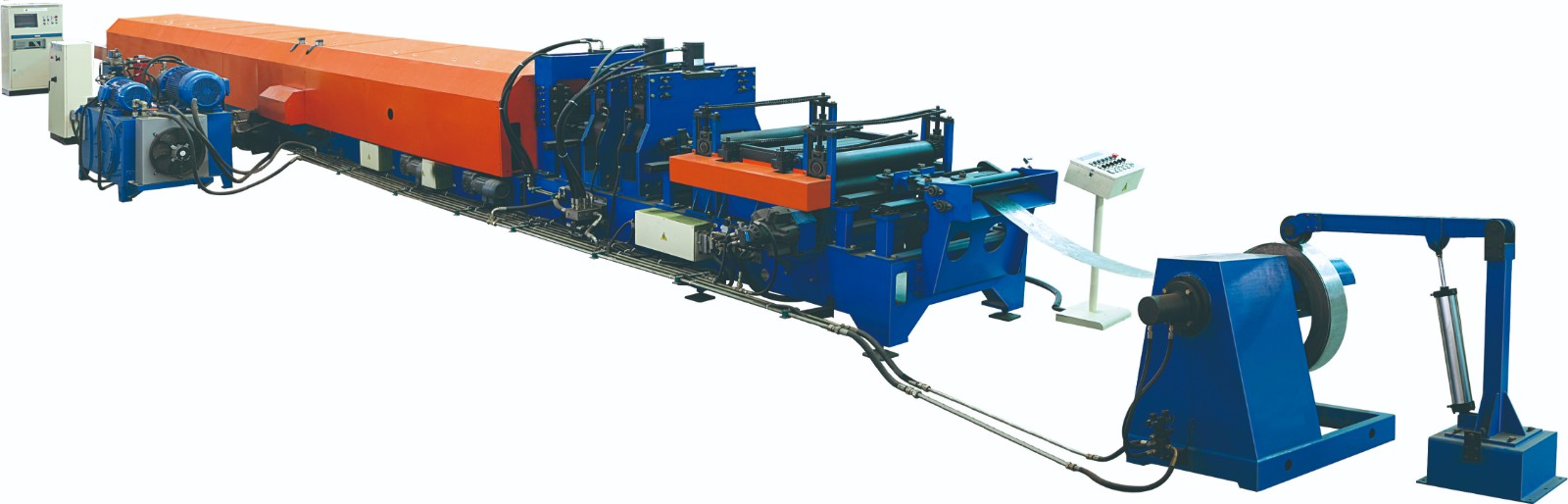
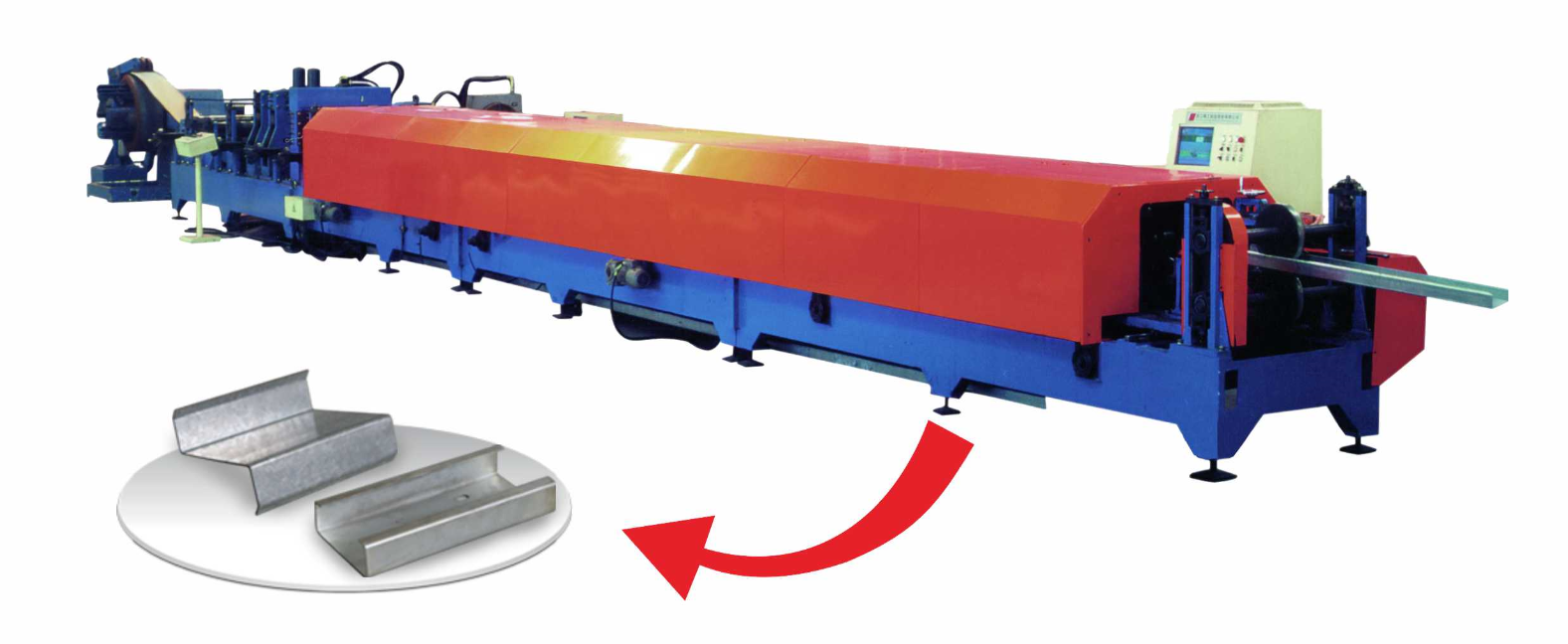
Steel Frame & Purlin Machines
Source high-performance Steel Frame & Purlin Machines from vetted suppliers and manufacturers in China and Asia. Designed for importers, distributors, and construction machinery brands, our network delivers reliable roll-forming equipment built for precision and volume. Secure competitive pricing for your wholesale or custom OEM requirements.
Procuring industrial-grade steel frame and purlin roll-forming machines requires strict attention to mechanical tolerances, control system reliability, and material handling capabilities. For importers and distributors, the sourcing challenge lies in distinguishing between manufacturers who use high-grade tooling steel and robust control architectures versus those cutting corners on shaft diameters and hydraulic systems. A machine that fails to maintain strict dimensional accuracy at high speeds will result in substantial material waste and project delays for the end user.
Core Specifications to Define
When negotiating with manufacturers, vague specifications lead to substandard equipment. You must define the exact parameters of the steel profiles the machine will handle, as this dictates the motor power, shaft thickness, and roller materials required.
- Material Thickness & Yield Strength: Specify the maximum gauge and yield strength (e.g., up to 3.0mm, G550 galvanized steel). High-tensile steel requires significantly more robust forming stands and specialized roller treatments.
- Forming Speed: Standard machines operate at 15 to 20 meters per minute. High-speed lines utilizing flying shears and non-stop punching can achieve speeds exceeding 30 meters per minute.
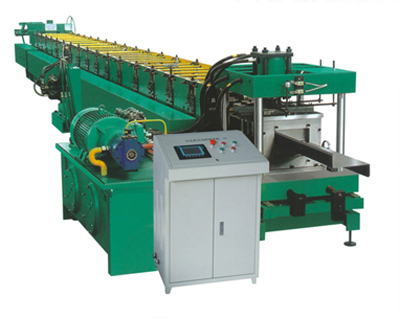
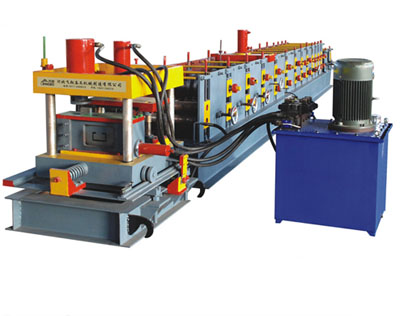
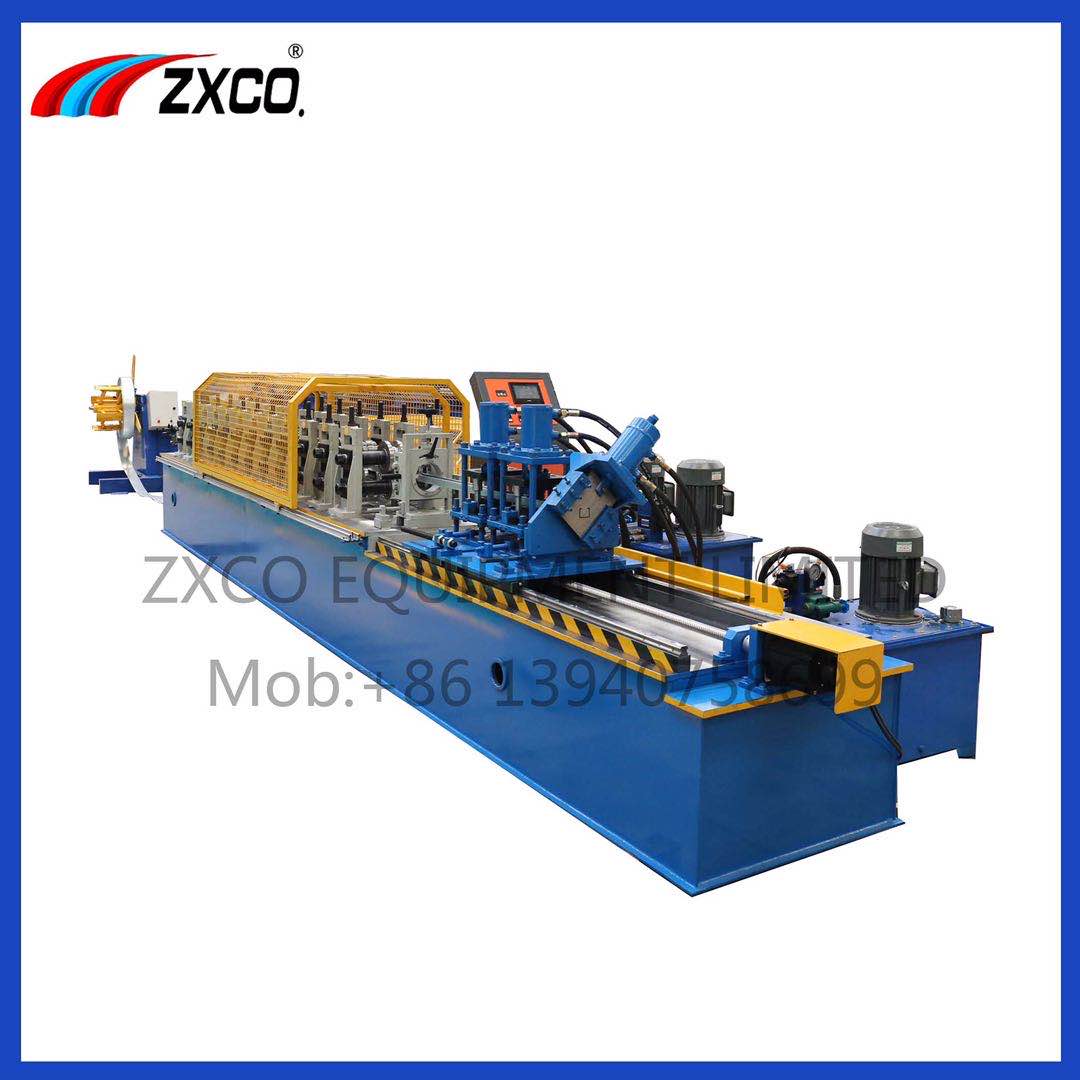
- Profile Interchangeability: For purlin machines, determine if you need a dedicated C-channel/Z-channel machine or an automatic C/Z interchangeable system. Modern interchangeable machines use PLC-controlled servo motors to switch profiles in minutes without manual spacer adjustments.
- Control Systems: Specify internationally recognized PLC brands (e.g., Siemens, Mitsubishi, Yaskawa) for the control cabinet. Off-brand controllers often suffer from proprietary software lock-ins and poor English-language interfaces.
| Specification | Standard Purlin Machine | Advanced C/Z Interchangeable |
|---|---|---|
| Profile Switching | Manual spacer change (2-4 hours) | Automatic PLC controlled (under 10 mins) |
| Cutting Mechanism | Stop-to-cut hydraulic | Non-stop flying shear |
| Roller Material | 45# Steel with hard chrome | Cr12MoV or GCr15 (quenched) |
| Drive System | Chain drive | Gearbox or independent servo drive |
Struggling to verify technical specifications with overseas machinery suppliers? Let our engineering sourcing team help.
Talk to our teamManufacturing Quality and Factory Vetting
The longevity of a roll-forming machine is determined on the factory floor. The primary areas where manufacturers compromise to lower costs are the roller metallurgy and the structural rigidity of the machine frame.
Rollers must be CNC machined and undergo proper heat treatment (quenching) to achieve a hardness of HRC58-62. If the factory skips the quenching process or uses inferior steel, the rollers will wear prematurely, causing the steel profiles to twist or flare. The main shafts should have a diameter appropriate for the material thickness—typically 70mm to 90mm for standard purlins, and up to 120mm for heavy-duty applications.
To ensure you are partnering with a capable manufacturer rather than an assembly workshop, rigorous vetting is essential. Utilizing professional Factory Audits allows you to verify their in-house CNC machining capabilities, heat-treatment processes, and overall quality management systems before placing a deposit.
Critical Factory Evaluation Points
- Verify in-house CNC lathing and milling equipment for roller production.
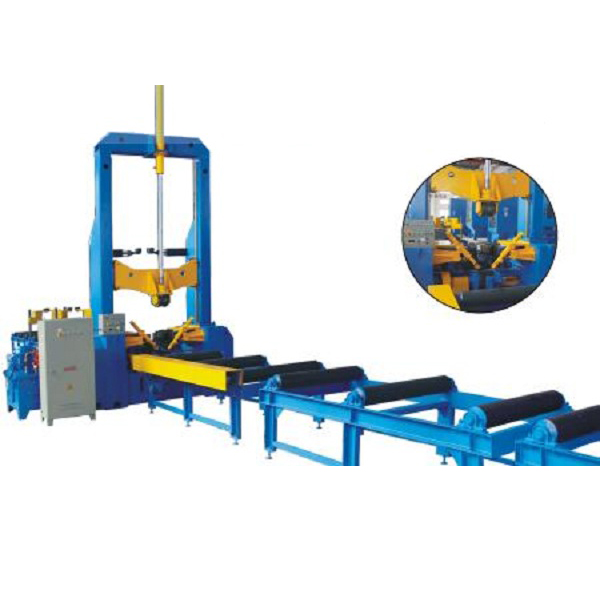
- Inspect the thickness and welding quality of the main machine base (H-beam or heavy steel plate).
- Confirm the origin and authenticity of hydraulic components and PLC systems.
- Check for proper heat treatment documentation for cutting blades and forming rollers.
Quality Control and Pre-Shipment Inspection
Never authorize the final balance payment without a comprehensive run-off test at the factory. The machine must be tested using the exact gauge and grade of steel coil it will process in the field.
During Quality Control & Inspection, inspectors should measure the finished profiles against the technical drawings to ensure dimensional accuracy. Key checks include verifying that the punched holes align perfectly, the cut edges are free of burrs or deformation, and the profile does not exhibit camber, sweep, or twist. The software interface must also be tested for accurate length measurement and batch counting.
Pricing, MOQs, and Lead Times
Machinery sourcing involves significant capital investment and longer production cycles. Prices vary drastically based on the level of automation, speed, and component brands.
Because these machines are heavy and bulky, freight costs represent a significant portion of the landed price. Coordinating with a partner who understands heavy machinery Shipping & Freight ensures the equipment is properly blocked, braced, and coated in anti-rust oil for the ocean transit, preventing costly damage before it even arrives.
Need to streamline your machinery procurement and logistics? Speak with our sourcing experts today.
Get a free consultationFrequently Asked Questions
Sourcing steel frame and purlin machines requires navigating complex technical specifications and avoiding manufacturers who cut corners on metallurgy and control systems. Success depends on rigorous supplier vetting, strict contractual specifications, and demanding pre-shipment performance tests. Having an experienced partner on the ground ensures your capital equipment arrives on time, on spec, and ready for production.
Get Sourcing Help for Steel Frame & Purlin Machines
Tell us your requirements and our experts will connect you with verified manufacturers.