Spider Cranes
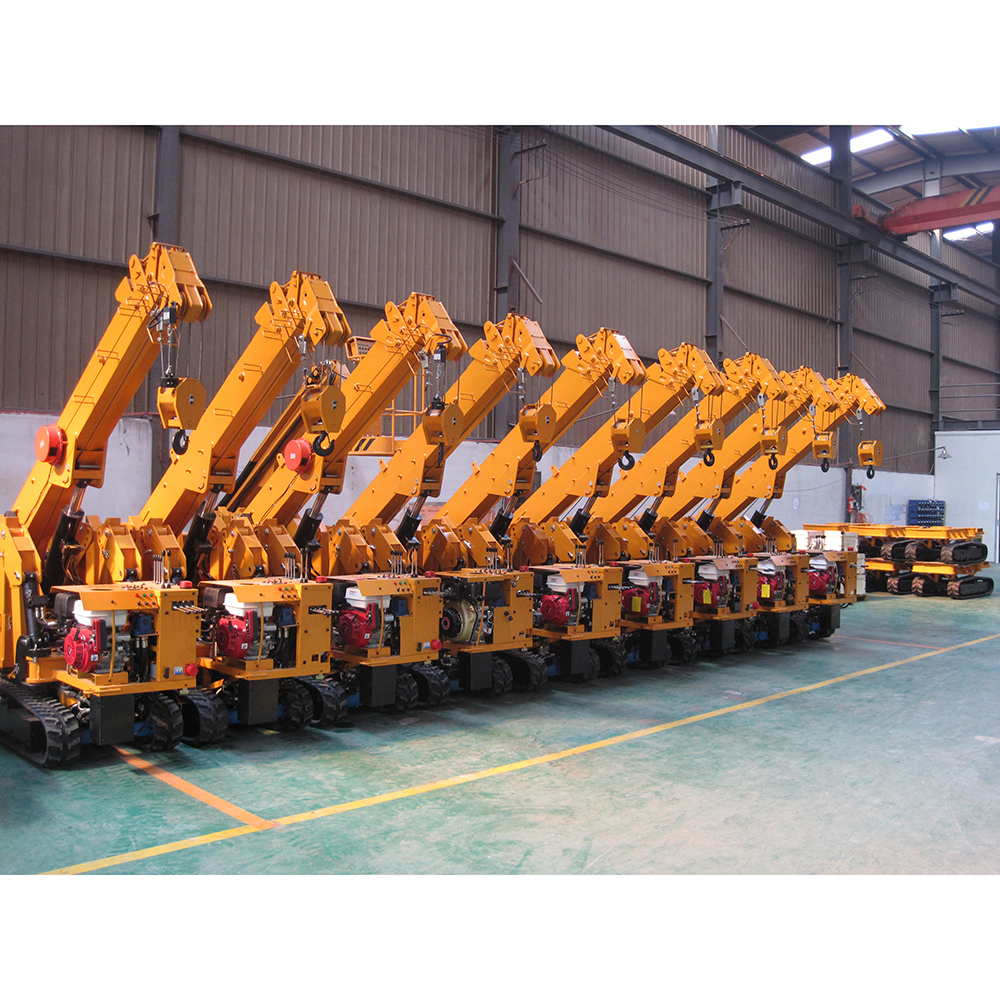
Source high-quality spider cranes directly from vetted manufacturers and assembly plants in Asia. Built for heavy machinery distributors, equipment rental fleets, and construction importers, our wholesale mini crawler cranes offer precision lifting. Explore OEM and bulk purchasing options.
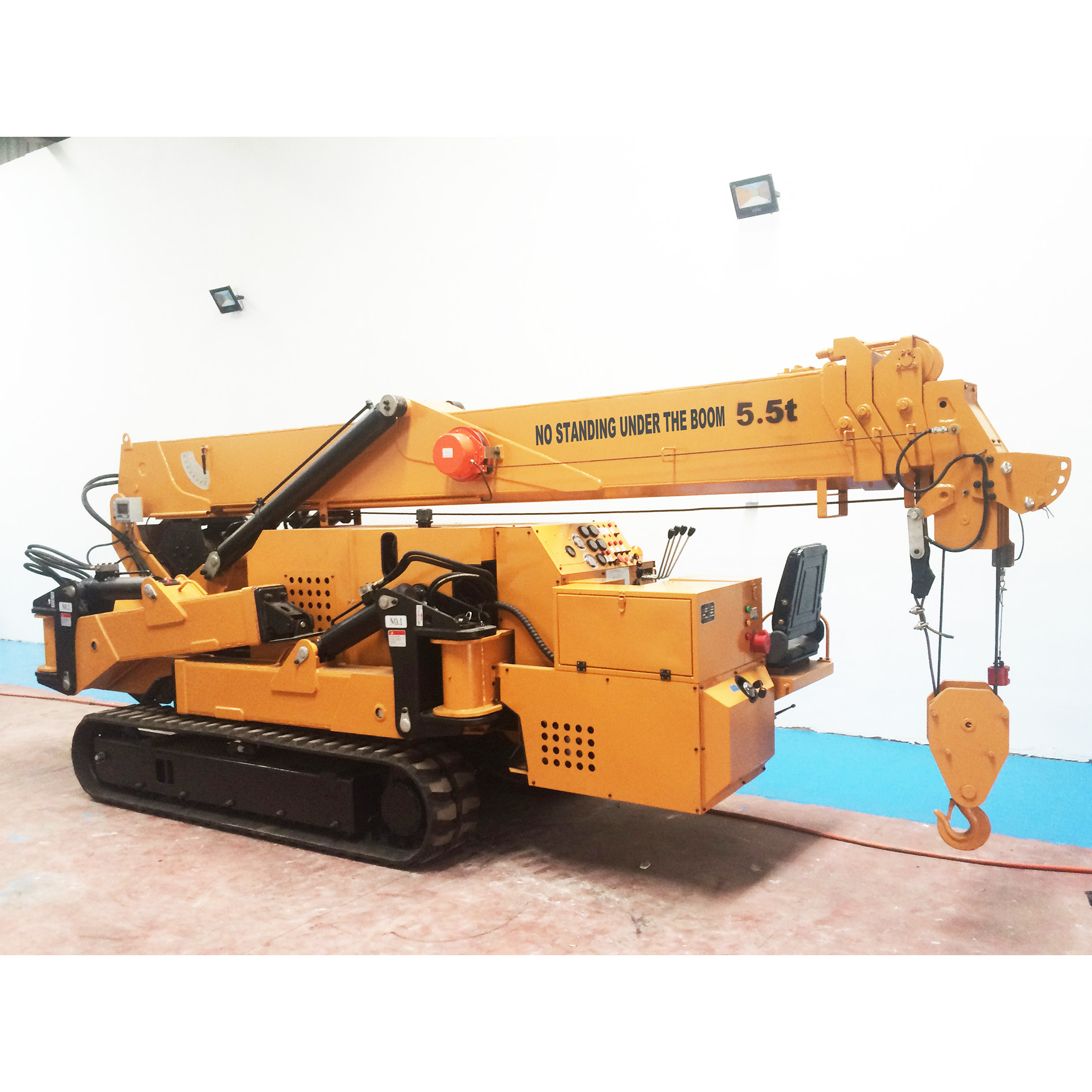
Spider cranes, also known as mini crawler cranes, have become indispensable for tight-access lifting, indoor construction, curtain wall installation, and plant maintenance. Because these machines operate in confined spaces and often handle high-value or hazardous loads, sourcing them requires strict attention to hydraulic reliability, load moment indicators (LMI), and structural integrity.
For importers and distributors, buying heavy machinery overseas involves significant capital and liability. Success depends on partnering with manufacturers who use high-grade steel for boom sections, reliable hydraulic components, and rigorous load-testing protocols before shipment.
Key Specifications to Define with Manufacturers
When approaching a factory for spider cranes, generic requests will yield inconsistent quotes. You must define the operational parameters clearly so the manufacturer can specify the correct chassis, boom profile, and power plant.
Critical Spider Crane Specifications
- Maximum Lifting Capacity: Typically ranging from 1 ton to 8 tons at minimum radius.
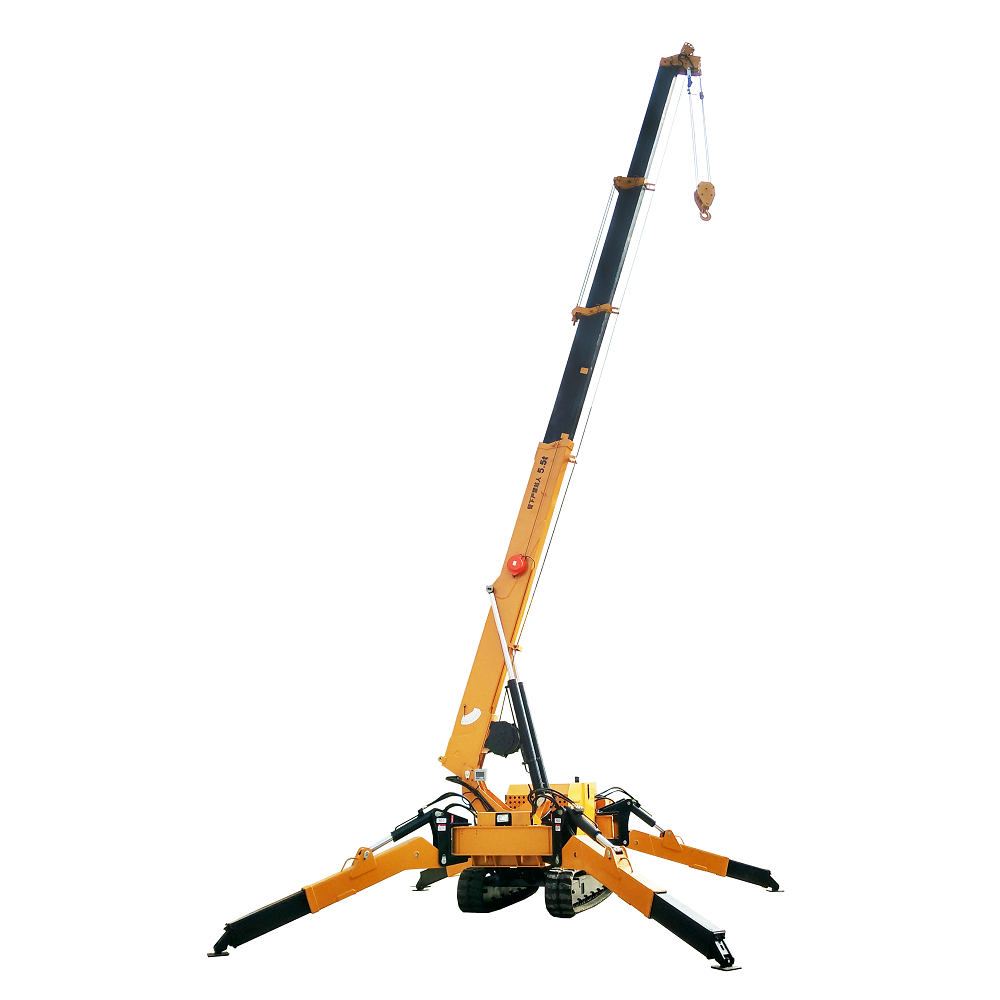
- Maximum Working Radius and Lifting Height: Determines the number of boom sections (usually 4 to 6 stages) and cylinder stroke lengths.
- Power Source: Diesel engine (standard), electric motor (for zero-emission indoor use), or dual-power systems (combining both).
- Track Type: Standard black rubber tracks for outdoor terrain, or non-marking white tracks for finished indoor floors.
- Winch and Rope Specs: Wire rope diameter, length, and fall configurations (single vs. multiple parts of line).
Navigating heavy machinery specifications and factory capabilities? Let Merhein help you identify the right manufacturing partners for your fleet.
Talk to our teamManufacturing Quality and Factory Vetting
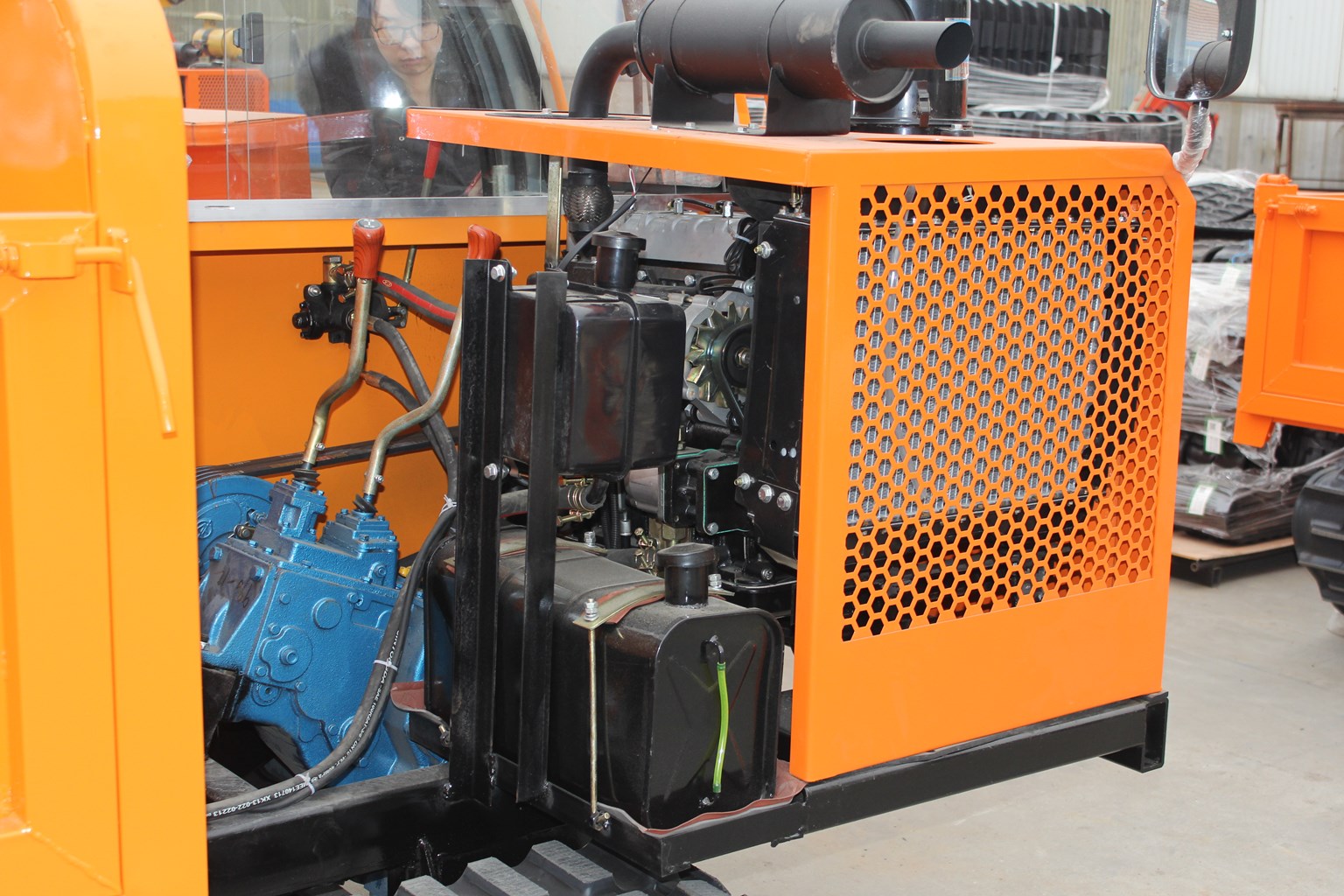
The difference between a reliable spider crane and a maintenance liability lies in the hydraulic system and safety interlocks. Many export-oriented factories assemble machines using components from various sub-suppliers. Verifying the origin and quality of these components is critical.
Hydraulic and Control Systems
The hydraulic pump and proportional valves dictate the smoothness of the crane's operation. Jerky movements during a glass installation can be disastrous. Ensure the manufacturer uses reputable hydraulic brands (often imported from Japan, Italy, or Germany for premium lines, or top-tier domestic Chinese brands for standard lines).
Safety Systems and LMI
Modern spider cranes must feature a reliable Load Moment Indicator (LMI) that automatically stops crane operation if the load exceeds safe working limits. Outrigger interlock systems are equally crucial; the crane should not operate unless the outriggers are fully deployed and grounded. Because safety standards vary by region, conducting thorough factory audits is essential to verify that the manufacturer actually installs and calibrates these systems correctly, rather than just listing them on a spec sheet.
Boom Construction
Telescopic booms must be manufactured from high-tensile steel (such as Weldox or equivalent grades) to minimize weight while maximizing strength. Poor welding on boom sections can lead to catastrophic failure under load. We strongly recommend implementing strict quality control and inspection protocols, including pre-shipment load testing at 110 percent to 125 percent of the rated capacity.
Pricing, MOQs, and Lead Times
Sourcing heavy machinery operates on different mechanics than standard consumer goods.
Pricing is highly sensitive to the chosen power plant (dual-power systems add significant cost) and the brand of the engine (e.g., Kubota or Yanmar vs. domestic alternatives).
Additionally, logistics for heavy equipment require careful planning. While smaller spider cranes can be driven into standard shipping containers, they require heavy-duty blocking and bracing. Larger models might require open-top containers or flat racks. Coordinating this requires experienced shipping and freight management to avoid damage during transit and ensure smooth customs clearance.
Need to coordinate a complex machinery purchase? We manage the end-to-end process from factory negotiation to final delivery.
Get a free consultationWhen sourcing spider cranes in volume, the upfront unit price is only one part of the equation. Total cost of ownership—driven by component reliability, safety compliance, and aftermarket parts availability—will ultimately dictate the success of your import program. Partnering with the right factory ensures your equipment performs safely and reliably in the field for years to come.
Get Sourcing Help for Spider Cranes
Tell us your requirements and our experts will connect you with verified manufacturers.