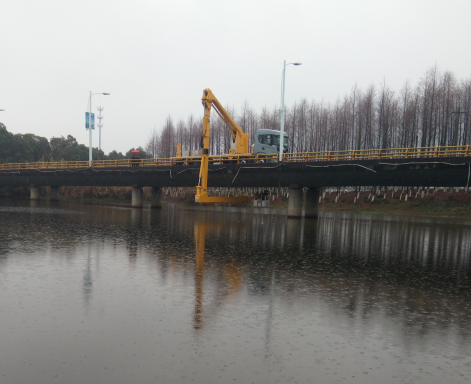
Special Transportation
Source special transportation equipment directly from vetted manufacturers and suppliers in China and Asia. Designed for commercial importers, industrial distributors, and OEM brands, our network provides bulk pricing and reliable production for custom transport solutions. Secure high-quality vehicles built to your exact specifications.
Sourcing special transportation equipment—whether for industrial facilities, municipal operations, or niche commercial applications—requires stringent oversight far beyond standard automotive procurement. The primary challenge lies in aligning complex mechanical and structural requirements with a manufacturing partner capable of consistent, compliant production at scale.
Core Specifications for Custom Transport
When developing or procuring specialized vehicles, the bill of materials and technical drawings must leave no room for interpretation. Off-the-shelf solutions rarely meet the precise operational demands of specialized sectors, making robust OEM/ODM services a necessity for most volume buyers.
Key engineering parameters to define upfront include:
- Chassis and Structural Integrity: Specify the exact steel grade (e.g., Q345B or high-tensile equivalents) and required anti-corrosion treatments, such as hot-dip galvanizing or electrophoretic deposition (EPD) coatings.
- Powertrain and Propulsion: For electric variants, define the Battery Management System (BMS) protocol, IP ratings for motors (minimum IP67 for outdoor use), and battery chemistry (LiFePO4 is standard for commercial durability).
- Hydraulic and Pneumatic Systems: Detail the operating pressure, cylinder bore sizes, and required safety valves to prevent catastrophic failure under maximum load.
Need help verifying a factory's engineering capabilities? Talk to our team to ensure your technical requirements are met.
Discuss Your SpecsManufacturing Validation and Quality Control
The gap between a prototype and mass production is where many sourcing projects fail. Assessing a supplier's true capability requires comprehensive factory audits focusing on their welding automation, assembly line testing, and sub-component sourcing network.
Defects in special transportation are not just costly; they are safety hazards. Implementing rigorous quality control & inspection protocols at the factory level is critical.
Critical In-Line & Pre-Shipment Inspection Points
- Non-destructive testing (NDT) on critical load-bearing welds (ultrasonic or X-ray).
- Load capacity testing at 110 percent to 125 percent of the rated maximum payload.
- Electrical harness continuity and insulation resistance testing.
- Hydraulic system pressure retention tests over a 24-hour cycle.
- Brake system responsiveness and stopping distance verification under full load.
Navigating Certifications and Market Compliance
Specialized vehicles face a complex web of regulatory requirements that vary drastically by destination market. A vehicle built for private industrial grounds will have vastly different compliance needs than one intended for public road use.
Ensure your manufacturer has experience with the specific homologation processes required for your region. This often involves working with third-party compliance & testing laboratories to secure certifications such as CE machinery directives for Europe, DOT/NHTSA compliance for the US, or specific ISO standards (like ISO 3691 for industrial trucks). Relying on a factory's self-certified documents without independent verification is a major risk.
MOQs, Lead Times, and Pricing Dynamics
Pricing for special transportation is highly volatile, driven by raw material costs (steel, aluminum, lithium) and the degree of custom engineering required.
Tooling costs for custom body panels or specialized attachments should be amortized over your projected annual volume. Always negotiate the ownership of molds and CAD files in your initial manufacturing agreement to prevent supplier lock-in.
Ready to optimize your procurement costs? Let us help you negotiate pricing and terms with vetted manufacturers.
Get a Free ConsultationFrequently Asked Questions
Successful procurement of special transportation equipment relies on strict technical oversight and supply chain transparency. By controlling the specifications, validating the factory's engineering processes, and enforcing rigorous independent inspections, you can secure reliable, compliant vehicles that perform flawlessly in the field.
Get Sourcing Help for Special Transportation
Tell us your requirements and our experts will connect you with verified manufacturers.