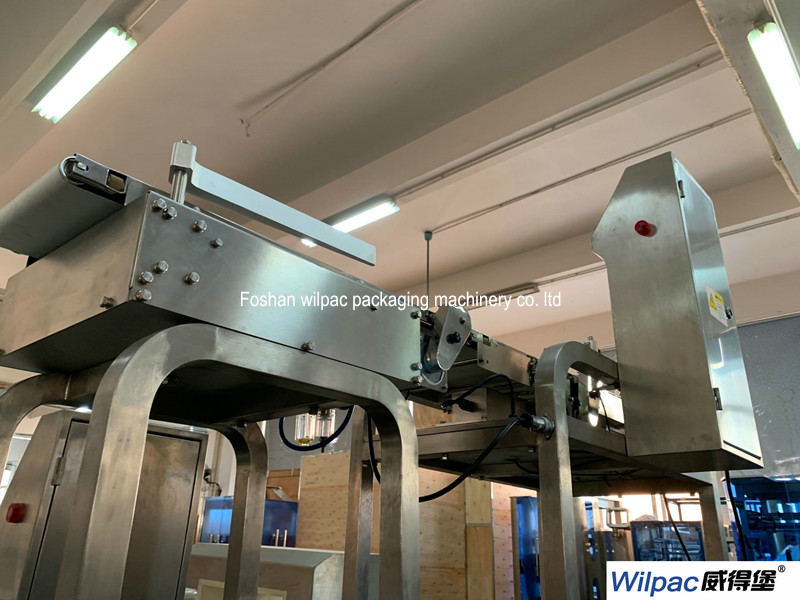
Sorting Machines
Source industrial Sorting Machines directly from vetted Chinese manufacturers and suppliers. Designed for importers, distributors, and procurement managers buying in volume or seeking OEM/ODM production, our network provides high-throughput sorting solutions for packaging and processing lines.
Sorting machines are the critical bottleneck or the ultimate breakthrough in any high-volume packaging, food processing, or logistics line. Whether you are specifying optical color sorters for agricultural products, high-speed weight sorters for logistics, or material separators for recycling, precision and uptime dictate the return on investment. Sourcing these units overseas requires rigorous technical alignment on throughput capacities, sensor resolution, and ejector reliability before a deposit is ever paid.
When buying industrial sorting equipment in bulk or establishing a private-label machinery line, the primary challenge is separating genuine manufacturers with robust R&D from simple assembly workshops that lack after-sales engineering support.
Specifying the Right Sorting Architecture
The performance of a sorting machine is defined by its ability to identify anomalies and physically remove them without disrupting the flow of acceptable product. Buyers must specify exact parameters based on the material being sorted to ensure the factory configures the correct combination of optics, processing power, and pneumatics.
Key technical specifications to define include:
- Throughput Capacity: Measured in tons per hour (t/h) or pieces per minute. Ensure the factory's stated capacity matches your specific material density, as lightweight materials drastically reduce actual t/h throughput.
- Sensor Technology: Depending on the application, specify full-color CCD cameras, NIR (Near-Infrared) for internal defect detection, or X-ray for foreign contaminant removal.
- Ejector System: The pneumatic valves or mechanical arms that physically sort the product. High-frequency electromagnetic valves are standard for granular products, while pneumatic pushers or flippers are used for larger packaged goods.
- Chute vs. Belt Design: Chute sorters rely on gravity and are ideal for grains and plastics. Belt sorters are required for fragile, wet, or irregularly shaped items that cannot sustain a free-fall.
Need help verifying a sorting machine manufacturer's technical capabilities?
Talk to our teamManufacturing Quality & Component Selection
The durability of a sorting machine heavily depends on the origin and quality of its core components. While the steel frame and chutes are fabricated locally, the critical electronics and pneumatics are often imported or sourced from specialized domestic tiers.
A common cost-cutting measure by lower-tier suppliers is using unbranded PLC (Programmable Logic Controller) systems or low-cycle ejector valves that fail prematurely under continuous operation. Conducting rigorous factory audits is essential to verify that a supplier uses authentic, high-grade components (such as Festo or SMC pneumatics, and Toshiba or custom FPGA processing chips) and has the in-house CNC machining capability to ensure frame rigidity. Frame vibration is a primary cause of optical sorting errors.
Pre-Shipment Inspection Focus Areas
When executing quality control prior to container loading, standard visual checks are insufficient. Inspectors must conduct dynamic testing using the actual target material.
Critical Sorting Machine Inspection Points
- Dynamic throughput testing using client-provided sample materials.
- Verification of sorting accuracy percentage over a continuous 60-minute run.
- Inspection of ejector valve synchronization and air pressure stability.
- Confirmation of CE/UL compliance for all electrical panels and wiring.
- Software interface check for correct language localization and parameter saving.
Pricing, MOQs, and Lead Times
Industrial sorting machines are high-value capital equipment. While the Minimum Order Quantity (MOQ) is almost always 1 unit, wholesale distributors and OEM brands ordering in batches of 3 to 5 units can negotiate significant discounts.
- Typical Pricing Drivers: The number of sorting channels (chutes) directly multiplies the cost, as each channel requires its own dedicated cameras, processing boards, and ejector banks. The origin of the sensors (imported Japanese/German vs. domestic Chinese) also heavily impacts the final price.
- Standard Lead Times: Expect 30 to 45 days for standard configurations. Custom OEM designs, specialized software algorithms, or non-standard voltage requirements can extend lead times to 60 days or more.
- Logistics Considerations: These machines are bulky, heavy, and sensitive to moisture and shock. Proper crating with vacuum-sealed vapor barriers and shock-absorbing pallets is mandatory. Coordinating specialized shipping and freight is critical, as these units often require flat-rack containers or careful LCL handling to avoid damage during transit.
Optimize your machinery sourcing and secure better terms with vetted suppliers.
Get a free consultationBuyer FAQ
Sourcing sorting machines requires looking beyond the spec sheet to evaluate the manufacturer's software engineering, component supply chain, and quality control rigor. By securing the right factory and enforcing strict dynamic testing before shipment, you ensure the equipment integrates seamlessly into your production line and delivers the promised throughput from day one.
Get Sourcing Help for Sorting Machines
Tell us your requirements and our experts will connect you with verified manufacturers.