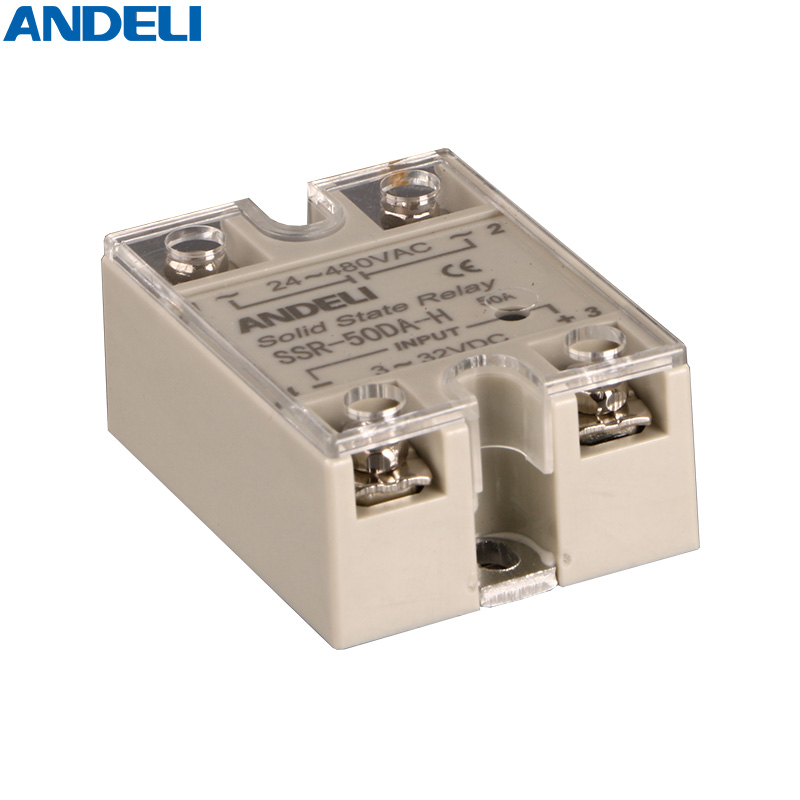
Solid State Relays
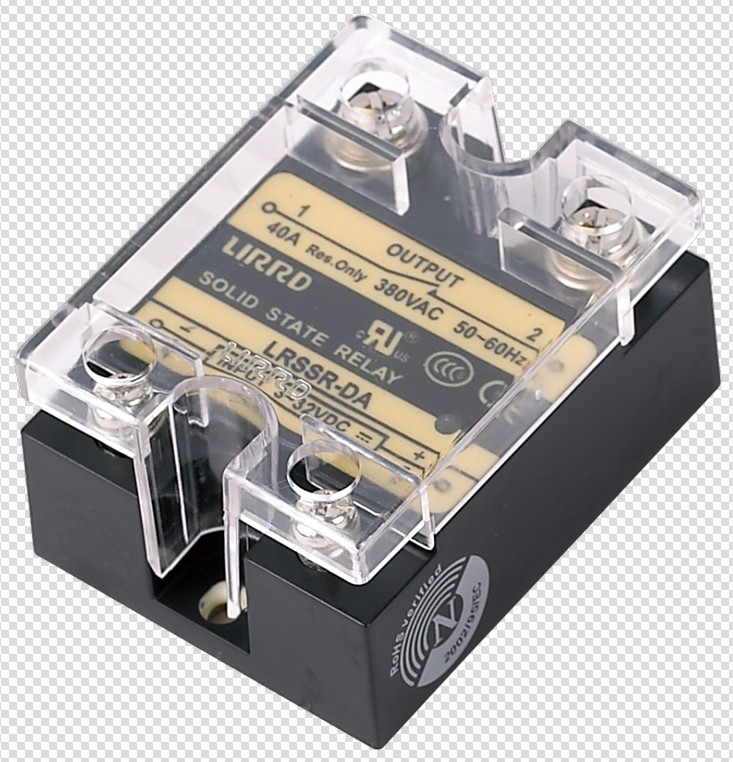
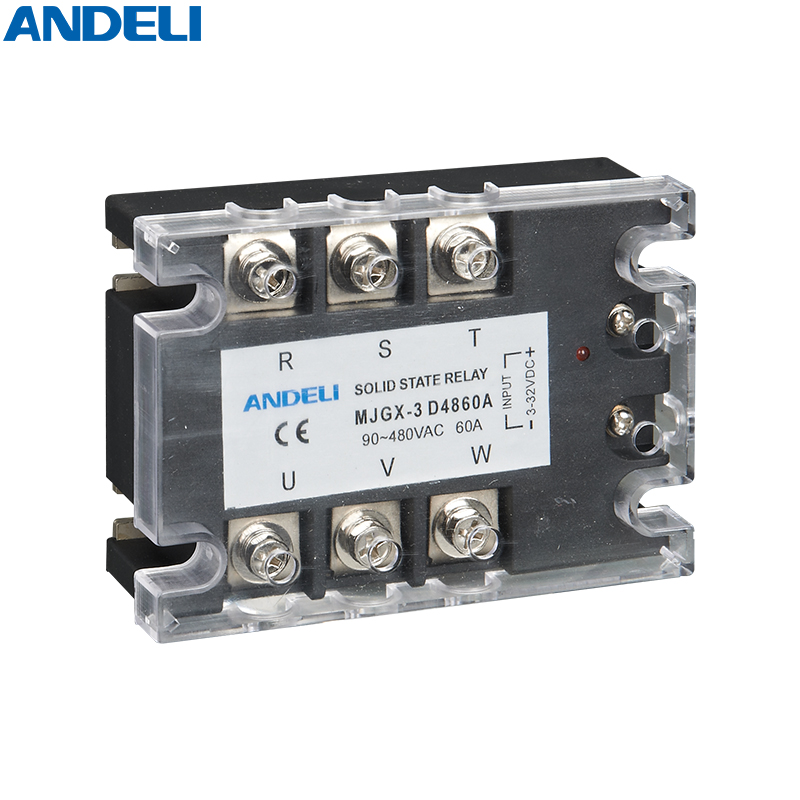
Source high-quality Solid State Relays in bulk directly from vetted manufacturers and wholesale suppliers. Designed for importers, distributors, and electronics brands seeking reliable OEM production, our network delivers industrial-grade SSRs with rigorous quality control, verified certifications, and competitive factory pricing.
Sourcing solid state relays (SSRs) at scale requires strict attention to thermal management, component origin, and dielectric integrity. Unlike electromechanical relays, SSRs have no moving parts, relying entirely on semiconductor switching. This makes them highly reliable in high-cycle applications, but it also means poor heat dissipation or substandard internal triacs will lead to rapid, catastrophic failure in the field.
Critical Specifications for Bulk Orders
When communicating with manufacturers, vague specifications lead to inconsistent batches. You must define exact operating parameters to ensure the factory selects the correct internal semiconductor dies and base plates for your application.
Essential SSR Specifications
- Control Voltage: Specify exact input ranges (e.g., 3-32V DC or 90-250V AC) and minimum turn-on/turn-off thresholds.
- Load Voltage and Current: Define maximum continuous load current and peak transient voltage (e.g., 40A, 480V AC).
- Isolation Voltage: Specify required dielectric strength between input and output (typically 2500V to 4000V rms).
- Switching Type: Clearly state if the application requires zero-crossing (for resistive loads) or random turn-on (for inductive loads).
Need help verifying technical specifications with overseas factories? We ensure your engineering requirements translate perfectly to the production floor.
Talk to our teamManufacturing Quality: Where SSRs Fail
The lifespan of an SSR is directly tied to its internal thermal resistance. Factory-level quality control is the only way to ensure the product will survive demanding industrial environments.
The Die-Attach Process
The semiconductor chip (triac or thyristor) must be perfectly bonded to the copper or aluminum base plate. Voids in the solder or thermal paste create localized hot spots, leading to thermal runaway. High-end manufacturers use automated vacuum soldering to eliminate air pockets and ensure uniform heat transfer.
Encapsulation and Potting
SSRs are potted in epoxy resin to protect against moisture, vibration, and dust. If the factory uses low-grade epoxy or fails to cure it under proper vacuum conditions, internal stress can fracture the semiconductor die. During quality control and inspection, it is critical to verify that thermal cycling tests are performed on random batch samples to expose potting flaws.
| Component | Standard Quality | Industrial/Premium Quality |
|---|---|---|
| Internal Switching Element | Domestic generic triacs | Imported premium thyristors (e.g., STMicroelectronics) |
| Base Plate | Thin aluminum | Direct Copper Bonded (DCB) ceramic or thick copper |
| Thermal Pad | Standard silicone grease | High-conductivity phase-change material |
Compliance and Certification
SSRs are critical safety components in industrial machinery, HVAC systems, and medical devices. Importing non-compliant relays can result in customs seizures or catastrophic liability. Ensure your supplier can provide verifiable test reports for UL 508, CE (EN 60947-4-3), and RoHS. Because fake certificates are common, utilizing professional compliance and testing services to verify documentation directly with the issuing laboratories is a standard best practice.
Pricing Drivers, MOQs, and Lead Times
Procurement costs for SSRs scale linearly with amperage ratings and the quality of internal semiconductors.
- Minimum Order Quantities (MOQs): Standard off-the-shelf SSRs often have low MOQs (100 to 500 units). For custom-branded OEM orders or specific terminal configurations, expect MOQs between 1,000 and 3,000 units.
- Lead Times: Typical production takes 3 to 5 weeks. Global semiconductor shortages can occasionally push this to 8 weeks for high-amperage models requiring imported thyristors.
- Pricing Variables: A 40A single-phase SSR might range from a few dollars to over fifteen dollars. The price gap is entirely driven by the base plate material (copper vs. aluminum) and the origin of the optocoupler and switching die.
Protect your supply chain from substandard components. We audit factories and negotiate pricing based on real bill-of-materials costs.
Get a free consultationBefore committing to a high-volume order, conducting thorough factory audits is essential. Many suppliers listed on B2B directories are trading companies that outsource to lowest-bidder workshops. An audit ensures you are dealing with a manufacturer that possesses in-house automated potting, vacuum soldering, and rigorous end-of-line testing equipment.
Frequently Asked Questions
Sourcing reliable solid state relays is less about finding the lowest unit price and entirely about verifying the manufacturer's internal engineering and thermal management capabilities. Partnering with a factory that understands industrial-grade tolerances ensures your end products perform safely in the field for years to come.
Get Sourcing Help for Solid State Relays
Tell us your requirements and our experts will connect you with verified manufacturers.