Solar Cells
Source high-efficiency solar cells in bulk directly from vetted manufacturers and wholesale suppliers. Designed for PV module assemblers, distributors, and brands seeking reliable OEM production, our network delivers monocrystalline and polycrystalline cells built to strict international standards.
Sourcing solar cells at scale requires a precise balance between cost per watt and long-term degradation rates. When procuring bare photovoltaic cells for module assembly or specialized energy applications, the primary challenge is securing consistent efficiency grades across high-volume batches while eliminating hidden defects that compromise the final panel's lifespan.
Cell Technologies and Form Factors
The solar cell market has rapidly shifted toward larger wafer sizes and higher-efficiency architectures. When negotiating with factories, specifying the exact cell architecture, wafer size, and busbar configuration is critical to ensuring compatibility with your module assembly lines.
| Cell Architecture | Typical Efficiency | Primary Application |
|---|---|---|
| P-Type PERC | 22.5% - 23.5% | Standard commercial/residential modules |
| N-Type TOPCon | 24.0% - 25.5% | High-efficiency utility and premium residential |
| N-Type HJT | 24.5% - 26.0% | Extreme high-efficiency and bifacial designs |
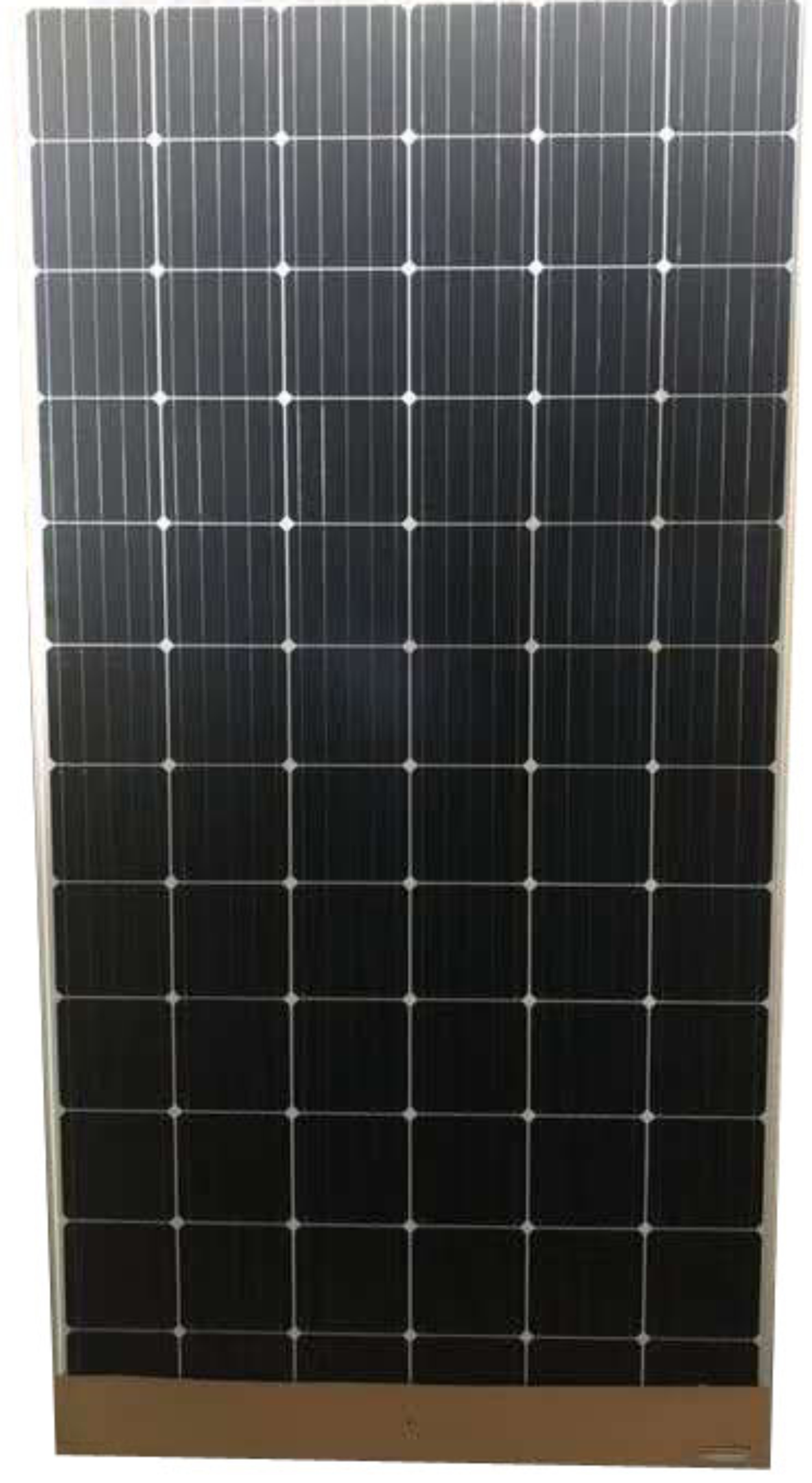
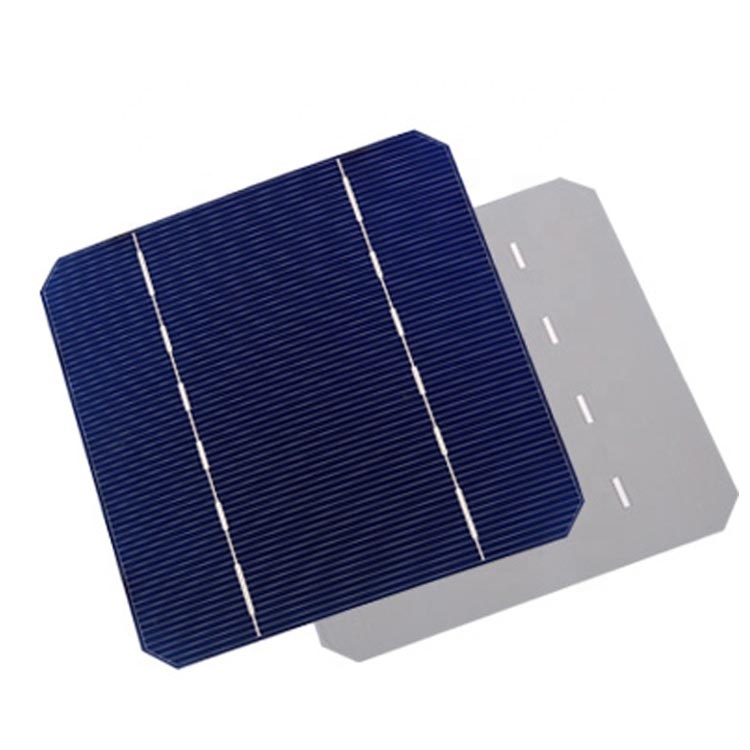
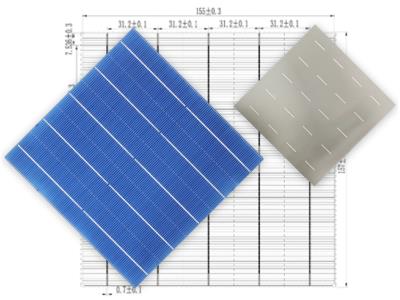
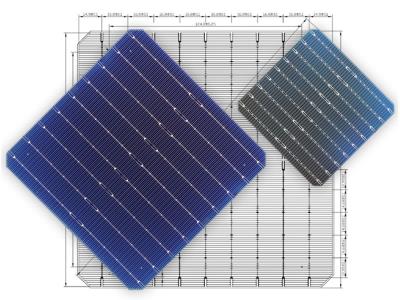
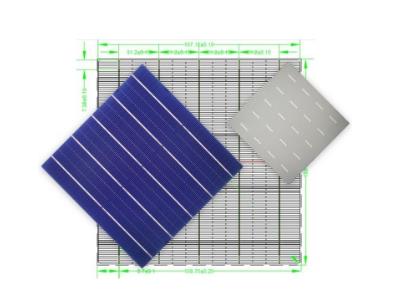
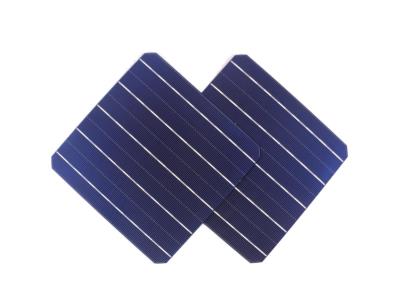
Wafer sizes directly dictate module power output and string inverter compatibility. The industry standard has migrated from M6 (166mm) to M10 (182mm) and G12 (210mm). Furthermore, busbar (BB) configurations—ranging from 9BB to 16BB or even busbar-less (Multi-Busbar/MBB) designs—must be specified to match your tabbing and stringing equipment.
Need reliable suppliers for TOPCon or HJT cells? We connect you with vetted factories capable of consistent high-efficiency yields.
Talk to our teamQuality Control on the Factory Floor
A cell's visual appearance tells you very little about its actual performance. Microcracks, uneven printing, and poor anti-reflective coatings can drastically reduce yield and cause hot spots once encapsulated. Implementing rigorous Quality Control & Inspection directly at the facility is non-negotiable.
Critical Testing Checkpoints for Solar Cells
- Electroluminescence (EL) Imaging: 100% inline testing to detect microcracks, broken fingers, and dead zones invisible to the naked eye.
- Flash Testing (IV Curve): Verifying exact wattage, open-circuit voltage (Voc), and short-circuit current (Isc) under Standard Test Conditions (STC).
- LID and PID Resistance: Ensuring cells are treated to resist Light-Induced Degradation and Potential-Induced Degradation.
- Color Sorting: Grouping cells by exact color grades to ensure aesthetic uniformity in the final assembled modules.
Because cell manufacturing requires massive capital investment in cleanrooms and automated deposition equipment, verifying the supplier's actual production capabilities is essential. Conducting comprehensive Factory Audits prevents you from dealing with brokers passing off B-grade or downgraded cells as premium A-grade stock.
Sourcing Mechanics: MOQs, Lead Times, and Pricing
Solar cells are traded as commodities, with pricing heavily indexed to raw polysilicon costs and global supply-demand dynamics. Prices are typically quoted in USD per Watt ($/W) rather than per piece, though per-piece pricing can be negotiated for specific OEM applications.
When importing cells, you must also account for stringent international standards. Ensuring your supplier provides cells that meet IEC 61215 and IEC 61730 requirements is vital. Engaging in proper Compliance & Testing prior to shipment mitigates the risk of failing certifications once the cells are assembled into modules.
Navigating polysilicon price fluctuations and supplier vetting takes time. Let us manage your solar cell procurement end-to-end.
Get a free consultationFrequently Asked Questions
Procuring solar cells in bulk is an exercise in strict quality assurance and supply chain transparency. A fractional drop in efficiency or a poorly sorted batch can cascade into significant performance losses for the final module. Working with an experienced sourcing partner ensures you secure consistent, high-grade cells that protect your brand's reputation and bottom line.
Get Sourcing Help for Solar Cells
Tell us your requirements and our experts will connect you with verified manufacturers.