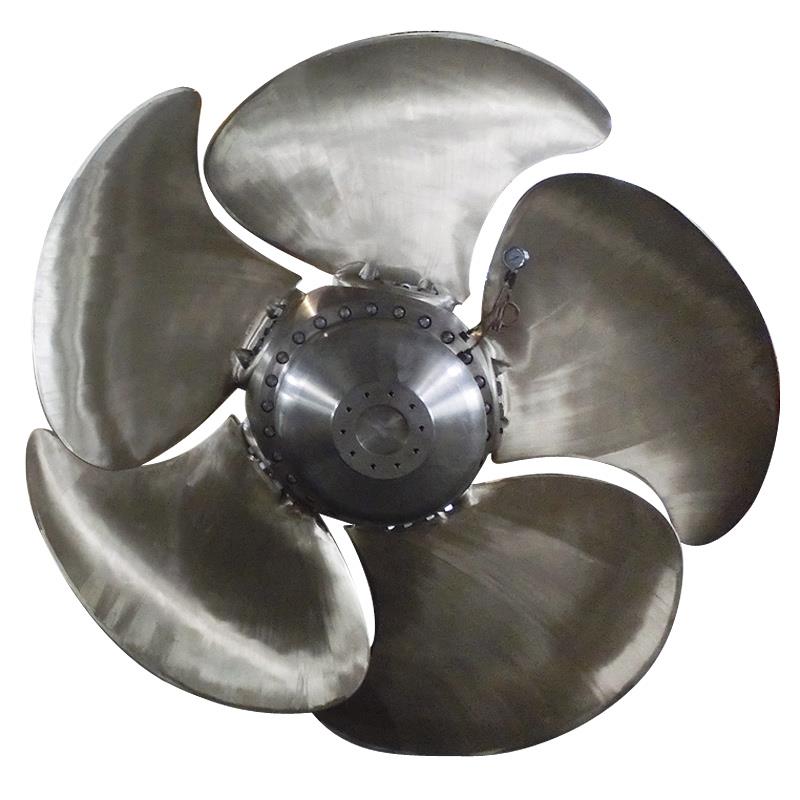
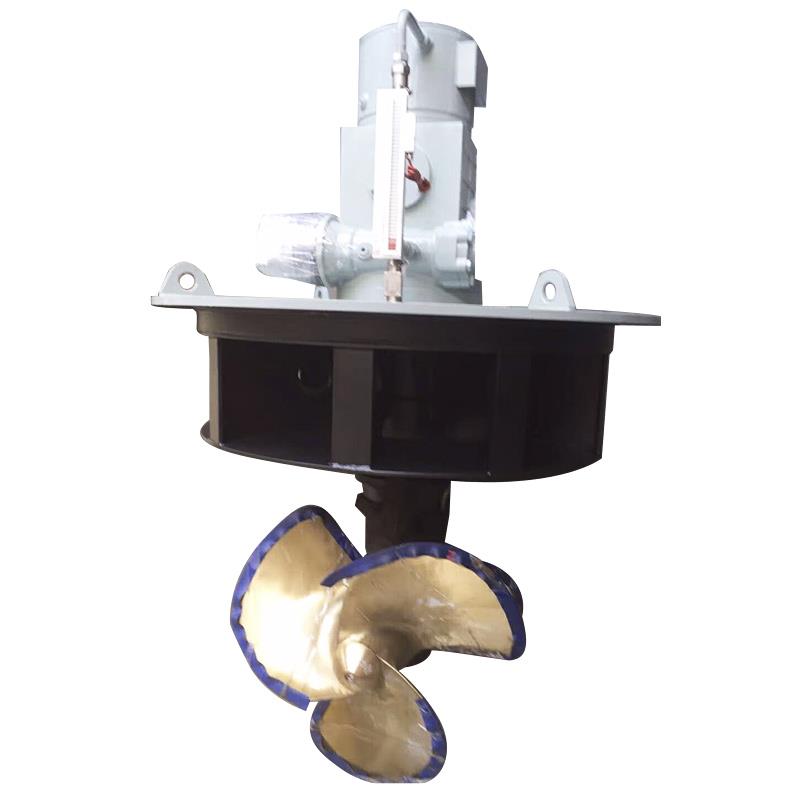
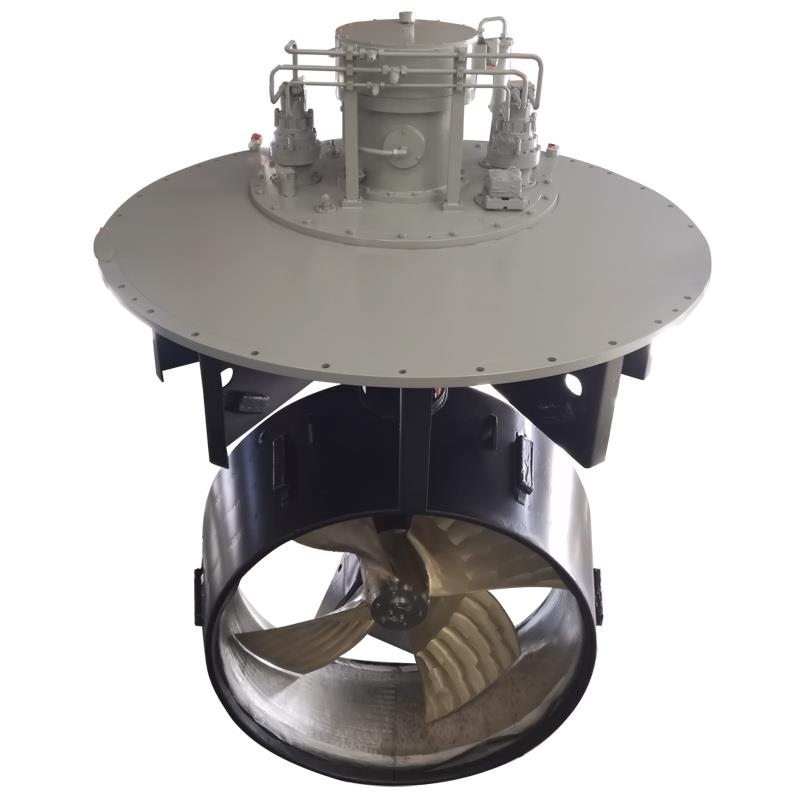
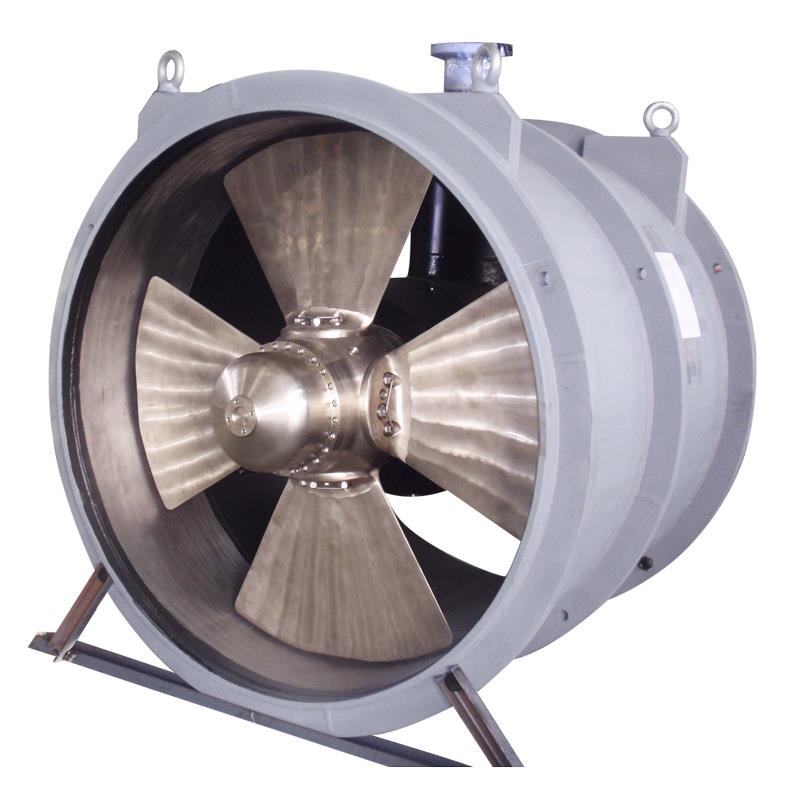
Ships'or boats'propellers and blades therefor
Source high-quality ships' or boats' propellers and blades therefor directly from vetted manufacturers and factories. Designed for marine distributors, shipyards, and brands requiring reliable wholesale, OEM, or private-label production.
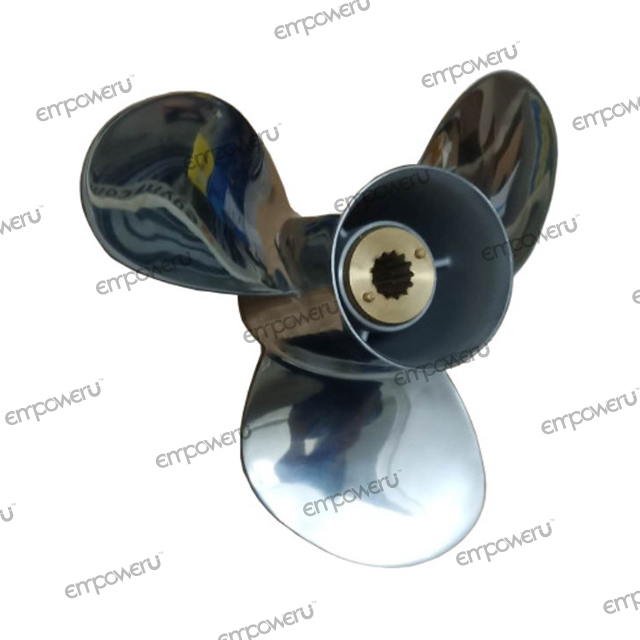
Sourcing marine propellers at scale requires balancing hydrodynamic efficiency with strict metallurgical integrity. Whether you are outfitting commercial vessels with large-diameter bronze propellers or supplying the recreational boating market with aluminum outboard blades, selecting the right manufacturing partner is critical. Minor deviations in pitch or poor casting density can lead to cavitation, vibration, and premature failure.
Material Selection and Specifications
The foundation of any propeller sourcing program is matching the alloy to the vessel's operational profile. Foundries in China's major marine manufacturing hubs (such as Jiangsu, Shandong, and Zhejiang) specialize in specific casting techniques tailored to these materials.
When issuing an RFQ, buyers must specify exact parameters: diameter, pitch, rake, skew, and the number of blades. For OEM projects, precise splines, hub exhaust designs, and taper/keyway dimensions dictate compatibility with the drive shaft.
| Material | Primary Application | Key Advantage | Cost Profile |
|---|---|---|---|
| Aluminum Alloy | Recreational / Outboards | Lightweight, sacrificial upon impact | Low |
| Manganese Bronze | Commercial / Leisure | Easy to repair and machine | Moderate |
| Ni-Al Bronze (NAB) | Heavy Commercial / Naval | Superior cavitation & corrosion resistance | High |
| Stainless Steel (316L/Duplex) | High-performance / Workboats | Maximum durability, minimal flex | High |
Need a supplier capable of precise CNC pitch profiling and dynamic balancing? Let's discuss your technical requirements and match you with the right foundry.
Talk to our teamManufacturing Processes and Quality Control
Propeller manufacturing relies heavily on the quality of the initial cast. Large commercial propellers are typically sand-cast, while smaller, high-performance stainless steel blades utilize investment casting for tighter initial tolerances. After casting, 5-axis CNC machining is employed to achieve the final pitch and blade geometry.
Where quality is most often compromised is in the cooling phase of the cast (leading to subsurface voids) and in the final balancing. Implementing rigorous quality control is vital before shipment, especially for heavy bronze castings where return shipping is economically unviable.
Critical Factory Inspection Points
- Spectrometer analysis of the raw alloy pour to verify chemical composition.
- Dynamic balancing to ISO 484/1 or ISO 484/2 standards (Class S, I, II, or III).
- Dye penetrant inspection (PT) or ultrasonic testing (UT) on blade roots to detect micro-cracks and voids.
- Pitch verification using computerized pitchometers across multiple radii.
- Verification of IACS member approvals (ABS, DNV, LR, BV) if required for classed vessels.
Verifying a foundry's testing equipment and classification society credentials upfront through professional factory audits prevents costly compliance failures down the line.
Sourcing Mechanics: MOQs, Tooling, and Lead Times
Pricing and lead times vary wildly based on the size of the propeller and whether the design is off-the-shelf or custom. Developing a new OEM/ODM propeller line requires close coordination on 3D CAD models, hydrodynamic testing, and mold creation. Tooling for investment-cast stainless steel will carry higher upfront costs than standard sand-cast bronze, but yields superior surface finishes and tighter tolerances out of the mold.
Evaluating tooling costs and production capabilities across different foundries? We can help you identify the most cost-effective manufacturing partner for your volume.
Get a free consultationFrequently Asked Questions
Sourcing marine propellers is a high-stakes procurement exercise. Success relies on partnering with foundries that treat metallurgy and hydrodynamic geometry with equal rigor, ensuring every blade performs efficiently under relentless operational stress.
Get Sourcing Help for Ships'or boats'propellers and blades therefor
Tell us your requirements and our experts will connect you with verified manufacturers.