Screen Printers
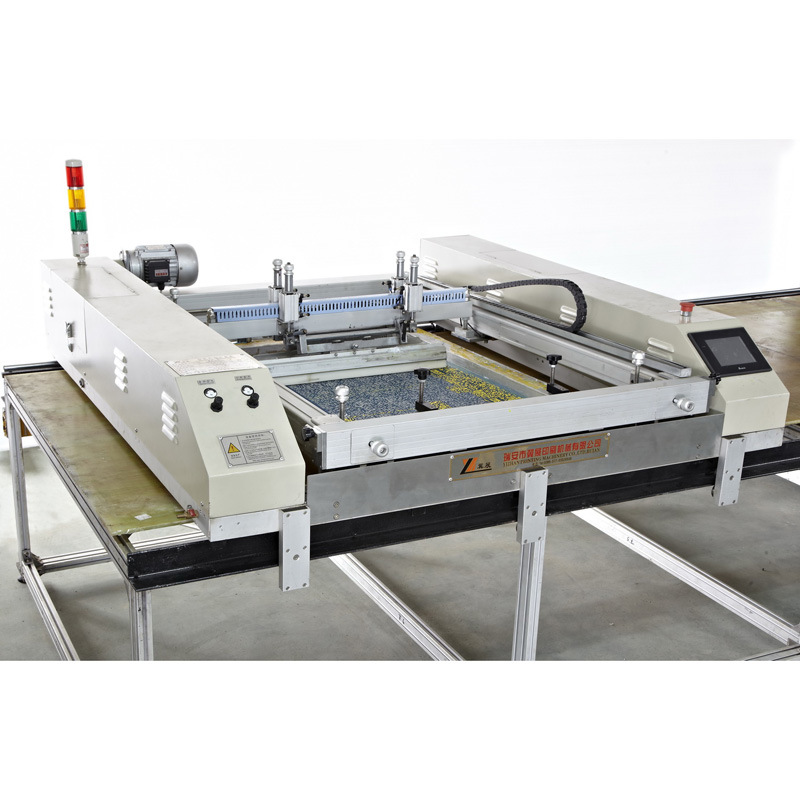
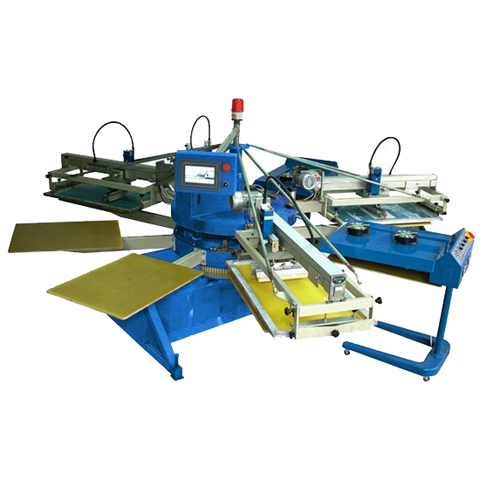
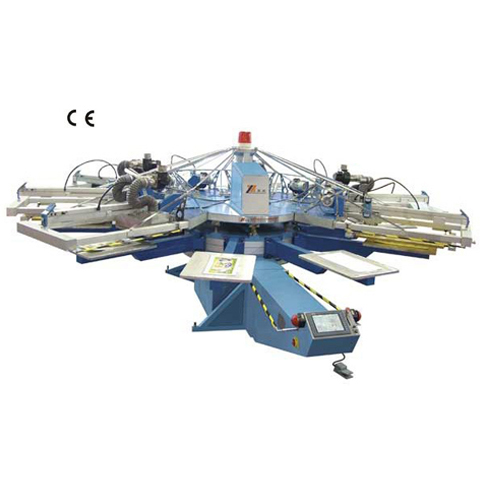
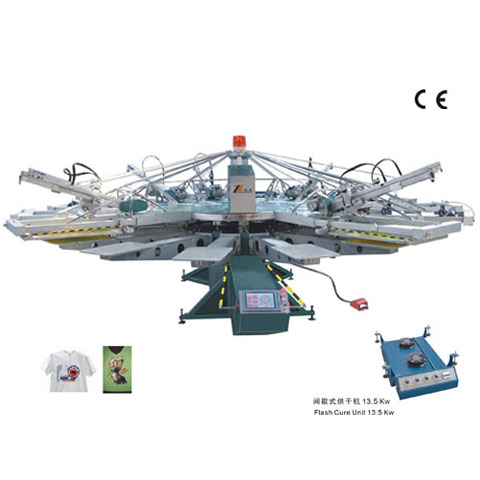
Source commercial and industrial Screen Printers from vetted suppliers and manufacturers. Built for importers, distributors, and equipment wholesalers, our factory network provides reliable bulk procurement and OEM manufacturing for high-volume textile, flatbed, and precision printing applications.
Procuring commercial screen printing machinery requires navigating a highly fragmented manufacturing base. The primary sourcing challenge is distinguishing between assembly workshops that bolt together off-the-shelf pneumatic parts and true manufacturers capable of engineering rigid, high-registration, servo-driven equipment designed for multi-shift production environments.
Core Specifications and Drive Systems
When specifying screen printers for bulk import or custom OEM lines, the drive system and frame rigidity dictate both the machine's lifespan and its print accuracy. Relying solely on a supplier's claimed "pieces per hour" metric often obscures the underlying mechanical reality.
| Drive System | Registration Accuracy | Typical Application |
|---|---|---|
| Pneumatic/Air-Driven | ±0.05mm to ±0.1mm | Basic single-color, entry-level textiles |
| Motorized (AC/DC) | ±0.02mm to ±0.05mm | Standard multi-color flatbed, packaging |
| Full Servo-Driven | ±0.01mm or better | High-precision PCBs, glass, optical media |
Critical Components to Specify
Do not leave component sourcing to the manufacturer's discretion. Specify the origins of critical parts to prevent the substitution of domestic knock-offs that fail under continuous load:
- PLCs and Controllers: Specify established industrial brands (e.g., Omron, Siemens, Panasonic) to ensure reliable logic control and global spare parts availability.
- Servo Motors and Drives: Essential for indexers and print heads in high-speed setups. Yaskawa or Delta are standard requests.
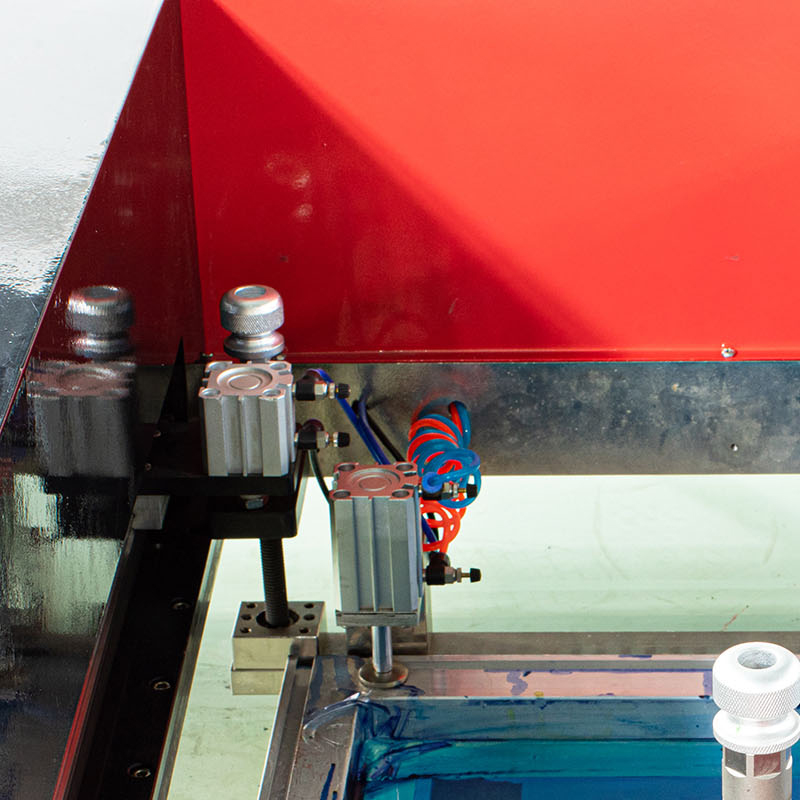
- Linear Guides: THK or HIWIN rails ensure smooth squeegee and flood bar travel, directly impacting ink deposit consistency.
- Frame Construction: Require heavy-gauge steel or cast iron bases. Lightweight frames vibrate at high speeds, destroying registration accuracy.
Need help standardizing equipment specs across multiple factory bids? Let our engineers review your requirements.
Talk to our teamEvaluating Manufacturer Capabilities
Many suppliers in the printing machinery sector are trading companies masquerading as factories. A genuine manufacturer will have an in-house CNC machining center for fabricating custom platens, print heads, and indexers. Relying on thorough Factory Audits is the most effective way to verify an assembler's quality management system, their in-house machining capabilities, and their electrical compliance (CE/UL) testing protocols.
Factory Acceptance Testing (FAT)
Never authorize the shipment of industrial machinery without rigorous pre-shipment verification. Proper Quality Control & Inspection for screen printers must involve active testing, not just a visual check.
Dry Run Endurance
Running the machine continuously for 8 to 12 hours without ink to monitor servo temperatures, pneumatic pressure stability, and vibration.
Registration Verification
Printing multi-pass crosshairs on rigid substrates to measure micro-registration accuracy with calipers or optical scopes.
Electrical Safety Checks
Verifying grounding, emergency stop responsiveness, and wiring harness organization against international safety standards.
Pricing Drivers, MOQs, and Lead Times
Machinery sourcing operates on different financial and chronological scales than consumer goods. Pricing is highly elastic based on the automation level, the number of color stations, and the specified component brands.
Because industrial screen printers are heavy, oversized cargo, they require specialized export packing—typically vacuum-sealed foil and fumigated wooden crating. Coordinating the Shipping & Freight requires precise handling, often necessitating flat rack containers or specialized LCL consolidation to prevent transit damage to sensitive linear guides.
Ready to optimize your machinery supply chain? We handle supplier vetting, price negotiation, and secure logistics.
Get a free consultationFrequently Asked Questions
Successful machinery procurement is about mitigating risk before the equipment ever leaves the factory floor. By strictly defining component brands, validating factory machining capabilities, and enforcing rigorous pre-shipment testing, you ensure the equipment performs reliably from day one.
Get Sourcing Help for Screen Printers
Tell us your requirements and our experts will connect you with verified manufacturers.