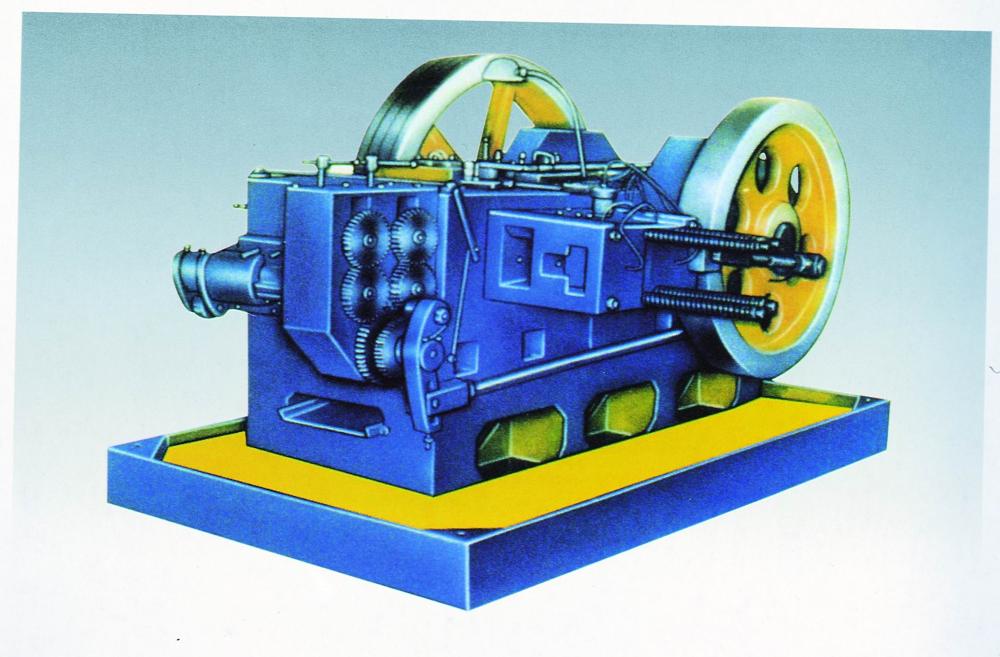
Riveting Machines
Source high-quality riveting machines from vetted manufacturers and suppliers in China and Asia. Designed for importers, wholesalers, distributors, and brands seeking reliable bulk purchasing or OEM/private-label production. Secure competitive pricing and reliable quality for your industrial machinery supply chain.
Sourcing industrial riveting machines in volume requires balancing mechanical precision with long-term operational durability. When importing metal forming machinery, the primary challenge is verifying that a factory's stated tolerances, riveting force, and cycle times hold up under continuous industrial use, rather than just during a prototype run. Securing a reliable supply chain means looking past the spec sheet to evaluate the manufacturer's machining capabilities, component sourcing, and assembly standards.
Core Specifications and Drive Systems
Specifying riveting machinery for bulk import or custom manufacturing requires exact alignment on drive mechanics and structural rigidity. The drive system dictates the machine's application, maintenance schedule, and price point.
| Drive Type | Typical Force | Cycle Speed | Primary Industrial Application |
|---|---|---|---|
| Pneumatic | Up to 50 kN | Very Fast | Light sheet metal, electronics assembly |
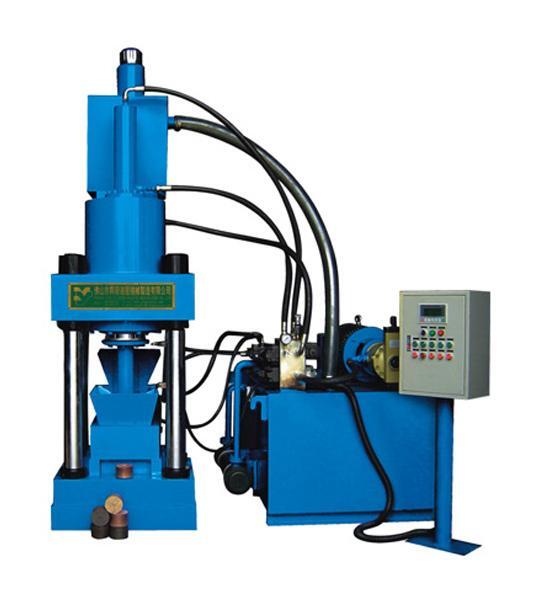
| Hydraulic | Up to 300 kN | Moderate | Heavy automotive, structural steel |
| Servo-Electric | Variable precision | Fast & Precise | High-precision aerospace, medical devices |
Beyond the drive type, buyers must strictly define the throat depth (distance from the punch center to the frame), stroke length, and maximum rivet diameter. If your clients require deep-throat machines for large panels, the structural integrity of the C-frame becomes the critical failure point. A poorly cast frame will flex under high tonnage, leading to off-center riveting and accelerated tooling wear.
Need help verifying a manufacturer's machining and casting capabilities? Let our engineering sourcing experts evaluate their facilities.
Talk to our teamManufacturing Quality: Where the Battle is Won
The difference between a machine that lasts ten years and one that fails in ten months often comes down to internal components and frame construction. Many suppliers cut costs by using inferior hydraulic seals or generic PLC controllers, which leads to erratic pressure delivery and costly downtime for the end-user.
When evaluating a supplier's production floor, focus on these critical areas:
- Frame Casting and Stress Relief: High-quality C-frames should be cast iron or heavily ribbed welded steel that has undergone proper thermal stress relief. Skipping this step causes the frame to warp over time under repetitive load.
- Component Provenance: Verify the origin of the pneumatic cylinders, hydraulic pumps, and solenoid valves. Reliable factories will use recognized brands (e.g., SMC, Festo, Rexroth) rather than unbranded domestic alternatives.
- Control Systems (PLC/CNC): For programmable riveting machines, the stability of the HMI and PLC is paramount. Ensure the software allows for precise control over stroke distance, dwell time, and pressure limits.
Conducting thorough Factory Audits is essential to confirm that the supplier actually machines their own frames and assembles to tight tolerances, rather than simply acting as a trading company assembling off-the-shelf parts.
Quality Control & Pre-Shipment Inspection
Defects in heavy machinery are notoriously expensive to rectify once the equipment leaves the country of origin. A robust Quality Control & Inspection protocol must be executed on the factory floor before the machines are crated.
Critical Pre-Shipment Inspection Points
- Verify C-frame deflection limits under maximum rated tonnage.
- Test hydraulic/pneumatic systems for pressure drops or seal leaks over a sustained 2-hour run.
- Confirm concentricity alignment between the spindle and the lower anvil.
- Validate safety mechanisms, including two-hand anti-tie-down controls and optical light curtains.
- Check all CE/UL compliance documentation matches the specific components installed.
Pricing, MOQs, and Lead Times
Because riveting machines are capital equipment, Minimum Order Quantities (MOQs) are generally low. Standard pneumatic benchtop models may have an MOQ of 5 to 10 units, while heavy-duty hydraulic or custom-engineered orbital machines can often be ordered in quantities of 1 to 2 units.
Lead times typically range from 30 to 45 days for standard models, extending to 60 to 90 days for machines requiring custom throat depths, specialized tooling, or specific OEM branding.
Pricing is heavily influenced by the drive system and the quality of the control electronics. A basic pneumatic impact riveter will sit at the lower end of the spectrum, while multi-axis servo-driven orbital riveting centers command premium pricing. When negotiating, clarify exactly which wear parts (anvils, punches, hydraulic seals) are included in the initial shipment, as these are high-margin items for the factory.
Struggling to negotiate favorable terms and secure reliable lead times for heavy machinery? We manage the entire procurement and logistics process.
Get a free consultationGiven the weight and dimensions of these machines, optimizing the container load and managing the Shipping & Freight logistics is just as critical as the unit price to maintain your landed cost margins.
Successfully importing riveting machines requires a strict approach to mechanical verification and factory accountability. By defining your tolerances clearly and inspecting the equipment rigorously before shipment, you protect your supply chain from costly downtime and substandard assembly performance.
Get Sourcing Help for Riveting Machines
Tell us your requirements and our experts will connect you with verified manufacturers.