RF Antennas
Source commercial-grade RF Antennas directly from vetted manufacturers and wholesale suppliers. Designed for importers, telecom distributors, and hardware brands requiring reliable OEM and private-label production, our factory network delivers high-performance RF solutions tailored for your specific volume requirements.
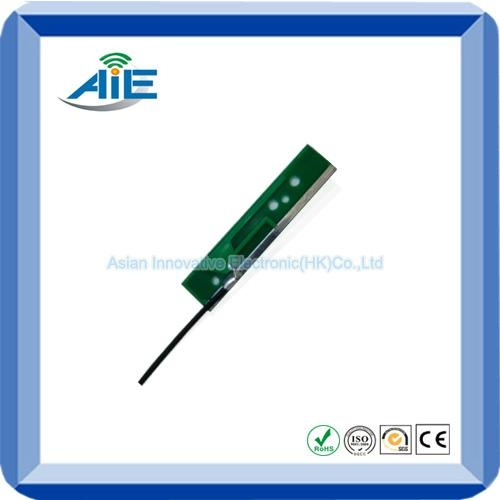
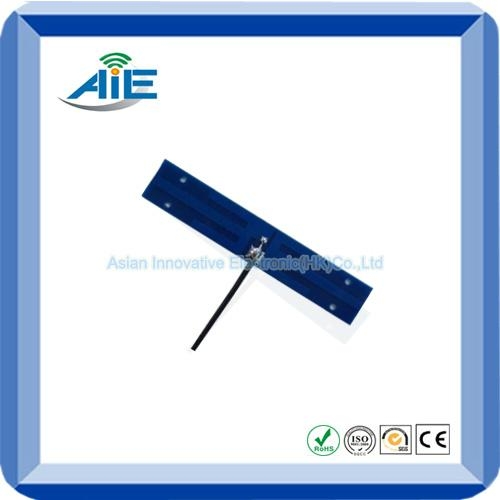
Sourcing RF antennas in volume requires moving beyond basic frequency specifications and focusing on manufacturing consistency. Whether you are procuring standard external dipoles for routers or custom embedded FPC antennas for IoT devices, the core challenge remains the same: a slight deviation in material tolerance or assembly on the factory floor can drastically alter the Voltage Standing Wave Ratio (VSWR), leading to signal reflection, poor range, and potential damage to the transmitter.
To secure reliable batches, buyers must define strict technical parameters and partner with factories that possess the necessary testing infrastructure.
Critical Specifications for Bulk Procurement
When communicating with manufacturers, a vague specification sheet guarantees inconsistent yields. Your Bill of Materials (BOM) and technical drawings must explicitly define the following parameters to ensure the factory understands your performance floor.
Essential RF Antenna Specifications
- Frequency Band & Bandwidth: Specify the exact center frequency and the acceptable bandwidth (e.g., 2.4 GHz to 2.5 GHz).
- VSWR (Voltage Standing Wave Ratio): Define the maximum acceptable ratio across the entire operating band (typically under 1.5:1 or under 2.0:1).
- Peak Gain & Average Gain (dBi): Specify true 3D anechoic chamber measurements, not theoretical peak gain which can be misleading.
- Impedance: Standard 50 ohms for most telecom and IoT applications (75 ohms for specific video/broadcast uses).
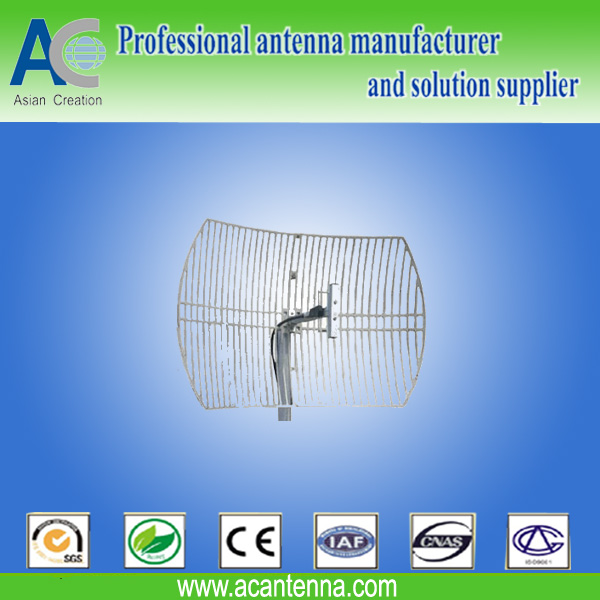
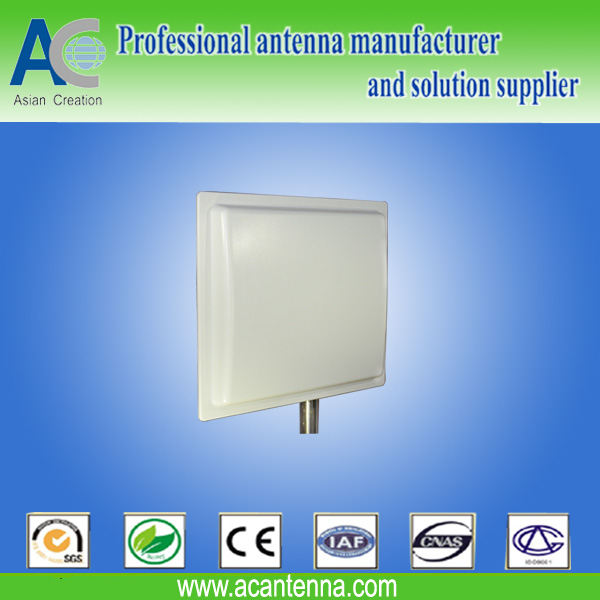
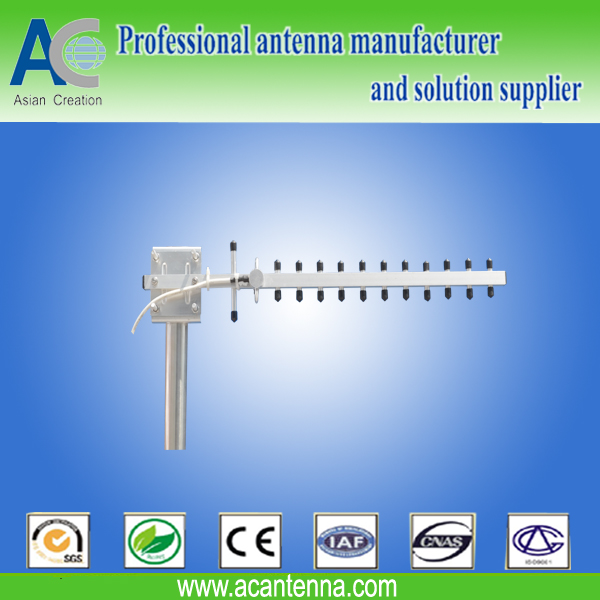
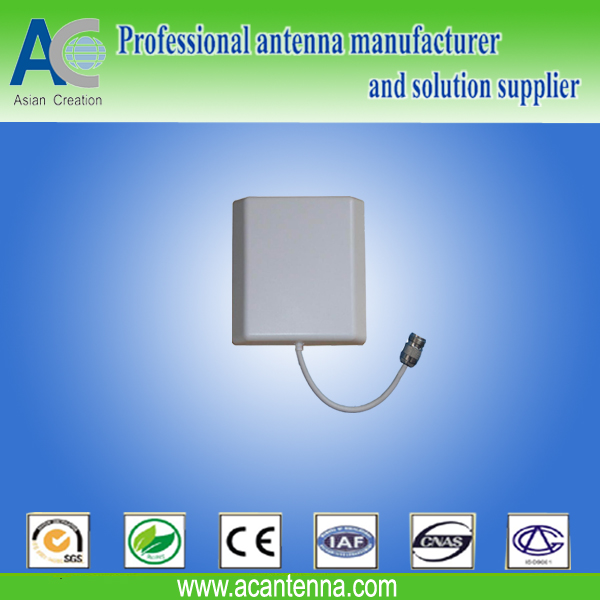
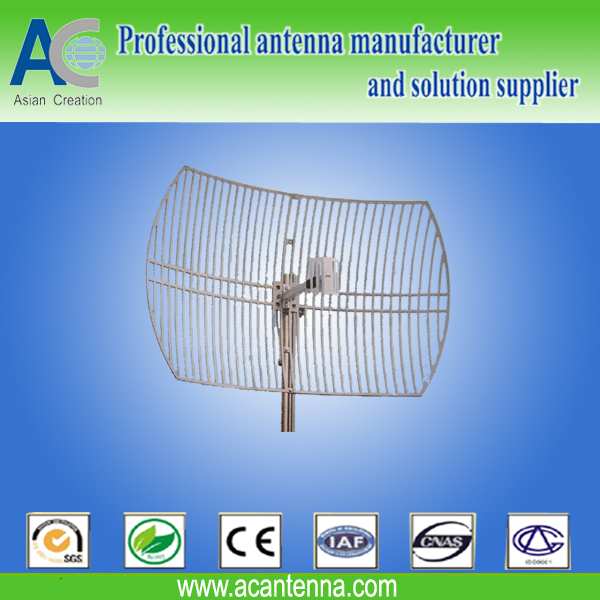
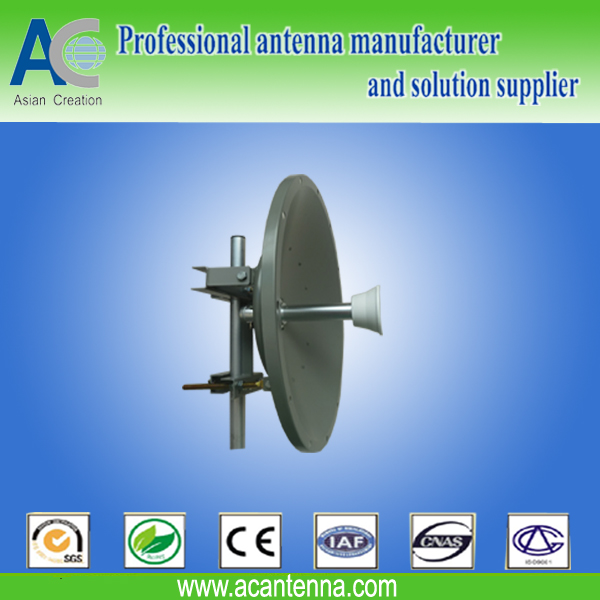
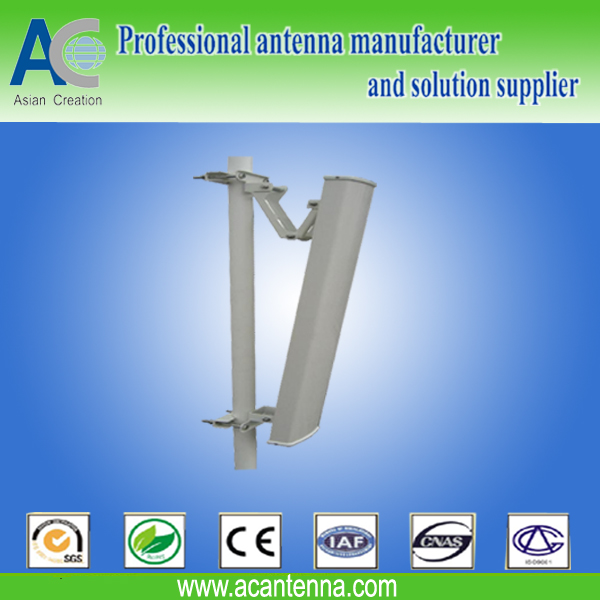
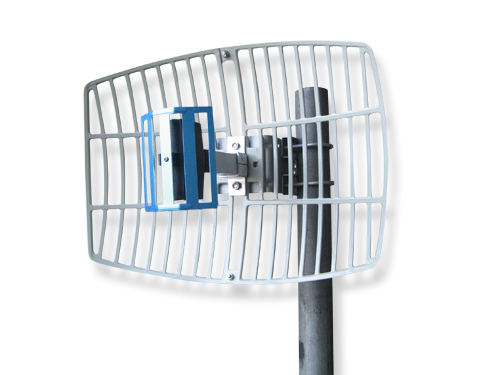
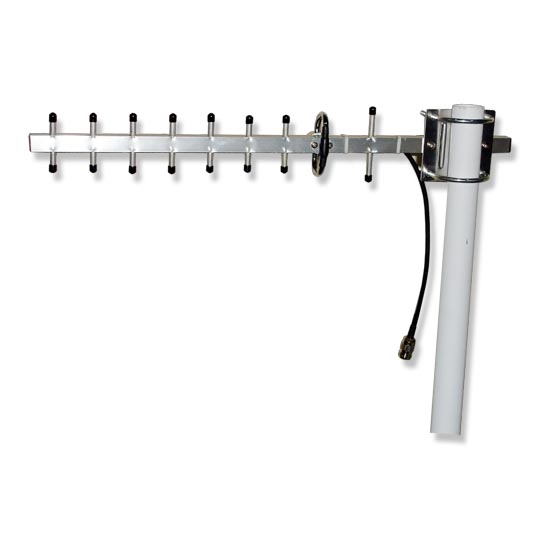
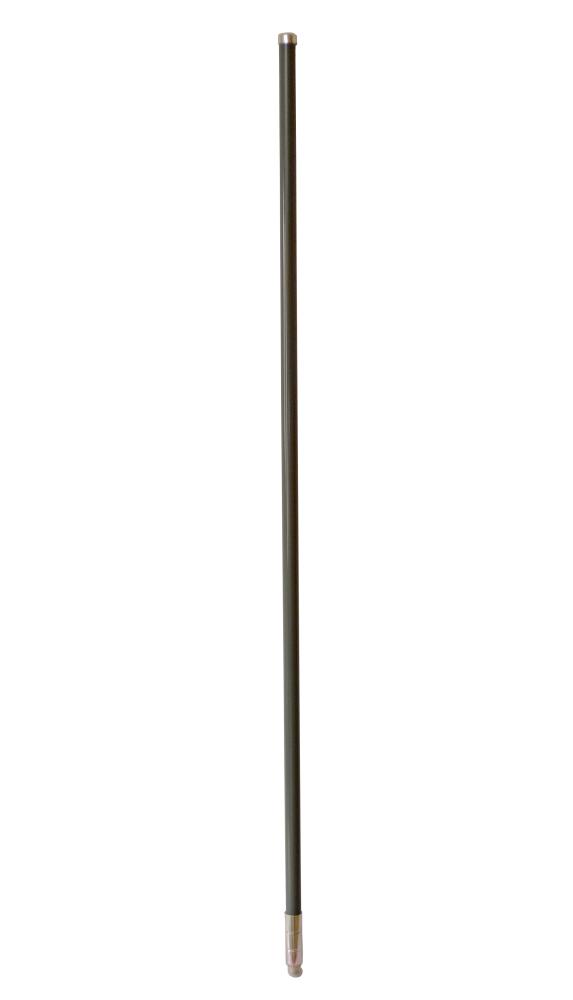
- Radiation Pattern: Clearly state whether the application requires an omnidirectional or directional (e.g., patch, sector) pattern.
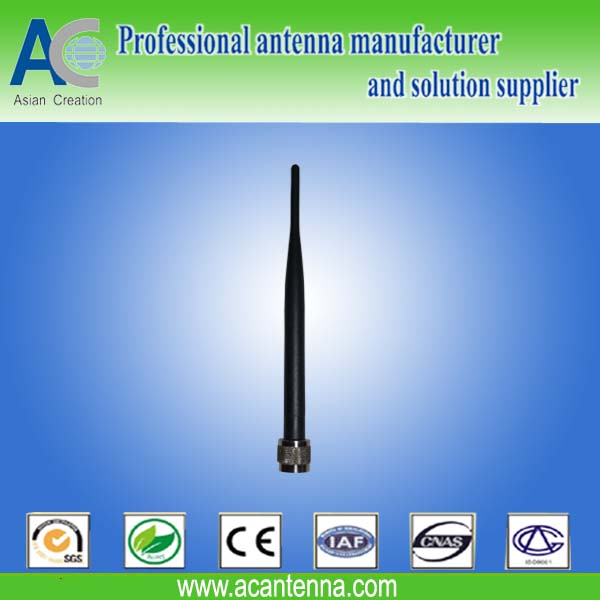
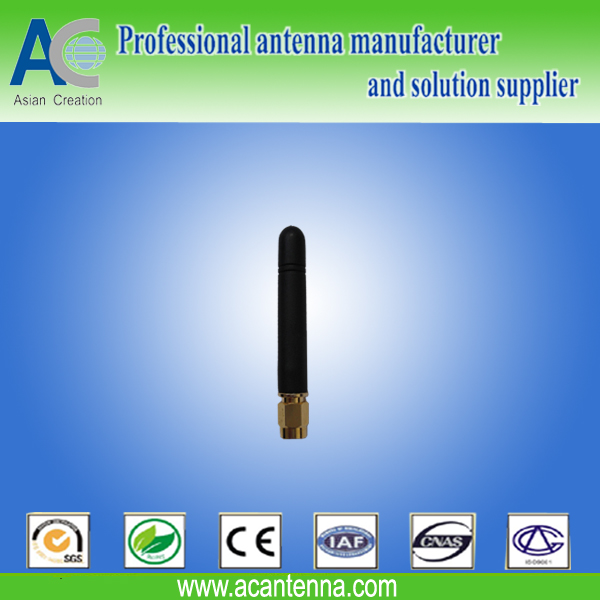
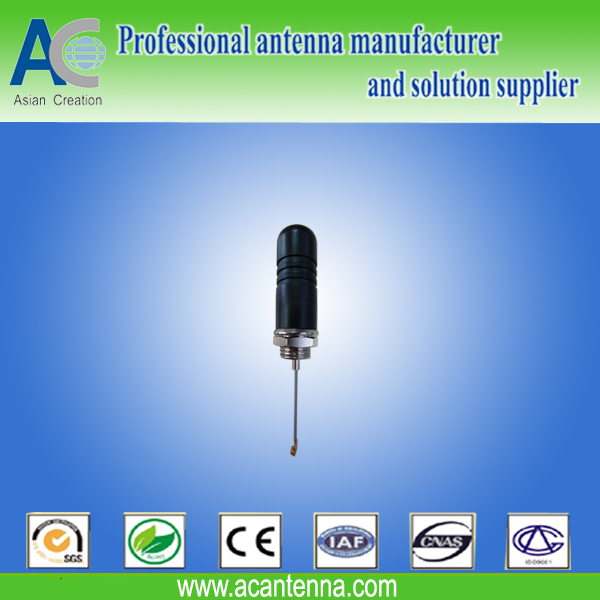
- Connector & Cable Type: Specify connector series (SMA, TNC, U.FL/IPEX) and cable loss characteristics (e.g., RG178, RG58, or 1.13mm micro-coax).
Need help finding a factory capable of meeting strict RF performance tolerances? Let us match you with a vetted supplier.
Talk to our teamManufacturing Quality and Factory Capabilities
The difference between a consumer-grade antenna and an industrial-grade component lies in the factory's quality control systems and material selection.
Material Selection
For embedded PCB or FPC antennas, the substrate material is critical. Standard FR4 is cheap but lossy at higher frequencies (like 5GHz Wi-Fi or 5G NR). High-frequency applications often require specialized laminates (like Rogers or Teflon-based substrates) to maintain signal integrity. For external antennas, the radome material must be UV-resistant (e.g., UV-stabilized ABS or fiberglass) if deployed outdoors; standard plastics will embrittle and crack within a year.
Testing Infrastructure
You cannot verify an RF antenna with a multimeter. A qualified manufacturer must have Vector Network Analyzers (VNAs) on the production line for impedance and VSWR testing. Furthermore, to verify gain and radiation patterns, the factory should have an in-house anechoic chamber. When conducting factory audits, verifying the calibration records of these VNAs is a mandatory step.
The Tuning Trap
An antenna tuned in free space will detune when placed inside a device enclosure, especially near batteries or metal shields. If you are sourcing embedded antennas, the factory must tune the antenna inside your specific device housing.
Customization and OEM/ODM Integration
Off-the-shelf antennas rarely provide optimal performance for custom hardware. Engaging in OEM/ODM services allows you to tailor the antenna's form factor and tuning to your exact enclosure.
This process involves sending dummy enclosures to the factory so their RF engineers can adjust the antenna's matching circuit. The manufacturer will iteratively modify the trace lengths or matching components (inductors/capacitors) until the VSWR and efficiency targets are met within the final housing. Implementing strict quality control protocols during this phase ensures that the golden sample's performance is replicated across the entire production run.
Typical Pricing, MOQs, and Lead Times
Pricing in the RF sector is heavily dependent on the materials, the connector type, and the level of customization required.
Note: Tooling costs for custom plastic radomes or specialized stamped metal antennas will add upfront costs, typically ranging from $500 to $2,500 depending on complexity.
Want to negotiate better MOQs or streamline your custom antenna production? We can manage the process from tuning to final delivery.
Get a free consultationBuyer FAQ
Sourcing RF antennas in bulk is an exercise in risk management. Success depends entirely on partnering with a manufacturer that possesses the engineering capability to tune accurately and the operational discipline to manufacture consistently. Establishing precise specifications and demanding rigorous testing documentation upfront is the only reliable way to protect your product's performance.
Get Sourcing Help for RF Antennas
Tell us your requirements and our experts will connect you with verified manufacturers.