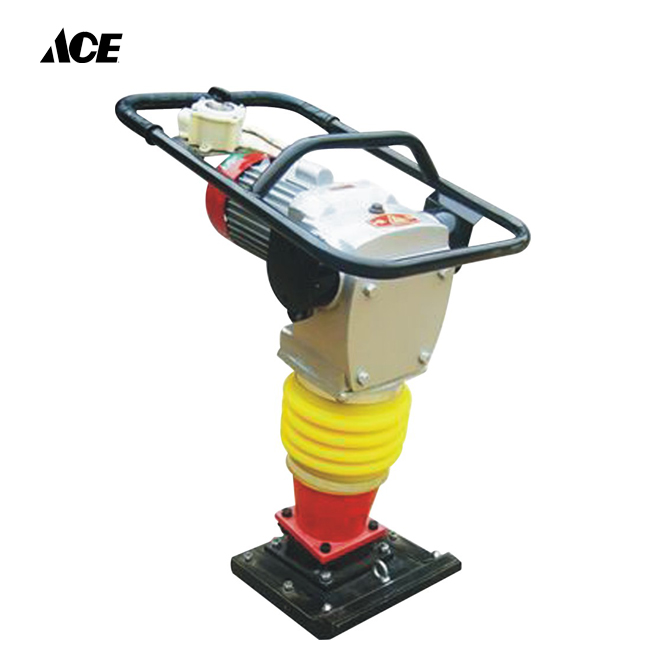
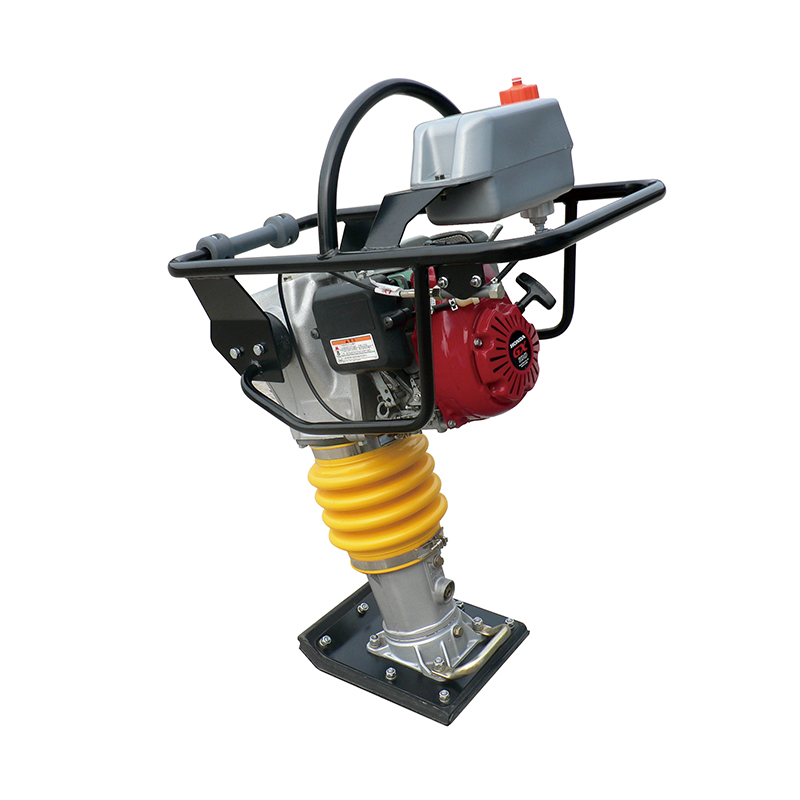
Rammers
Source commercial-grade rammers from vetted Chinese manufacturers and suppliers. Designed for equipment importers, construction wholesalers, and brands seeking reliable OEM or private-label production. Buy in bulk with confidence in engine authenticity, impact force, and emissions compliance.
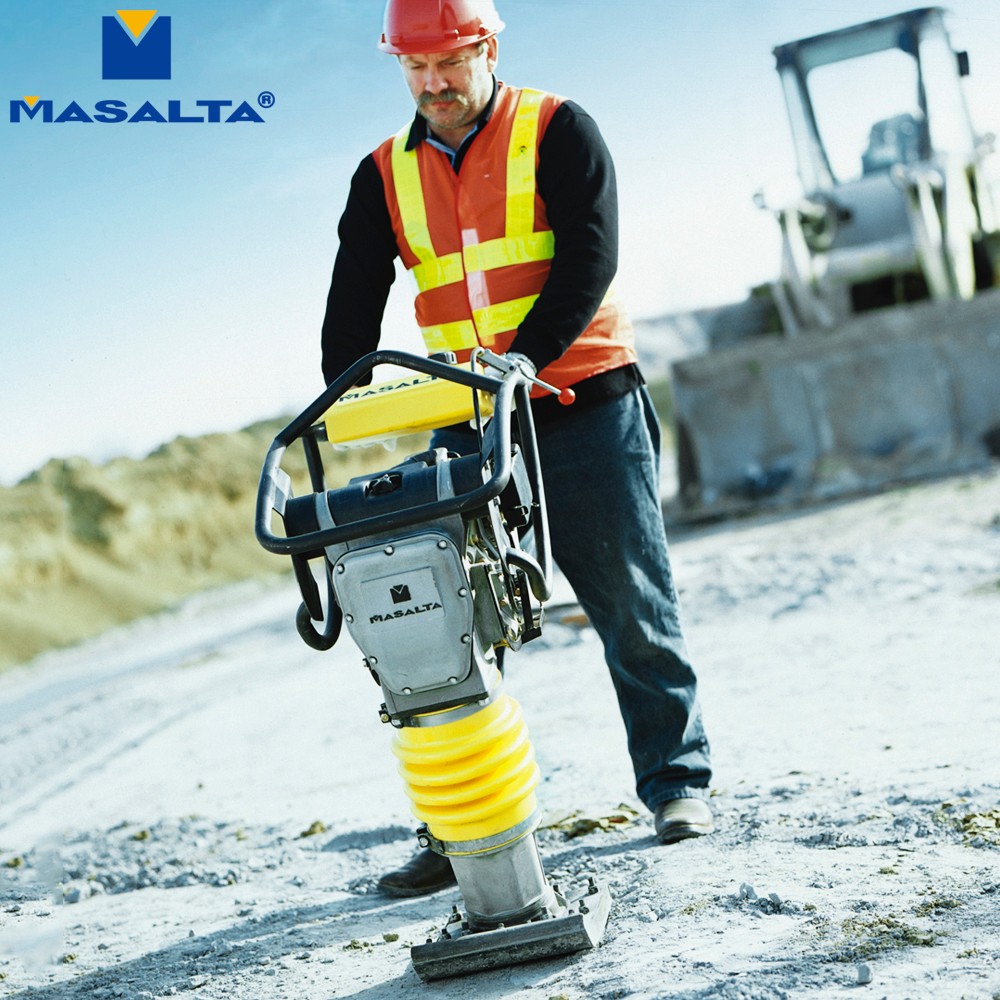
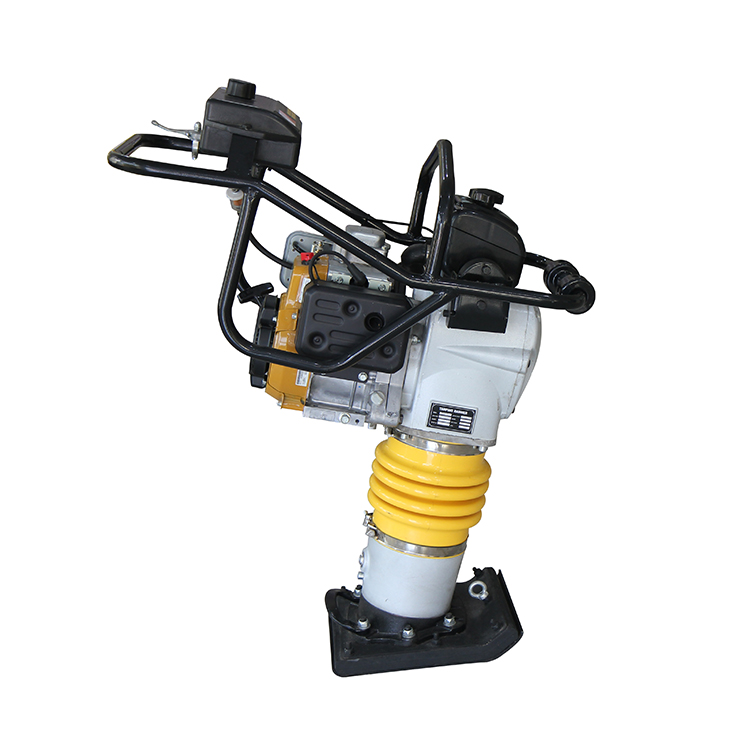
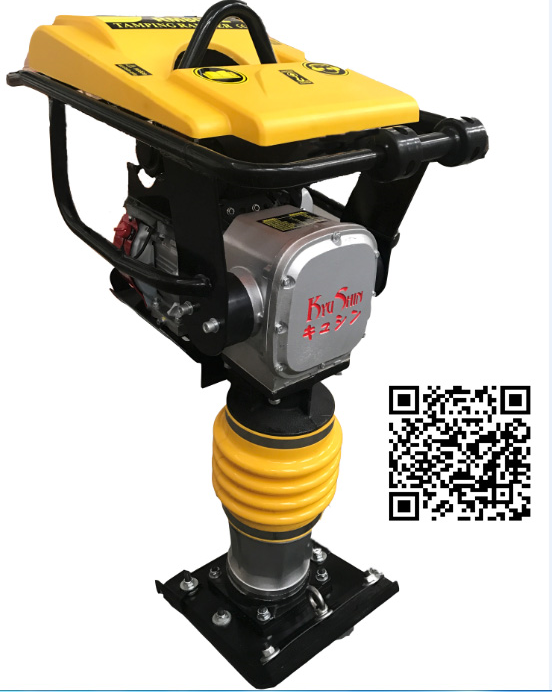
Sourcing tamping rammers in volume requires navigating a supply chain where component substitution is common and operational stresses are extreme. Because these machines function by violently impacting the ground up to 700 times a minute, the difference between a unit that survives years in a rental fleet and one that rattles itself apart in weeks comes down to engine authenticity, bellows material, and vibration damping.
Critical Specifications for Commercial Rammers
When specifying rammers for bulk import, your requirements must align with the soil types and trench dimensions your end-users face. Cohesive soils like clay require high impact force and jumping stroke, rather than just static weight.
The Engine Sourcing Challenge
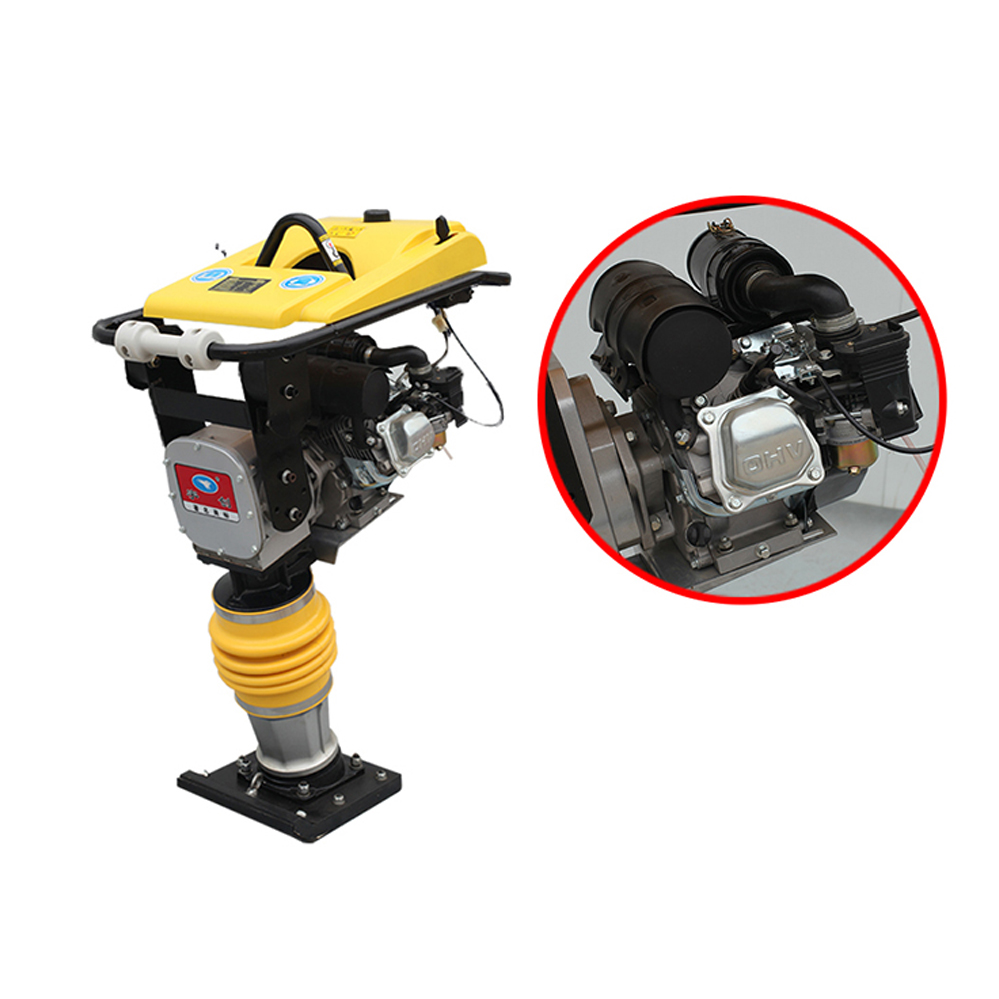
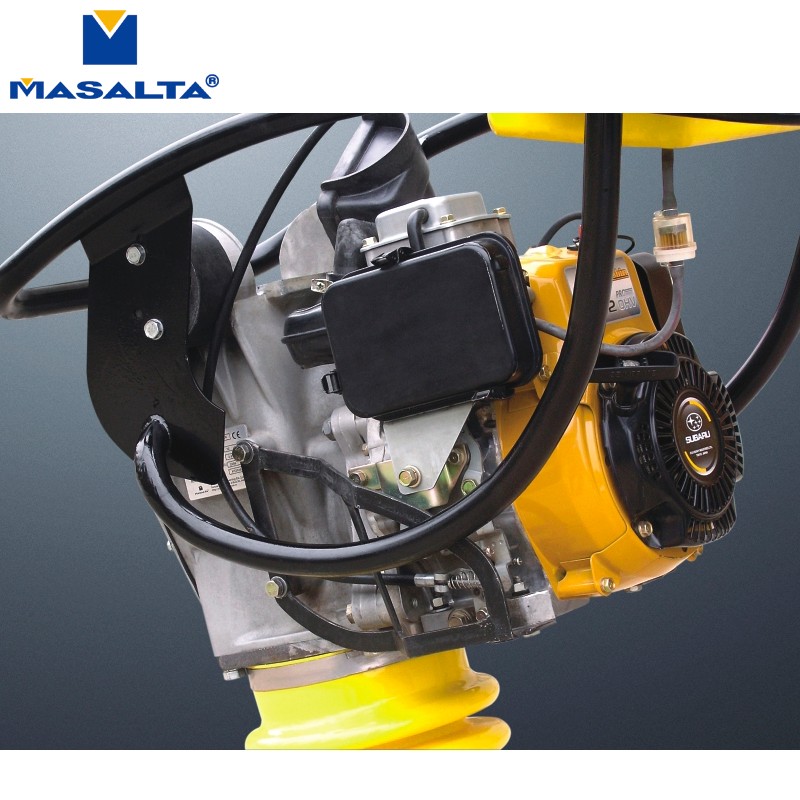
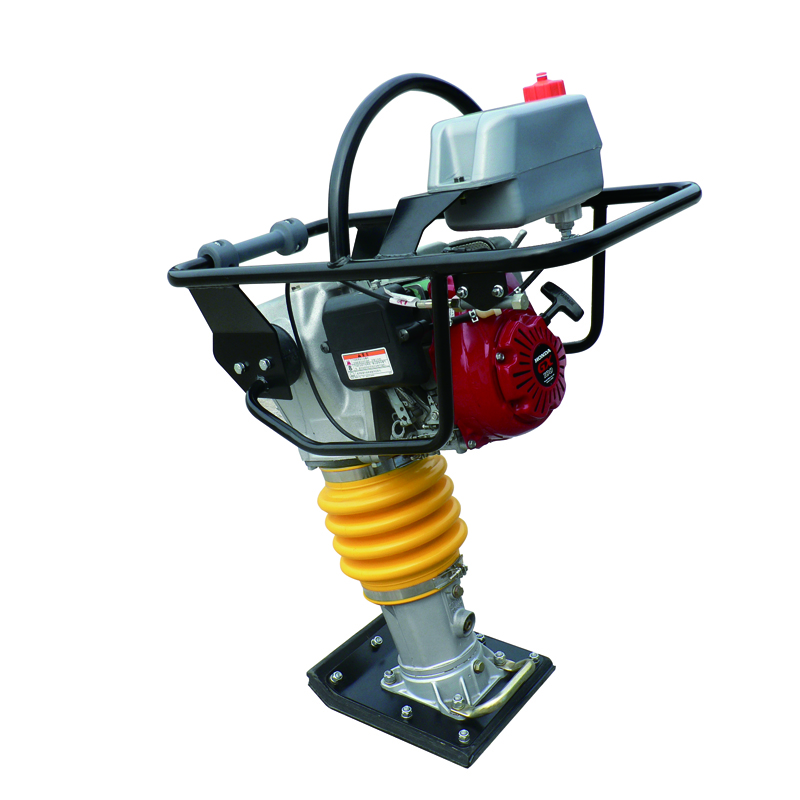
The engine is the most expensive and critical component of a rammer. The market is flooded with clones, particularly of the Honda GX series (GX100, GX120) which are specifically designed for rammer applications. A genuine engine ensures longevity, but also guarantees emissions compliance—a critical factor for import.
| Engine Tier | Typical Brands | Market Application | Cost Impact |
|---|---|---|---|
| Premium 4-Stroke | Genuine Honda, Robin | Rental fleets, heavy civil construction | High (+40-60%) |
| Standard 4-Stroke | Loncin, Lifan, Zongshen | General contractor, cost-sensitive markets | Baseline |
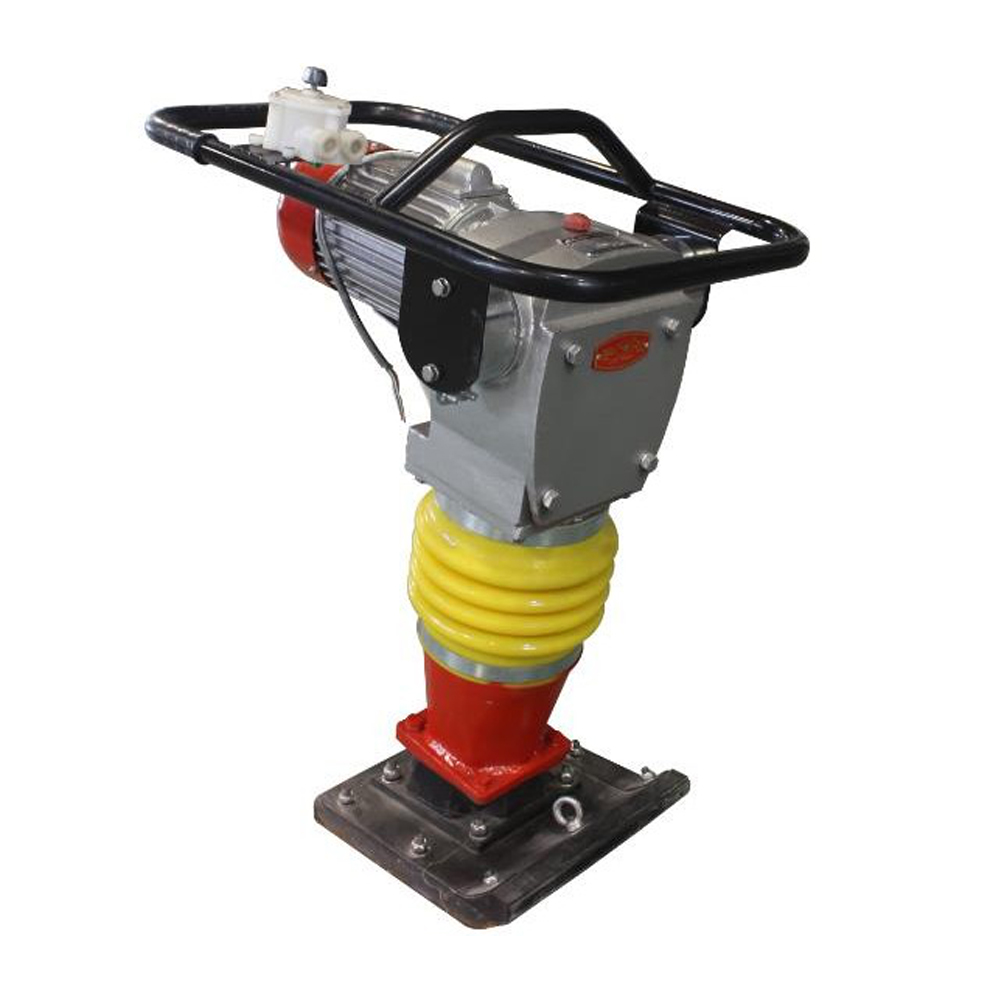
| Electric / Battery | Various DC Brushless | Indoor compaction, strict emission zones | Premium (+50%+) |
If your market requires EPA or Euro V certification, you must verify the manufacturer holds valid certificates for the exact engine models used. Utilizing compliance testing services ensures the documentation matches the physical goods before shipping. Furthermore, to avoid paying a premium for a cloned engine, rigorous factory audits are necessary to verify the supplier's component purchasing invoices and authorized distributor status.
Need to secure genuine components for your heavy equipment orders? Let us verify your supply chain.
Talk to our teamManufacturing Quality & Component Durability
Beyond the engine, a rammer's lifespan depends on how well it absorbs its own shock. Poorly manufactured units transfer excessive vibration to the operator (risking Hand-Arm Vibration Syndrome, or HAVS) and to the engine mounts, leading to premature failure.
Key Quality Inspection Points
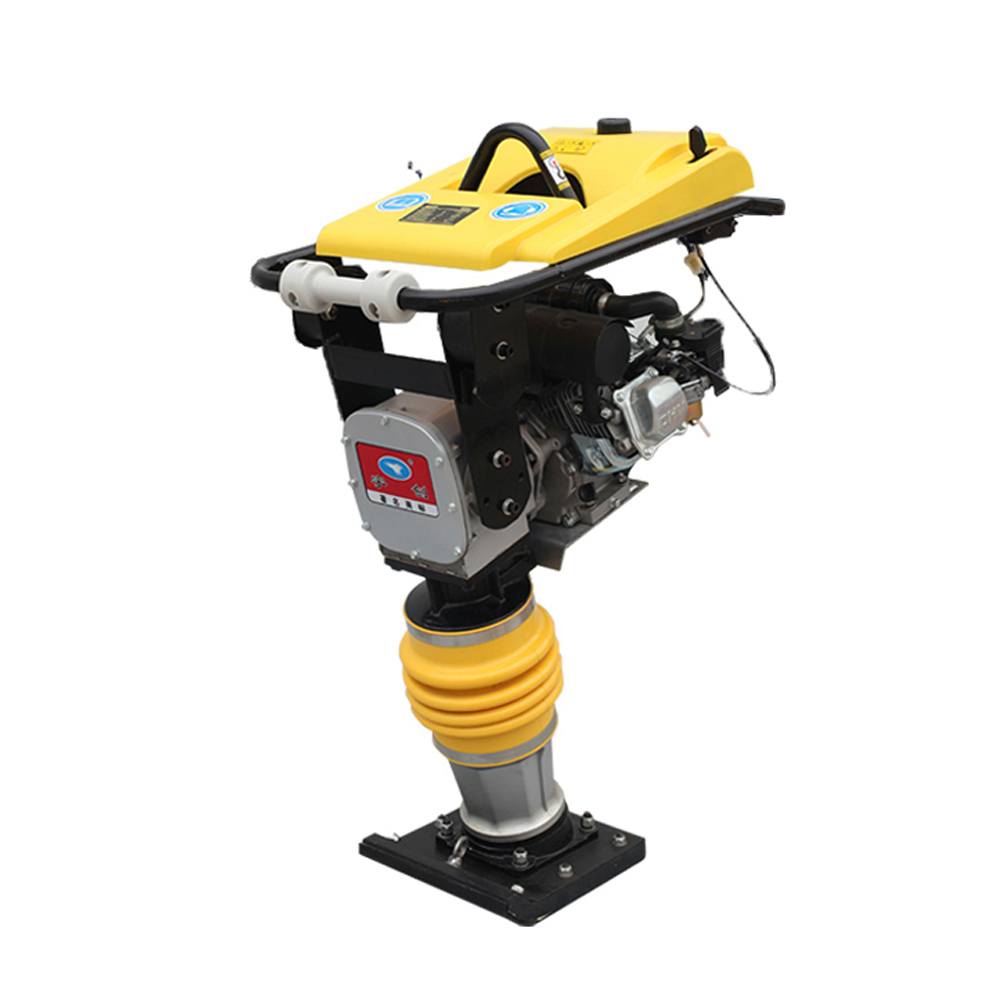
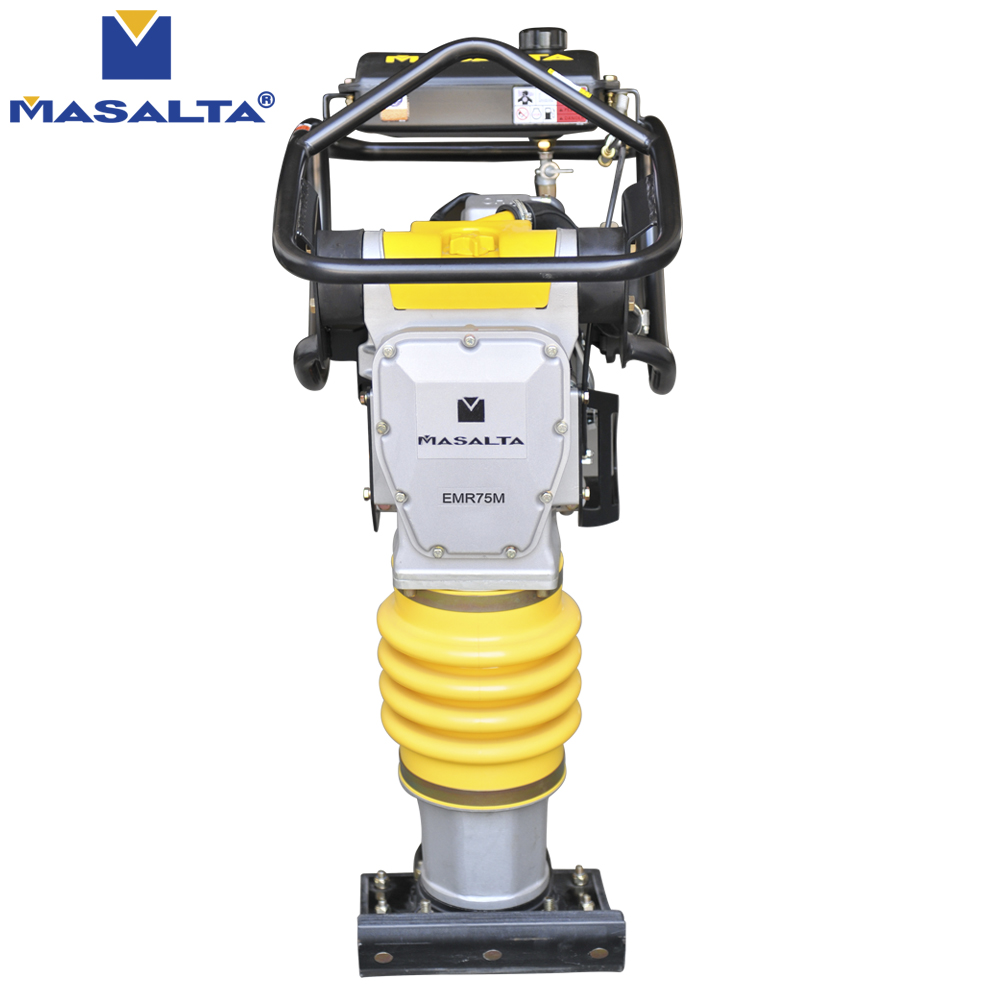
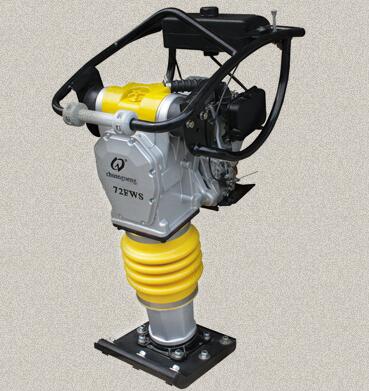
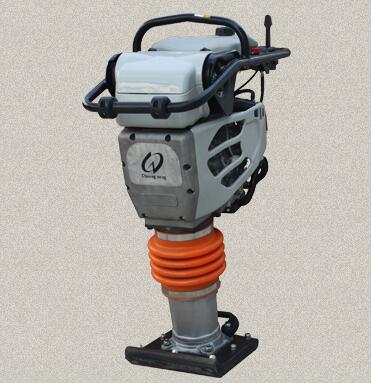
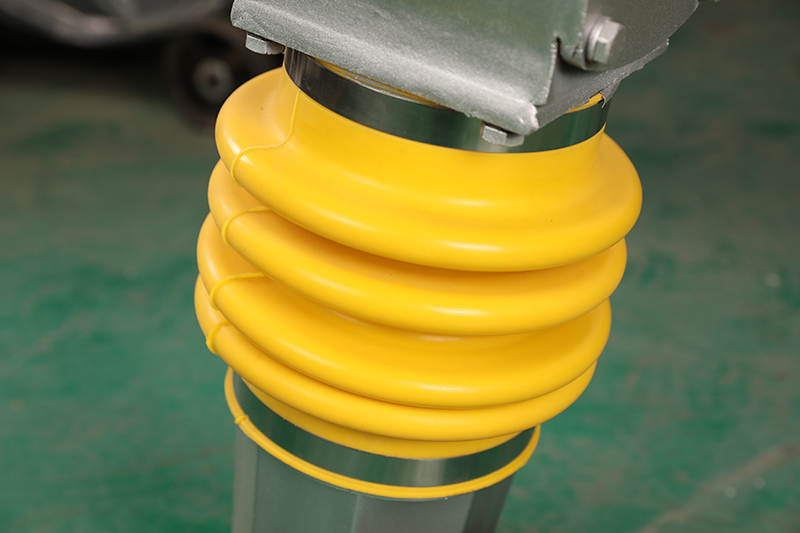
- Bellows Material: Insist on German-made polyurethane (PUR) rather than standard rubber, which cracks under high-frequency flexion.
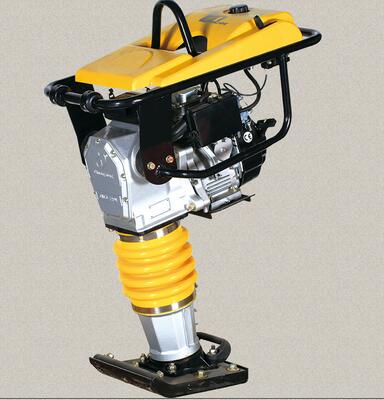
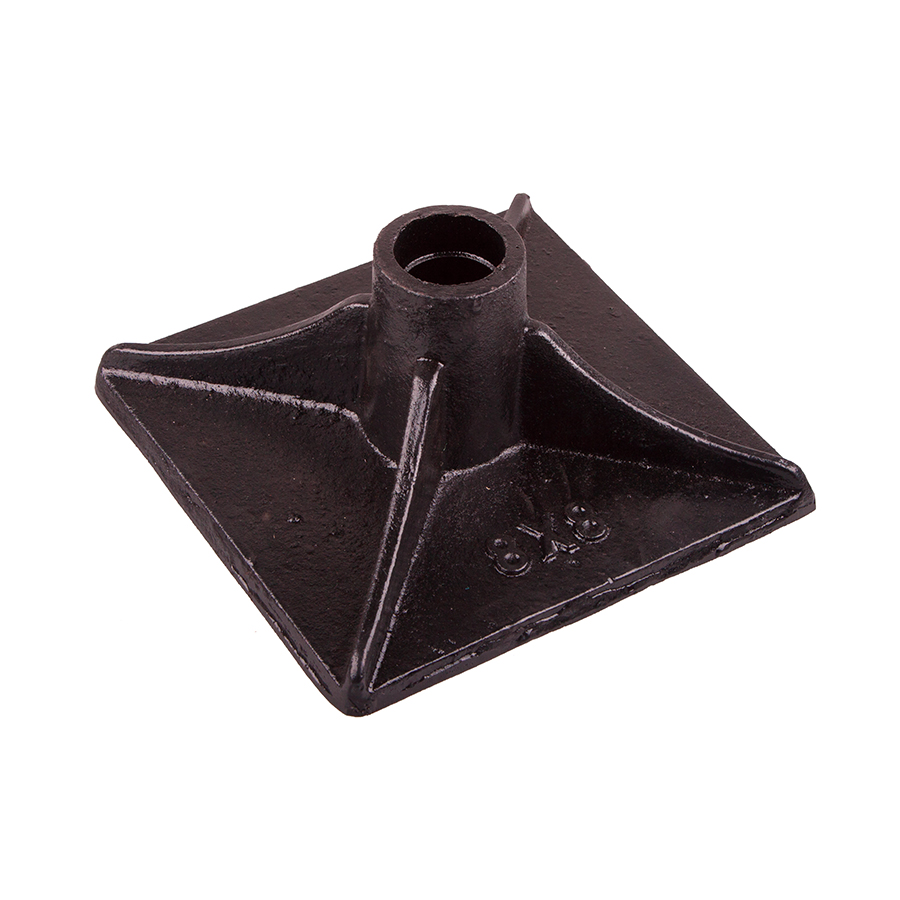
- Shoe Construction: Look for a laminated wood core sandwiched in steel plate; solid steel transfers too much shock back up the machine.
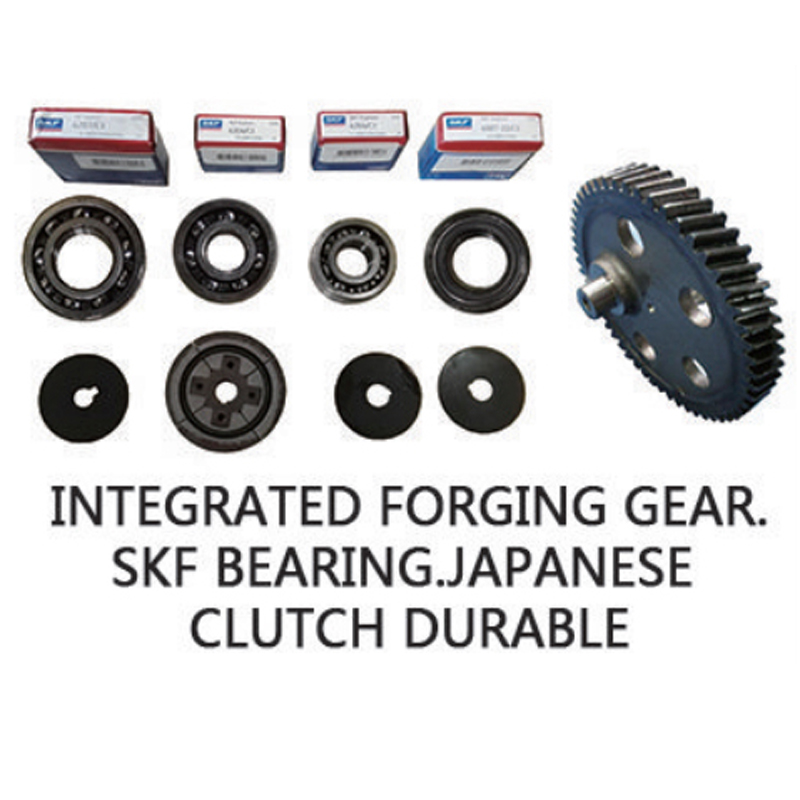
- Clutch Engagement: Verify smooth centrifugal clutch operation to prevent engine stalling during low-RPM idling.
- Vibration Damping: Inspect the heavy-duty rubber shock mounts connecting the handle to the main body.
Implementing strict quality control prior to shipment is non-negotiable. Inspectors should perform functional tests to check for oil leaks in the lower unit, verify engine RPM settings, and measure impact force against your specifications.
OEM Customization & Private Labeling
For brands and distributors, rammers offer straightforward customization. Through standard OEM/ODM services, you can specify custom powder-coated colors for the frame, branded engine covers, and molded logos on the fuel tank. You can also request varied shoe sizes (e.g., narrow 150mm shoes for fiber optic trenches, up to standard 280mm shoes) to offer a complete product lineup to your customers.
Pricing, MOQs, and Lead Times
Procurement economics for rammers depend heavily on the engine choice and order volume. Because these are heavy, bulky items, they are typically palletized, and shipping efficiency dictates order sizes.
- Minimum Order Quantities (MOQs): Typically 10 to 20 units for standard models. For OEM colorways or custom branding, factories usually require 50 units or more.
- Pricing: Standard units with domestic engines (Loncin/Lifan) generally range from $300 to $550. Upgrading to a genuine Honda GX engine pushes the unit price to between $800 and $1,200 or higher, depending on the specific model and order volume.
- Lead Times: Expect 25 to 40 days for production, extending up to 60 days if specialized engines need to be imported by the Chinese assembly factory.
Planning your next equipment procurement cycle? We can help negotiate terms and manage production schedules.
Get a free consultationBuyer FAQ
Ultimately, a successful rammer sourcing strategy balances upfront component costs with long-term reliability. Specifying the right bellows, verifying engine authenticity, and ensuring proper shock absorption will drastically reduce your warranty claims and protect your brand's reputation in the field.
Get Sourcing Help for Rammers
Tell us your requirements and our experts will connect you with verified manufacturers.