Presses
Source industrial woodworking presses from vetted manufacturers and wholesale suppliers across Asia. Built for importers, machinery distributors, and production facilities seeking reliable bulk purchasing and OEM manufacturing. Ensure precision, durability, and competitive factory-direct pricing for your equipment supply chain.
Sourcing industrial woodworking presses—whether for veneering, laminating, plywood manufacturing, or door assembly—requires a strict focus on structural rigidity, hydraulic reliability, and thermal precision. For importers and distributors buying in volume, the challenge lies in differentiating between suppliers who use stress-relieved frames and precision-machined platens, and those who cut costs on steel weight and hydraulic seals.
Core Specifications for Production Presses
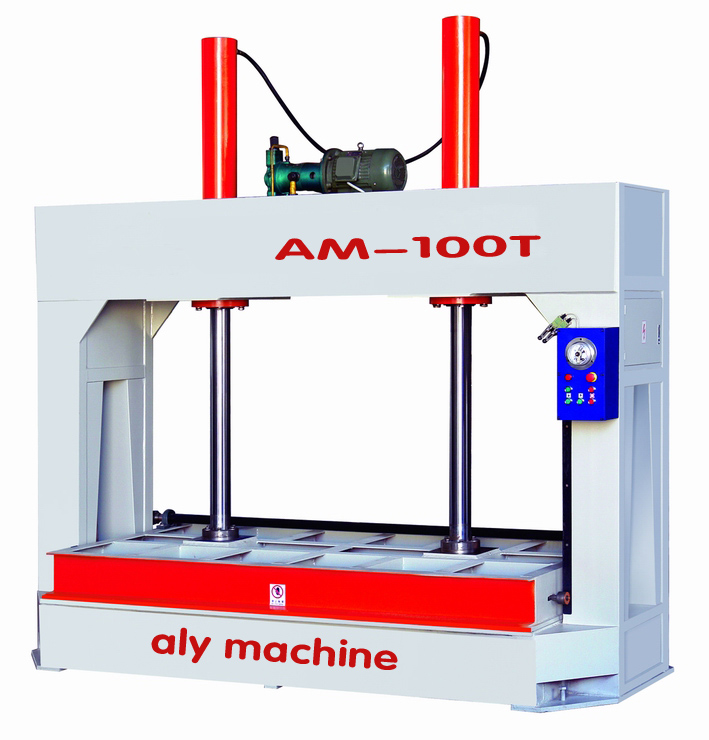
When negotiating with manufacturers, specifying total tonnage is insufficient. The critical metric is specific pressure (expressed in kg/cm² or MPa), which dictates the actual force applied to the workpiece. A 100-ton press with a massive platen may deliver less specific pressure than a 50-ton press with a smaller footprint.
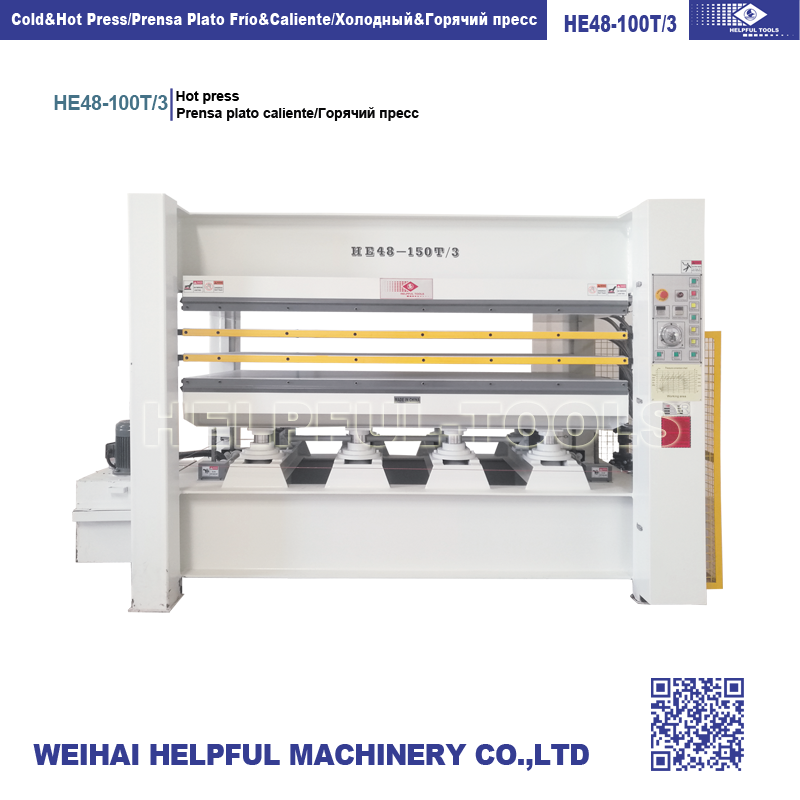
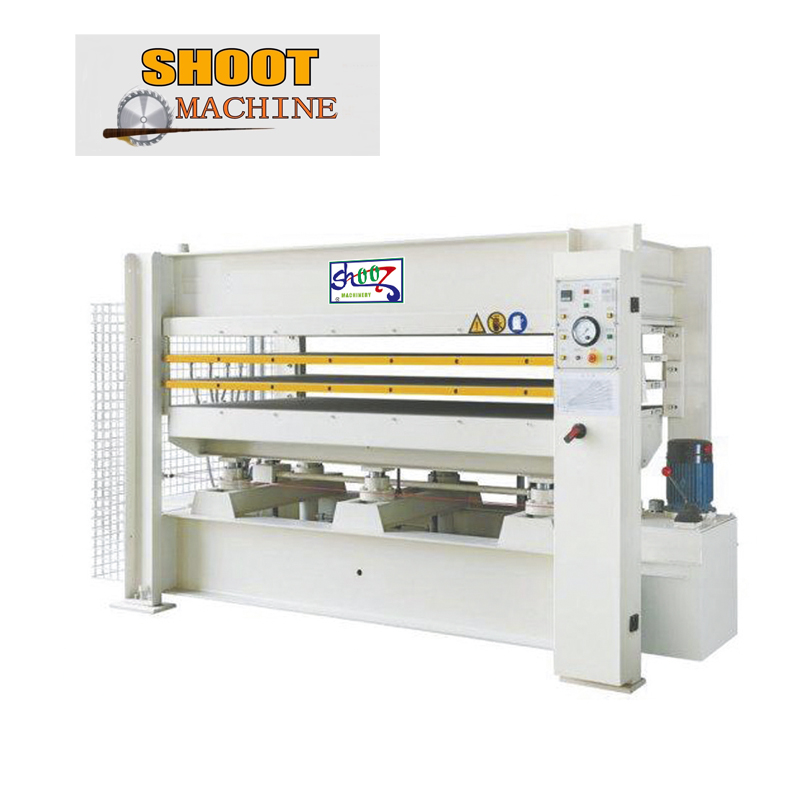
You must also define the exact platen dimensions (typically accommodating standard 4x8 ft boards, e.g., 1300x2500mm), the daylight opening (the maximum vertical clearance between platens), and the number of daylights (layers).
For hot presses, the heating medium fundamentally impacts production speed and maintenance overhead:
| Heating Medium | Heat Up Time | Temperature Uniformity | Maintenance Overhead |
|---|---|---|---|
| Thermal Oil | Moderate | Excellent (±2°C) | Requires periodic fluid changes |
| Steam | Fast | Good | Boiler maintenance, pipe scaling |
| Electric Platen | Fastest | Fair (±5°C) | Low, but high energy cost |
Need help verifying the hydraulic schematics, thermal uniformity, and machining tolerances of prospective machinery suppliers?
Talk to our teamManufacturing Quality and Point-of-Failure Prevention
The lifespan of a woodworking press is determined long before it leaves the factory floor. The primary frame must be constructed from heavy-duty H-beam or welded steel plates that have undergone thermal stress relief. If a factory skips the stress-relief process to save time, the frame will warp under continuous hydraulic load, permanently destroying the press's parallelism.
Hydraulic systems are the most common source of early failure. Specify internationally recognized brands for hydraulic pumps and insist on high-grade seals (such as NOK or equivalent) to prevent pressure loss and fluid leaks.
To ensure the equipment meets your standards, rigorous Quality Control & Inspection must be performed prior to shipment.
Factory Acceptance Testing (FAT) Checklist for Presses
- Verify platen parallelism using dial indicators under maximum operational pressure.
- Conduct a 24-hour hydraulic hold test to check for pressure drops and seal integrity.
- Map temperature variance across all platen zones using thermal imaging (for hot presses).
- Confirm electrical cabinet components match specified CE/UL compliance standards.
- Measure the surface roughness and flatness tolerance of the machined platens.
Sourcing Regions and Supplier Vetting
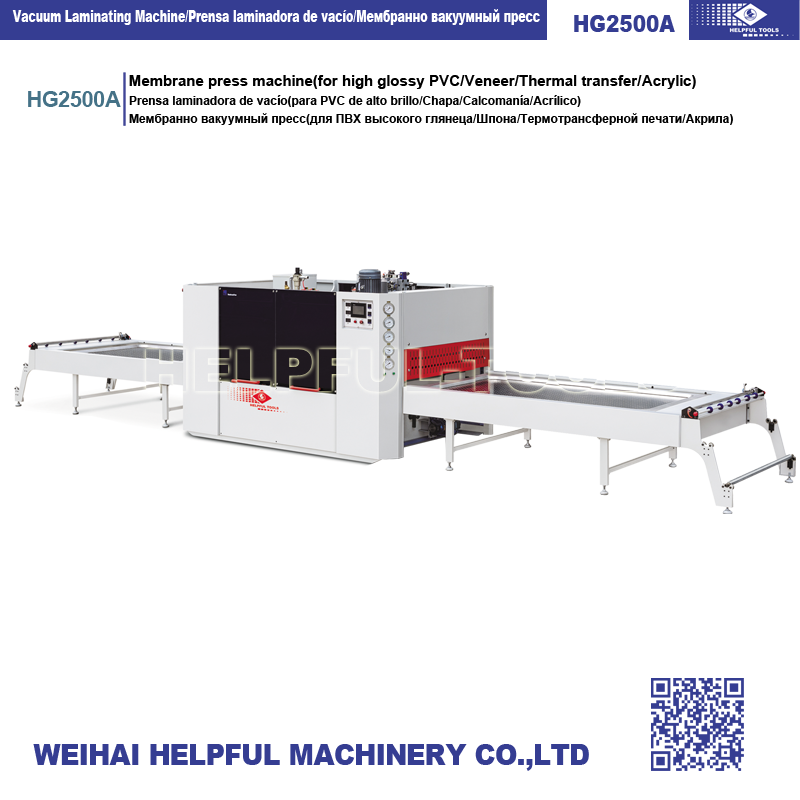
The majority of high-quality woodworking machinery manufacturing in China is concentrated in Shandong province (particularly Qingdao and Weihai) and Guangdong province (Foshan/Lunjiao). Shandong suppliers generally offer heavier, more robust frames suitable for heavy-duty plywood manufacturing, while Guangdong factories often excel in automated, high-precision membrane and edge-gluing presses for panel furniture.
Because machinery suppliers range from massive automated factories to small assembly workshops buying off-the-shelf components, conducting comprehensive Factory Audits is essential to verify their in-house machining capabilities and quality management systems.
Procurement Reality: MOQs, Lead Times, and Logistics
Unlike consumer goods, industrial presses are high-value, low-volume imports. While MOQs are low, the logistics require specialized handling.
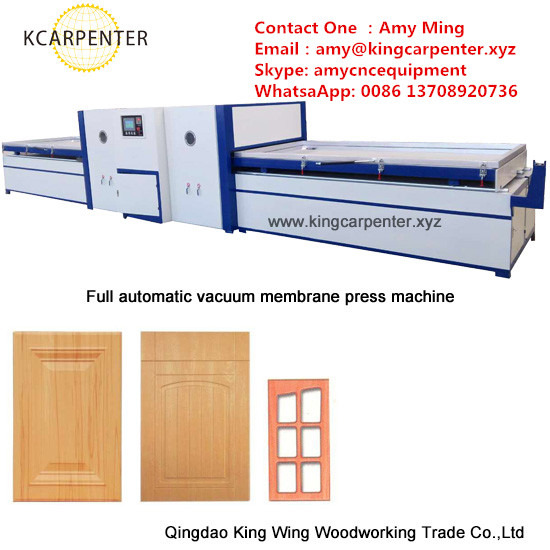
Shipping heavy machinery requires precise container planning. Standard 1-3 daylight presses can usually be skidded and loaded into standard High Cube containers. However, multi-daylight plywood presses or massive membrane presses may require Open Top or Flat Rack containers, significantly impacting freight costs. Coordinating these specialized logistics through experienced Shipping & Freight partners ensures the machinery is properly lashed, preventing transit damage.
Optimize your machinery import logistics, verify supplier capabilities, and secure factory-direct pricing.
Get a free consultationSuccessful procurement of woodworking presses comes down to verifying the unseen engineering: the stress-relief of the welds, the grade of the hydraulic seals, and the true flatness of the platens. Focusing purely on the lowest FOB price often results in costly hydraulic failures and ruined production runs. Partnering with on-the-ground engineering and sourcing experts ensures your capital equipment investments deliver reliable, long-term performance.
Get Sourcing Help for Presses
Tell us your requirements and our experts will connect you with verified manufacturers.