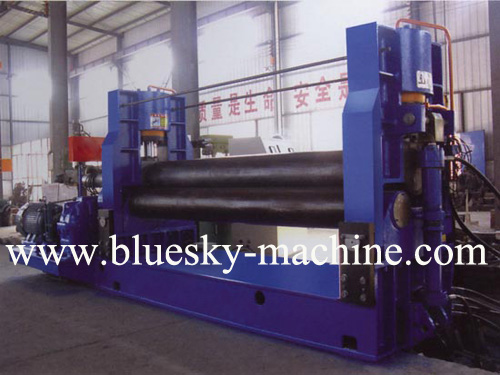
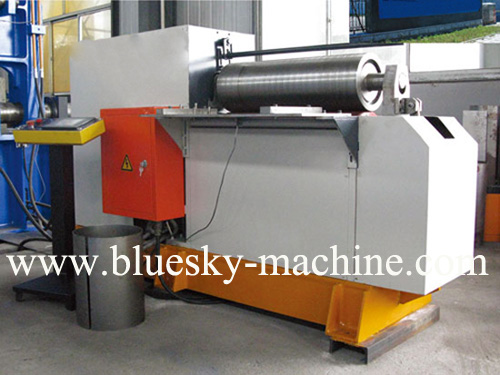
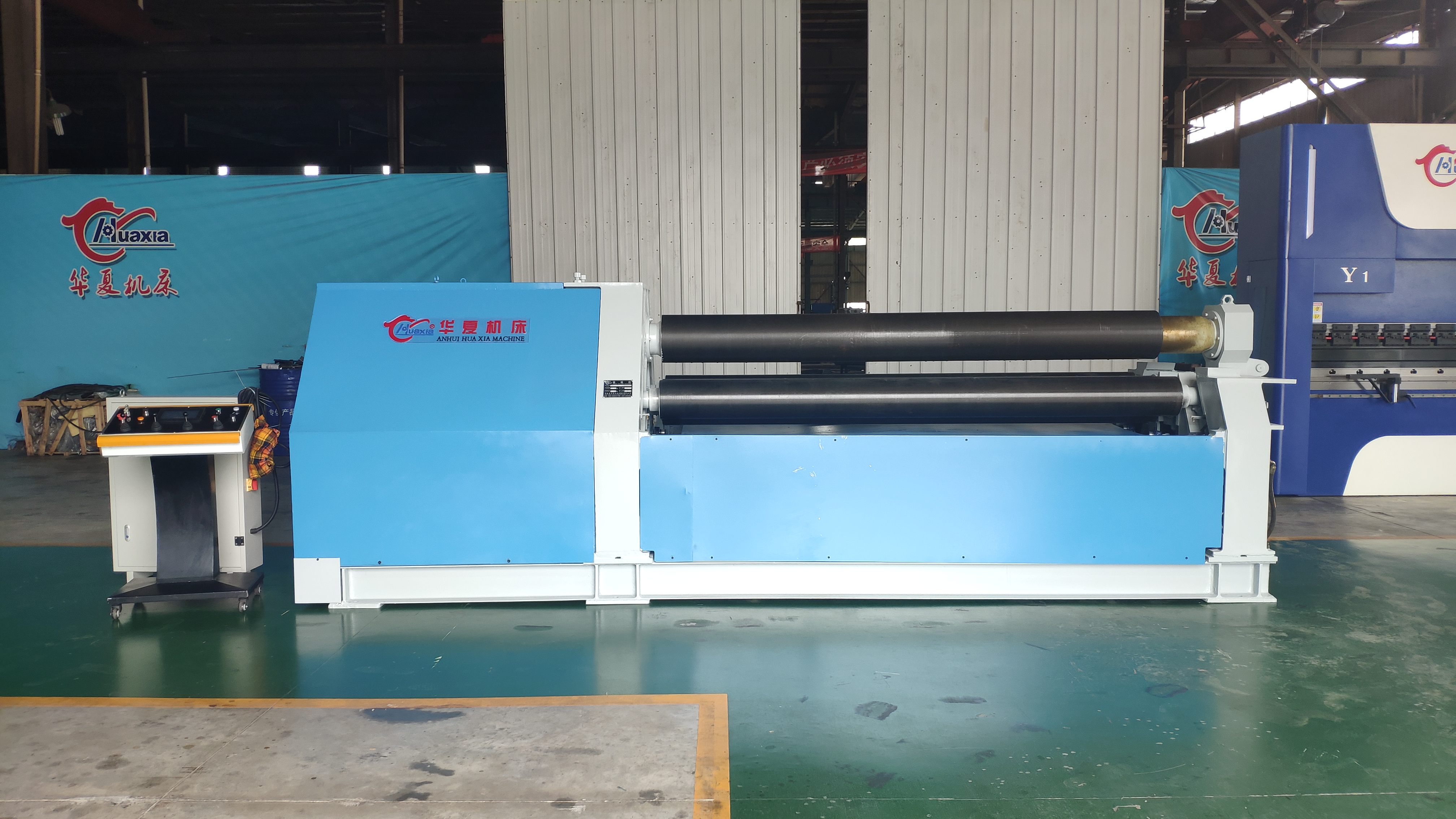
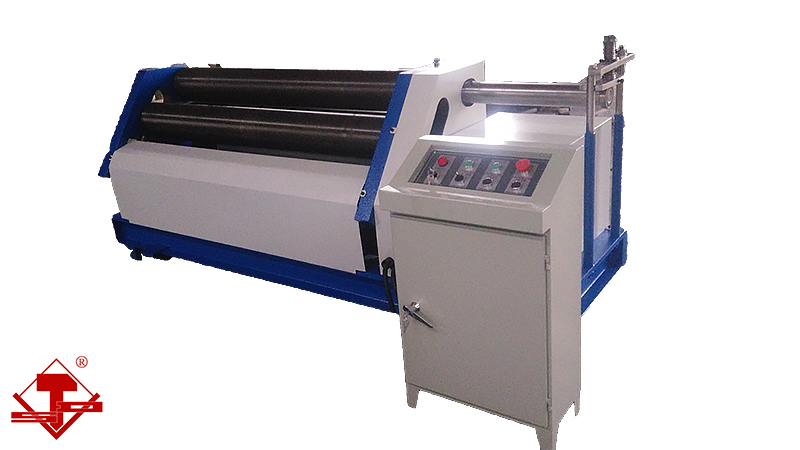
Plate Bending Rolls
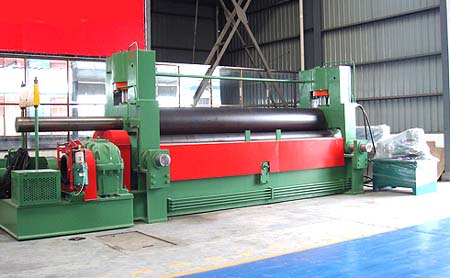
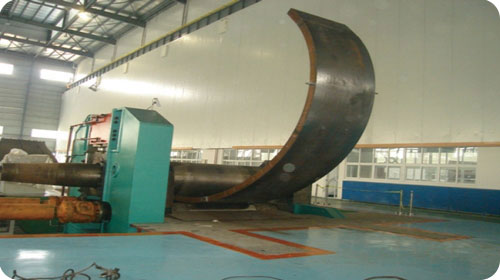
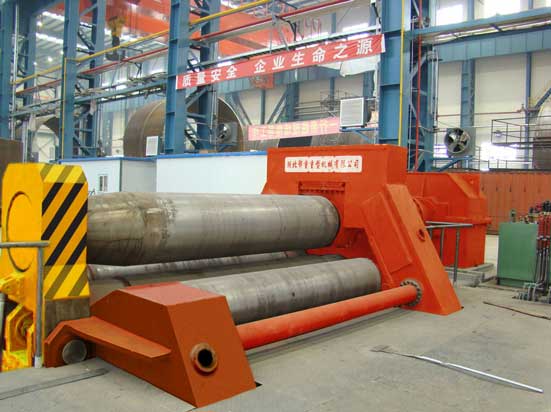
Source industrial-grade Plate Bending Rolls from vetted suppliers and manufacturers across Asia. Designed for equipment importers, distributors, and brands seeking reliable OEM production, our catalog connects you with high-capacity sheet metal processing machinery tailored for bulk procurement and custom manufacturing requirements.
Sourcing plate bending rolls directly from overseas manufacturers requires balancing heavy-duty mechanical reliability with precise CNC control. For importers and industrial distributors, the primary challenge isn't just finding a factory that can assemble a machine; it's verifying that the structural rigidity, hydraulic components, and roll forging processes meet strict industrial tolerances for consistent sheet metal processing.
Core Configurations and Technical Specifications
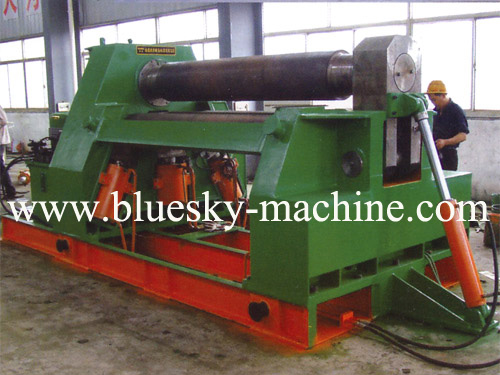
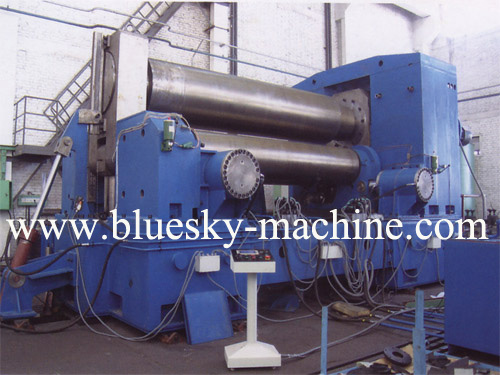
When importing plate bending rolls in bulk or developing an OEM line, specifying the correct machine architecture is critical. The design dictates the machine's pre-bending capabilities, minimum rolling diameter, and suitability for different material yield strengths.
| Machine Type | Pre-Bending Capability | Primary Application |
|---|---|---|
| 3-Roll Symmetrical | None / Requires secondary operation | Thick plates, large radius cylinders |
| 3-Roll Asymmetrical | Good (one end at a time) | Light to medium gauge sheet metal |
| 4-Roll CNC | Excellent (both ends in one pass) | High-volume production, complex shapes |
Beyond the roll configuration, buyers must clearly define the maximum plate thickness and width based on a specific material yield strength (typically standard mild steel at 240 MPa). Failing to specify the reference material often leads to under-specced machinery that struggles or stalls under load.
Ensure your heavy machinery suppliers meet strict industrial standards before you commit capital.
Talk to our teamManufacturing Quality and Structural Integrity
The longevity of a plate bending roll is won or lost in the factory's fabrication and metallurgy processes. Heavy-duty rolling exerts massive stress on the machine frame and the rolls themselves.
If you are customizing machinery under OEM/ODM Services, you must ensure the factory utilizes proper stress-relief techniques on the welded frames. Without thermal stress relief or prolonged vibratory stress relief, the machine frame will warp over time under heavy hydraulic loads, leading to uneven bending.
Critical Quality Control Checkpoints
Catching defects in heavy machinery after it has left the factory is a costly mistake. Implementing rigorous Quality Control & Inspection during and after production is essential.
Pre-Shipment Inspection Focus Areas
- Roll Hardness: Verify the rolls are induction hardened (typically HRC 50 to 55) to prevent scoring.
- Crowning Profile: Ensure the rolls have the correct barrel shape (crowning) to compensate for deflection under load.
- Hydraulic System: Check for premium seals and test for pressure drops or leaks under sustained maximum load.
- Electrical & CNC: Verify the control cabinet components meet your target market's compliance standards (CE, UL).
- Parallelism: Measure the parallelism of the rolls at various pressure points to ensure consistent cylindrical output.
Verifying these capabilities often requires comprehensive Factory Audits before placing an order, ensuring the supplier actually possesses the heavy machining centers and testing equipment necessary to produce industrial-grade equipment.
Pricing, Lead Times, and Sourcing Realities
Unlike consumer goods, plate bending rolls are capital-intensive items with unique sourcing dynamics.
- MOQ Expectations: The Minimum Order Quantity for heavy plate rolls is almost always 1 unit. However, wholesale pricing tiers generally apply when purchasing multiple units or mixing different machine sizes to fill a 20ft or 40ft container.
- Production Lead Times: Standard 3-roll mechanical machines may have lead times of 30 to 45 days. Heavy-duty 4-roll CNC hydraulic machines, especially those with custom capacities or specific brand-name internal components (like Rexroth hydraulics or Siemens PLCs), typically require 60 to 90 days for fabrication and testing.
- Logistics: These machines are exceptionally heavy and often have awkward centers of gravity. Proper crating, securing, and flat-rack container planning are vital. Coordinating Shipping & Freight requires specialized heavy-lift experience to prevent transit damage.
Navigating heavy machinery logistics, factory negotiations, and customs clearance? Let our experts manage the process.
Get a free consultationFrequently Asked Questions
Successfully importing plate bending rolls requires looking past the outer casing and evaluating the metallurgical and hydraulic integrity of the machine. By enforcing strict tolerances and partnering with verified industrial manufacturers, you can secure heavy machinery that delivers decades of reliable service.
Get Sourcing Help for Plate Bending Rolls
Tell us your requirements and our experts will connect you with verified manufacturers.