Plastic Extruders
Source industrial-grade plastic extruders from vetted manufacturers and suppliers. This catalog is built for machinery distributors, procurement managers, and industrial manufacturers looking to import reliable extrusion equipment in bulk or as standalone capital investments. Ensure optimal production efficiency with thoroughly vetted factory partners.
Sourcing heavy industrial machinery like plastic extruders demands rigorous technical evaluation and precise supplier vetting. A poorly specified extruder leads to melt inconsistency, excessive downtime, and degraded polymer properties. When buying extrusion lines from overseas manufacturers, success relies on validating the factory's machining capabilities, component sourcing, and assembly precision before making a substantial capital commitment.
Core Specifications and Extruder Configurations
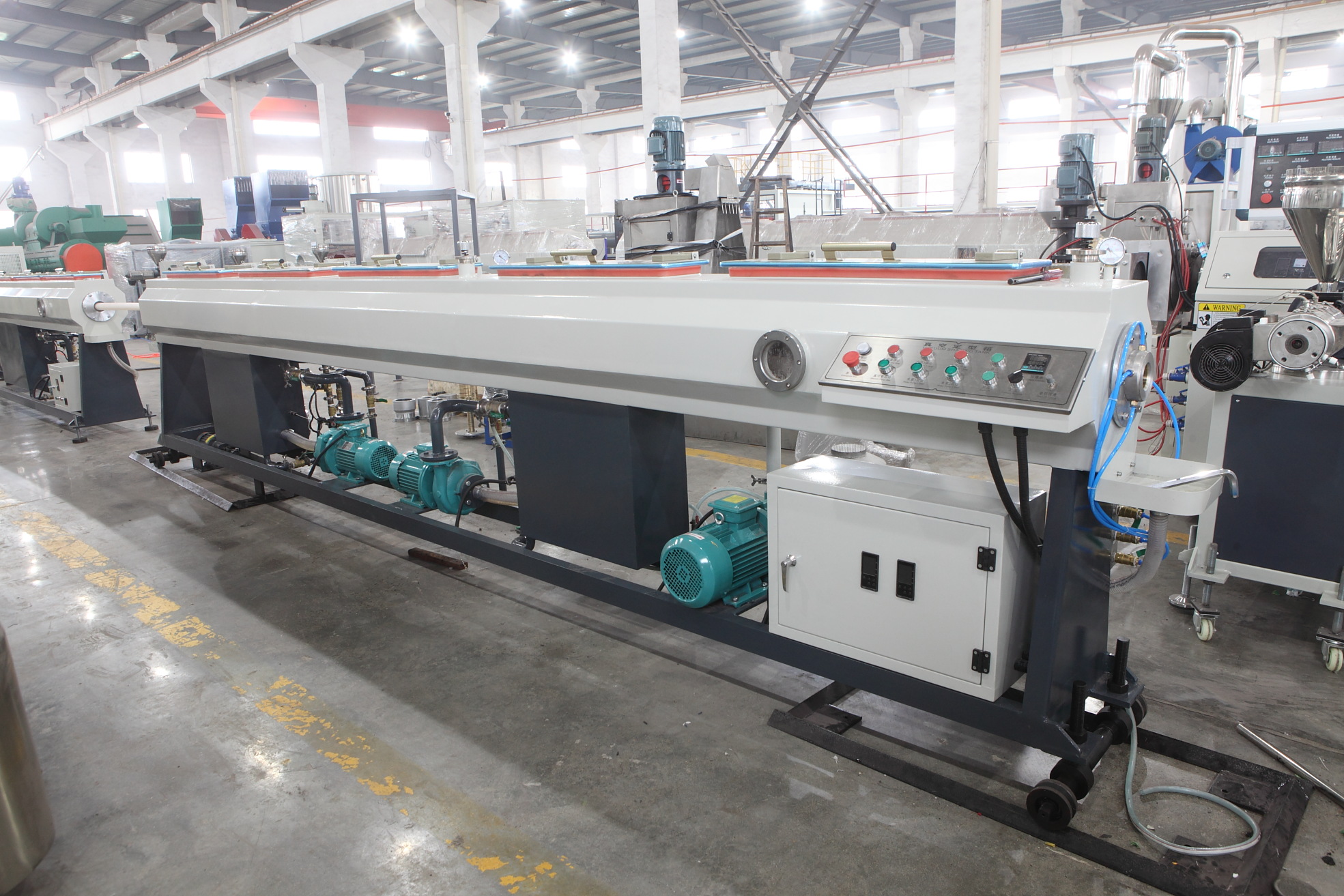
The foundation of any extrusion line is the screw and barrel design, dictated by the specific polymer (PVC, PE, PP, PET, etc.) and the end product. Buyers must specify exact parameters to ensure the machinery meets production targets.
| Configuration | Single-Screw Extruders | Twin-Screw Extruders |
|---|---|---|
| Primary Application | Pipes, sheets, standard profiles | Compounding, masterbatch, PVC profiles |
| Mixing Capability | Low to moderate | High (excellent dispersion) |
| Shear Generation | Frictional (depends on screw design) | Intermeshing (highly controlled) |
| Typical L/D Ratios | 25:1 to 33:1 | 16:1 to 40:1 (modular) |
Critical Design Parameters
- L/D Ratio (Length to Diameter): Higher ratios (up to 40:1) provide longer residence time for better melt homogenization, crucial for complex compounds.
- Motor and Drive Systems: AC motors with vector control or Servo motors are standard for energy efficiency. The gearbox must be robust enough to handle continuous high torque.
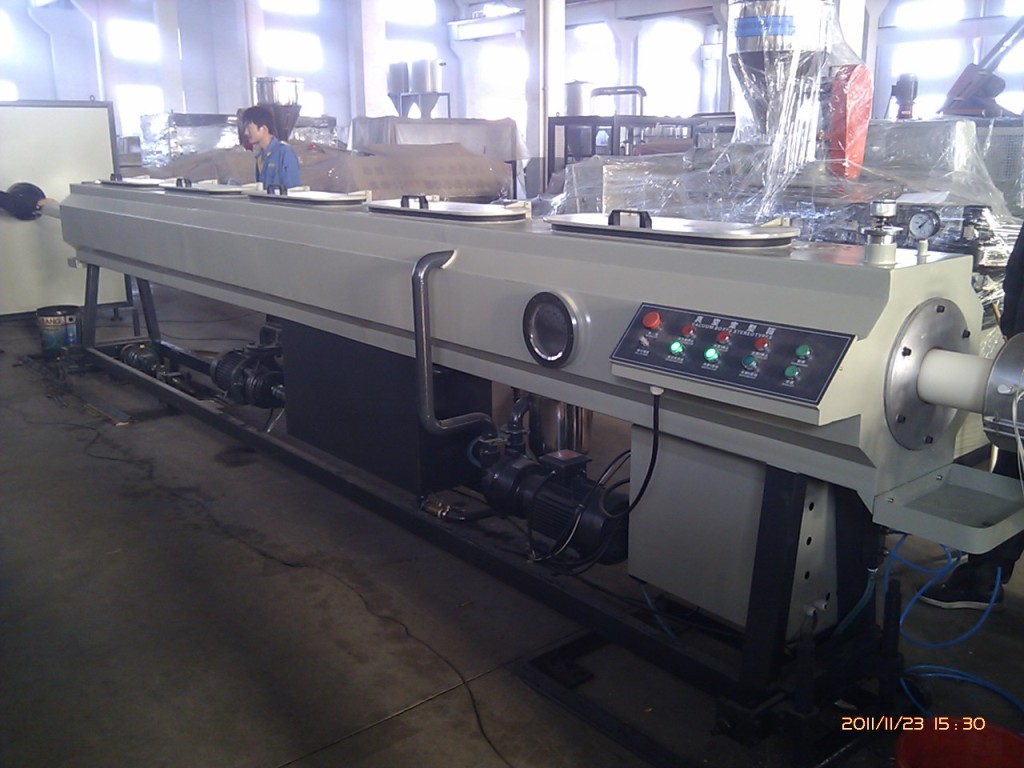
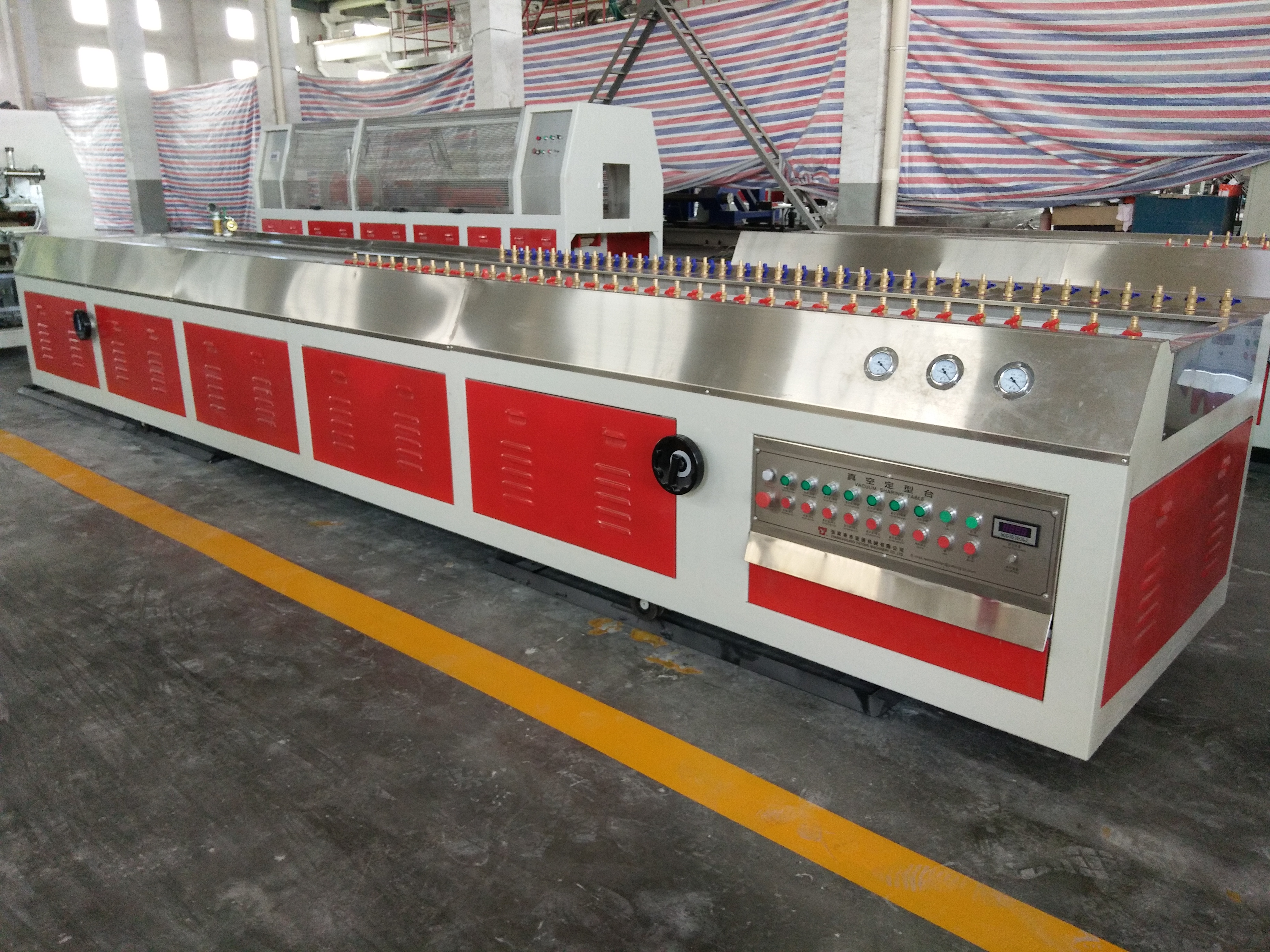
- Heating and Cooling Zones: Precise temperature control using cast aluminum or ceramic heaters, paired with air or water cooling systems, prevents polymer degradation.
Need help verifying a machinery manufacturer's technical capabilities? Our engineers can evaluate factory credentials and specifications on your behalf.
Talk to our teamComponent Quality and Metallurgy
The lifespan of a plastic extruder is heavily dependent on the metallurgy of its core components and the origin of its electronic controls. Many factories offer tiered pricing based on component selection.
Critical Component Checks
- Screw and Barrel Metallurgy: Verify if the steel is standard nitrided (38CrMoAlA) or bimetallic coated for processing abrasive/corrosive materials (like glass-filled polymers or PVC).
- Gearbox Origin: The gearbox is the heart of the extruder. High-end machines often use European or top-tier domestic gearboxes with SKF/NSK bearings.
- PLC and Automation: Ensure the control system uses internationally supported brands (Siemens, Omron, ABB) to guarantee local serviceability and part replacement.
- Heater Bands and Thermocouples: Check for high-quality insulation and accurate sensors to maintain tight temperature tolerances.
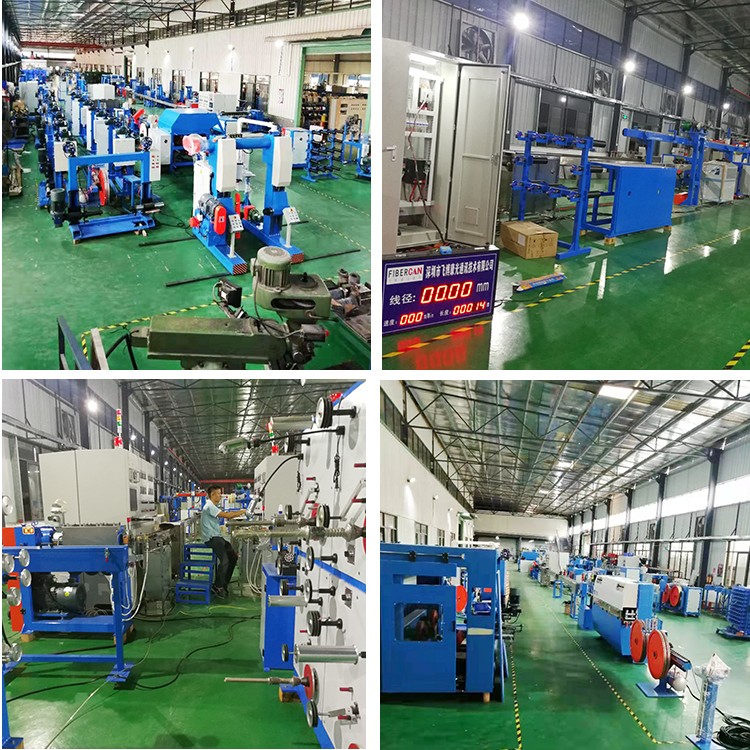
When evaluating a new supplier, conducting comprehensive Factory Audits is essential. You need to verify that the manufacturer actually machines their own screws and barrels or sources them from reputable sub-suppliers, rather than just assembling low-grade parts.
Sourcing Realities: Pricing, Lead Times, and FAT
Capital equipment sourcing operates on entirely different timelines and payment structures than standard consumer goods.
Factory Acceptance Testing (FAT)
Never authorize the final payment or shipment without a rigorous FAT. This involves running the extruder at the manufacturer's facility using your specific raw materials to verify output rates, melt quality, and power consumption. Engaging independent Quality Control & Inspection teams to oversee the FAT ensures the machine performs exactly to spec before it leaves the factory floor.
Once approved, moving heavy machinery requires specialized logistics. Extruders often require flat racks or open-top containers, and coordinating this requires experienced Shipping & Freight forwarding to manage oversized cargo and complex customs clearance.
Planning a new extrusion line? Let us manage the supplier negotiation, FAT oversight, and oversized freight logistics.
Get a free consultationFrequently Asked Questions
Successful procurement of plastic extruders requires balancing upfront capital costs with long-term reliability and output consistency. By strictly defining your technical requirements and enforcing rigorous testing protocols at the factory level, you can secure high-performance machinery that delivers a rapid return on investment.
Get Sourcing Help for Plastic Extruders
Tell us your requirements and our experts will connect you with verified manufacturers.