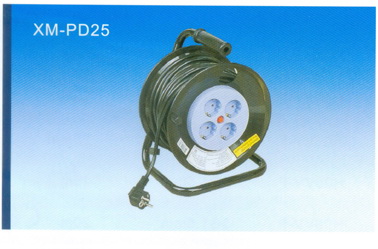
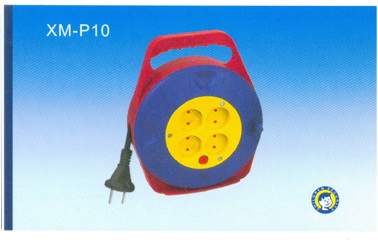
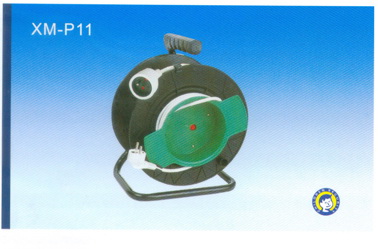
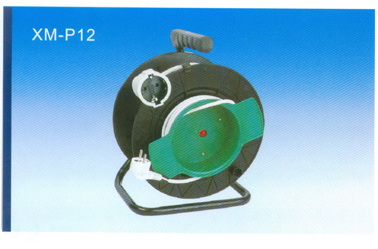
Other Wiring Accessories
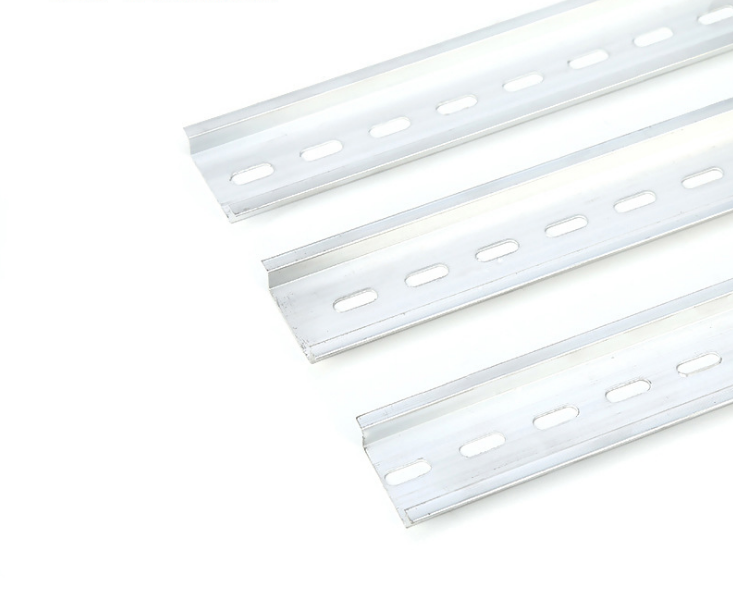
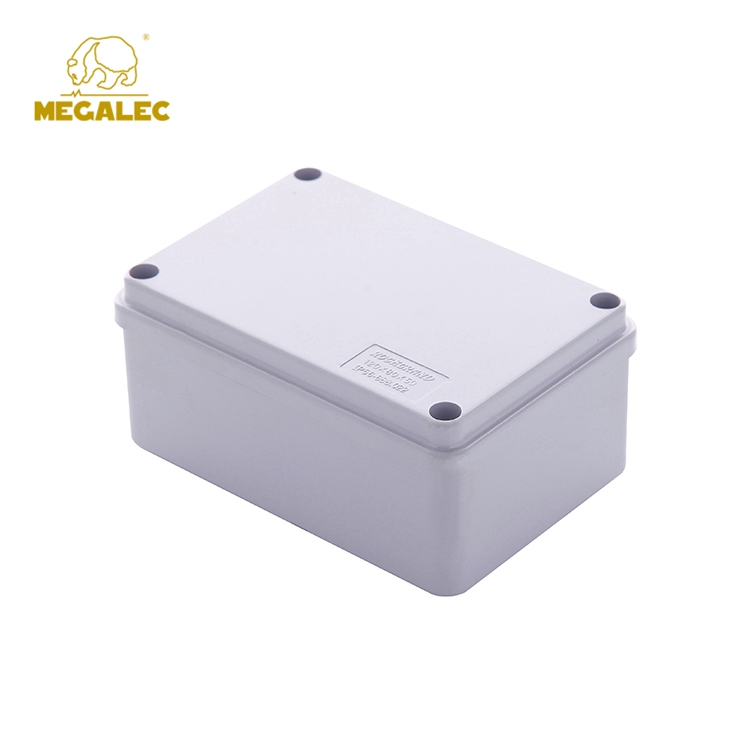
Source high-quality Other Wiring Accessories in bulk directly from vetted manufacturers and suppliers. Designed for importers, electrical distributors, and brands seeking reliable OEM and private-label production, our network delivers compliant, commercial-grade wiring components at competitive wholesale prices.
Procuring miscellaneous wiring accessories in high volumes presents a unique supply chain challenge. Because these components—ranging from specialized routing aids to proprietary termination enclosures—are often low-cost and high-volume, buyers frequently underestimate the technical risks. Inconsistent material grades, poor tooling, and lax compliance testing can lead to catastrophic failures in the field, product recalls, and severe liability.
For professional buyers, success relies on strict specification control, rigorous factory vetting, and a clear understanding of injection molding and metal stamping economics.
Material Selection and Specification Criteria
The reliability of ancillary wiring components is entirely dependent on the raw materials used. Factories often attempt to pad margins by mixing virgin polymers with regrind (recycled plastic) or by downgrading metal alloys. You must specify exact material requirements in your purchase orders.
Polymer Grades and Flammability
Most plastic wiring accessories are manufactured from Polyamide (Nylon 66), Polycarbonate (PC), Polypropylene (PP), or Polyvinyl Chloride (PVC). The critical metric for electrical applications is the UL94 flammability rating.
- UL94 V-0: The standard for premium electrical accessories. The material stops burning within 10 seconds and does not drip flaming particles.
- UL94 V-2: Cheaper, but allows for flaming drips. Acceptable only in specific, low-risk routing applications.
- UV Resistance: For outdoor accessories, standard Nylon 66 degrades rapidly. You must specify UV-stabilized grades (often utilizing carbon black additives) to prevent brittleness over time.
| Material Quality | Mechanical Integrity | Flame Retardancy | Cost Impact |
|---|---|---|---|
| Virgin Nylon 66 (UL94 V-0) | High tensile strength, flexible | Self-extinguishing under 10s | Premium base cost |
| High-Percentage Regrind | Brittle, prone to snapping under load | Unpredictable, often fails V-0 testing | Up to 30 percent cheaper |
Metal Inserts and Contacts
For accessories containing conductive elements or threaded inserts, specify the exact brass alloy (typically H59 or H62). Insist on proper plating (nickel or tin) to prevent galvanic corrosion when in contact with copper or aluminum wiring.
Struggling with inconsistent material quality from your current suppliers? Let us help you establish strict material controls and source from reliable factories.
Talk to our teamManufacturing Tolerances and Tooling
The majority of plastic wiring accessories are produced via high-cavity injection molding. The quality of the factory's tooling dictates the quality of your product. Cheap molds made from soft P20 steel degrade quickly, resulting in "flash" (excess plastic seeping through mold seams). Flash on wiring accessories can cut wire insulation, creating severe short-circuit risks.
When evaluating a manufacturer, inspect their tooling maintenance protocols and the precision of their injection machines.
Injection Molding Quality Checklist
- Verify mold steel grade (H13 or S136 preferred for high-volume, abrasive plastics).
- Check for automated runner removal and robotic part extraction to ensure consistency.
- Inspect samples for flash along parting lines, particularly on internal routing surfaces.
- Assess the factory's material drying equipment (Nylon is hygroscopic and must be dried before molding to prevent structural defects).
Implementing a strict Quality Control & Inspection protocol is non-negotiable. In-line inspections should verify dimensional tolerances using digital calipers and go/no-go gauges, ensuring components mate correctly with standard conduits and enclosures.
Regulatory Compliance and Testing
Wiring accessories must meet the regulatory requirements of your target market. In the EU, this means RoHS compliance (restricting hazardous substances in plastics and metal plating) and CE marking for safety. In North America, UL or CSA recognition is often mandatory for electrical components.
Do not accept a supplier's word or a generic certificate. Factories frequently present outdated or modified compliance documents. Partnering with a sourcing team that manages rigorous Compliance & Testing ensures your products are tested by certified, independent third-party laboratories.
Wholesale Pricing, MOQs, and Production Lead Times
Because unit costs are extremely low (often fractions of a cent), production minimums are dictated by the efficiency of the injection molding machine setup and raw material minimums.
For brands requiring proprietary designs, leveraging OEM/ODM Services allows you to amortize tooling costs over long production runs. When negotiating pricing, index the cost against the current market price of the raw polymer, as resin costs make up the vast majority of the final unit price.
Ready to optimize your landed costs and secure reliable production for your custom wiring accessories?
Get a free consultationFrequently Asked Questions
Securing a reliable supply chain for miscellaneous wiring accessories requires moving beyond unit price negotiations. By controlling material specifications, demanding high-quality tooling, and enforcing strict pre-shipment inspections, buyers can eliminate failure risks and build a highly profitable product line.
Get Sourcing Help for Other Wiring Accessories
Tell us your requirements and our experts will connect you with verified manufacturers.