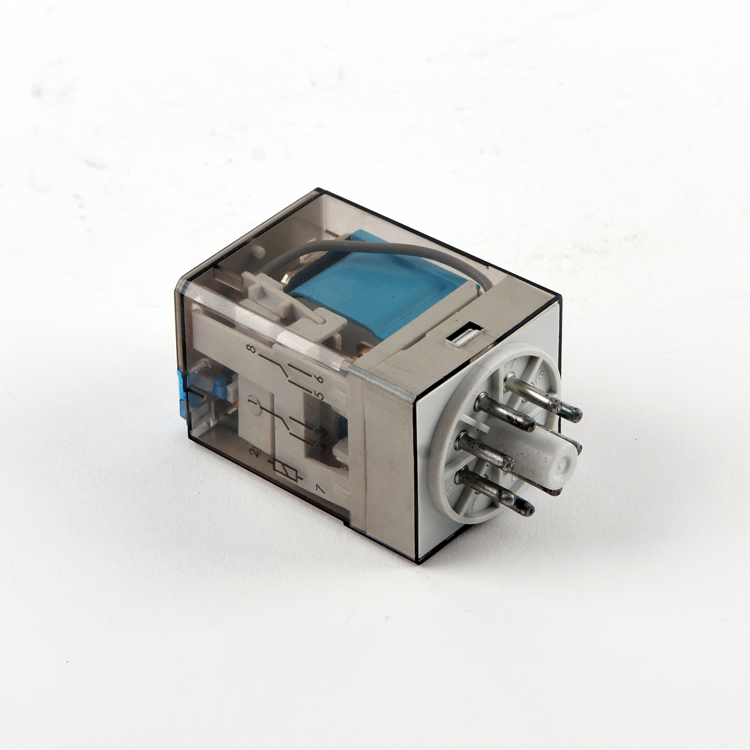
Other Relays
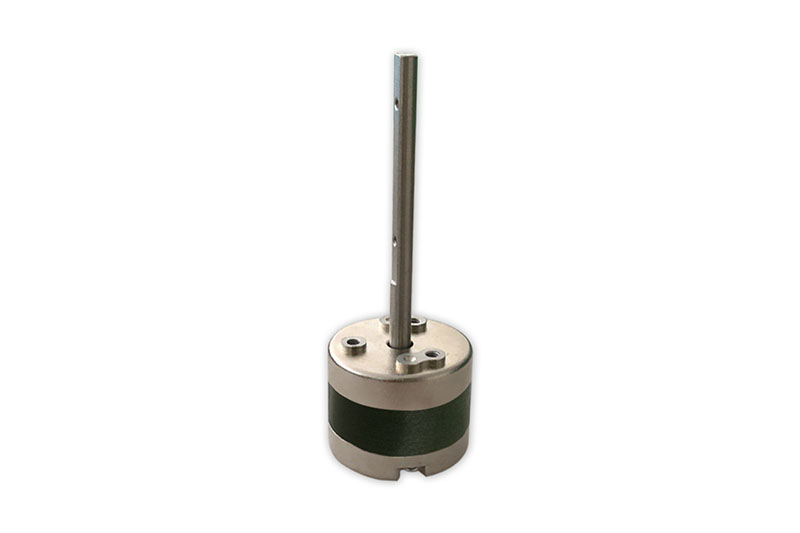
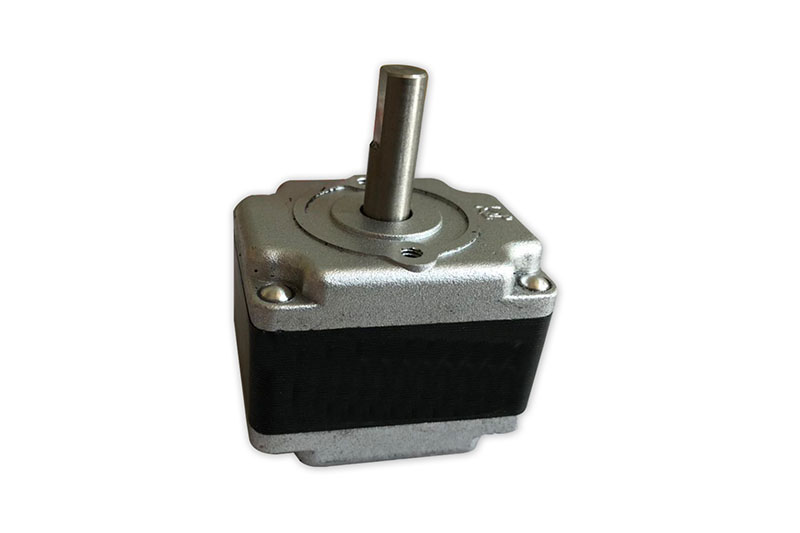
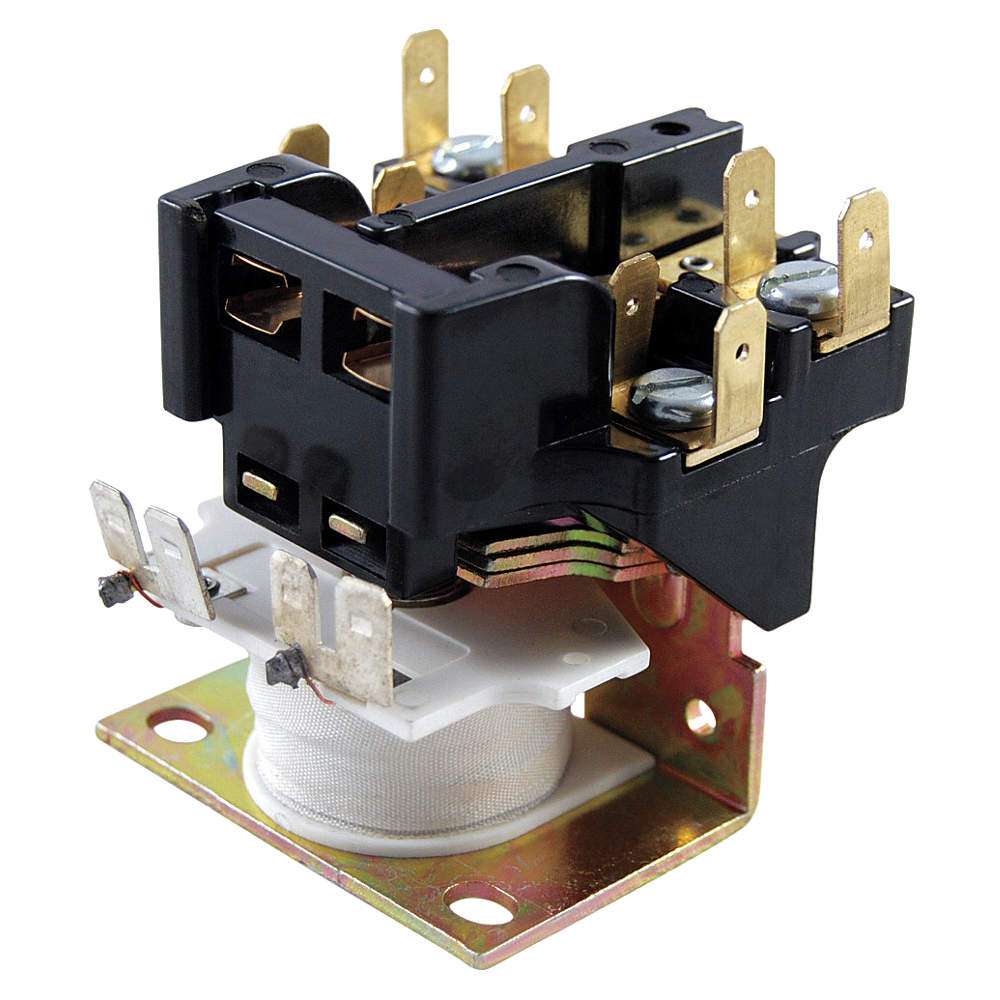
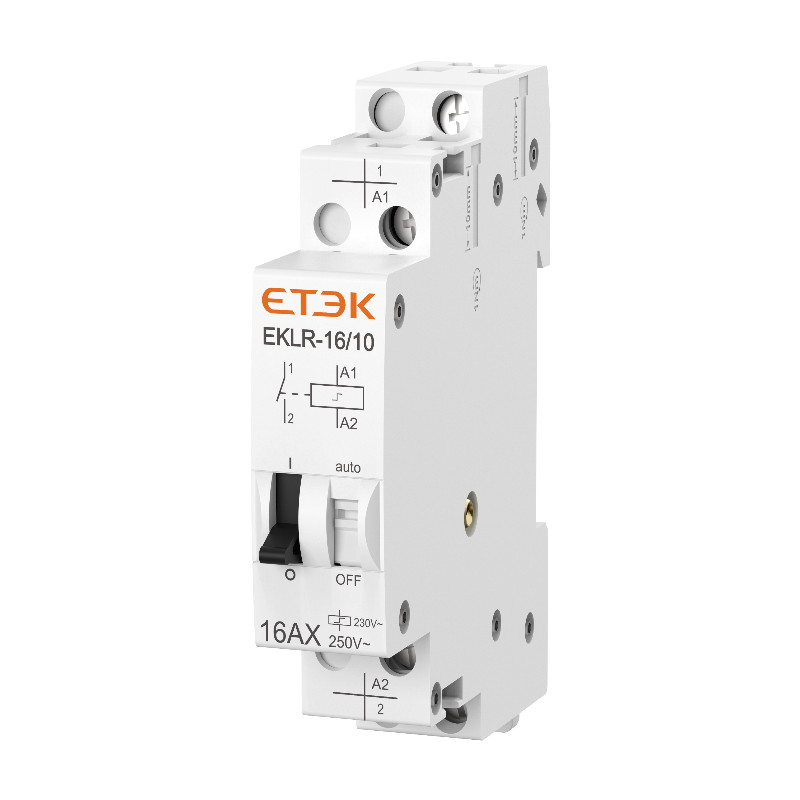
Source specialized and custom Other Relays from vetted manufacturers and suppliers across Asia. Designed for importers, electronics distributors, and OEM brands requiring bulk production, our network delivers high-performance switching components built to exact specifications. Secure competitive wholesale pricing and reliable supply chains today.
When standard electromagnetic or solid-state relays do not meet the specific demands of your application, sourcing from the "Other Relays" category—which encompasses niche components like reed, latching, coaxial, and specialized RF relays—requires precise alignment with a capable manufacturer. The stakes in procurement are high; component failure in specialized applications often leads to catastrophic system downtime, making factory selection and quality oversight critical.
Critical Specifications for Custom and Niche Relays
Procuring specialized relays in bulk requires a rigorous technical specification sheet. Manufacturers need exact parameters to ensure the raw materials and assembly tolerances match your application's environment.
Essential Specifications to Define with Suppliers
- Contact Material: Specify exact alloys (e.g., AgNi for standard loads, AgSnO2 for high inrush currents) rather than generic 'silver contacts'.
- Dielectric Strength: Define the required isolation voltage between coil and contacts (often required to be over 4000V for safety applications).
- Coil Power and Voltage: Specify nominal voltage, pick-up voltage, and drop-out voltage tolerances to prevent overheating in continuous-duty applications.
- Operational Life: Differentiate between mechanical life (often over 10 million cycles) and electrical life at full load (typically 100,000 cycles).
- Sealing Rating: Specify flux-proof (RT II) or wash-tight (RT III) depending on your downstream PCB assembly processes.
Manufacturing Tolerances and Quality Control
Specialized relays demand rigorous factory environments. For example, reed relays require cleanroom glass encapsulation, while high-frequency relays need exact contact geometries to minimize insertion loss. Relying on a supplier's self-reported capabilities is risky when dealing with sensitive electromechanical components.
Need to verify a factory's cleanroom facilities and automated assembly capabilities before placing a bulk order?
Talk to our teamQuality is typically won or lost in three key manufacturing stages:
Coil Winding
Automated CNC winding machines must maintain exact tension. Inconsistent tension leads to hot spots, altering the relay's resistance and causing premature coil failure.
Contact Welding and Riveting
The precision of the contact assembly dictates the contact resistance. Micro-welding under inert gas is often required to prevent oxidation.
Sealing and Potting
Epoxy sealing must be cured at precise temperature profiles. Inadequate curing allows flux intrusion during your PCB wave soldering process, leading to internal contamination.
To mitigate these risks, implementing strict Quality Control & Inspection protocols—including pre-shipment testing for contact resistance and dielectric strength—is essential before the goods leave the factory.
Certifications and Compliance
Relays acting as safety or isolation components must pass stringent regional standards. Ensure your supplier can provide valid, verifiable test reports for UL (North America), VDE or TUV (Europe), and CQC (China). Furthermore, all components must comply with RoHS and REACH directives regarding hazardous substances. If a supplier hesitates to provide documentation, leveraging independent Compliance & Testing services is a necessary safeguard.
Pricing, MOQs, and Lead Times
The specialized nature of these relays means production runs are often scheduled to order, impacting both lead times and minimum order quantities (MOQs).
Pricing is heavily influenced by the cost of precious metals (silver, gold plating) and the degree of automation in the factory. If you are developing proprietary hardware, utilizing professional OEM/ODM Services ensures your intellectual property is protected while the factory optimizes the design for mass production.
Looking to negotiate better pricing and secure reliable lead times for your custom relay components?
Get a free consultationFrequently Asked Questions
Securing reliable, high-performance relays requires looking past the spec sheet and deeply evaluating the manufacturer's production floor and quality management systems. Thorough vetting upfront prevents costly component failures down the line.
Get Sourcing Help for Other Relays
Tell us your requirements and our experts will connect you with verified manufacturers.