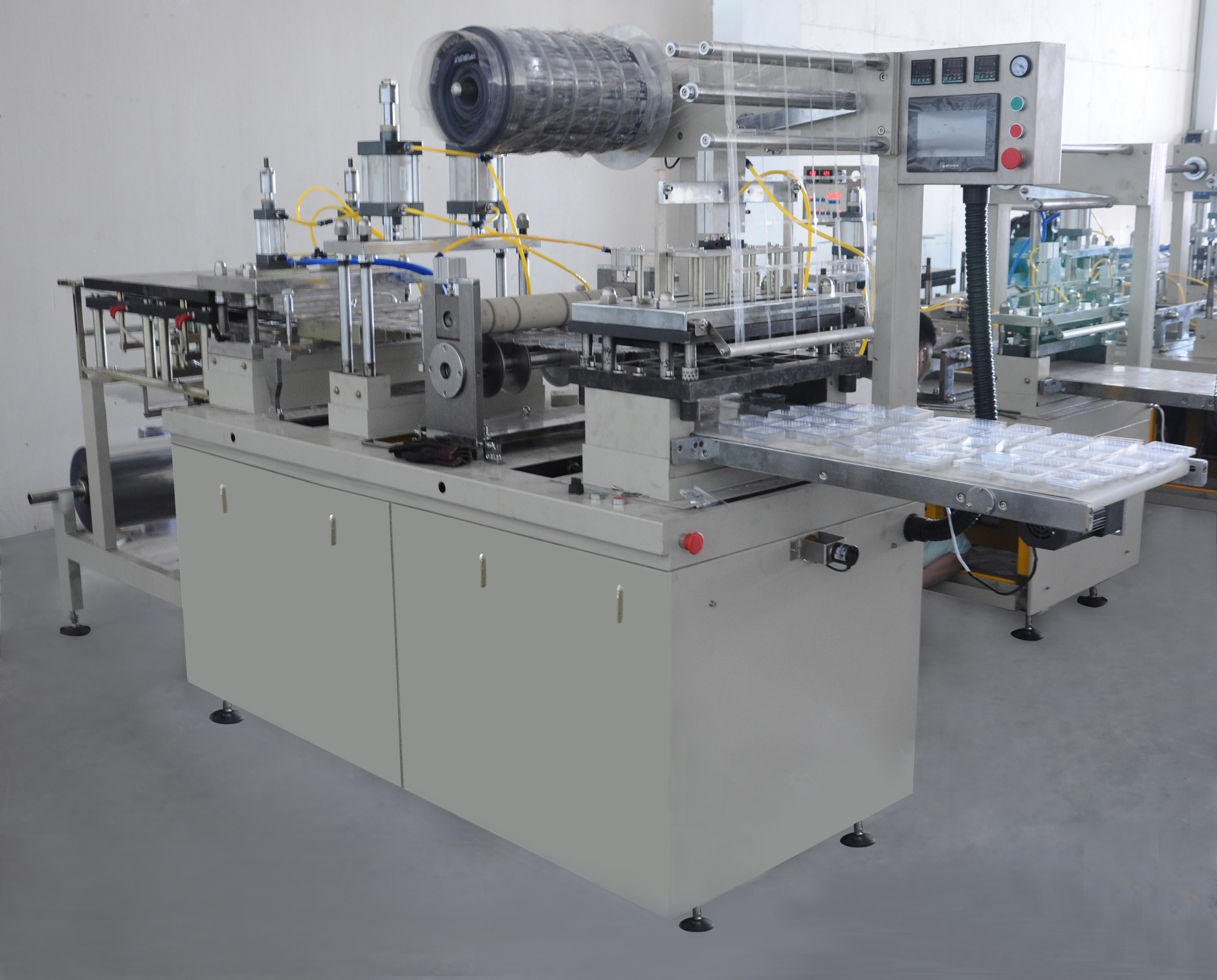
Other Molding or Forming Machine
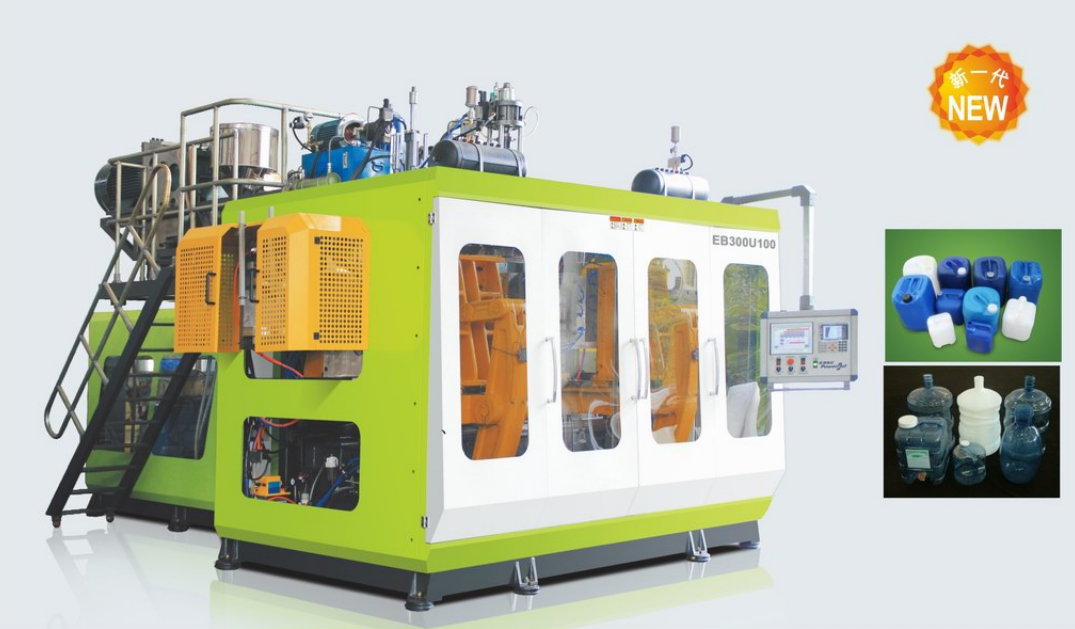
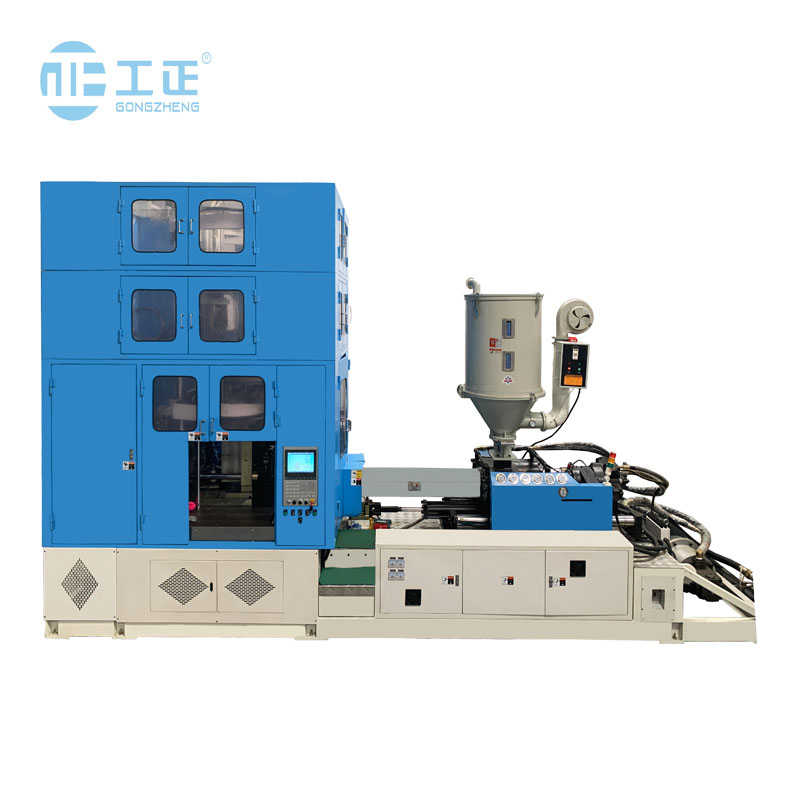
Source specialized molding and forming machines from vetted manufacturers and suppliers. Designed for importers, distributors, and industrial buyers, this catalog offers bulk pricing and custom engineering capabilities for specialized plastic and rubber production equipment.
Sourcing specialized plastic and rubber forming equipment—whether for thermoforming, rotational molding, vacuum forming, or compression pressing—requires exact alignment between your production requirements and the manufacturer's engineering capabilities. Because these machines fall outside standard injection or extrusion categories, they are rarely off-the-shelf. Buying at this level means specifying core components, verifying engineering tolerances, and managing complex heavy-freight logistics.
Specifying Specialized Forming Machinery
When dealing with non-standard forming equipment, the baseline specifications dictate the machine's footprint, energy consumption, and output quality. Overlooking a single variable in the control system or heating zones can lead to severe operational bottlenecks.
- Clamping Force & Platen Size: For compression and forming presses, clamping force (measured in kN or Tons) must exceed your maximum mold requirement by at least 20 percent to prevent flashing and ensure uniform pressure. Platen dimensions must accommodate your largest mold bases with adequate clearance for tie-bars.
- Heating and Cooling Zones: Thermoforming and rotational molding rely heavily on precise temperature control. Specify the heating capacity (kW), the type of heating elements (e.g., infrared, ceramic, or oil-heated platens), and the number of independently controlled zones.
- Control Systems (PLC & HMI): Do not compromise on the logic controller. Standardize on internationally supported brands (like Siemens, Allen-Bradley, or Mitsubishi). Proprietary or domestic-only PLCs make troubleshooting and finding replacement parts locally nearly impossible.
| Drive System | Energy Efficiency | Precision | Ideal Application |
|---|---|---|---|
| Standard Hydraulic | Moderate | Standard | High-tonnage compression pressing |
| Servo-Hydraulic | High | High | Most modern forming and molding tasks |
| All-Electric | Very High | Ultra-High | Cleanroom or high-precision forming |
Configuring industrial machinery requires precise communication with the factory. Let our engineering sourcing experts help you negotiate the exact specifications you need.
Talk to our teamFactory Vetting and Assembly Standards
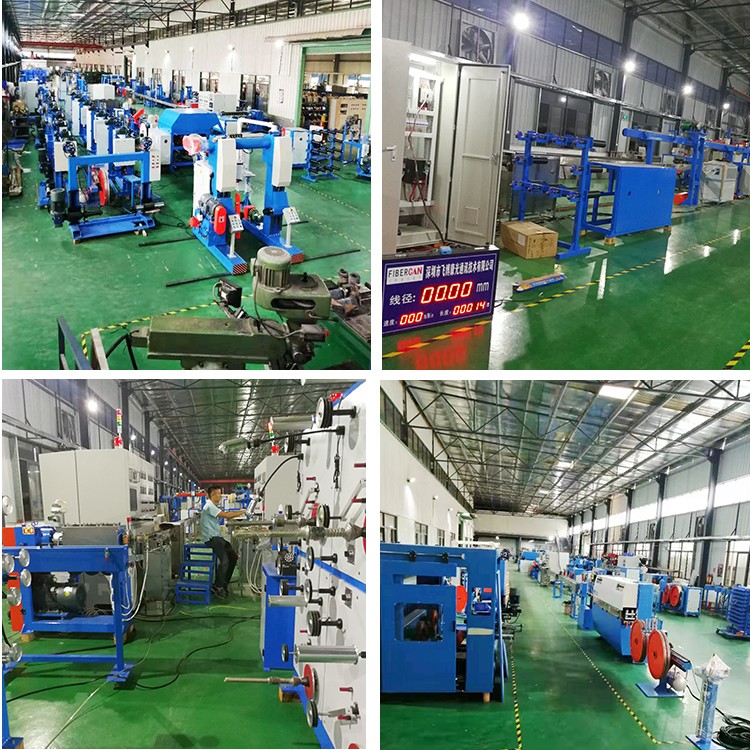
Not all machinery suppliers are manufacturers; many are simply trading companies or assembly workshops that buy frames and components from third parties. For capital equipment, you need a partner with in-house machining capabilities to ensure the structural integrity of the machine frame and platens.
Before placing a deposit, a rigorous Factory Audit is essential. You must verify their CNC machining centers, their quality management systems (ISO 9001), and their track record with international buyers.
Critical Factory Verification Points
- In-house machining of main frames and platens (ensures parallelism and rigidity)
- Use of genuine, verifiable imported components (valves, PLCs, servo motors)
- CE or UL certification validity (specifically for electrical cabinets and pressure vessels)
- Dedicated testing area for Factory Acceptance Testing (FAT)
Quality Control: The Factory Acceptance Test (FAT)
You cannot afford to discover a hydraulic leak, a software glitch, or a platen misalignment after the machine arrives at your facility. Quality control for industrial machinery culminates in the Factory Acceptance Test (FAT).
Professional Quality Control & Inspection involves running the machine at the factory using your actual molds and raw materials (or exact equivalents). Inspectors should check for hydraulic pressure stability, heating zone accuracy, cycle time consistency, and safety interlock functionality. Only authorize the final payment once the machine has run a continuous, defect-free cycle that meets your throughput requirements.
Pricing, MOQs, and Lead Times
Industrial forming machines are capital expenditures built to order. While pricing varies wildly based on tonnage, automation level, and component brands, the purchasing mechanics are generally consistent.
Logistics and Shipping
Forming machines are heavy, oversized cargo. They often require flat-rack containers or open-top containers, which complicates freight forwarding. Ensuring the machine is properly coated in anti-rust oil, vacuum-sealed, and securely lashed inside the container is critical. Coordinating this requires experienced Shipping & Freight management to handle the out-of-gauge (OOG) cargo, export customs, and heavy-lift rigging at the destination port.
Need to coordinate a complex machinery purchase, FAT, and heavy freight? We manage the entire capital equipment supply chain.
Get a free consultationFrequently Asked Questions
Purchasing specialized molding and forming machinery is a major capital investment that demands rigorous technical oversight, from initial component specification to final FAT and heavy-freight logistics. Ensuring you partner with a capable, vetted manufacturer is the only way to guarantee reliable production capacity for your facility.
Get Sourcing Help for Other Molding or Forming Machine
Tell us your requirements and our experts will connect you with verified manufacturers.