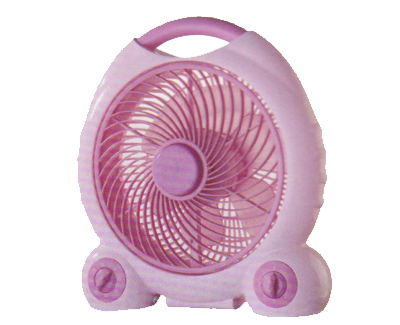
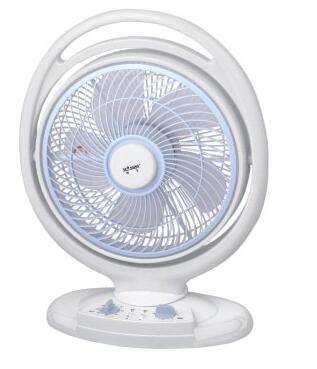
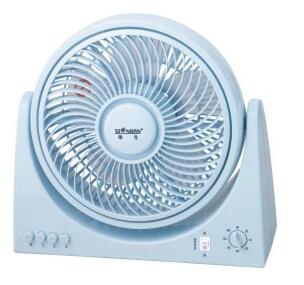
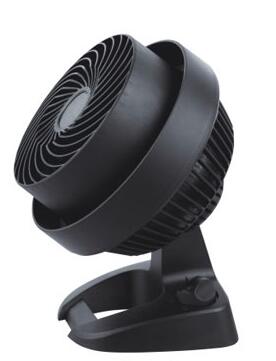
Other Fans
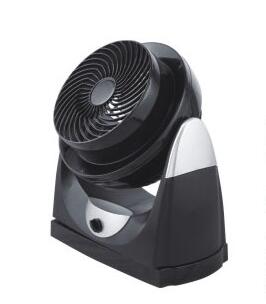
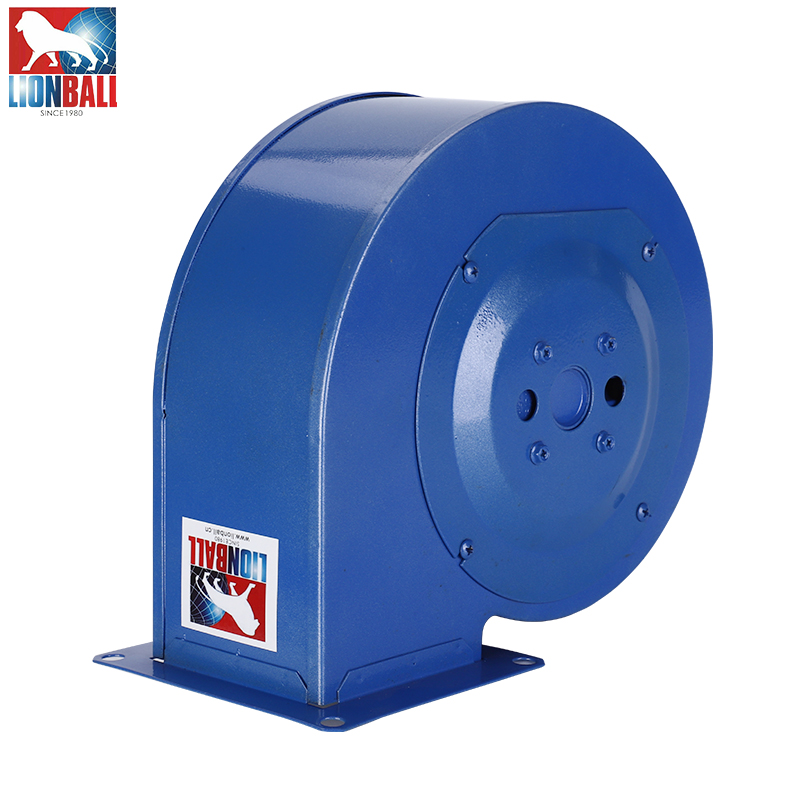
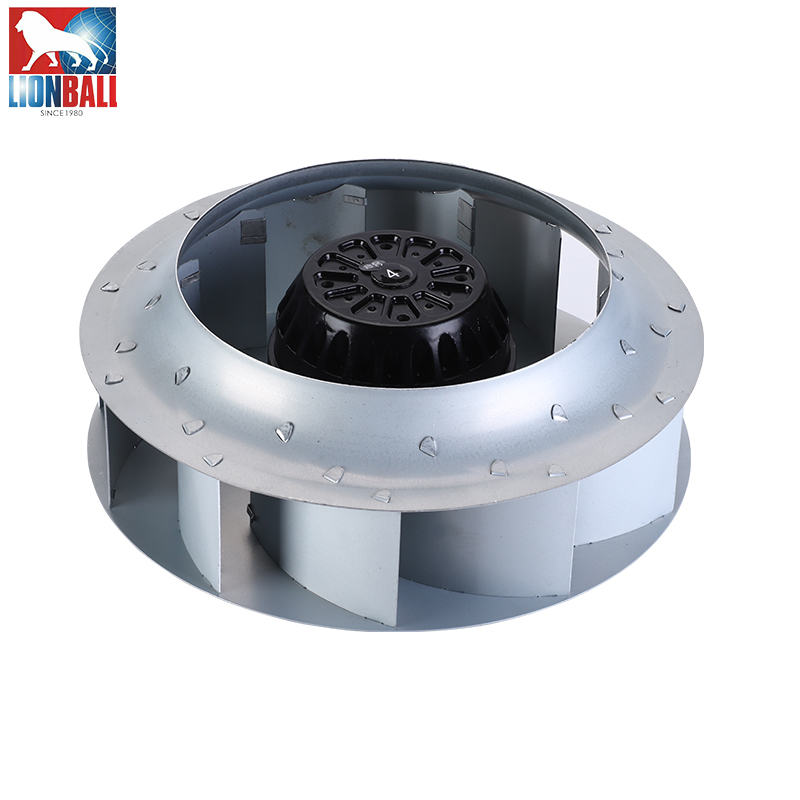
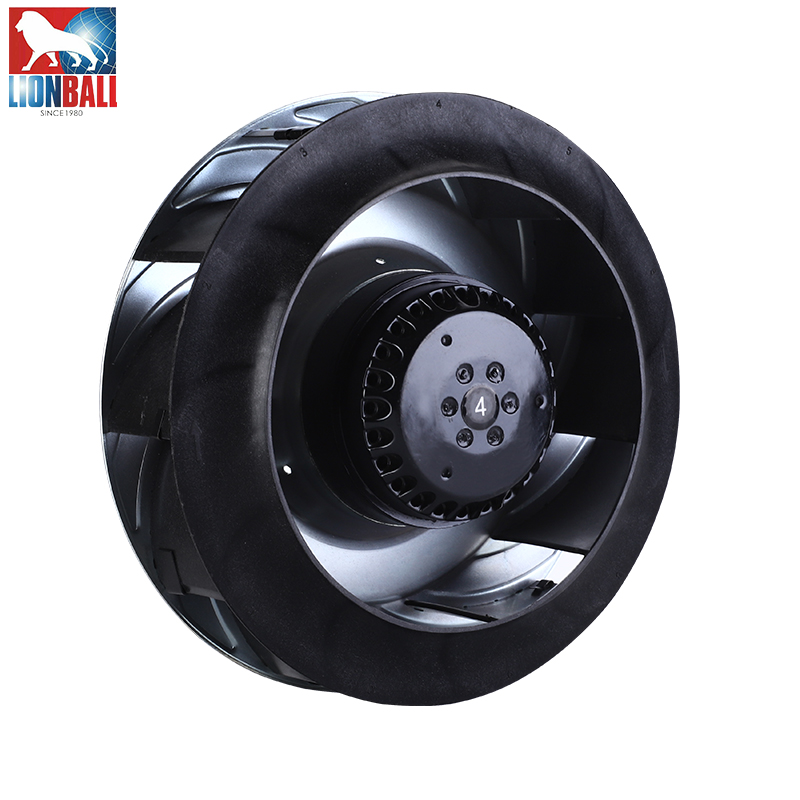
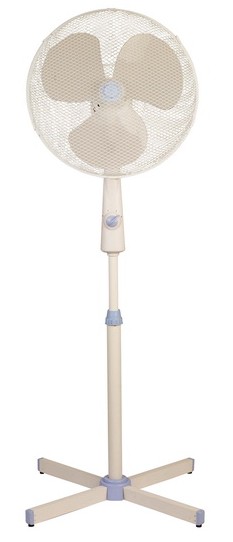
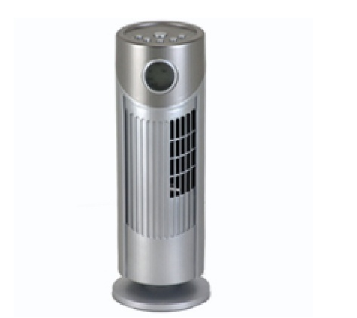
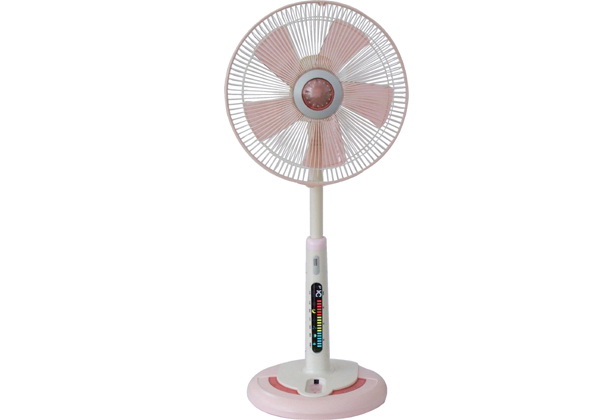
Source a wide range of specialized and other fans from vetted suppliers and manufacturers. Designed for importers, wholesalers, and brands seeking OEM or private-label production, this selection covers niche cooling solutions ready for bulk orders.
Sourcing non-standard or specialized fans requires navigating a fragmented manufacturing landscape. Because these units often depart from traditional pedestal or ceiling designs—incorporating unique form factors, specialized mounting, or integrated battery systems—the technical demands on the factory are significantly higher. Success depends on identifying manufacturers with precise plastic injection capabilities, reliable printed circuit board (PCB) assembly, and strict motor sourcing standards.
Component Specifications That Drive Performance
When evaluating suppliers for specialized fans, the bill of materials (BOM) is your primary indicator of product longevity and market viability. Small deviations in component quality drastically impact noise levels, airflow efficiency, and safety.
Motor Selection
The motor is the highest-cost component and dictates the fan's operational lifespan.
- Brushed DC Motors: Common in low-cost, portable variants. They offer acceptable performance but suffer from carbon brush wear, typically failing after 1,000 to 2,000 hours of continuous use.
- Brushless DC (BLDC) Motors: Essential for premium or intensive-use applications. They provide higher energy efficiency, generate less heat, and easily exceed 10,000 hours of operational life while operating at lower decibel levels.
Battery Integration (For Portable/Rechargeable Variants)
Many non-standard fans rely on internal power. Suppliers often cut costs by using unbranded 18650 lithium-ion cells or misrepresenting milliamp-hour (mAh) capacities. Always specify the exact cell brand or require a certified capacity report. Poorly integrated batteries without proper Battery Management Systems (BMS) risk overcharging and thermal runaway.
| Specification | Entry-Level / Standard | Premium / Industrial |
|---|---|---|
| Motor Type | Brushed DC / Standard AC | BLDC (Brushless DC) |
| Housing Material | Recycled ABS | Virgin ABS or Polycarbonate (PC) |
| Battery (If applicable) | Unbranded 18650 (under 2000mAh) | Branded Lithium-ion with BMS |
| Noise Level | Over 55 dB | Under 40 dB |
Developing a custom fan or struggling to find a factory capable of meeting strict motor and battery specifications? We can help you identify the right manufacturing partner.
Talk to our teamManufacturing Vulnerabilities and Quality Control
The production of specialized fans involves multiple assembly stages where defects commonly occur. Relying solely on a final functional test is insufficient; you must verify that the factory maintains strict controls during assembly. If you are developing a unique product, leveraging professional OEM/ODM Services ensures that tooling and assembly lines are properly calibrated for your specific design.
Common Floor Defects
- Unbalanced Impellers: Minor warping in the plastic fan blades during injection molding leads to severe vibration and premature motor failure.
- Poor Soldering on PCBs: Cold solder joints on control boards can cause intermittent power failures, especially in units with multiple speed settings or digital displays.
- Inadequate Heat Dissipation: In enclosed or tightly packed niche designs, insufficient ventilation around the motor or battery can lead to overheating.
To mitigate these risks, comprehensive Quality Control & Inspection should include in-line checks before the housing is sealed.
Critical Pre-Shipment Inspection Points
- Anemometer testing to verify advertised airflow (CFM/CMM).
- Decibel meter testing at a 1-meter distance across all speed settings.
- Hipot (Dielectric Withstand) testing for all AC-powered units.
- Battery discharge cycle testing for rechargeable models.
- Vibration analysis on a flat surface to check blade balance.
Compliance and Market Access
Navigating regulatory requirements is critical. Fans must meet strict electrical safety and electromagnetic compatibility standards. For the European market, CE marking requires compliance with the Low Voltage Directive (LVD) and Electromagnetic Compatibility (EMC) Directive. If the fan includes a battery, RoHS and specific battery transport certifications (UN38.3, MSDS) are mandatory. For North America, UL 507 (Standard for Electric Fans) is the benchmark. Utilizing expert Compliance & Testing services prevents costly customs delays and product recalls.
Pricing Drivers, MOQs, and Lead Times
Cost is heavily influenced by motor type, battery capacity, and the complexity of the plastic tooling. Custom colors or minor cosmetic changes generally require low minimums, while entirely new molds demand significant upfront investment and higher production volumes.
Need to negotiate better terms or audit a new supplier's production capacity? Let our experts manage your sourcing process.
Get a free consultationFrequently Asked Questions
Successfully sourcing specialized fans requires looking past surface-level aesthetics to scrutinize the internal engineering and the factory's assembly discipline. Prioritizing motor quality and rigorous in-line inspections will protect your margins and your brand's reputation.
Get Sourcing Help for Other Fans
Tell us your requirements and our experts will connect you with verified manufacturers.