Other Conveyors
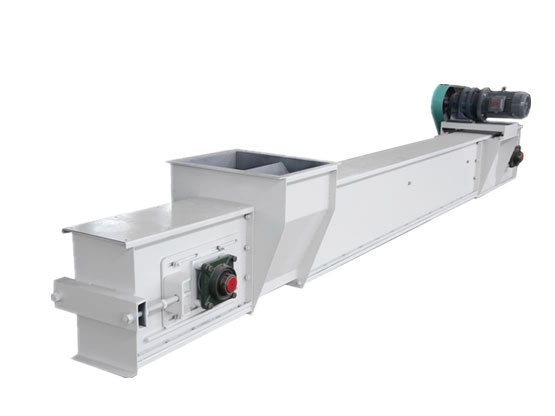
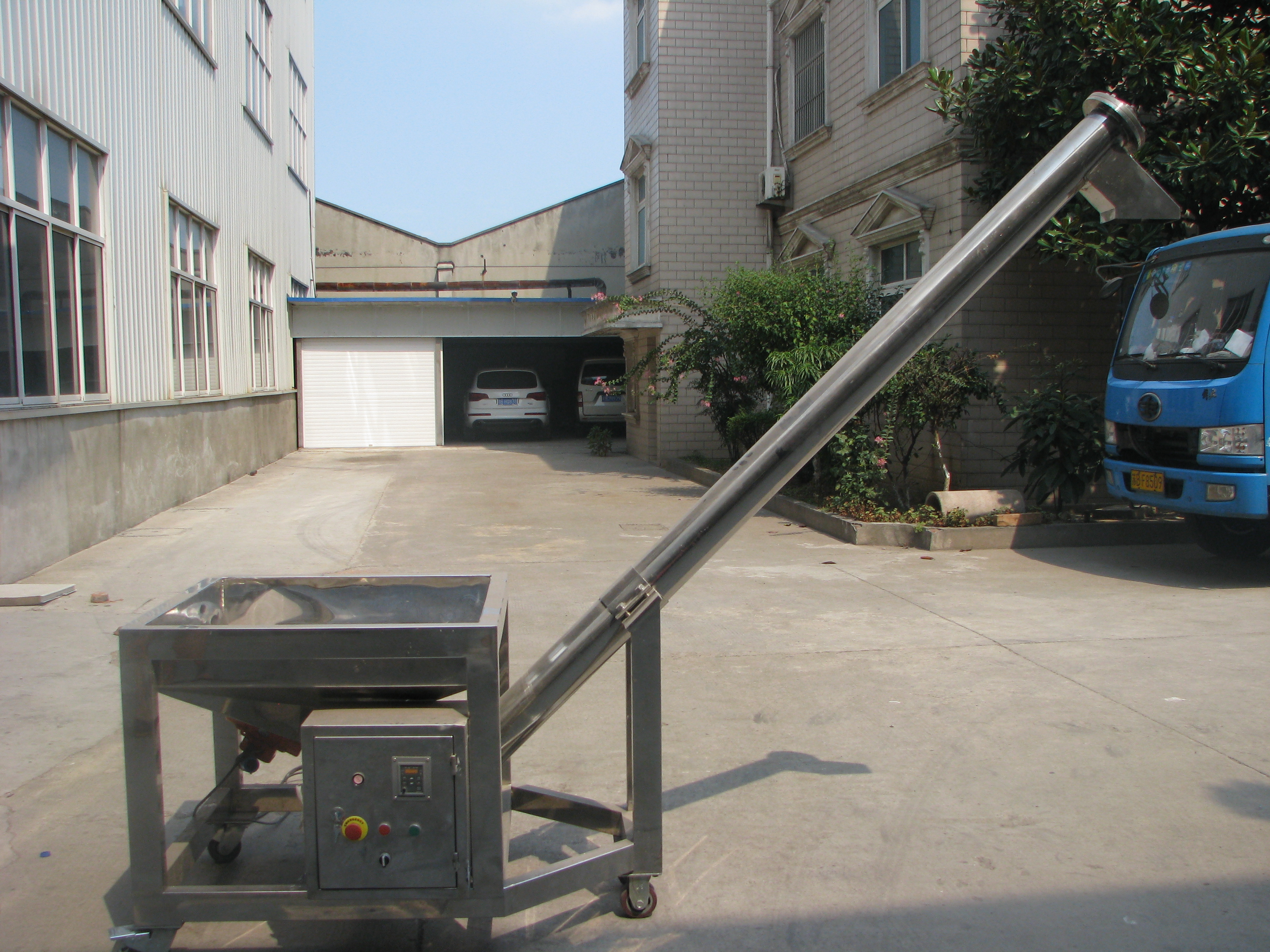
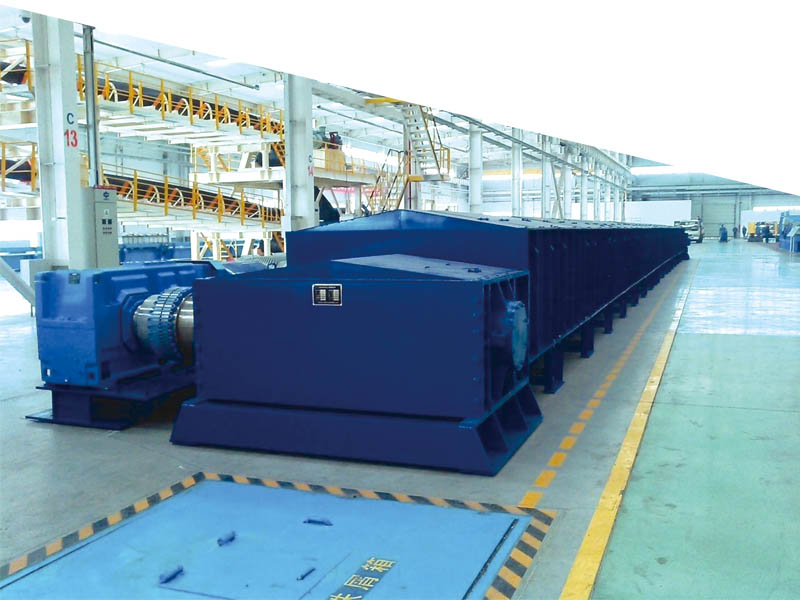
Source specialized and custom other conveyors from vetted manufacturers and suppliers in Asia. Designed for industrial importers, distributors, and procurement managers buying in bulk, our network delivers reliable, high-capacity material handling systems engineered for unique operational requirements and OEM production.
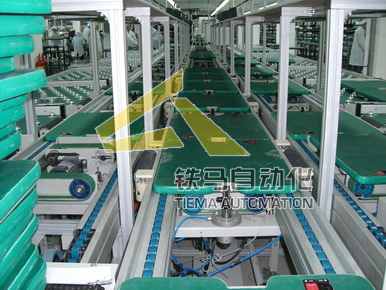
When standard belt or roller systems cannot meet specific material handling requirements—whether due to extreme temperatures, unusual form factors, or specialized sorting needs—custom and niche conveyors fill the gap. Sourcing these specialized systems requires moving beyond basic catalog orders. Because these units are often built to order, success depends entirely on matching your engineering specifications with a factory capable of precision fabrication and reliable component sourcing.
Defining Specifications for Custom Conveyors
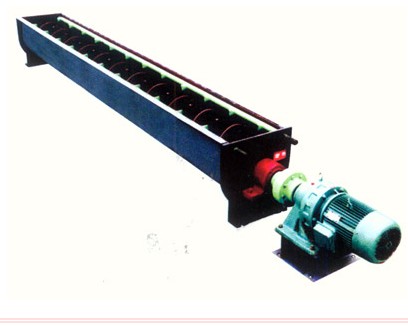
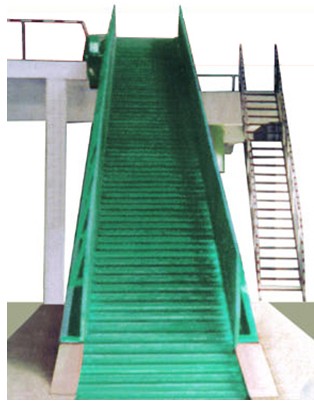
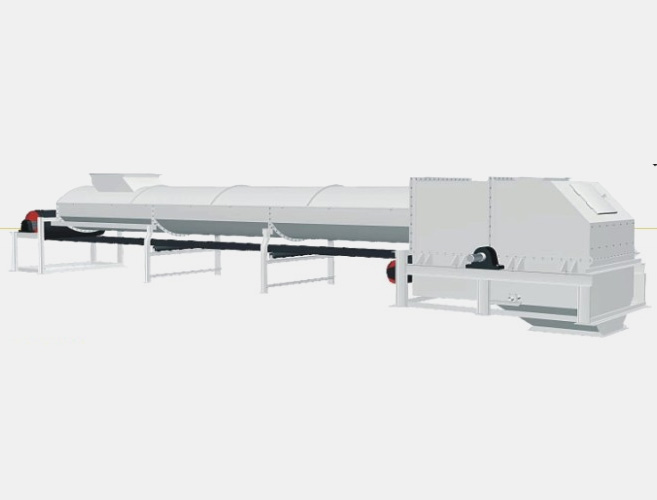
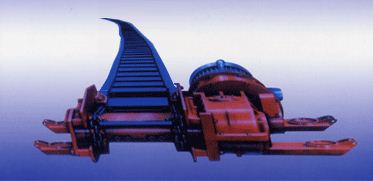
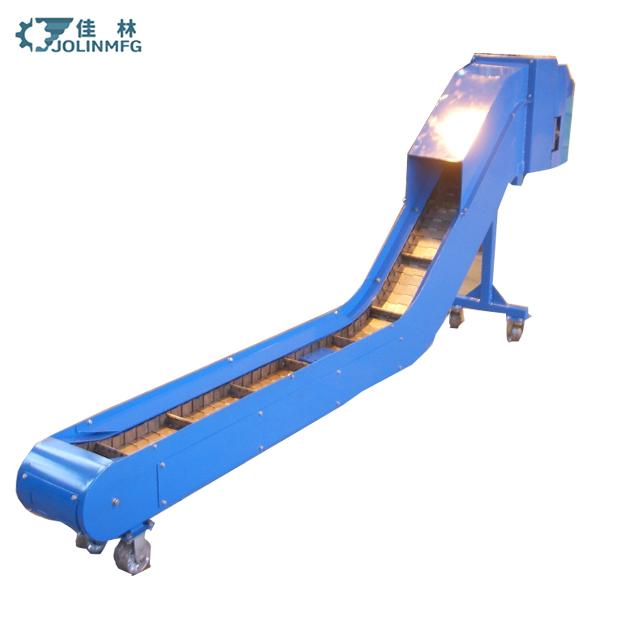
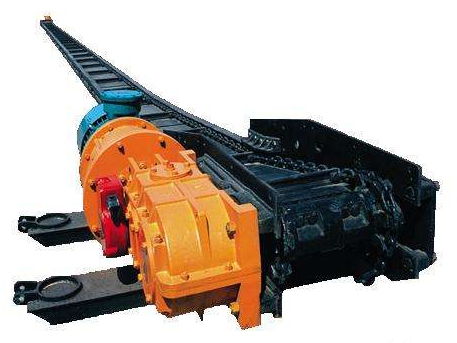
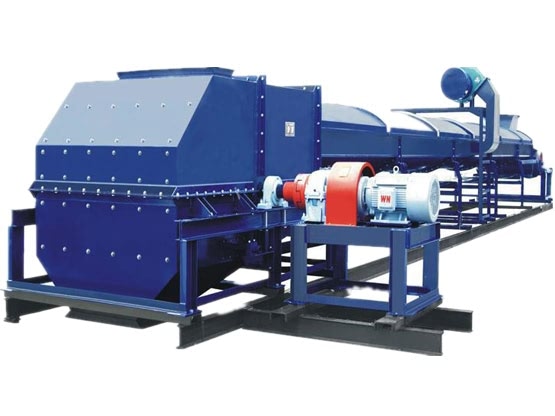
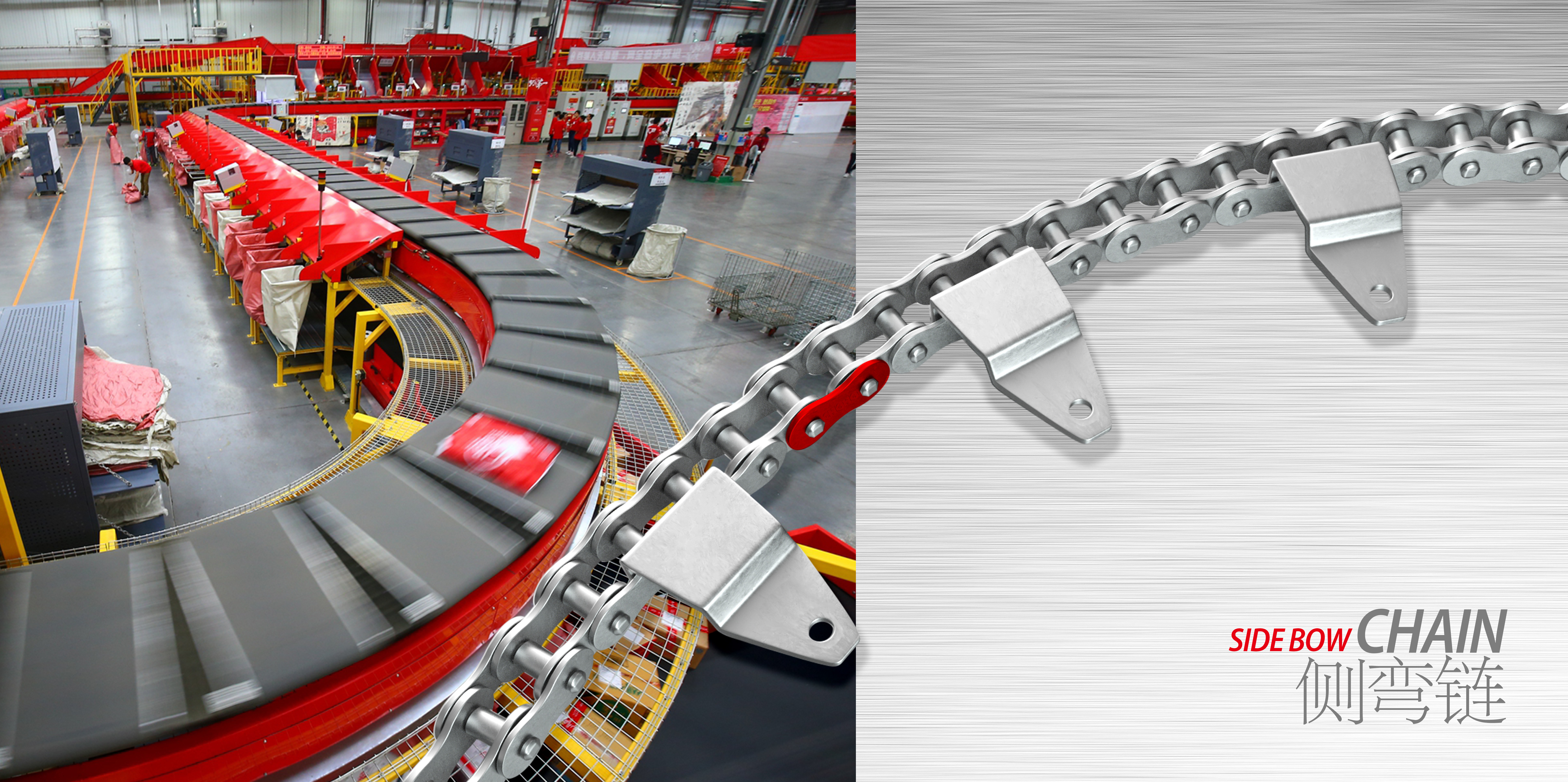
Unlike standard off-the-shelf equipment, niche conveyors (such as vibratory, magnetic, or specialized drag-chain systems) require rigorous technical alignment before a purchase order is ever drafted. Failing to lock down these variables early often results in underpowered systems or premature mechanical failure.
- Dynamic Load Capacity: Specify the maximum weight per linear meter, factoring in impact loads if material is dropped onto the system.
- Operating Environment: Standard mild steel frames degrade rapidly in corrosive or washdown environments. If the system operates in food processing or chemical handling, specify 304 or 316L stainless steel and require appropriate IP ratings (e.g., IP67 or IP69K) for all electrical components.
- Drive and Power Requirements: Ensure the factory understands your destination market's electrical grid. A motor wound for 50Hz will overheat or underperform on a 60Hz grid. Specify exact voltage, phase, and frequency requirements.
- Throughput Speed: Define the required meters per minute (m/min) and whether the system requires variable frequency drives (VFDs) for adjustable speed control.
Navigating custom conveyor fabrication requires strict oversight. Let us handle the factory vetting and engineering alignment so you can focus on your operations.
Talk to our teamManufacturing Quality and Factory Vetting
The primary risk when sourcing specialized material handling equipment is the factory's engineering depth. Many suppliers are simply assemblers of standard parts and lack the in-house engineering team required to calculate torque, structural fatigue, or vibration isolation for non-standard builds.
Conducting thorough Factory Audits is critical to verify that the supplier has actual fabrication capabilities, CNC machinery, and certified welders on staff.
Critical Quality Control Checkpoints
When evaluating a prototype or first-run production unit, your inspection team must look beyond surface aesthetics.
Pre-Shipment Inspection Focus Areas
- Motor and Gearbox Verification: Confirm the nameplate matches the specified brand, power rating, and IP classification.
- Frame Rigidity and Welding: Inspect for continuous, slag-free welds. Spot welding on structural load-bearing frames is a major red flag.
- Material Thickness: Use ultrasonic thickness gauges to verify steel gauge matches the approved CAD drawings.
- Run-out and Tracking: Operate the system continuously for at least 2 hours at full speed to check for excessive vibration, bearing heat, or tracking issues.
- Electrical Safety: Conduct hi-pot and ground continuity testing on all control panels.
If you are developing a proprietary handling system, utilizing professional OEM/ODM Services ensures your intellectual property is protected while the factory executes your exact CAD designs.
| Requirement | Standard Factory Modification | Full Custom OEM Production |
|---|---|---|
| Engineering Burden | Relies on factory's existing templates | Requires detailed CAD and load calculations |
| Component Flexibility | Limited to factory's local supply chain | Can specify exact international component brands (e.g., SEW motors) |
| Lead Time | Shorter (30 to 45 days) | Longer (60 to 90 days including prototyping) |
MOQs, Pricing, and Logistics Realities
Because specialized conveyors are capital equipment, Minimum Order Quantities (MOQs) are highly flexible. Most manufacturers will accept orders for a single unit, provided the engineering costs are covered.
Pricing is driven entirely by the cost of raw materials (steel weight) and the quality of the drive components. Opting for internationally recognized motor brands (like SEW-Eurodrive or Siemens) will significantly increase the unit price but drastically reduce total cost of ownership through reliable uptime.
Shipping these systems requires careful logistical planning. Large conveyors cannot be shipped in standard configurations and often require flat rack containers, partial disassembly, or specialized crating to prevent transit damage. Coordinating with a partner experienced in international Shipping & Freight ensures your equipment clears customs without costly delays at the port.
Need to lock in pricing and lead times for a custom conveyor project? We can match your specs with the right manufacturer.
Get a free consultationFrequently Asked Questions
Successfully sourcing specialized conveyors comes down to bridging the gap between your operational needs and the factory's engineering reality. By strictly defining your specifications, verifying supplier capabilities, and enforcing rigorous pre-shipment inspections, you can secure high-performance material handling equipment without the typical sourcing risks.
Get Sourcing Help for Other Conveyors
Tell us your requirements and our experts will connect you with verified manufacturers.