New Energy Passenger Car
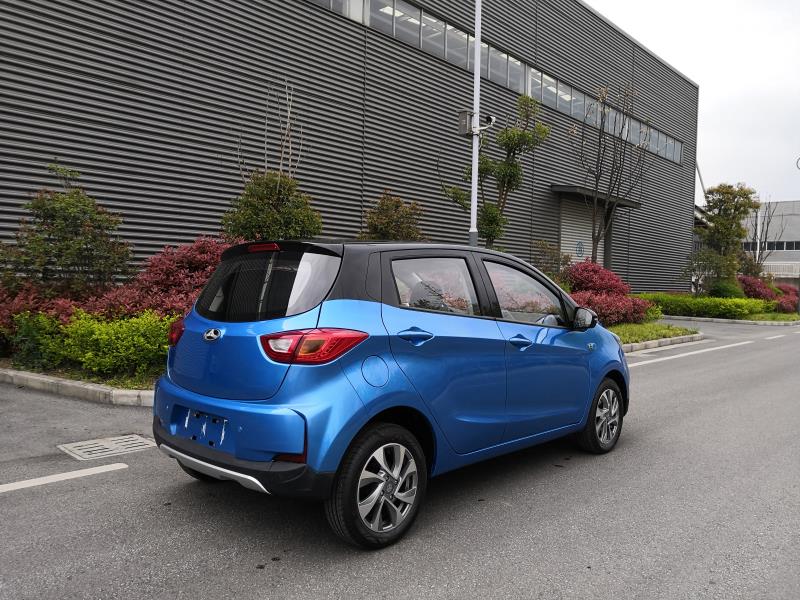
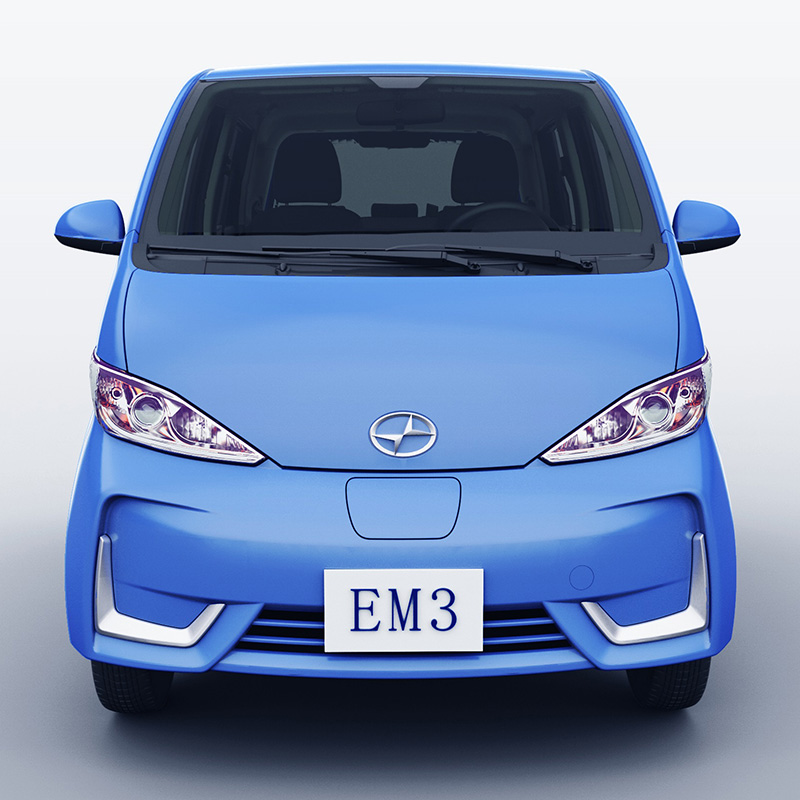
Source high-quality new energy passenger cars directly from vetted Chinese manufacturers and suppliers. Designed for automotive importers, regional distributors, and fleet procurement managers, our wholesale network provides access to reliable EVs and PHEVs built to international standards and ready for global markets.
Sourcing new energy passenger cars (NEVs) at scale requires far more than comparing spec sheets. The transition to electric mobility has opened up direct access to highly capable automotive manufacturers, but importing these vehicles successfully hinges on navigating complex homologation standards, battery safety regulations, and specialized logistics. Whether you are importing completely built-up (CBU) vehicles or setting up a local semi-knocked-down (SKD) assembly operation, securing the right manufacturing partner is critical.
Core Technical Specifications to Define
When negotiating with NEV manufacturers, precise technical specifications dictate both the vehicle's market viability and its cost. Do not rely solely on the factory's standard marketing materials; you must define the exact configuration for your target market.
- Battery Chemistry and Capacity: The choice between Lithium Iron Phosphate (LFP) and Nickel Manganese Cobalt (NMC) impacts cost, safety, and energy density. Capacity must be specified in kWh.
- Drivetrain and Motor Power: Specify single-motor (FWD/RWD) or dual-motor (AWD) configurations, with continuous and peak power ratings in kW.
- Thermal Management Systems: For regions with extreme climates, active liquid cooling and heating systems for the battery pack are non-negotiable to prevent degradation and maintain charging speeds.
- Charging Standards: The vehicle must be equipped with the correct charging ports for your region (e.g., CCS2 for Europe/Middle East, GB/T for domestic Chinese standards, or CHAdeMO).
| Battery Chemistry | LFP (Lithium Iron Phosphate) | NMC (Nickel Manganese Cobalt) |
|---|---|---|
| Energy Density | Lower (heavier for the same range) | Higher (longer range, lighter) |
| Thermal Stability | Excellent (highly resistant to thermal runaway) | Moderate (requires robust cooling) |
| Cost per kWh | Lower | Higher |
| Cycle Life | 3,000 to 5,000+ cycles | 1,000 to 2,000 cycles |
Need help verifying technical specifications and battery certifications with potential manufacturing partners? We can guide your technical procurement.
Talk to our teamNavigating Homologation and Compliance
The most significant barrier to importing passenger cars is regulatory compliance. A vehicle that is street-legal in one country may be entirely prohibited in another without costly modifications.
Before committing to a supplier, you must verify their existing certifications and willingness to modify vehicles for local homologation. This often involves ensuring the glass, lighting, seatbelts, and crash structures meet standards like the UN ECE regulations (for Europe and many other regions) or local equivalents.
Range Standard Discrepancies
Be aware of the testing cycle used to quote vehicle range. Many Asian manufacturers quote range based on the CLTC (China Light-Duty Vehicle Test Cycle) or the outdated NEDC. These cycles are notoriously optimistic. For accurate planning, require WLTP (Worldwide Harmonized Light Vehicles Test Procedure) figures, which typically show a range 15 to 25 percent lower than CLTC.
Managing the compliance and testing process is a mandatory step before mass production or shipment begins.
Factory Vetting and Sourcing Strategy
The automotive supply chain is complex. While you may be dealing with an established brand, many export channels are managed by authorized trading companies rather than the factory directly. If you are ordering custom configurations, specialized fleet vehicles, or SKD/CKD kits, you must ensure you are dealing directly with a capable manufacturer.
Critical Factory Audit Points for NEVs
- Verify ISO 9001 and IATF 16949 automotive quality management certifications.
- Assess battery pack assembly and testing facilities (if done in-house).
- Confirm end-of-line testing procedures, including water ingress and dyno testing.
- Evaluate the supplier's capacity to provide long-term spare parts support (minimum 10 years).
Conducting comprehensive factory audits is essential to verify production capacity, quality control systems, and financial stability before signing a procurement contract.
Logistics: CBU vs. SKD/CKD
Shipping fully assembled cars (CBU) is straightforward but expensive, and often incurs heavy import duties. RoRo (Roll-on/Roll-off) shipping is the standard for CBU, but capacity constraints can cause delays.
Alternatively, many importers work with manufacturers to ship vehicles in SKD (Semi-Knocked Down) or CKD (Completely Knocked Down) forms. The vehicles are partially disassembled, packed efficiently into standard shipping containers, and reassembled in the destination country. This approach dramatically reduces shipping and freight costs and often qualifies the vehicles for significantly lower import tariffs, though it requires local assembly infrastructure.
Struggling with RoRo capacity or evaluating an SKD strategy? Connect with our logistics team to map out the most cost-effective supply chain for your automotive imports.
Get a free consultationTypical MOQs and Lead Times
Automotive procurement operates on different scales depending on the nature of the transaction (stock inventory vs. custom production).
Frequently Asked Questions
Successfully importing new energy passenger cars requires rigorous attention to technical specs, regulatory compliance, and complex shipping logistics. By structuring your procurement correctly from the start, you can mitigate risks and build a highly profitable automotive import channel.
Get Sourcing Help for New Energy Passenger Car
Tell us your requirements and our experts will connect you with verified manufacturers.