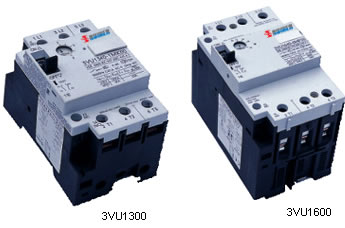
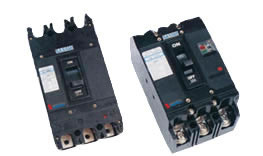
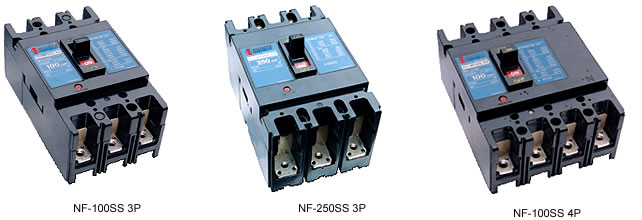
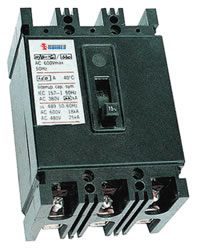
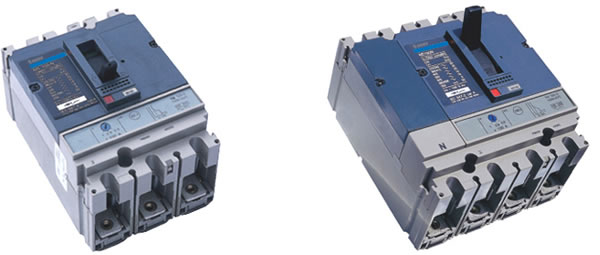
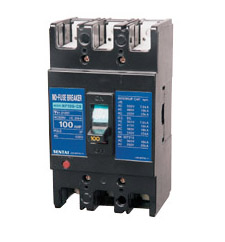
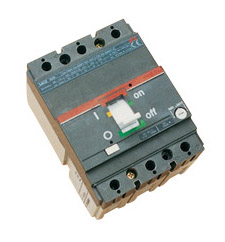
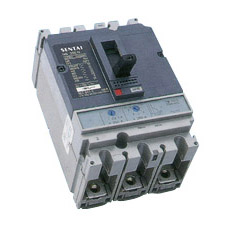
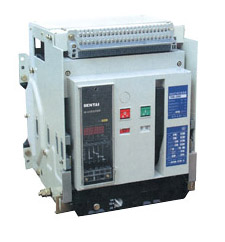
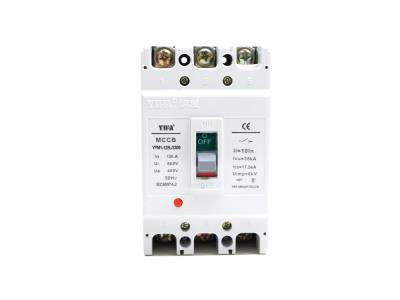
Molded Case Circuit Breakers
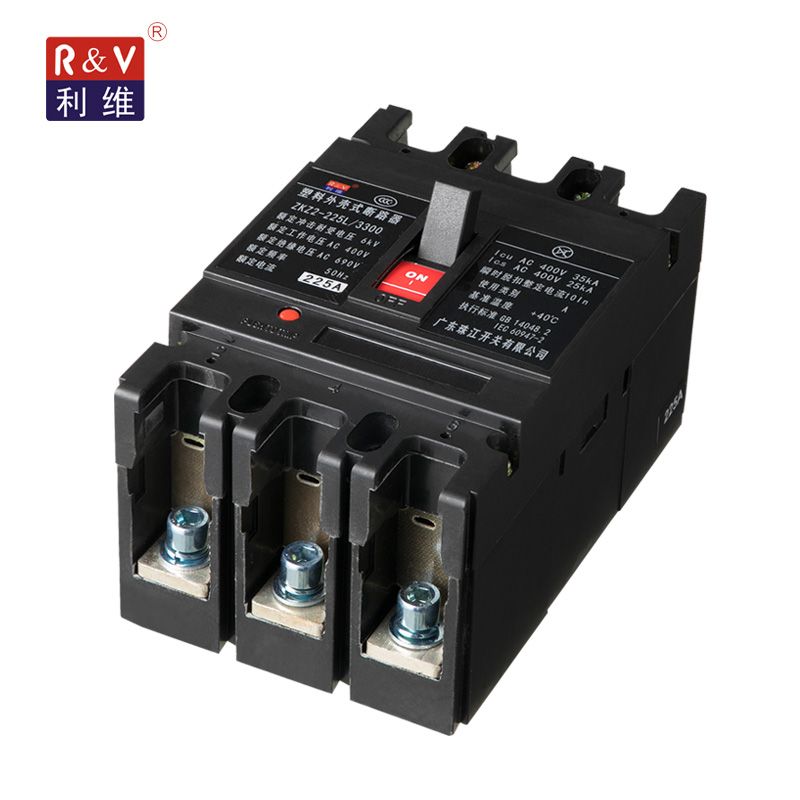
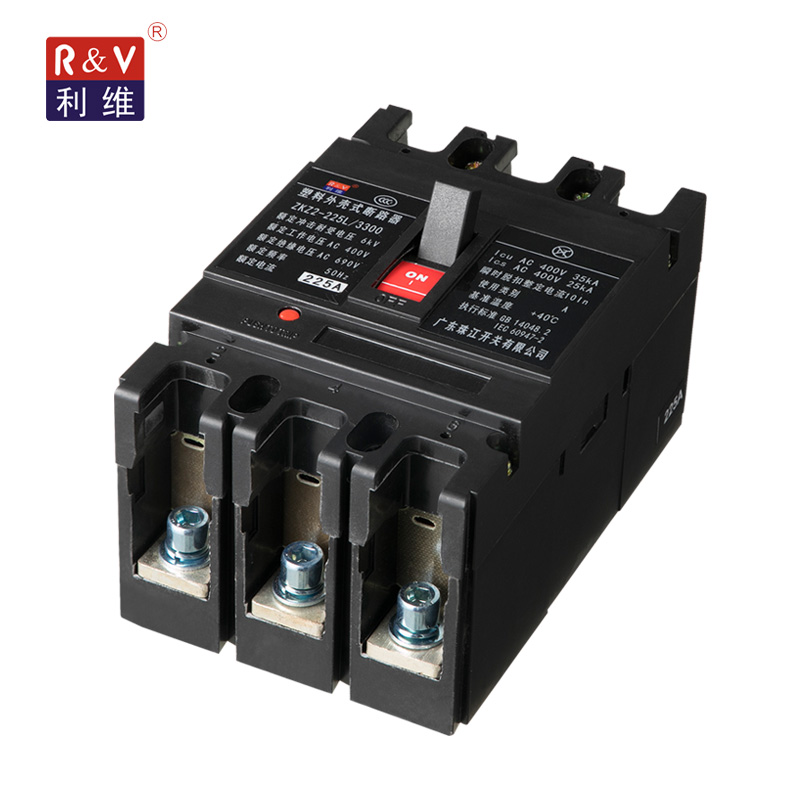
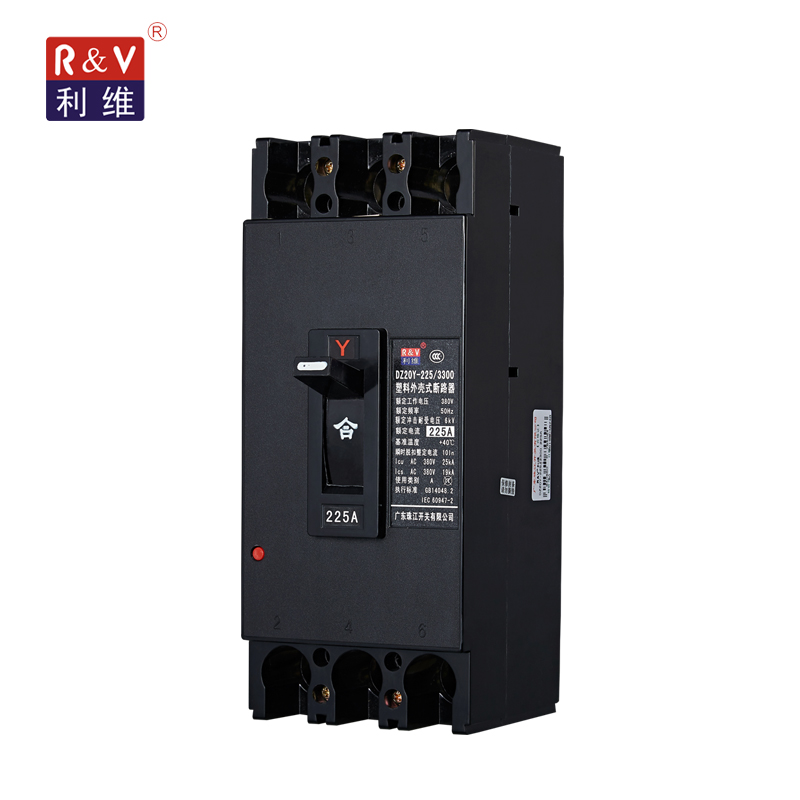
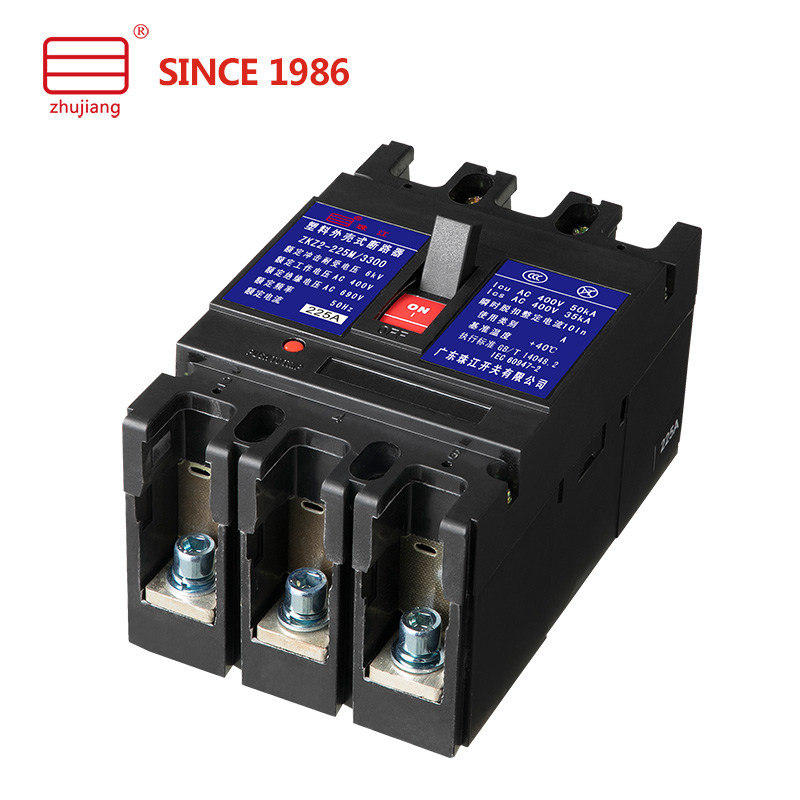
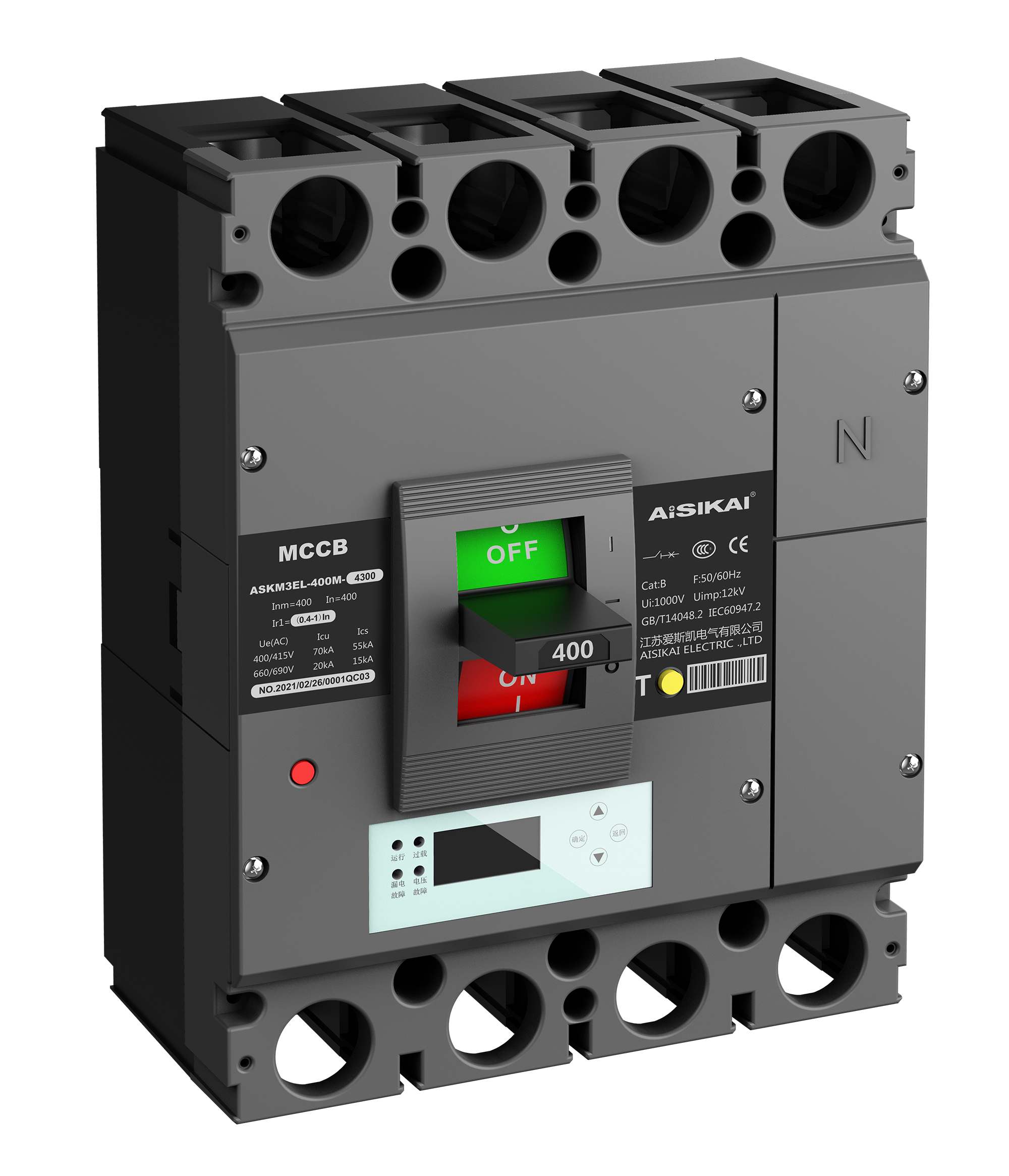
Source high-performance Molded Case Circuit Breakers (MCCBs) directly from vetted manufacturers and wholesale suppliers. Designed for electrical distributors, procurement managers, and brands seeking reliable OEM/ODM production, our catalog features industrial-grade breakers engineered for strict global compliance.
Sourcing molded case circuit breakers (MCCBs) for industrial, commercial, and utility distribution requires balancing cost-efficiency with uncompromising life-safety standards. A failure in arc quenching or trip calibration does not just damage downstream equipment; it risks catastrophic electrical fires. For volume buyers, securing a reliable supply chain requires rigorous supplier vetting and deep technical alignment on electrical specifications.
Critical MCCB Specifications to Define
When negotiating with manufacturers, vague specifications lead to component substitution. You must define the precise operational parameters for your target market.
Essential Buyer Specifications
- Frame Size (Inm) vs. Rated Current (In): Ensure the physical housing matches the maximum current capacity, while the trip unit is calibrated for the specific application.
- Breaking Capacity (Icu and Ics): Icu is the ultimate short-circuit breaking capacity (the breaker can clear the fault but may not be usable afterward). Ics is the service capacity (the breaker can clear the fault and resume normal operation). High-quality MCCBs have an Ics equal to 75% to 100% of Icu.
- Rated Operational Voltage (Ue) and Insulation Voltage (Ui): Must align with the regional grid (e.g., 400V/415V for IEC markets, 480V/600V for UL markets).
- Poles: 2P, 3P, or 4P configurations, depending on neutral-switching requirements.
Trip Unit Selection
The trip unit is the brain of the MCCB. Your choice here dictates the product's price point and application suitability.
| Specification | Thermal-Magnetic Trip | Electronic Trip |
|---|---|---|
| Mechanism | Bimetallic strip & electromagnet | Microprocessor & current transformers |
| Adjustability | Limited (often fixed or slight thermal adjustment) | Highly adjustable (LSI/LSIG parameters) |
| Cost & Application | Lower cost, standard commercial/industrial | Premium cost, complex coordination networks |
| Sensitivity | Standard response | High precision, immune to ambient temperature |
Need help matching MCCB specifications to your target market's regulatory requirements? Let our engineers review your technical requirements.
Talk to our teamManufacturing Quality and Point-of-Failure Analysis
The visual appearance of an MCCB tells you very little about its capability to safely interrupt a 50kA fault current. When conducting factory audits, focus on the internal components and the manufacturer's raw material supply chain.
- Contact Materials: The stationary and moving contacts must withstand extreme heat and mechanical wear. Look for high-grade silver alloys (like Silver-Tungsten or Silver-Graphite). Cheap substitutes with low silver content will weld shut during a short circuit.
- Arc Chute (De-ion Plates): The arc chute divides and cools the electrical arc drawn during a trip. High-quality breakers use closely spaced, nickel-plated steel plates. Missing plates or poor alignment severely degrades the Icu rating.
- Casing Material: The housing must be molded from a thermosetting plastic (like Bulk Molding Compound - BMC or Sheet Molding Compound - SMC). These materials do not melt under high heat; they char, maintaining structural integrity. Inferior factories may mix in thermoplastic scrap, which compromises flame retardancy.
To ensure these standards are met, implementing strict quality control protocols—including routine factory testing for dielectric strength and tripping time calibration—is non-negotiable before shipment.
Pricing, MOQ, and Lead Time Mechanics
MCCB pricing is highly sensitive to commodity markets, specifically copper (for busbars and coils) and silver (for contacts).
If you are pursuing OEM/ODM services to launch a private-label line, expect higher initial MOQs (often 500+ pieces per SKU) to cover the costs of custom pad-printing, custom packaging, and specific calibration requests. Tooling costs for custom casing designs will also require upfront investment, though many buyers opt to white-label existing, certified molds to accelerate time-to-market.
Ready to negotiate pricing and MOQs with vetted low-voltage equipment manufacturers? We can streamline the procurement process.
Get a free consultationBuyer FAQ
Sourcing industrial circuit breakers is an exercise in risk management as much as it is in procurement. By demanding transparent material specifications, verifying third-party test reports, and inspecting the production of critical components like arc chutes and silver contacts, you can secure a highly profitable and exceptionally safe product line.
Get Sourcing Help for Molded Case Circuit Breakers
Tell us your requirements and our experts will connect you with verified manufacturers.