Mining Feeders
Source industrial-grade Mining Feeders directly from vetted manufacturers and suppliers. Designed for heavy-duty material handling, this catalog serves procurement managers, distributors, and mining equipment importers seeking reliable bulk purchasing and OEM production. Explore high-capacity feeding solutions built for continuous operation.
Mining feeders are the critical choke point in any crushing or screening circuit. Because they endure constant impact from run-of-mine materials and operate under continuous, intense vibration, sourcing these units requires strict attention to metallurgical integrity, weld quality, and drive component reliability. Purchasing mining machinery overseas demands a rigorous approach to technical specifications and supplier verification to ensure the equipment withstands harsh quarry and mining environments.
Defining Core Specifications for Your Order
When negotiating with manufacturers, vague specifications lead to undersized equipment and premature failure. You must define the operational parameters clearly so the factory can correctly size the vibration exciters, motors, and structural steel.
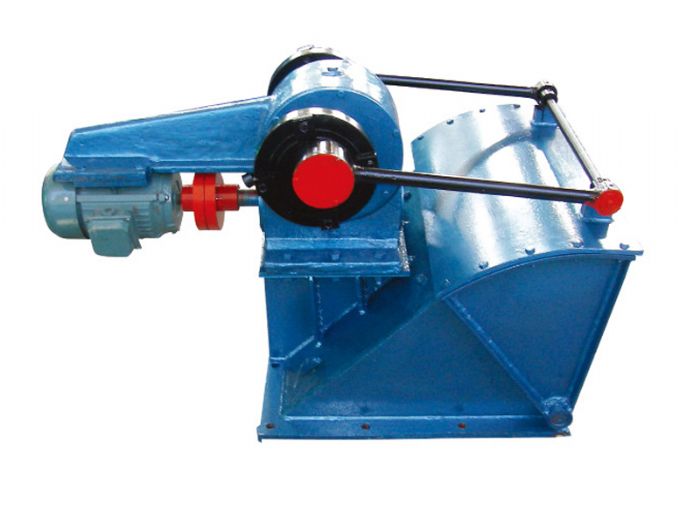
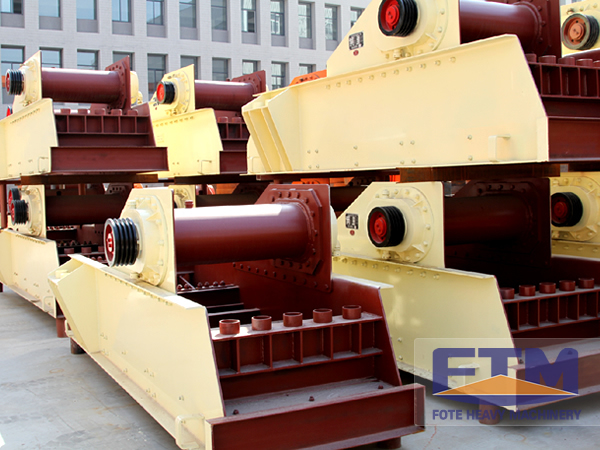
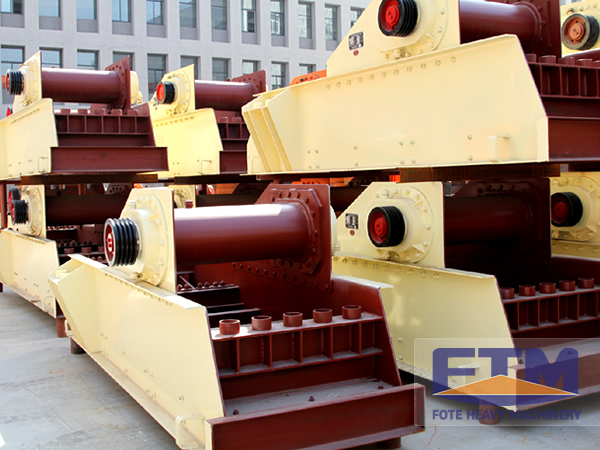
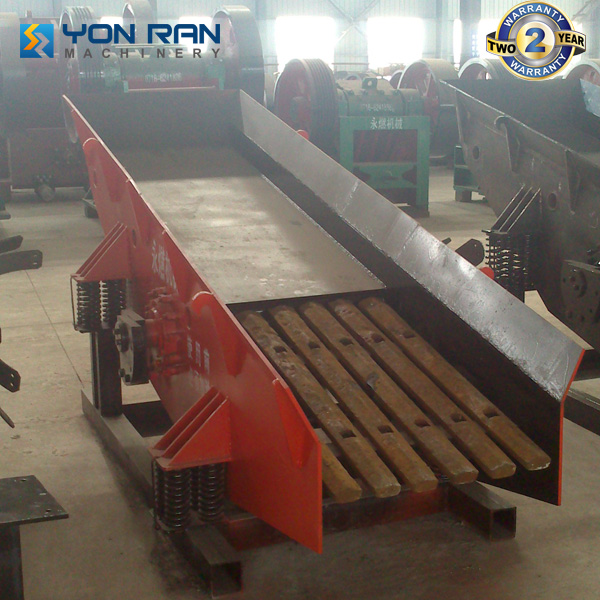
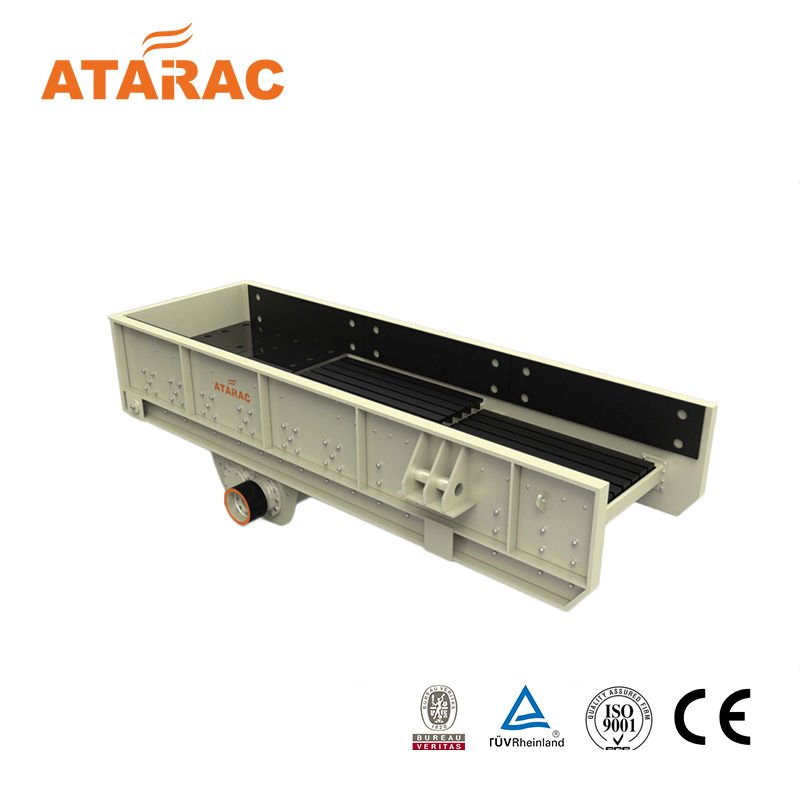
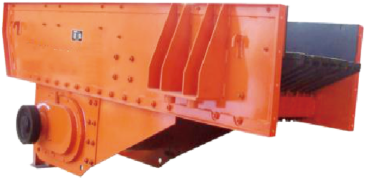
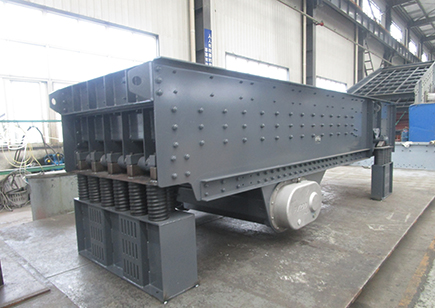
Beyond capacity, buyers must specify the exact working environment. Will the feeder handle wet, sticky clay or highly abrasive granite? This dictates whether you need a standard vibrating pan feeder, a heavy-duty grizzly feeder for scalping, or an apron feeder for massive, jagged ores.
| Specification | Standard Duty Feeder | Heavy Duty (Run-of-Mine) |
|---|---|---|
| Trough Plate Thickness | 10mm - 16mm | 20mm - 30mm+ |
| Wear Liners | Optional / Q345 Steel | Standard AR400 or Manganese Steel |
| Drive System | Vibrating Motors | Dual Eccentric Shafts with External Motor |
| Impact Resistance | Moderate | Extreme (Direct dump from haul trucks) |
Need help verifying technical specifications and matching them to capable heavy machinery manufacturers?
Talk to our teamManufacturing Quality: Where Lifespan is Determined
China's heavy machinery hubs, particularly in Henan and Shandong provinces, offer a vast spectrum of manufacturing quality. The difference between a feeder that lasts ten years and one that cracks in three months comes down to factory-level execution.
Structural failure is the most common issue with imported vibrating equipment. The trough and crossbeams must be stress-relieved after welding, typically through vibration stress relief or thermal annealing. If a factory skips this step to save time, the continuous vibration of the feeder will inevitably cause weld fatigue and catastrophic cracking.
Conducting rigorous on-site factory audits is essential to verify that the supplier actually possesses the necessary CNC plasma cutters, submerged arc welding machines, and heat treatment facilities, rather than outsourcing the core fabrication to smaller, unverified workshops.
Critical Factory Inspection Points
- Weld Integrity: Require Non-Destructive Testing (NDT), such as ultrasonic or magnetic particle inspection, on all main structural welds.
- Stress Relief: Verify the factory's process for eliminating residual welding stress before assembly.
- Drive Components: Specify tier-one international brands (e.g., SKF, FAG, or Timken) for bearings, as domestic alternatives may fail rapidly under high-load vibration.
- Motor Specifications: Ensure motors match the exact voltage and frequency (e.g., 460V/60Hz for North America) of the destination market.
Implementing a strict quality control and inspection protocol before the equipment is painted and crated is the only reliable way to catch structural defects, improper bearing seating, or incorrect grizzly bar spacing.
MOQs, Production Lead Times, and Shipping Realities
Unlike consumer goods, mining feeders are capital equipment. The Minimum Order Quantity (MOQ) is almost always 1 unit. However, volume discounts become significant when outfitting an entire crushing plant or when distributors order standard sizes in batches of 3 to 5 units to stock local inventory.
Typical production lead times range from 25 to 45 days for standard vibrating feeders, and up to 60 to 90 days for custom-engineered heavy-duty apron feeders.
Logistics represent a major portion of the landed cost. Mining feeders are bulky, heavy, and often irregularly shaped. While smaller units can fit into standard 40HQ containers, high-capacity primary feeders frequently require Open Top (OT) containers, Flat Racks, or even Break Bulk shipping. Coordinating this requires specialized shipping and freight management to avoid exorbitant port fees and ensure safe loading and lashing at the factory.
Looking to optimize your mining equipment supply chain and secure reliable freight forwarding for heavy machinery?
Get a free consultationFrequently Asked Questions
Sourcing mining feeders effectively is about risk mitigation. By defining precise metallurgical requirements, insisting on premium drive components, and verifying structural integrity before shipment, buyers can secure highly durable equipment at competitive price points. Focus on supplier capability and rigorous inspection, and the equipment will perform reliably in the field.
Get Sourcing Help for Mining Feeders
Tell us your requirements and our experts will connect you with verified manufacturers.