Marine Propellers
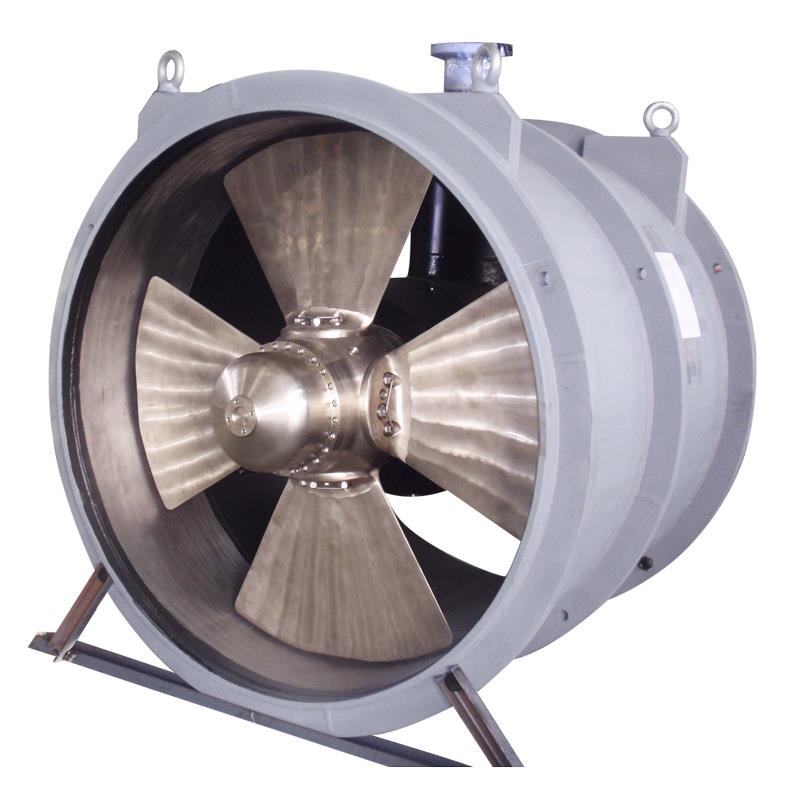
Source high-quality marine propellers from vetted manufacturers and suppliers. Designed for marine distributors, aftermarket wholesalers, and boat brands requiring reliable OEM production, our network delivers precision-cast aluminum and stainless steel propellers in bulk. Partner with us for competitive pricing and strict quality control.
Procuring marine propellers in volume requires navigating a complex intersection of metallurgy, fluid dynamics, and precision machining. A propeller is not a static part; it is a high-RPM dynamic component where even minor casting defects or balancing errors can lead to catastrophic vibration, drivetrain damage, and severe cavitation. For buyers sourcing aftermarket replacements or developing proprietary designs, success depends entirely on a foundry’s casting controls and post-machining validation.
Critical Specifications for Bulk Procurement
When negotiating with manufacturers, vague specifications lead to unacceptable defect rates. You must clearly define the dimensional and performance parameters for every SKU in your order.
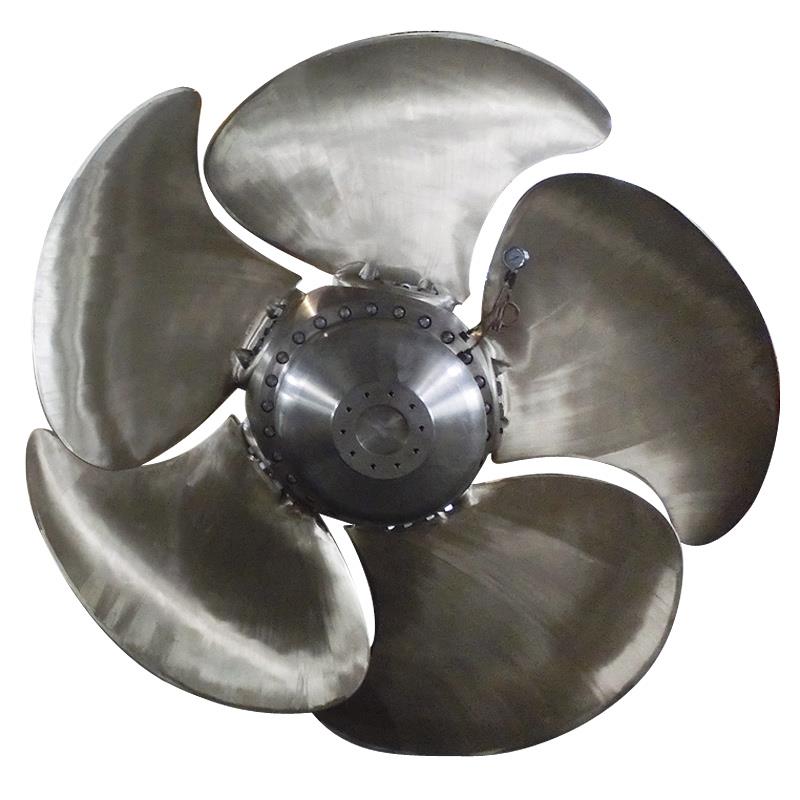
- Diameter & Pitch: The foundational metrics. Ensure the factory has the precise tooling for the exact pitch progression required. A "14 x 19" propeller must maintain that 19-inch theoretical forward travel under load, requiring exact blade geometry.
- Rake Angle: Typically ranging from 0 to 20 degrees. High-rake designs (often used for bow lift) require highly controlled cooling during casting to prevent blade warping.
- Cupping: Cupped trailing edges reduce cavitation and allow for higher trim angles. This is often hand-finished or CNC-milled; verify the factory's finishing consistency.
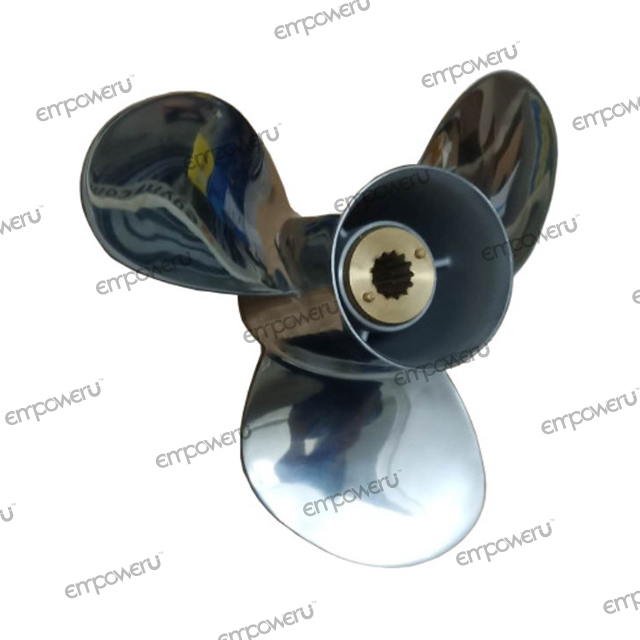
- Hub Architecture: Specify whether you require pressed-in rubber hubs (standard aftermarket) or interchangeable/modular hub systems (e.g., square-bore drop-in hubs). If using pressed rubber, the durometer rating of the rubber and the brass spline quality are critical to prevent "spun hubs" under high torque.
| Material / Factor | Die-Cast Aluminum | Investment Cast Stainless Steel |
|---|---|---|
| Durability & Flex | Sacrificial upon impact; blades flex under high load. | Rigid; resists flexing for better top-end speed and durability. |
| Manufacturing Method | High-pressure die casting. | Lost-wax investment casting. |
| Tooling Cost | Higher initial tooling cost, lower unit cost. | Lower initial tooling cost, much higher unit cost. |
| Target Market | Standard outboards, cost-conscious aftermarket. | High-performance, offshore, and commercial applications. |
Manufacturing Risks and Quality Control
The manufacturing process dictates the lifespan of the propeller. Aluminum propellers are typically high-pressure die-cast, while high-end stainless steel models use the lost-wax investment casting process. The primary sourcing risk is internal porosity—microscopic gas bubbles trapped in the metal during casting. Under high RPMs, these voids cause structural failure.
Because these defects are invisible to the naked eye, comprehensive Quality Control & Inspection is non-negotiable. Relying solely on a factory's self-reported defect rate is a high-risk strategy.
Mandatory Factory QC Checks for Propellers
- X-Ray / Non-Destructive Testing (NDT): Verifies the absence of internal voids and porosity in the casting.
- Dynamic Balancing: Every unit must be spin-tested and balanced. Unbalanced props destroy lower-unit bearings.
- Pitch Block Verification: Manual or digital measurement of blade pitch at multiple radii to ensure consistency.
- Spline Gauging: 'Go/No-Go' gauge testing on the splined core to ensure exact fitment to the propeller shaft.
- Salt Spray Testing: For painted aluminum or polished stainless, verifying corrosion resistance over 500+ hours.
Before committing to a large production run, conducting Factory Audits is essential. You need to verify that the supplier actually owns the dynamic balancing equipment and CNC machinery they claim, rather than outsourcing the finishing work to unverified secondary workshops.
Struggling to find foundries with reliable dynamic balancing and X-ray testing capabilities? Let our engineering and sourcing teams vet the right manufacturing partner for your exact specifications.
Get a free consultationOEM and Custom Propeller Development
If you are developing a proprietary propeller design for a specific hull type or bringing a new brand to market, you will need extensive OEM/ODM Services.
Developing a new propeller requires creating a master mold (tooling). For aluminum die-casting, steel molds are expensive and take 40 to 60 days to machine. For stainless steel investment casting, aluminum molds are created to inject the wax patterns, which is generally faster and less expensive on the tooling side, though the per-unit material and labor costs are significantly higher. Ensure your supplier agreement explicitly states that you own the IP and the physical tooling once paid for.
Typical MOQs, Lead Times, and Pricing
Propeller manufacturing is capital-intensive, and foundries schedule their furnaces and CNC machines weeks in advance.
Pricing fluctuates heavily based on the global commodities market for primary aluminum ingots and stainless steel (typically 15-5 marine grade or 300-series). When negotiating, ensure quotes are tied to a specific raw material index and valid for a set period (usually 30 days).
Need accurate pricing and lead times for a bulk order of marine propellers? We can negotiate terms, manage tooling, and oversee production with top-tier Asian foundries.
Talk to our teamFrequently Asked Questions
Sourcing marine propellers at scale is a high-stakes procurement category where material integrity and precision machining are paramount. Working with unverified foundries often results in unbalanced products that damage engines and ruin brand reputations. By establishing strict QC protocols and partnering with capable manufacturers, you can secure reliable, high-performance parts at competitive wholesale margins. If you need expert oversight on your next production run, our team is ready to manage the process from factory floor to final delivery.
Get Sourcing Help for Marine Propellers
Tell us your requirements and our experts will connect you with verified manufacturers.