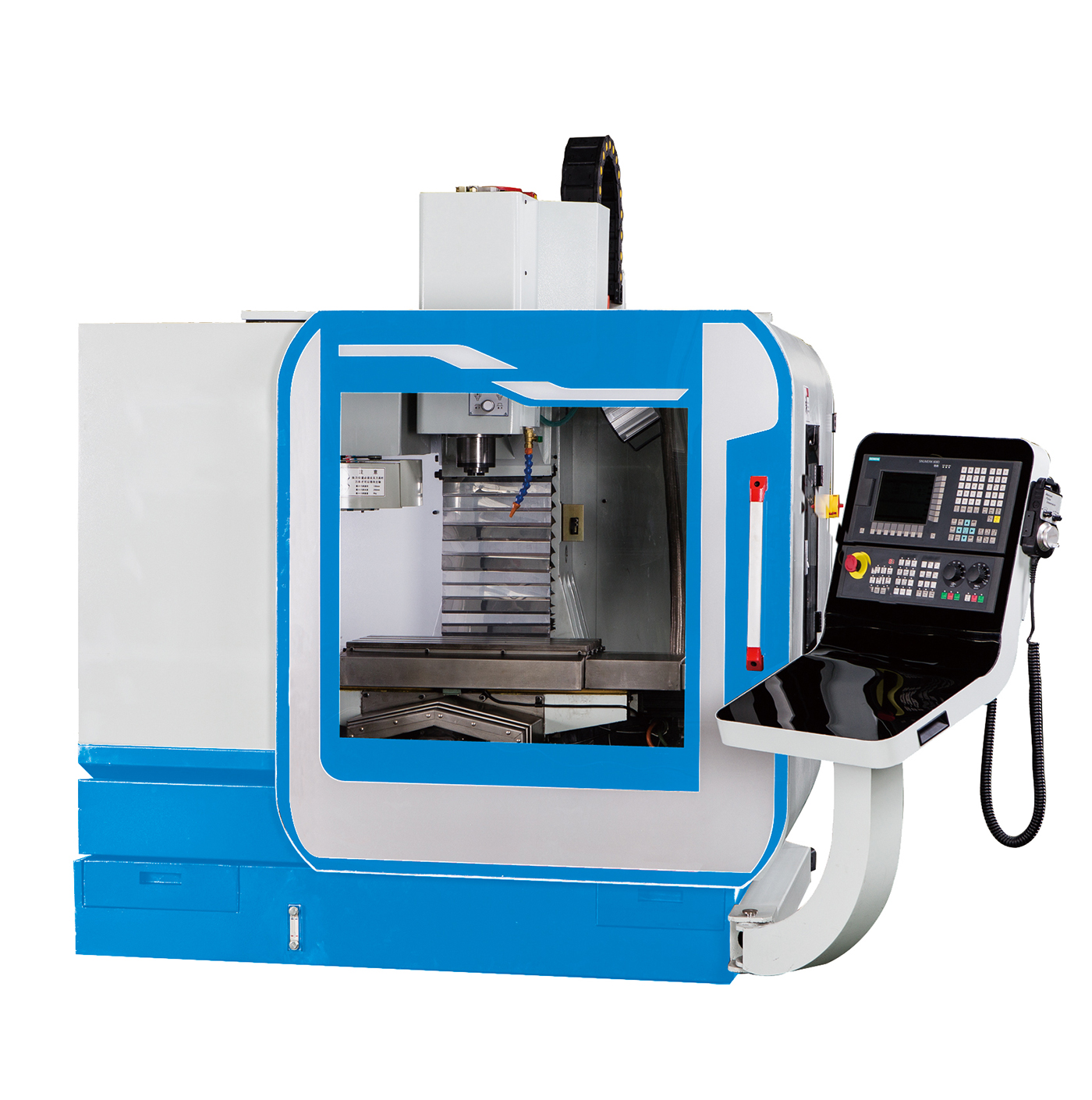
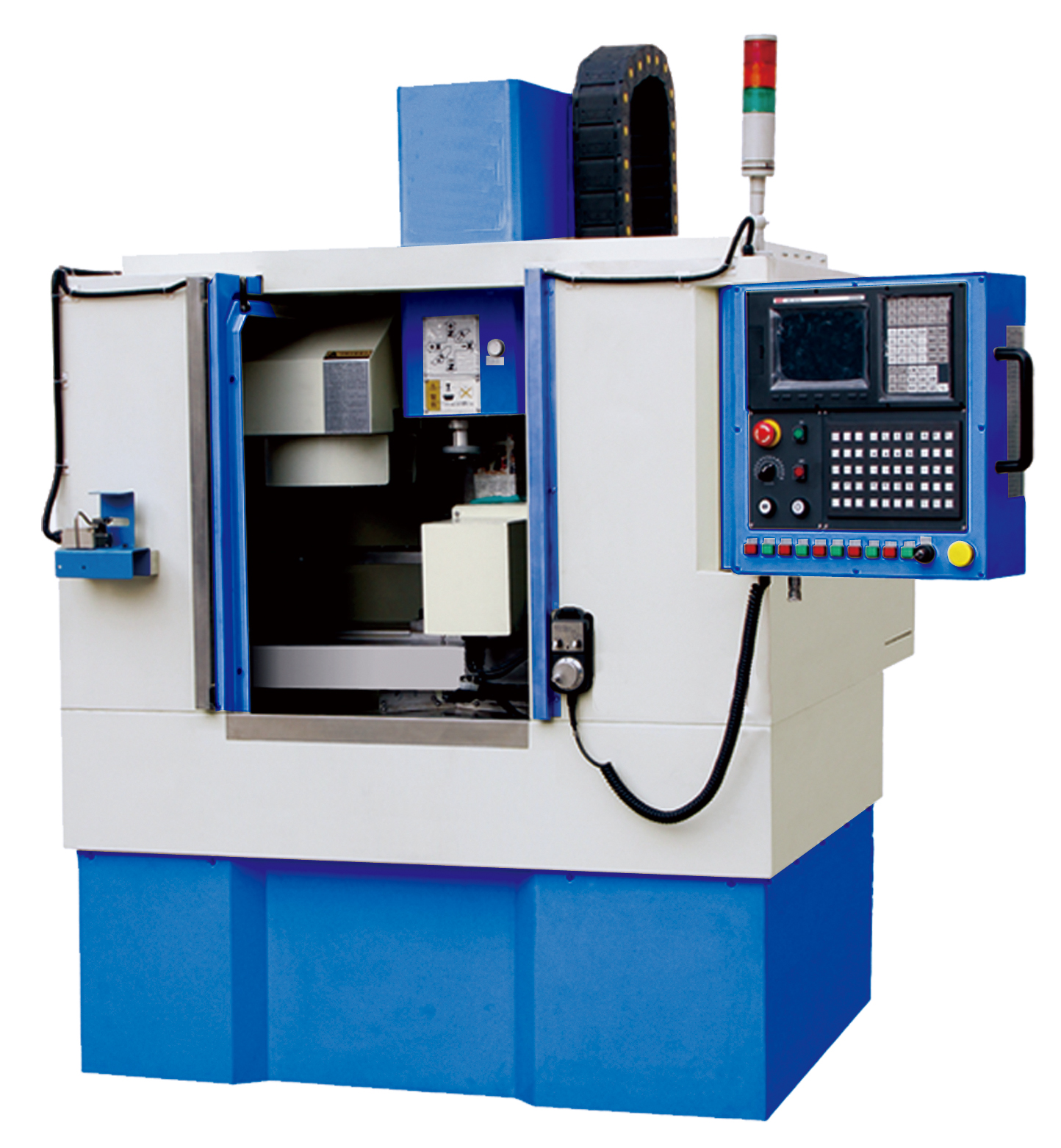
Machining centres
Source industrial-grade machining centres from vetted manufacturers and suppliers in Asia. Designed for heavy equipment importers, industrial distributors, and procurement managers buying in volume, our network delivers precision metal cutting machinery with rigorous quality control and reliable export logistics.
Procuring capital equipment like CNC machining centres requires balancing precision, component reliability, and total cost of ownership. Whether you are a machine tool distributor importing inventory or a manufacturer expanding your own production lines, sourcing these units directly from Asian manufacturers demands strict technical oversight. The difference between a high-performing asset and a maintenance liability lies in the machine's structural rigidity, component origins, and the factory's assembly tolerances.
Core Specifications and Axis Configurations
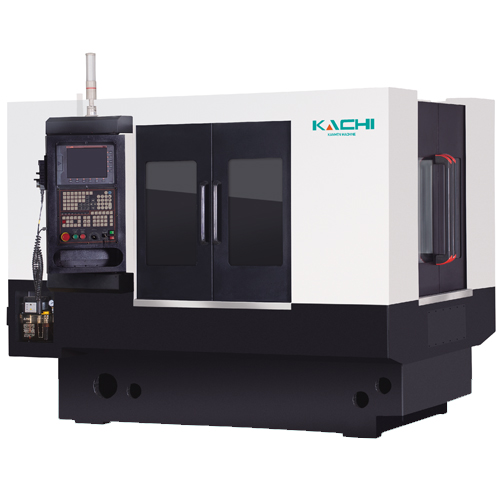
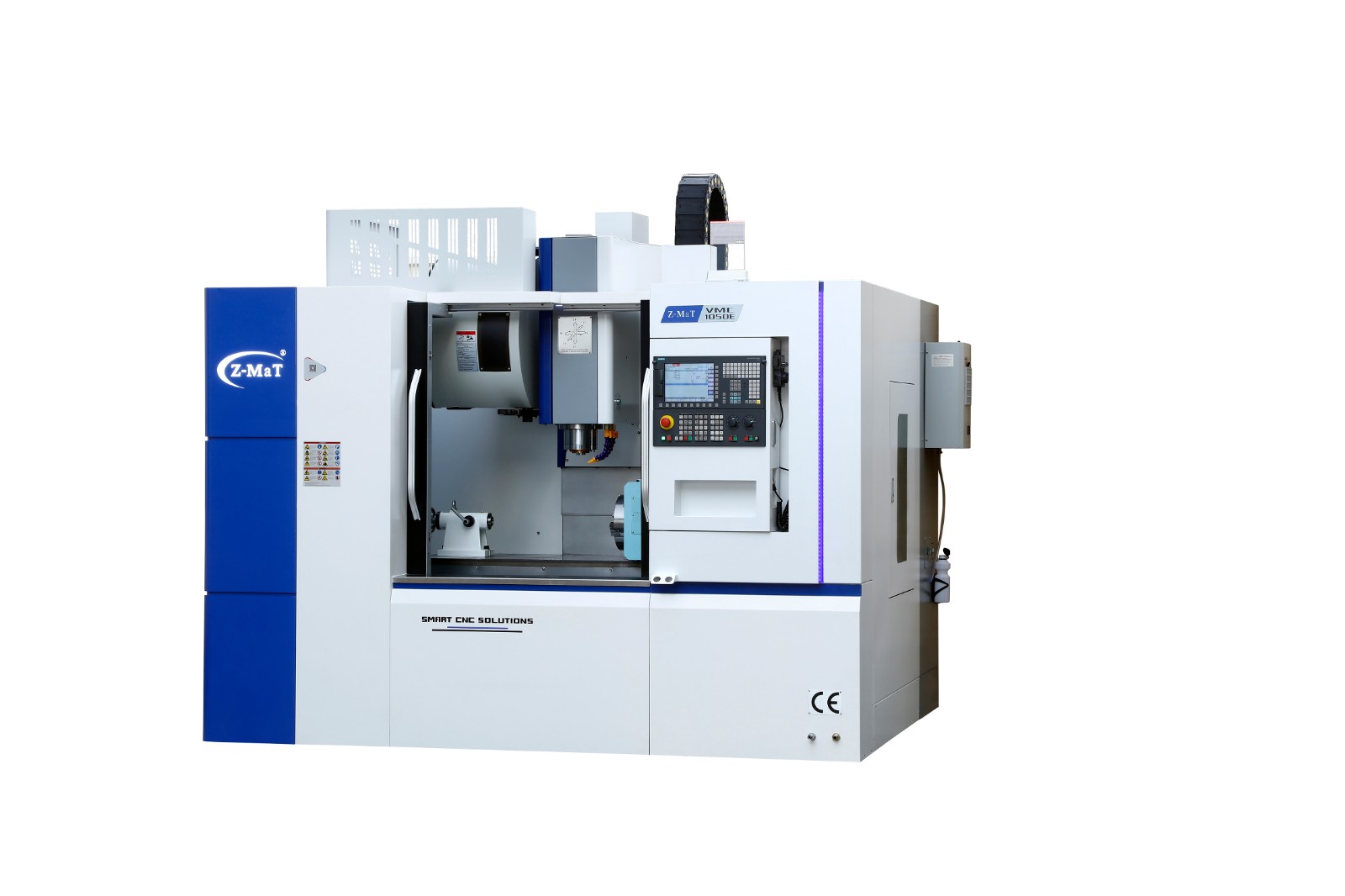
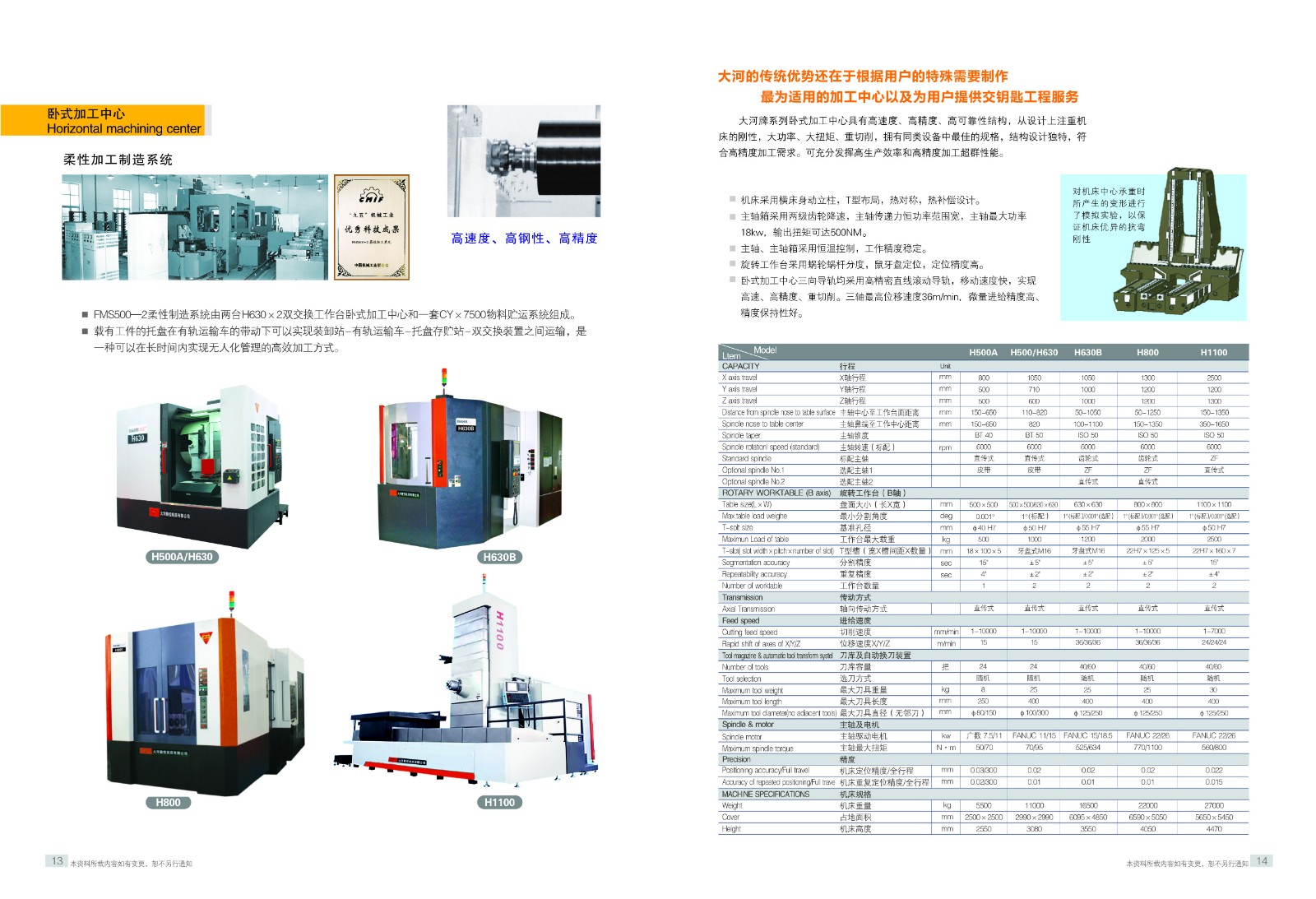
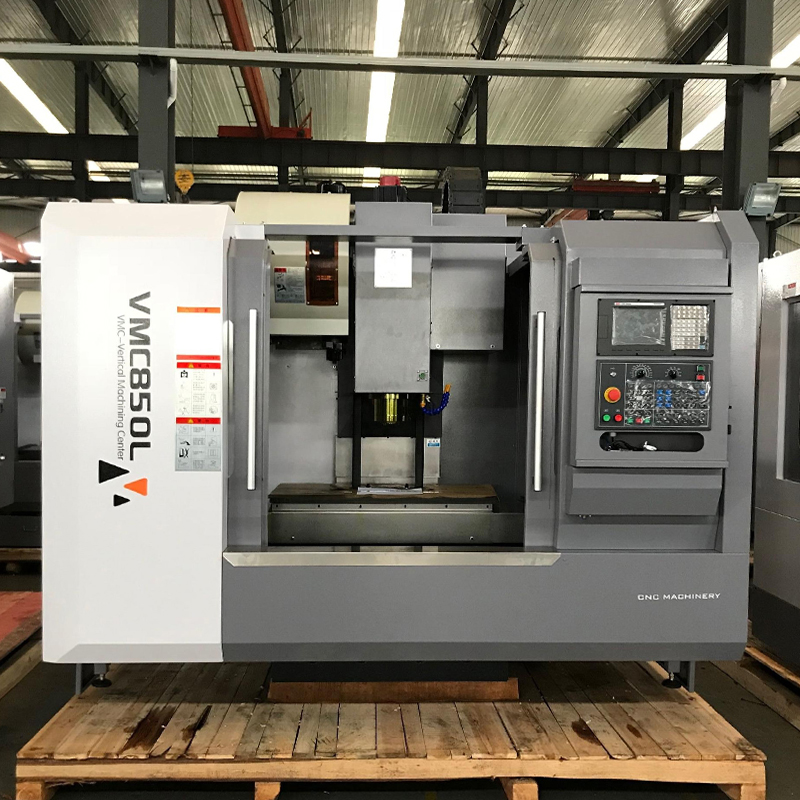
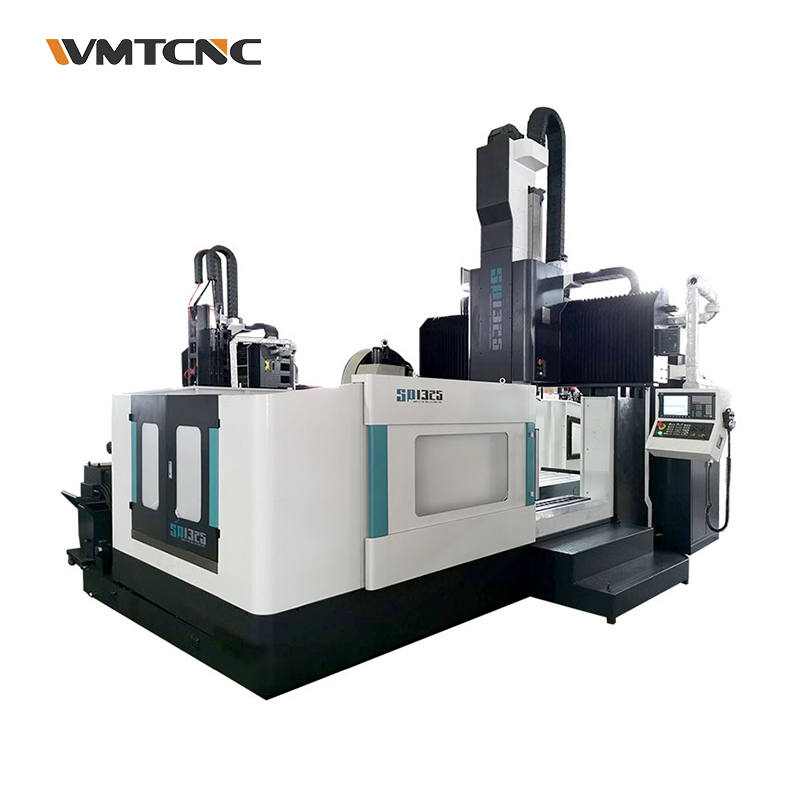
When evaluating suppliers, clarity on the machine's intended application dictates the required specifications. A standard vertical machining centre (VMC) for basic mold-making has vastly different structural requirements than a high-speed 5-axis gantry machine for aerospace components.
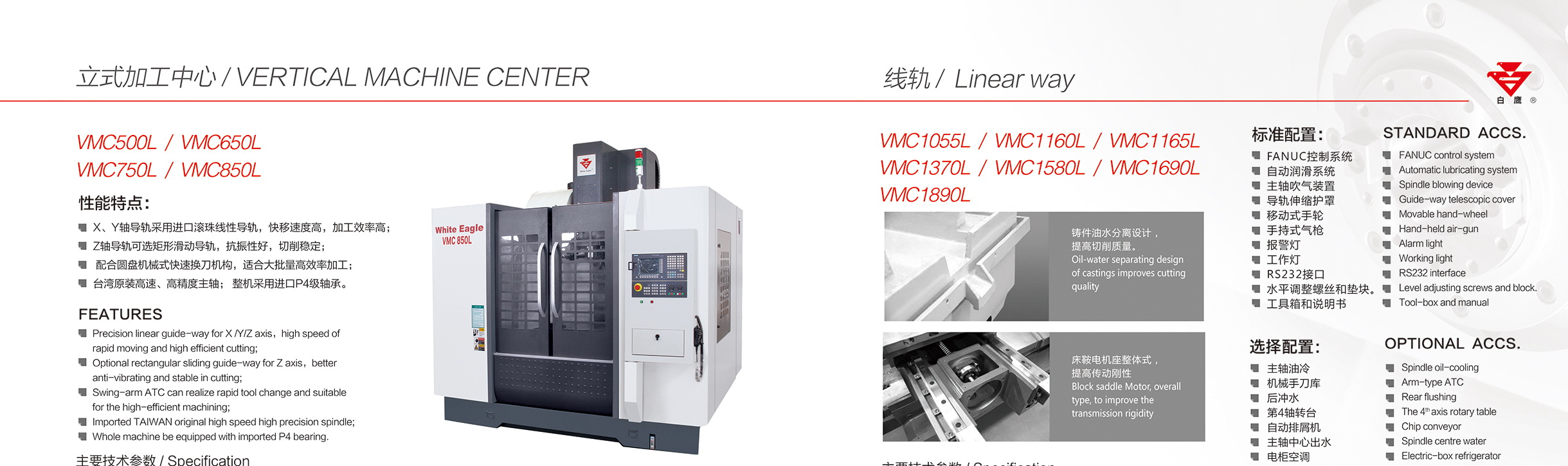
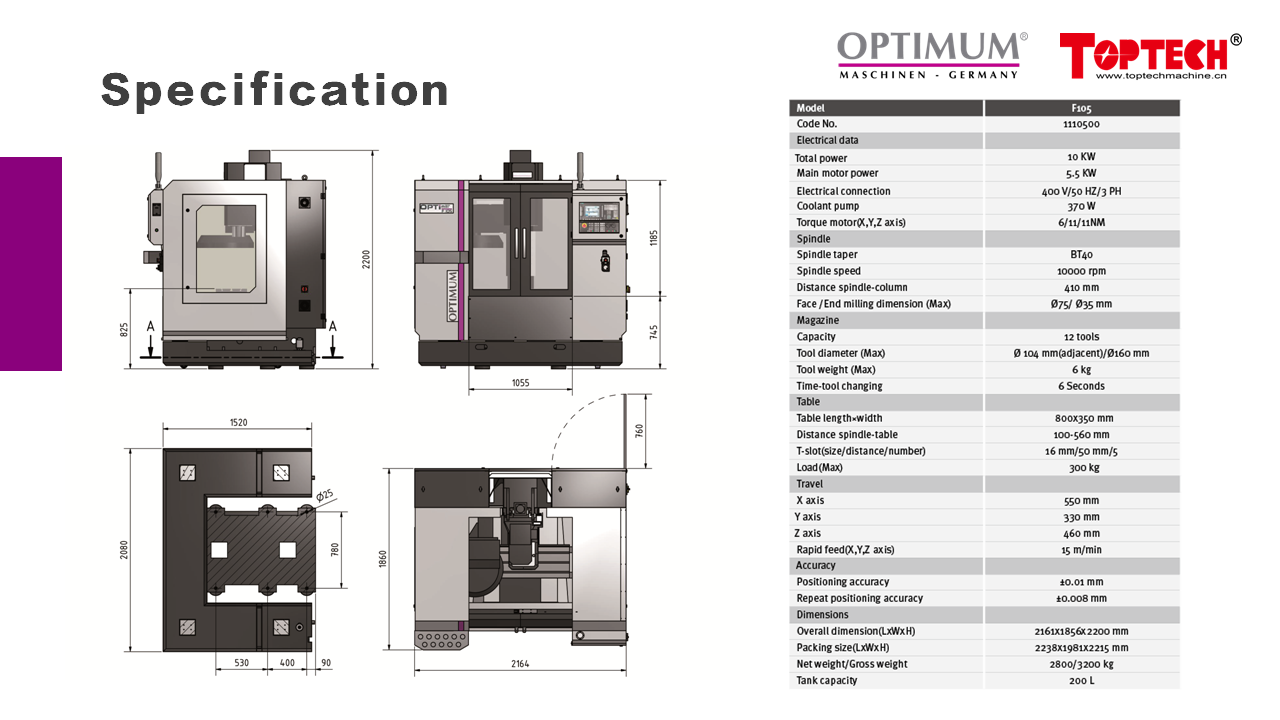
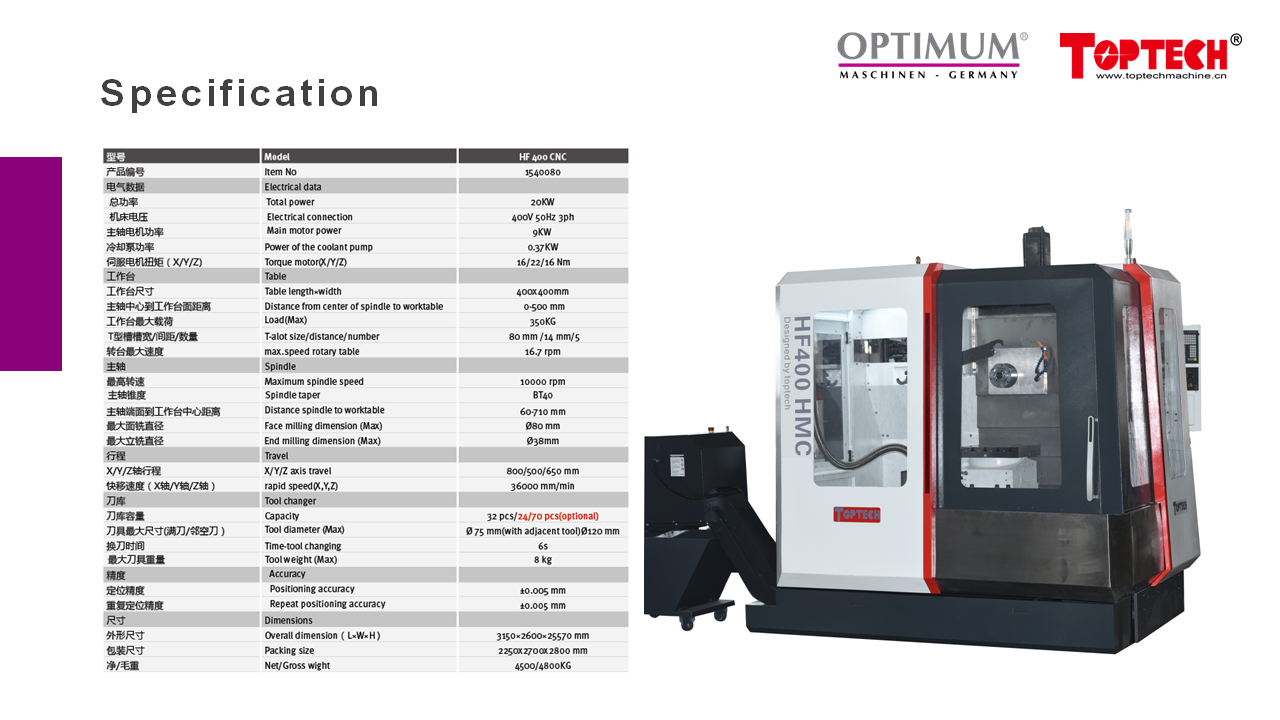
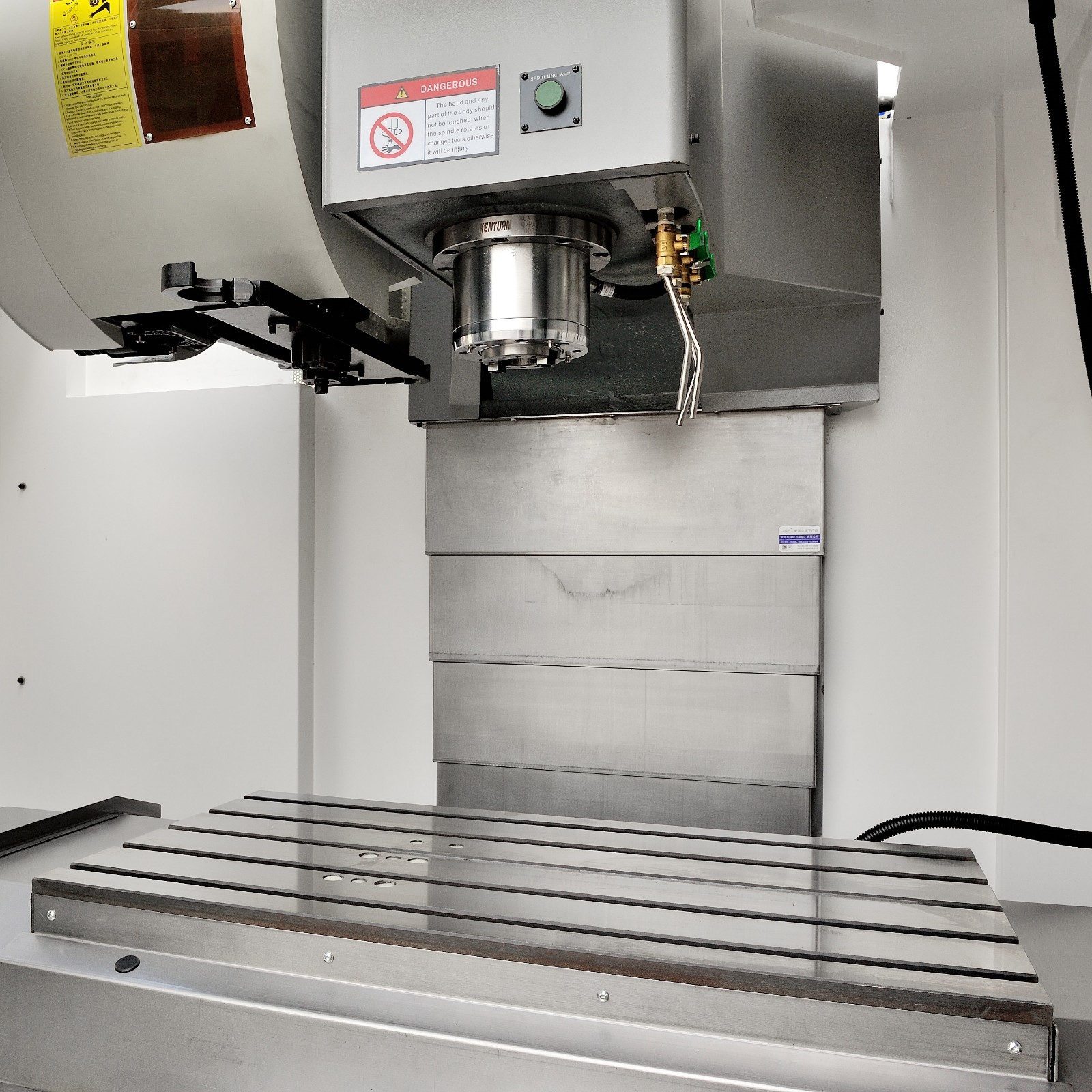
You must define the exact requirements for the spindle (direct drive, belt-driven, or gear-driven), the tool magazine (umbrella vs. swing-arm type), and the CNC controller ecosystem. Relying on default factory configurations often leads to bottlenecks in tool-change times or inadequate torque for heavy roughing.
| Axis Configuration | Typical Applications | Sourcing Complexity |
|---|---|---|
| 3-Axis (VMC/HMC) | Flat components, standard milling and drilling | Standard baseline, widely available |
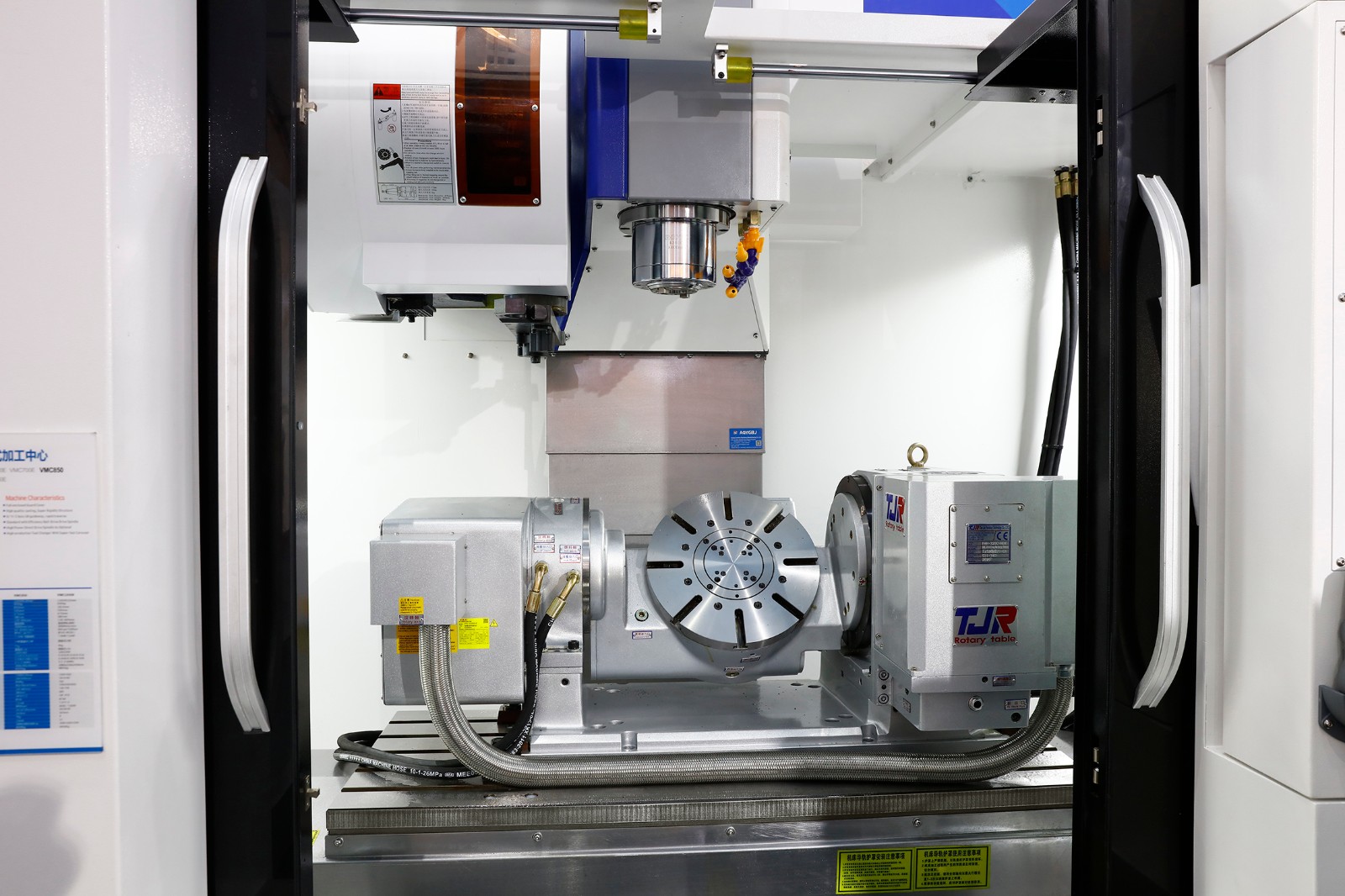
| 4-Axis | Cylindrical parts, continuous rotation machining | Requires verified rotary table integration |
| 5-Axis (Simultaneous) | Aerospace, impellers, complex medical implants | High complexity, strict export controls on controllers |
Navigating the Asian machine tool market requires separating genuine manufacturers from trading companies. We verify factory capabilities and production history before you commit capital.
Talk to our teamComponent Origins and Factory-Level Quality Control
A machining centre is essentially an integration of critical sub-components housed within a cast iron frame. Leading Asian manufacturers often import these core components to ensure global competitiveness. Assessing a supplier means assessing their supply chain.
Critical Components to Verify During Sourcing
- Casting Material: Ensure Meehanite cast iron with proper natural or artificial aging to prevent structural deformation over time.
- Spindle Origin: Verify the brand and runout tolerances (often sourced from specialized manufacturers in Taiwan, Germany, or Japan).
- Motion Control: Confirm the brand of linear guideways and ball screws (e.g., THK, HIWIN, or PMI) and their preload classes.
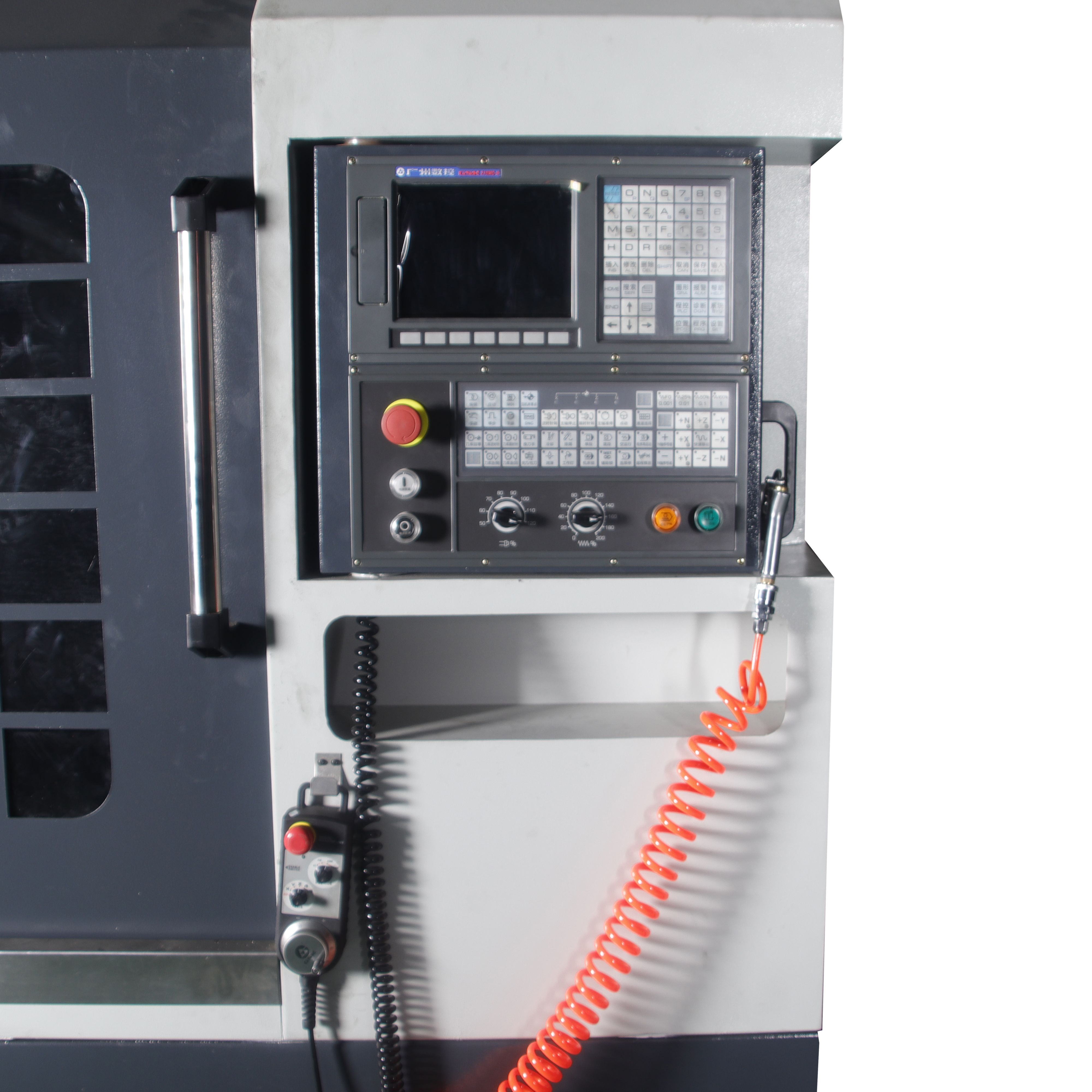
- CNC Controller: Specify the exact model of Fanuc, Siemens, Mitsubishi, or Heidenhain controllers to ensure compatibility with your local operators and CAM software.
Conducting comprehensive Factory Audits is non-negotiable for machinery of this class. You need to verify the factory's environmental controls during assembly (temperature-controlled spindle rooms) and their testing equipment.
Before any unit ships, rigorous Quality Control & Inspection must take place on the factory floor. This includes laser interferometry testing to verify pitch error and positioning accuracy, ball-bar testing for circularity, and extended spindle run-in tests to check for thermal distortion and vibration.
Pricing Drivers, Lead Times, and Freight
Machining centres are high-ticket capital investments. While the Minimum Order Quantity (MOQ) is typically just one unit, wholesale distributors ordering mixed containers or multiple units can negotiate significant volume discounts.
Shipping heavy machinery introduces specialized logistical challenges. Depending on the machine's footprint, it may require open-top containers, flat racks, or specialized out-of-gauge (OOG) handling. Improper lashing or inadequate rust-prevention packaging during sea transit can ruin a machine before it arrives. Coordinating these heavy-lift requirements through experienced Shipping & Freight professionals ensures the equipment is properly secured, insured, and cleared through customs without costly port delays.
Coordinating heavy machinery freight, marine insurance, and customs clearance is complex. Let us manage the end-to-end logistics for your capital equipment.
Get a free consultationFrequently Asked Questions
Successful procurement of machining centres relies on looking past the spec sheet to understand the engineering and assembly standards of the manufacturer. By verifying component authenticity and enforcing strict pre-shipment testing, buyers can secure industrial-grade machinery that delivers long-term precision and a rapid return on investment.
Get Sourcing Help for Machining centres
Tell us your requirements and our experts will connect you with verified manufacturers.