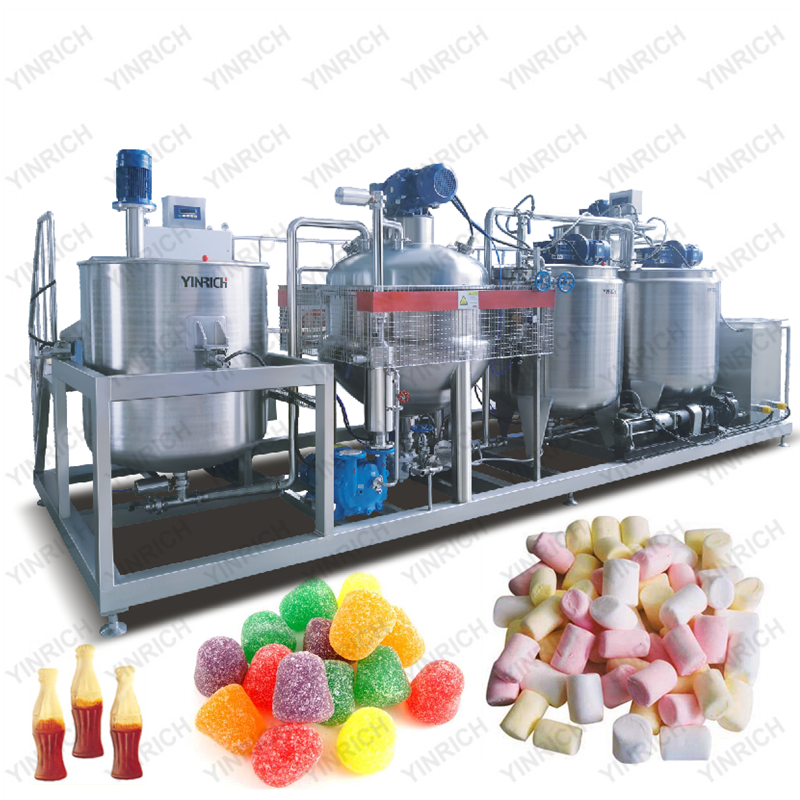
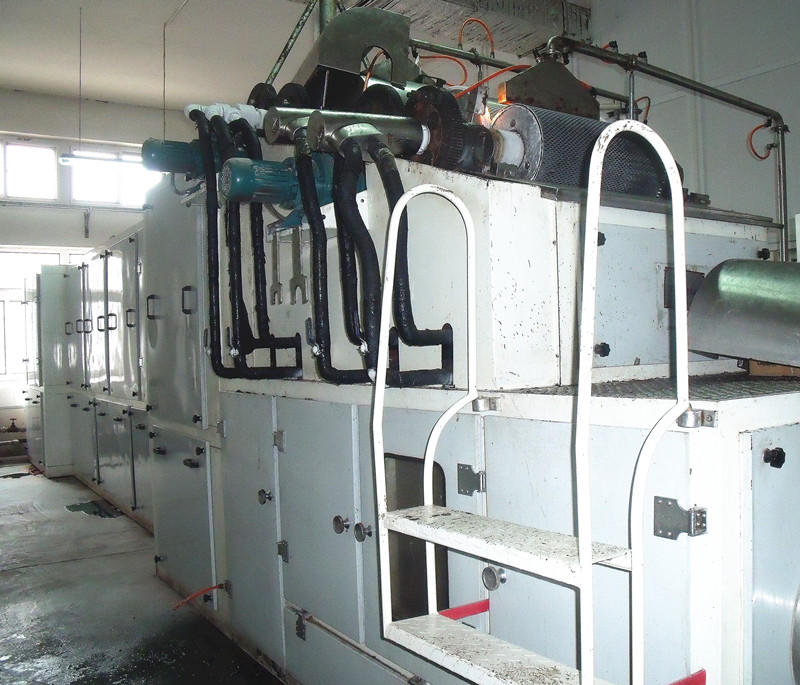
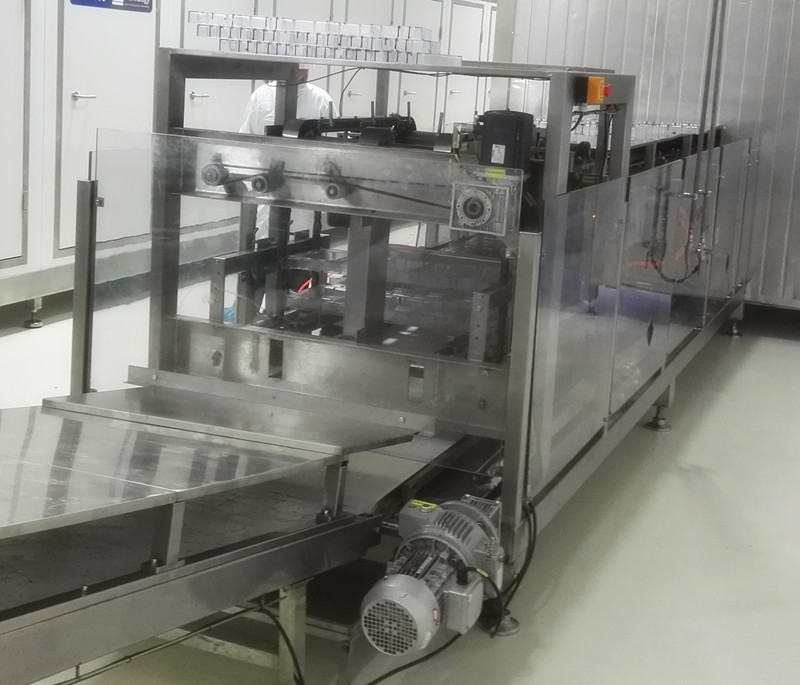
Machinery for the Manufacture of Confectionery,Cocoa or Chocolate
Source industrial machinery for the manufacture of confectionery, cocoa or chocolate from vetted suppliers and manufacturers. Designed for importers, wholesale distributors, and food brands seeking reliable OEM and private-label production equipment. Secure competitive bulk pricing and scalable manufacturing solutions.
Sourcing industrial equipment for cocoa processing, chocolate tempering, and confectionery molding requires balancing capital expenditure with strict food safety compliance and high-precision automation. The primary challenge when procuring this machinery overseas is verifying that the supplier is a genuine manufacturer capable of delivering export-grade sanitary construction and reliable PLC integration, rather than a trading company offering domestic-market equipment retrofitted with subpar components.
Critical Specifications for Confectionery Equipment
When configuring a production line—whether it is a continuous fondant plant, a cocoa bean processing line, or an automated chocolate molding plant—buyers must specify components down to the brand level. Equipment operating in high-viscosity, temperature-sensitive environments will fail prematurely if underspecified.
- Food Contact Materials: All wetted parts and contact surfaces must be SUS304 or SUS316L stainless steel. Look for mirror-polished finishes (Ra under 0.8 micrometers) to prevent bacterial harborage and ensure CIP (Clean-In-Place) effectiveness.
- Temperature Control: Chocolate tempering and cocoa butter processing require exact thermal management. Specify PID temperature controllers and double-jacketed tanks with highly efficient thermal fluid circulation.
- Drive Systems & Automation: High-torque applications like conching and refining demand robust gear motors (often SEW or Siemens). For PLCs and HMIs, mandate internationally supported brands (such as Allen-Bradley, Siemens, or Mitsubishi) to ensure your local technicians can service the software.
| Component Area | Standard Domestic Spec | Export-Grade Spec |
|---|---|---|
| Contact Surfaces | SUS304, standard weld finish | SUS316L, seamless sanitary welds (Ra ≤ 0.4µm) |
| Pneumatics & Valves | Local generic brands | FESTO, SMC, or Alfa Laval |
| Electrical Components | Chint or equivalent | Schneider, ABB, or Siemens |
| Motor & Gearbox | Standard AC motors | SEW-Eurodrive or equivalent high-torque |
Quality Control and Factory Validation
The manufacturing hubs for food and beverage machinery in China are primarily located in Shanghai, Guangdong, and Zhejiang (especially Wenzhou). However, the technical capability between factories in these regions varies wildly.
Before placing a deposit, it is crucial to conduct rigorous factory audits to verify their in-house machining capabilities, ASME/CE certifications, and experience exporting to your specific market.
Factory Acceptance Testing (FAT) Checklist
- Verify all material test reports (MTRs) for SUS304/316L stainless steel.
- Inspect sanitary welds for pitting, burn-through, or inadequate polishing.
- Run dry-cycle tests to validate PLC logic, HMI responsiveness, and safety interlocks.
- Test water circulation in jacketed tanks to confirm pressure integrity and heating efficiency.
- Confirm CE/UL electrical compliance and correct voltage/frequency for the destination country.
Catching defects or integration issues after the machinery has shipped is incredibly costly. Executing professional quality control & inspection during the FAT phase ensures the equipment performs to spec before it leaves the factory floor.
Need help verifying a manufacturer's technical capabilities or arranging a Factory Acceptance Test? Our team on the ground can manage the engineering review and supplier validation.
Talk to our machinery expertsCustomization and Line Integration
Most bulk buyers do not purchase off-the-shelf units. Machinery must be tailored to specific factory layouts, production capacities (kg/hr), and existing downstream packaging equipment. If you are developing a unique product format, leveraging OEM/ODM services allows you to customize molding dies, cooling tunnel lengths, and extrusion nozzles directly with the manufacturer's engineering team.
Pricing, MOQs, and Lead Times
Because confectionery and chocolate machinery is highly specialized and built-to-order, pricing is dictated by the level of automation, capacity, and component brands specified.
Ensure your commercial contract clearly defines who is responsible for installation and commissioning. Many top-tier manufacturers will dispatch engineers overseas for setup, though the buyer typically covers flights, accommodation, and a daily per diem.
From negotiating technical specifications to managing heavy-freight logistics, we help importers secure reliable confectionery production lines without the costly trial and error.
Get a sourcing consultationFrequently Asked Questions
When sourcing machinery for the manufacture of confectionery, cocoa, or chocolate, the initial capital cost is only one part of the equation. Downtime, maintenance, and product waste caused by inferior equipment will quickly erase any upfront savings. Focusing on rigorous supplier vetting, strict component specification, and thorough pre-shipment testing is the only way to ensure a profitable, long-term operational lifespan.
Get Sourcing Help for Machinery for the Manufacture of Confectionery,Cocoa or Chocolate
Tell us your requirements and our experts will connect you with verified manufacturers.