LED Displays
Source commercial-grade LED displays directly from vetted manufacturers and suppliers. This catalog is designed for importers, wholesalers, distributors, and brands seeking reliable OEM production, offering competitive pricing on bulk orders.
Sourcing commercial LED displays requires balancing visual performance specifications with long-term mechanical reliability. Whether you are procuring fine-pitch screens for corporate boardrooms or high-brightness outdoor billboards, the core sourcing challenge lies in verifying that the factory's component selection—from the LED lamps and driver ICs to the power supplies—matches the quoted specifications. A supplier's ability to maintain tight tolerances in cabinet manufacturing and color calibration dictates whether a video wall looks seamless or disjointed upon installation.
Specifying Commercial LED Displays
When negotiating with manufacturers, vague specifications invite cost-cutting. You must define the exact components and performance metrics required for your application. The most critical variables include the pixel pitch (P-value), the brand and type of LED encapsulation (SMD vs. DIP or COB for fine pitch), and the driver ICs which dictate the refresh rate and grayscale performance.
| Specification | Indoor Displays | Outdoor Displays |
|---|---|---|
| Typical Brightness | 800 - 1,500 nits | 5,500 - 8,000+ nits |
| IP Rating | IP30 - IP41 | IP65 (Front) / IP54 (Rear) |
| Common Pixel Pitch | P0.9 - P3.0 | P3.0 - P10.0 |
| Cabinet Material | Die-cast Aluminum | Iron or Die-cast Aluminum |
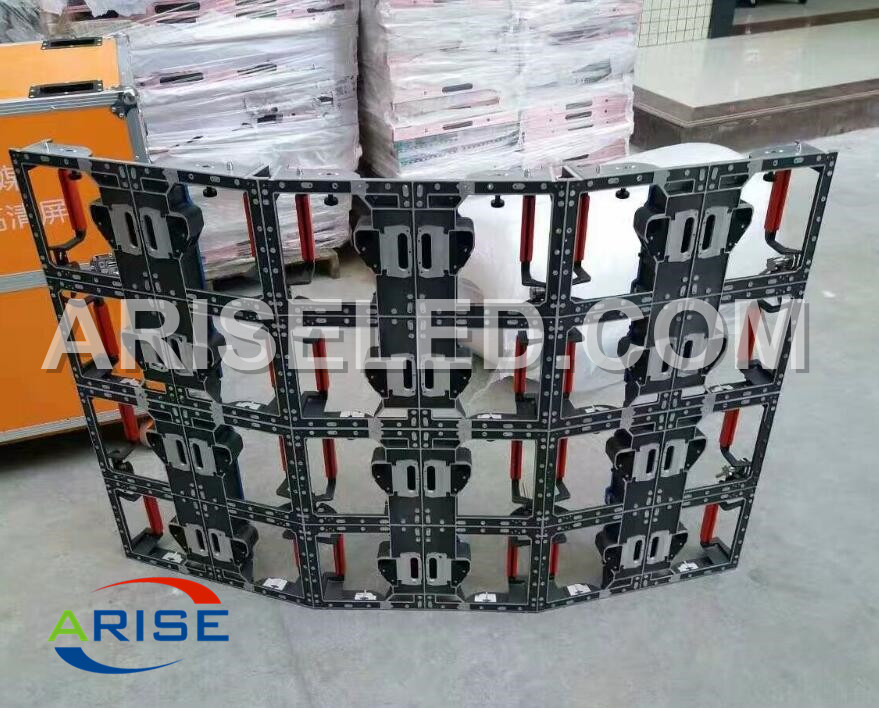
Beyond the LEDs themselves, the cabinet construction is vital. Die-cast aluminum cabinets offer the CNC-machined precision necessary for seamless splicing in fine-pitch applications. Cheaper iron cabinets are heavier and more prone to warping, which can lead to visible gaps between panels.
Need help verifying supplier specifications and factory capabilities? Connect with our sourcing experts.
Talk to our teamManufacturing Tolerances and Quality Control
The gap between a prototype and mass production is where many LED display orders fail. Inconsistent binning of LED chips results in poor color uniformity across the display. Furthermore, inadequate thermal management in the PCB design or cabinet structure will dramatically reduce the lifespan of the power supplies and receiving cards.
To mitigate these risks, rigorous on-site verification is essential. Executing Factory Audits before placing a deposit ensures the manufacturer has the necessary SMT (Surface Mount Technology) equipment and aging rooms to handle your volume.
During production, strict Quality Control & Inspection protocols must be enforced. Do not rely solely on the factory's internal testing.
Critical Pre-Shipment QC Checks for LED Displays
- 72-hour aging test (white, red, green, blue, and dynamic video) to identify dead or failing pixels.
- Color and brightness calibration verification across all modules to ensure uniformity.
- Vibration testing to ensure module masks and internal cabling remain secure during transit.
- Waterproof testing (for outdoor modules) verifying IP65 seals around the module housing and data/power ports.
- Cabinet alignment checks to confirm zero-gap splicing tolerances.
Pricing Structures, MOQs, and Lead Times
LED display pricing is highly volatile, driven by the cost of copper, aluminum, and semiconductor components. Quotes are typically structured per square meter or per cabinet. Fine-pitch indoor displays (under P1.5) command significant premiums due to the density of LED chips and the advanced COB (Chip-on-Board) or IMD packaging required.
When negotiating, always request a specific percentage of spare parts (typically 3 to 5 percent for modules, power supplies, and receiving cards) from the exact same production batch to ensure identical color binning for future maintenance.
Optimize your procurement strategy and negotiate better terms with vetted Asian manufacturers.
Get a free consultationCompliance and Logistics
Importing digital signage requires strict adherence to regional electrical and electromagnetic compatibility standards. North American and European markets require CE, RoHS, and FCC certifications, while UL or ETL listings for the power supplies are often mandatory for commercial installations. Engaging in professional Compliance & Testing ensures your shipments are not delayed at customs.
Because LED cabinets are bulky, heavy, and fragile, proper packaging (typically flight cases or heavy-duty wooden crates) and reliable Shipping & Freight coordination are critical to prevent dead pixels or cracked masks upon arrival.
Sourcing LED displays at scale is an exercise in risk management. By defining exact component specifications, demanding strict color binning, and enforcing rigorous pre-shipment aging tests, buyers can secure high-performance digital signage that delivers long-term reliability without the premium markups of domestic integrators.
Get Sourcing Help for LED Displays
Tell us your requirements and our experts will connect you with verified manufacturers.