Iron Pipes
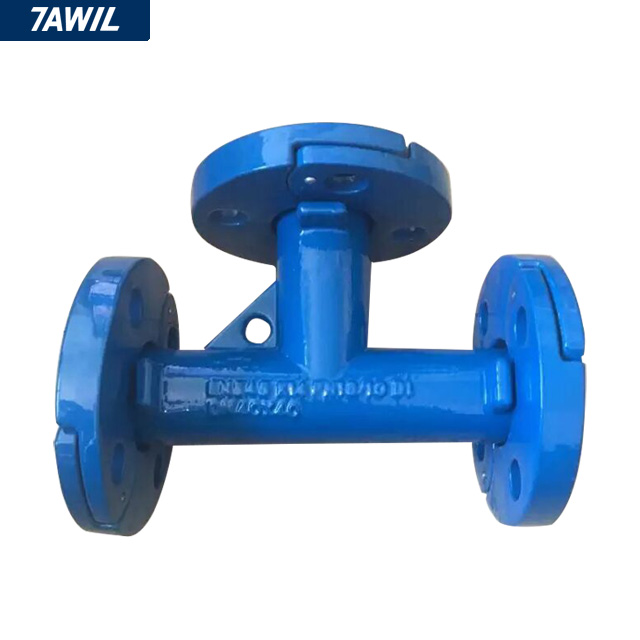
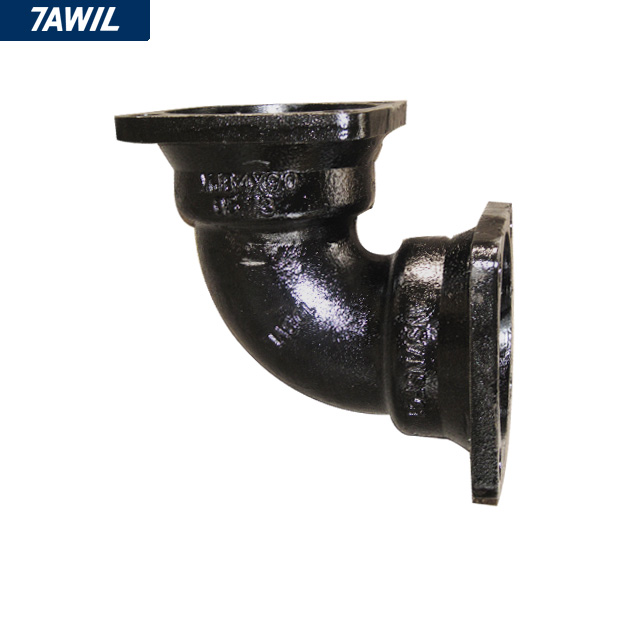
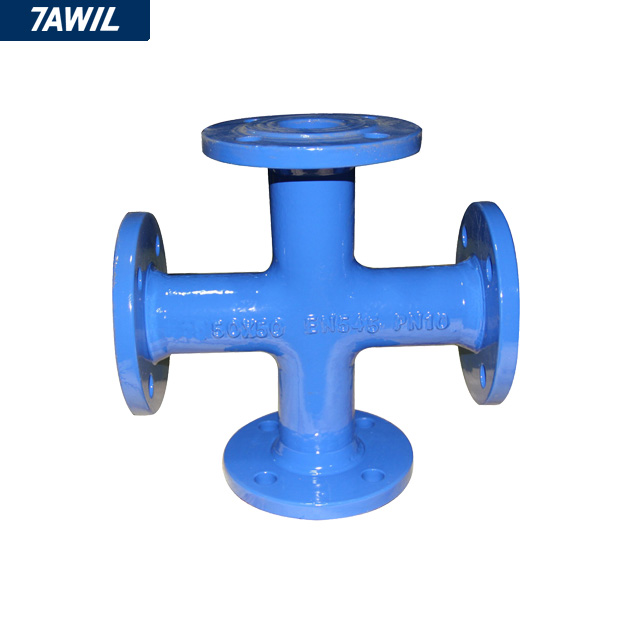
Source wholesale Iron Pipes from vetted suppliers and manufacturers. Designed for industrial importers, distributors, and procurement managers, our network provides reliable access to bulk cast and ductile iron piping. Secure competitive pricing and strict quality compliance for your infrastructure or commercial plumbing projects.
Sourcing industrial iron pipes at scale requires navigating a complex matrix of metallurgical standards, casting methods, and volatile raw material pricing. Whether you are procuring ductile iron for municipal water mains or gray cast iron for gravity drainage systems, the primary challenge lies in ensuring consistent wall thickness, mechanical strength, and flawless protective coatings across high-tonnage orders.
Material Grades and Specifications
The iron pipe market is heavily segmented by the material's microstructure, which dictates its pressure tolerance and flexibility. Buyers must specify exact standards—such as ISO 2531, EN 545, EN 598, or AWWA C151—to ensure the factory uses the correct iron chemistry and casting molds.
| Material Type | Microstructure | Tensile Strength | Primary Application |
|---|---|---|---|
| Ductile Iron | Nodular Graphite | High (420+ MPa) | Pressurized Water/Sewer Mains |
| Gray Cast Iron | Flake Graphite | Lower (Brittle) | Gravity Drainage/Soil Pipes |
Beyond the base metal, wall thickness is a critical cost and performance driver. In international standards, thickness is typically denoted by pressure classes (e.g., Class C or the older K-class system like K9). Specifying the nominal diameter (DN) and the exact pressure class ensures the foundry calibrates their centrifugal casting machines correctly.
Struggling to find a mill that consistently meets international AWWA or EN standards?
Get a free consultationManufacturing Processes and Factory Selection
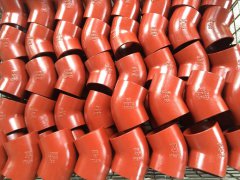
Modern iron pipes are produced using centrifugal casting. Molten iron is poured into a rapidly spinning water-cooled mold, forcing the metal against the walls to form a seamless cylinder. While the process is highly automated in top-tier foundries, poor temperature control or improper machine calibration can lead to catastrophic structural defects.
When conducting Factory Audits, it is vital to evaluate the supplier's annealing furnaces. Ductile iron cast centrifugally is initially brittle and must be heat-treated (annealed) to achieve its signature flexibility and high impact resistance. Foundries cutting corners on annealing time will deliver pipes prone to cracking under ground movement or pressure surges.
Coating and Lining Systems
Iron is highly susceptible to corrosion. The longevity of the pipe depends entirely on the quality of its factory-applied protective layers:
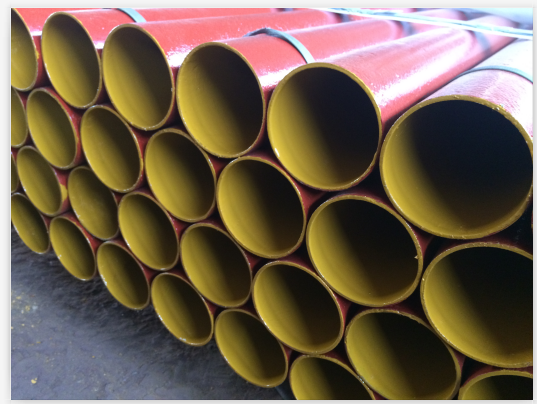
- Internal Linings: Cement mortar lining is standard for potable water to prevent tuberculation, while high-alumina cement or polyurethane is required for aggressive sewage.
- External Coatings: A layer of metallic zinc followed by a bituminous or epoxy topcoat is the industry standard for buried pipes.
Quality Control Checkpoints
Because iron pipes are buried underground for decades, failure is exceptionally costly. Relying solely on a factory's internal test reports is risky. Implementing independent Quality Control & Inspection during production and pre-shipment is essential.
Critical Factory QA Checks
- Hydrostatic pressure testing of every individual pipe length (often at 50 bar or higher)
- Ultrasonic thickness gauging to ensure uniform wall dimensions and prevent eccentricity
- Spectrometer analysis of the molten iron batch prior to casting
- Adhesion and holiday (pinhole) testing of zinc and epoxy coatings
- Dimensional checks on spigot and socket ends for joint integrity
Buying Mechanics: MOQs, Lead Times, and Pricing
Iron pipe pricing is highly commoditized and tracks closely with global pig iron and scrap metal indices, as well as the energy costs associated with running induction furnaces.
- Minimum Order Quantities (MOQs): Due to the extreme weight of the product, MOQs are almost always dictated by shipping container capacities. A typical MOQ is one 20-foot container, which holds approximately 20 to 25 metric tons depending on the pipe diameter and class.
- Lead Times: Standard production runs typically require 30 to 45 days. However, if you require custom internal linings or non-standard flange attachments, expect lead times to extend to 60 days.
- Logistics: Iron pipes "weigh out" a container long before they "cube out" (fill the volume). Managing heavy freight, securing proper dunnage to prevent transit damage, and navigating port weight restrictions requires specialized Shipping & Freight coordination.
Need to optimize your freight strategy for heavy-tonnage iron imports?
Talk to our teamFrequently Asked Questions
Procuring iron pipes in bulk demands strict oversight of metallurgical chemistry, casting precision, and heavy freight logistics. Working with experienced sourcing partners ensures that your specifications translate accurately to the factory floor, protecting your project timelines and infrastructure integrity.
Get Sourcing Help for Iron Pipes
Tell us your requirements and our experts will connect you with verified manufacturers.