Indicator Lights
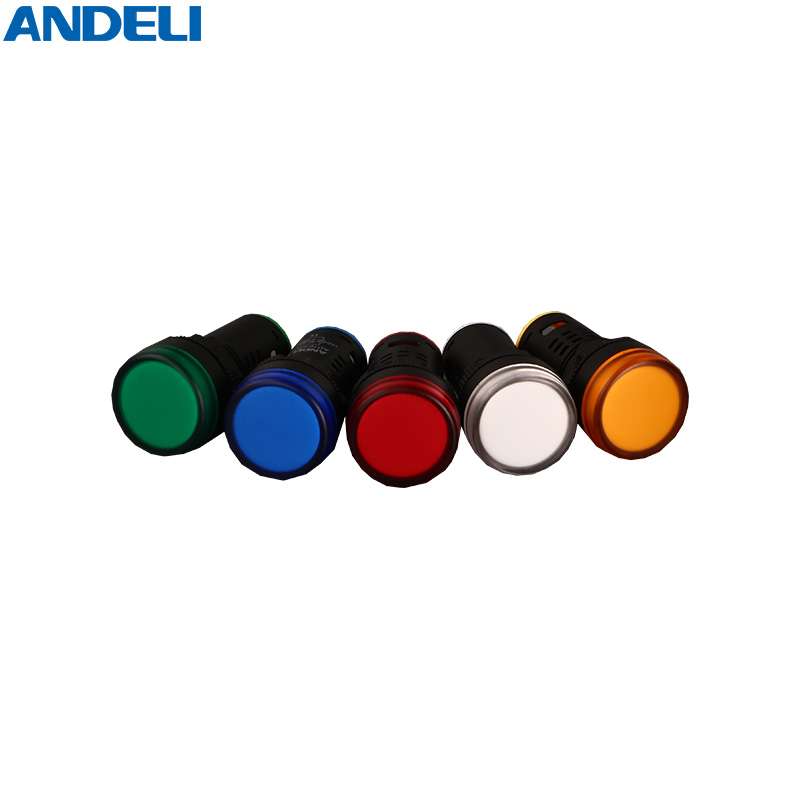
Source high-quality indicator lights directly from vetted manufacturers and reliable suppliers. Built for importers, industrial distributors, and brands requiring bulk purchasing or OEM production, our network delivers industrial-grade panel indicators built to strict global compliance standards.
Sourcing industrial indicator lights at scale requires moving past generic catalog specifications and digging into the component-level bill of materials (BOM). For control panels, heavy machinery, and automation equipment, a failing pilot light can cause significant operational confusion. Success in bulk procurement means verifying LED chip lifespan, housing durability, and consistent environmental sealing across thousands of units before they ever reach your assembly line.
Core Technical Specifications to Define
When negotiating with manufacturers, vague specifications lead to inconsistent batches. You must define the exact electrical and mechanical parameters for your production run.
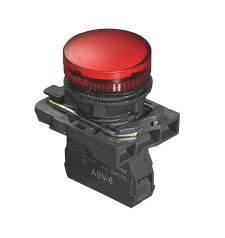
- Operating Voltage & Current: Specify the exact voltage (e.g., 12V DC, 24V DC/AC, 110V AC, 220V AC) and acceptable voltage tolerance. Current draw is typically low (under 20mA for LED), but must be verified to ensure compatibility with PLC outputs.
- Mounting Cutout Diameter: Standard industrial control panels typically use 22mm cutouts, though 8mm, 10mm, 12mm, 16mm, and 30mm are common depending on the application space.
- Illumination Technology: While neon bulbs are still used in legacy 110V/220V applications, high-brightness LED chips are the standard for lifespan (often rated over 30,000 hours) and vibration resistance.
- Terminal Type: Specify whether your assembly process requires screw terminals, solder lugs, or quick-connect pins (e.g., 2.8mm or 4.8mm fast-on terminals).
Need to verify a supplier's technical capabilities before placing a volume order?
Get a free consultationMaterial Selection and Environmental Sealing
The operating environment dictates the housing material and Ingress Protection (IP) rating. If your end-users are in food processing, marine, or heavy manufacturing, the physical durability of the indicator light is just as critical as its electrical reliability.
| Material | Primary Use Case | Cost Profile | Durability |
|---|---|---|---|
| Polycarbonate / Nylon | Indoor control panels, standard machinery | Low | Standard impact resistance |
| Nickel-Plated Brass | Commercial equipment, aesthetic panels | Medium | High impact, moderate corrosion resistance |
| Stainless Steel (304/316) | Outdoor, marine, food processing | High | Maximum corrosion and vandal resistance |
For industrial applications, an IP65 rating (dust-tight and protected against water jets) is the baseline. For harsher environments, specify IP67 (immersion). However, do not take a supplier's datasheet at face value. Validating these ratings through rigorous compliance and testing is essential before finalizing a purchase agreement.
Quality Control Defect Checklist
Quality degradation in indicator lights usually happens at the assembly and soldering stages. When executing quality control and inspection protocols at the factory, inspectors should focus on the following:
Pre-Shipment Inspection Focus Areas
- Color Consistency: Check for color temperature variations between batches (especially in white and blue LEDs).
- Terminal Integrity: Apply push/pull force tests to ensure pins or screw terminals do not dislodge from the housing.
- Housing Seal: Inspect the O-ring or rubber gasket for proper seating to guarantee the stated IP rating.
- Flicker Testing: Subject units to variable voltage within the tolerance range to check for LED flickering or premature failure.
- Thread Quality: Ensure the mounting nut threads smoothly onto the body without cross-threading or excessive play.
If a factory consistently fails these checks, it indicates poor internal quality management. Conducting comprehensive factory audits prior to ordering is the most effective way to prevent these issues from impacting your supply chain.
Pricing, MOQs, and Lead Times
Indicator light pricing is highly dependent on housing material, LED chip origin, and custom markings.
Customization, such as laser-engraving specific machinery symbols or company logos onto the flat face of the indicator, is a common requirement for brands utilizing OEM/ODM services. This typically pushes the MOQ toward the higher end of the spectrum but adds negligible per-unit cost once the setup fee is absorbed.
Ready to source reliable industrial components at competitive wholesale pricing?
Talk to our teamFrequently Asked Questions
Procuring indicator lights in bulk requires strict attention to component quality and environmental ratings. By clearly defining your electrical tolerances and enforcing rigorous pre-shipment inspections, you can secure reliable components that protect your brand's reputation for quality.
Get Sourcing Help for Indicator Lights
Tell us your requirements and our experts will connect you with verified manufacturers.