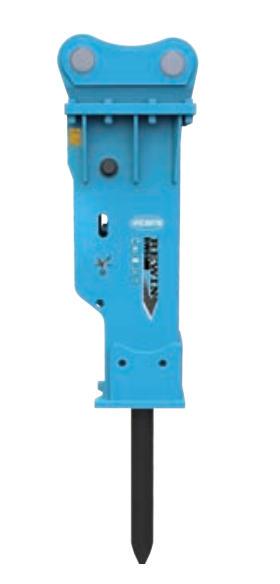
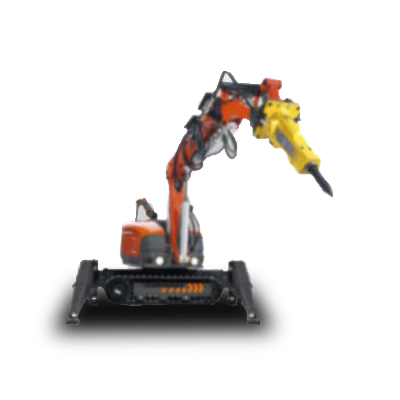
Hydraulic Breakers
Source commercial-grade hydraulic breakers from vetted manufacturers and suppliers across Asia. Built for heavy-duty demolition and excavation, this catalog serves importers, equipment distributors, and OEM brands requiring reliable bulk purchasing. Secure competitive pricing on robust attachments engineered for peak impact energy.
Sourcing hydraulic breakers requires balancing extreme mechanical stress tolerances with cost-efficiency. A breaker's lifespan and performance are entirely dependent on internal machining precision, raw material hardness, and hydraulic seal integrity. When buying in bulk, identifying factories capable of consistent metallurgical control is critical to avoiding catastrophic field failures.
Critical Specifications for Carrier Matching
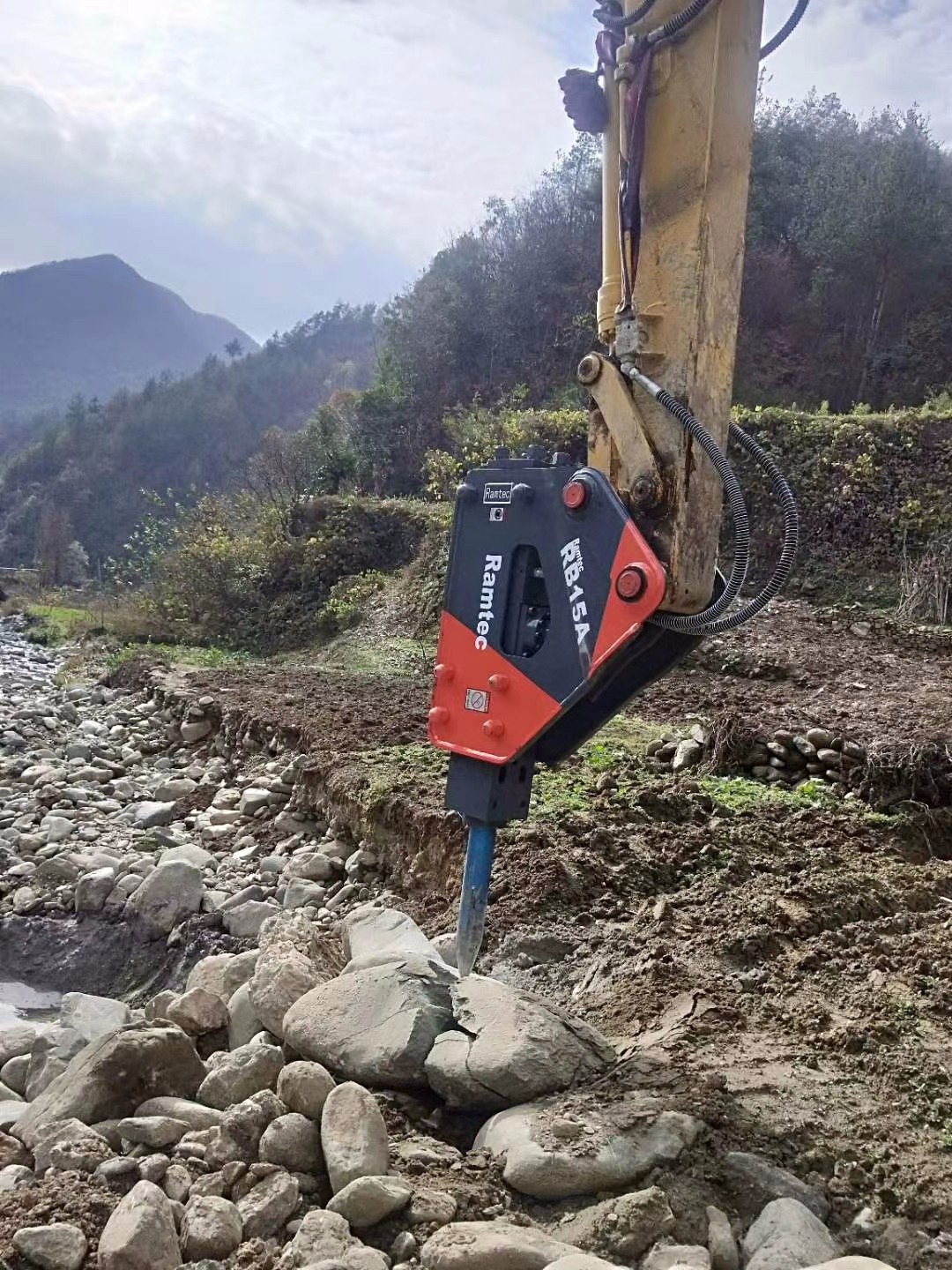
Procuring the right breaker means ensuring strict compatibility with the end-user's carrier equipment (excavators, skid steers, or backhoes). Manufacturers will require precise target specifications to calibrate the nitrogen pressure and internal valve configurations.
When ordering, you must specify the required pin diameter, arm width, and pin center-to-center distance to ensure the mounting bracket fits the target carrier.
Need help verifying technical specifications and factory capabilities? Our engineers can guide your sourcing process.
Talk to our teamManufacturing Quality: Where Durability is Won or Lost
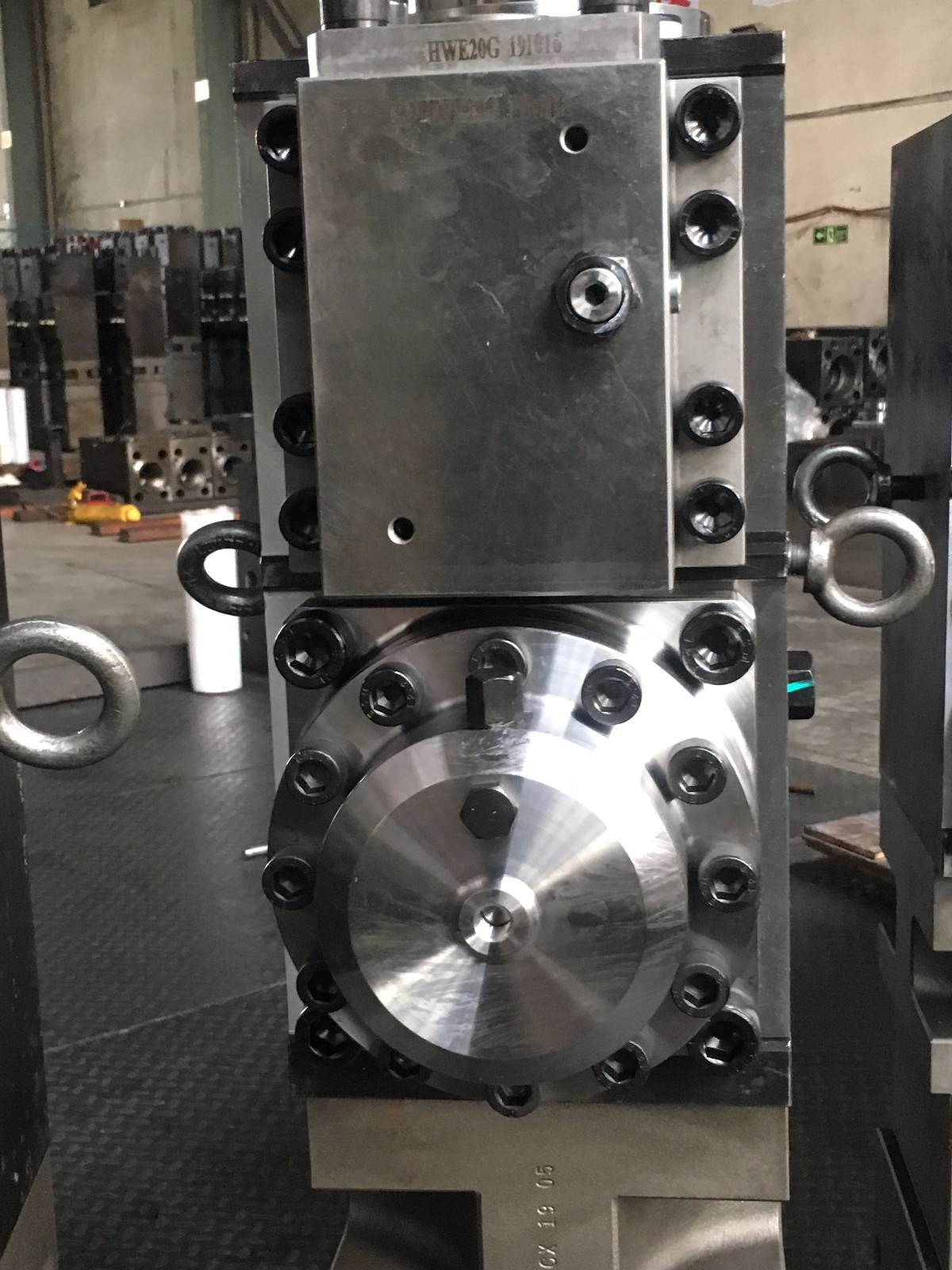
The difference between a premium breaker and a fast-failing unit lies in the factory's machining and heat-treatment processes. The piston and cylinder endure immense friction and impact. If the alloy steel (typically 20CrMo or 42CrMo) is not properly forged and heat-treated, the piston will score the cylinder, leading to internal hydraulic leaks and total failure.
Factory-Level Quality Indicators to Verify
- Through-hardening processes for chisels and pistons, not just surface induction hardening.
- Precision honing of the main cylinder to tolerances under 0.02mm.
- Use of premium imported seal kits (e.g., NOK, Parker, or SKF) rather than generic domestic seals.
- Ultrasonic testing of raw steel forgings to detect internal micro-fissures before machining.
- In-house nitrogen charging and test-bench run-ins prior to painting and packing.
Verifying these capabilities remotely is difficult. Conducting thorough factory audits is essential to ensure the supplier has the actual CNC machinery and heat-treatment furnaces on-site, rather than simply assembling outsourced components.
Breaker Housing Configurations
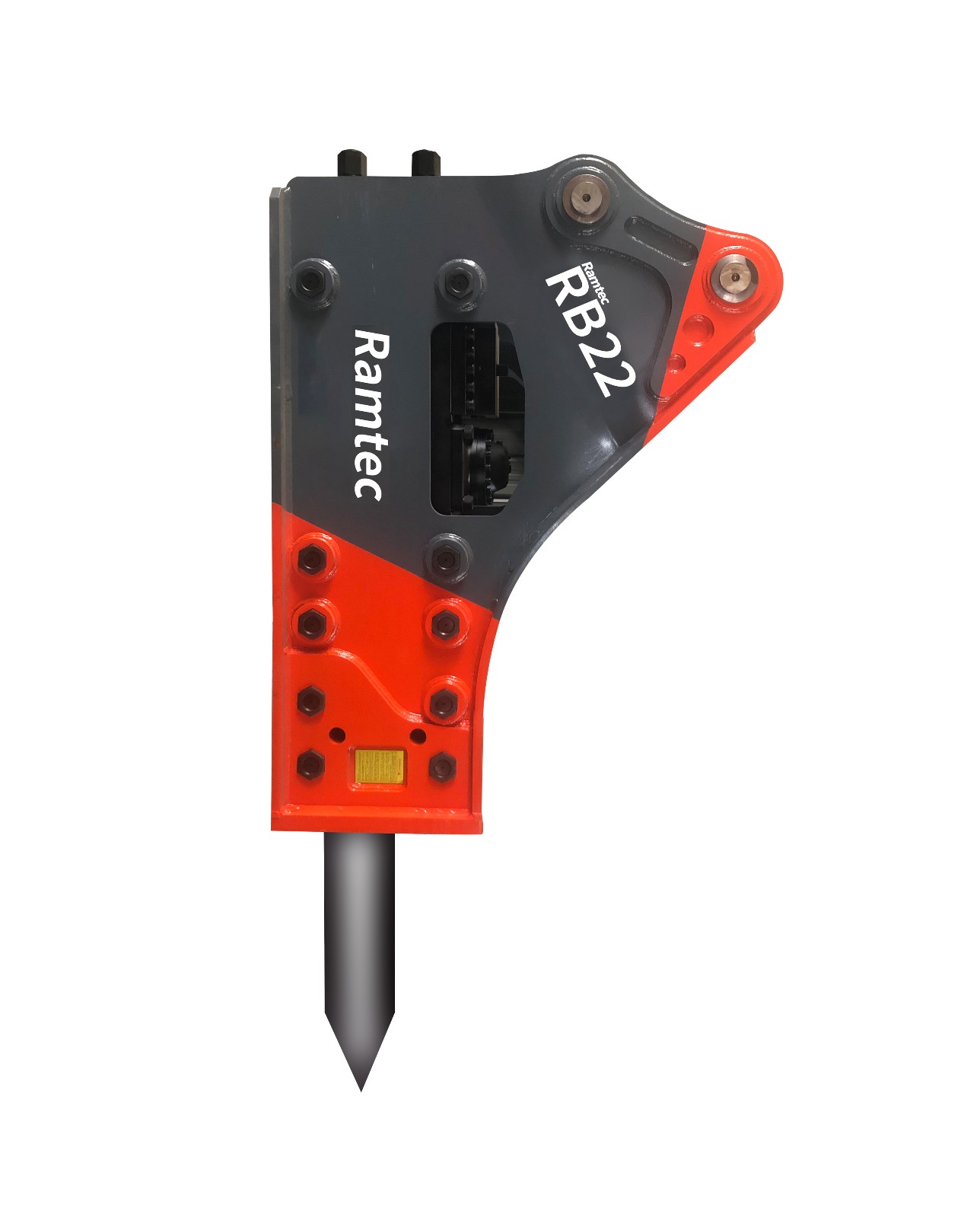
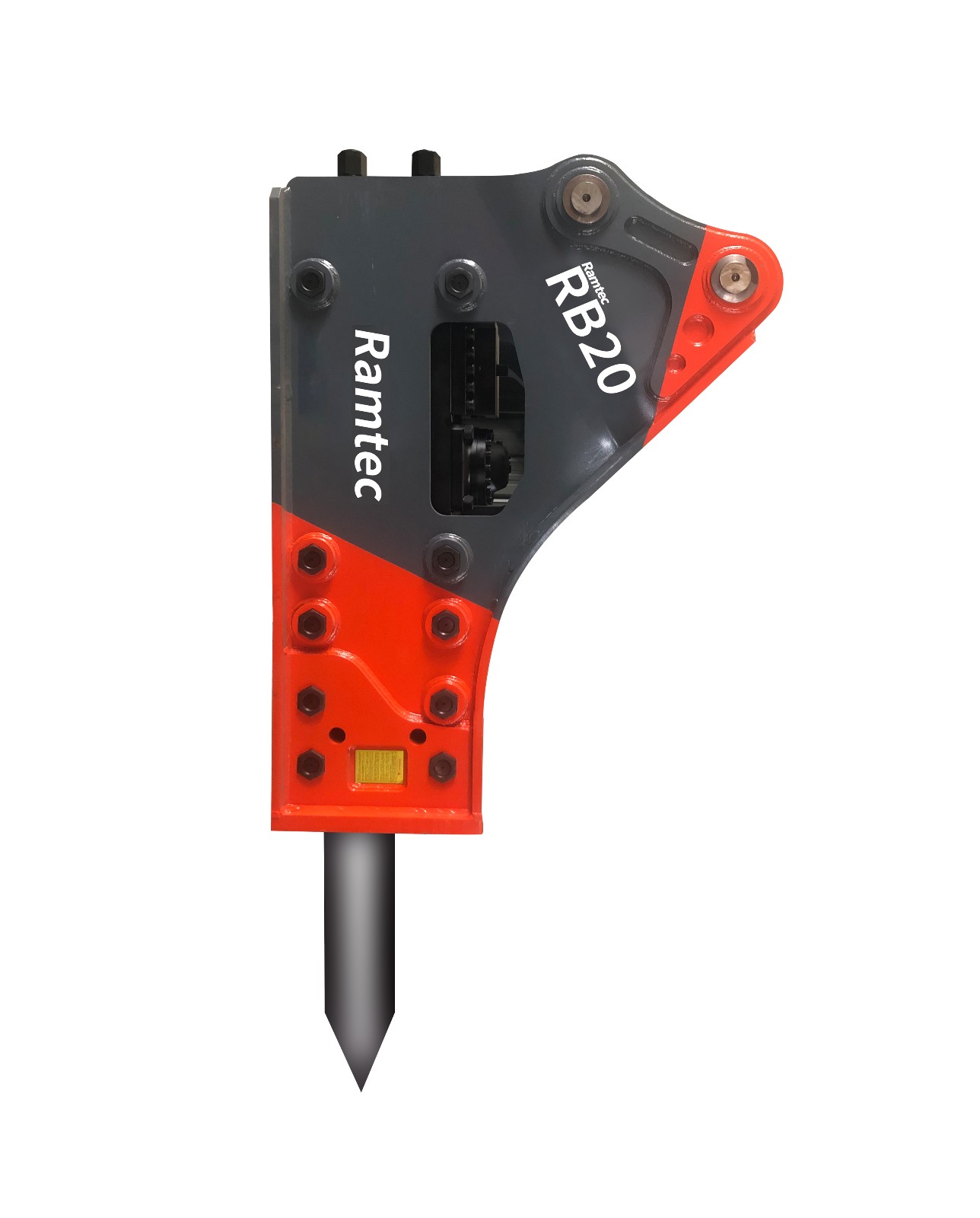
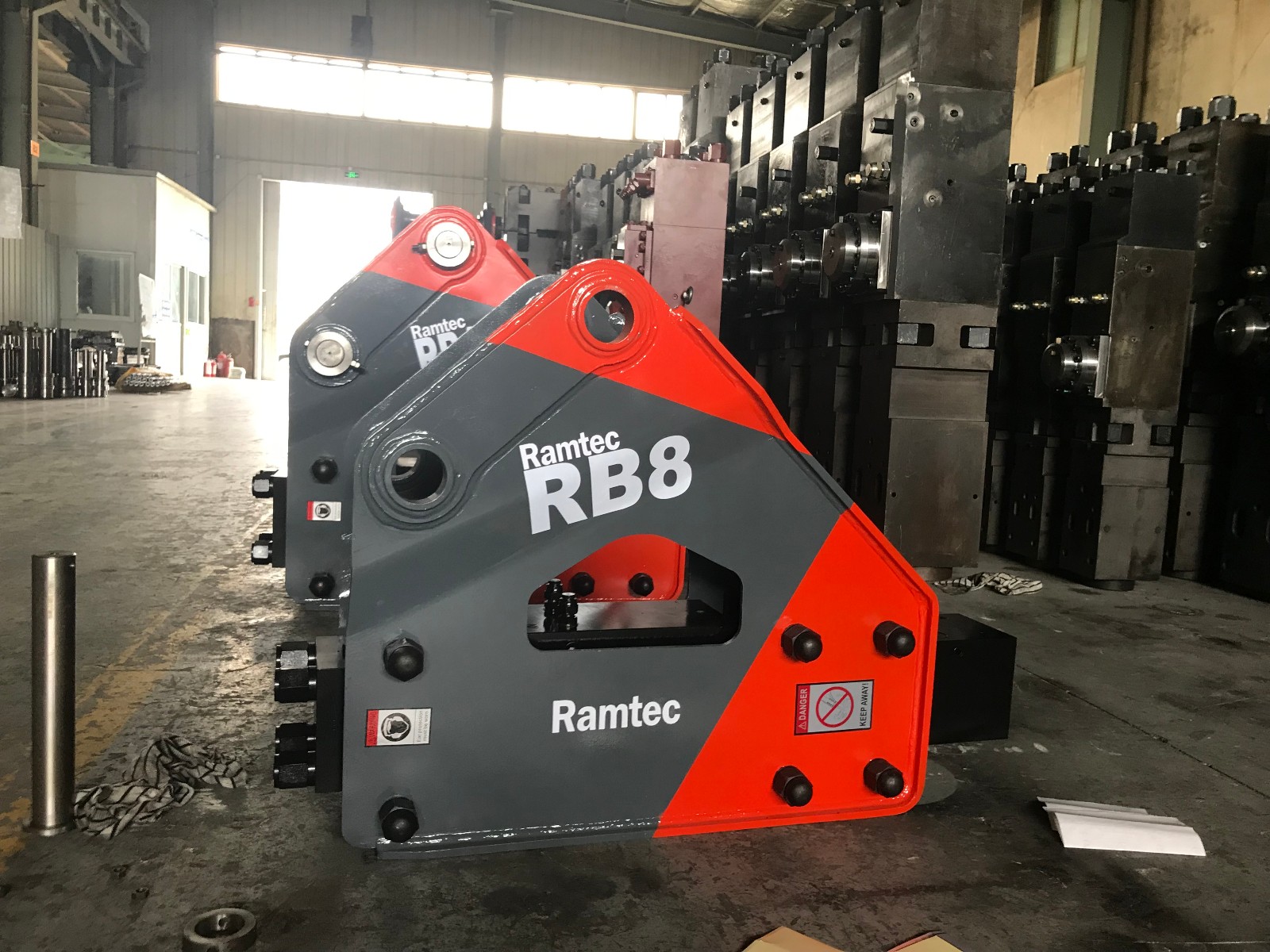
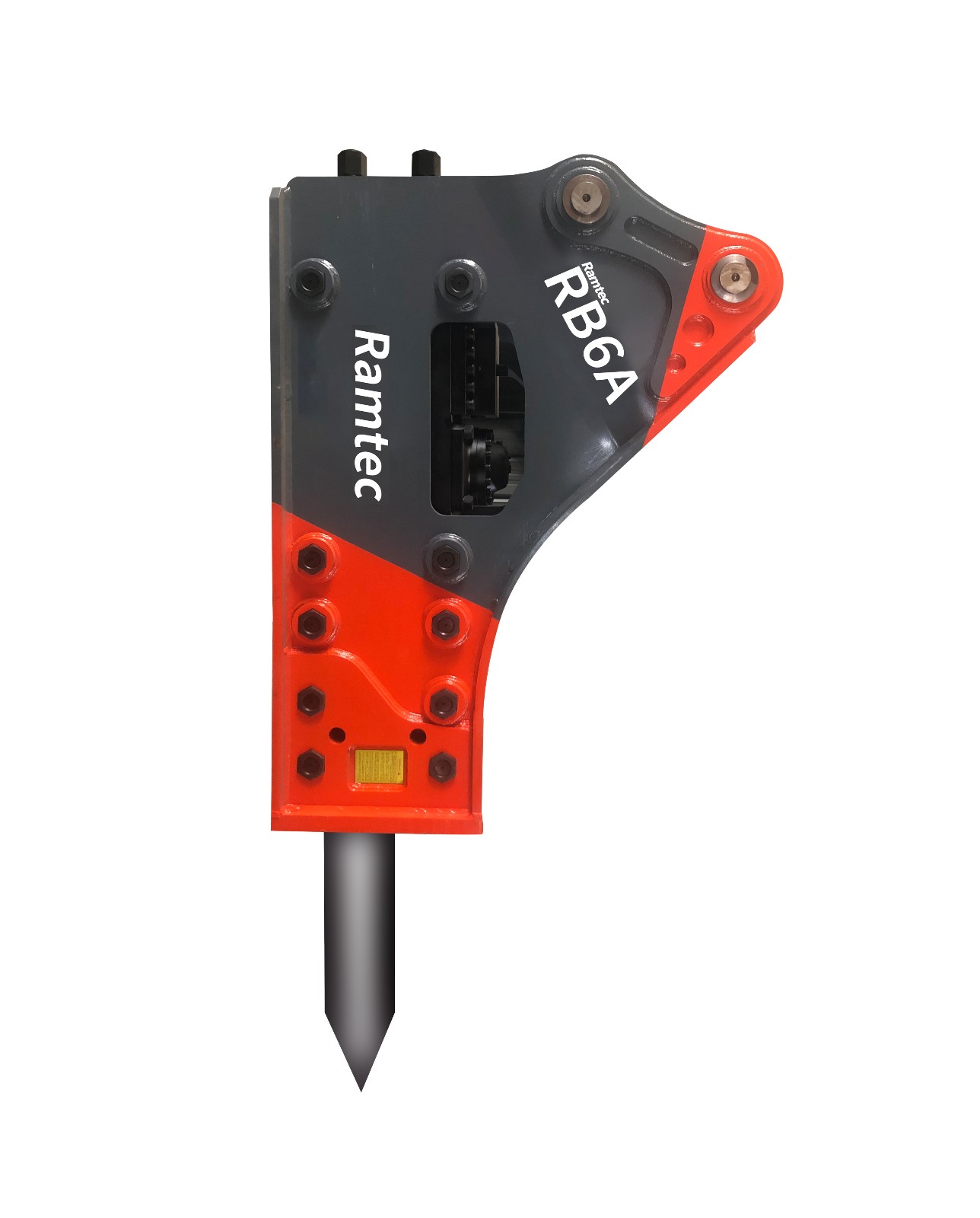
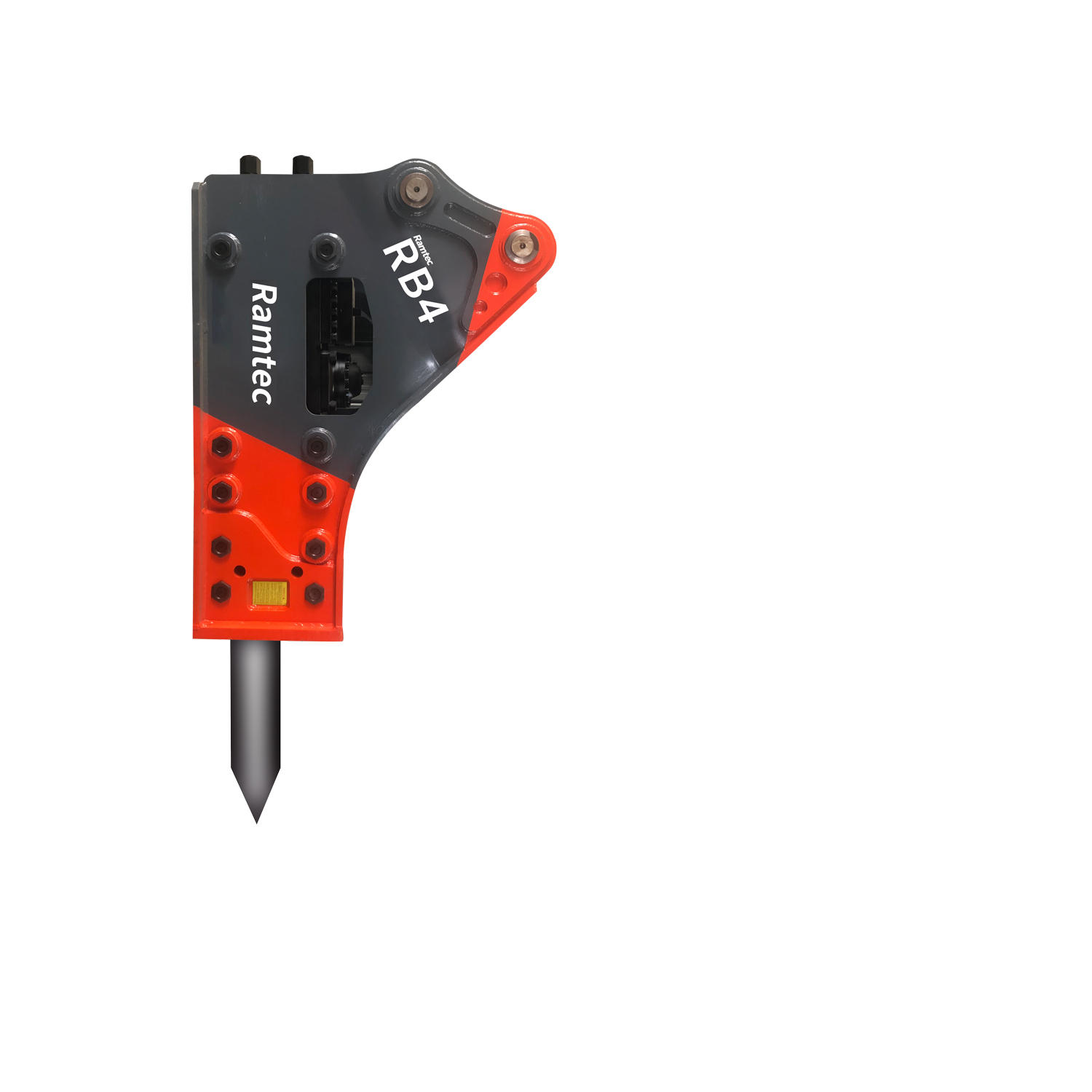
Manufacturers typically offer three main housing designs. Selecting the right mix for your import order depends on your target market's regulatory environment and typical applications.
| Housing Design | Acoustic Profile | Maintenance Access | Typical Market |
|---|---|---|---|
| Side Type | Loud (Open bracket) | Excellent (Easy access to bolts) | Rural construction, mining |
| Top Type | Loud (Open bracket) | Good | General trenching, quarrying |
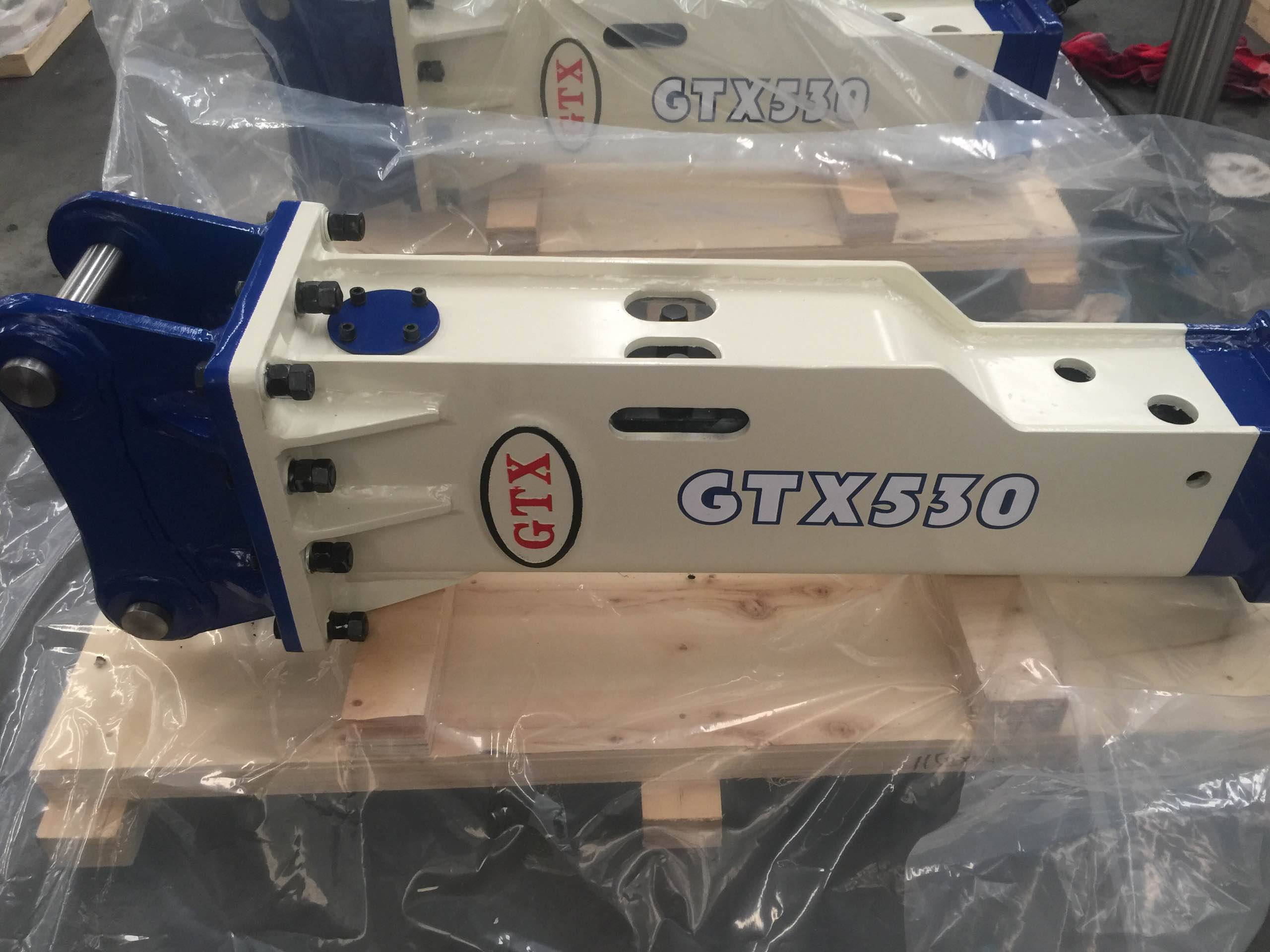
| Box (Silenced) Type | Quiet (Enclosed with dampers) | Fair (Requires casing removal) | Urban demolition, regulated zones |
If you are building an equipment brand, box-type breakers offer the best canvas for custom colors, decals, and branded nameplates through OEM/ODM services.
MOQs, Pricing, and Logistics Realities
Hydraulic breakers are high-ticket, heavy industrial items. Consequently, the purchasing dynamics differ significantly from lighter construction consumables.
- Minimum Order Quantities (MOQs): For large breakers (20-ton carriers and up), factories often accept MOQs as low as 1 to 3 units. For mini-excavator breakers, expect MOQs of 5 to 10 units to justify the production run.
- Lead Times: Standard production takes 25 to 40 days. Custom paint or specialized bracket fabrication can add 10 to 15 days.
- Quality Assurance: Never skip pre-shipment inspections. Implementing strict quality control ensures the mounting dimensions are exact and the nitrogen pressure is correctly set before the units leave the factory.
Because these attachments are extremely dense, shipping is strictly by sea freight. Proper crating in fumigated solid wood or steel pallets is non-negotiable to prevent transit damage. Coordinating heavy shipping and freight requires careful container weight distribution planning.
Looking to optimize your landed costs? Let us manage the supplier negotiation, quality control, and heavy freight logistics.
Get a free consultationFrequently Asked Questions
Successfully sourcing hydraulic breakers means looking past the initial unit price and focusing on the total cost of ownership. A poorly machined breaker will not only destroy itself but can contaminate a $150,000 excavator's hydraulic system. Partnering with a reliable sourcing team ensures your supply chain is built on verified metallurgical quality, not just a glossy catalog.
Get Sourcing Help for Hydraulic Breakers
Tell us your requirements and our experts will connect you with verified manufacturers.