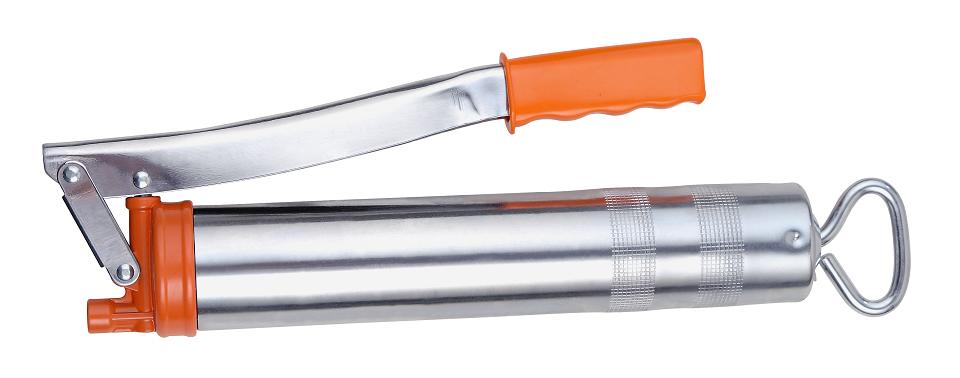
Grease Guns
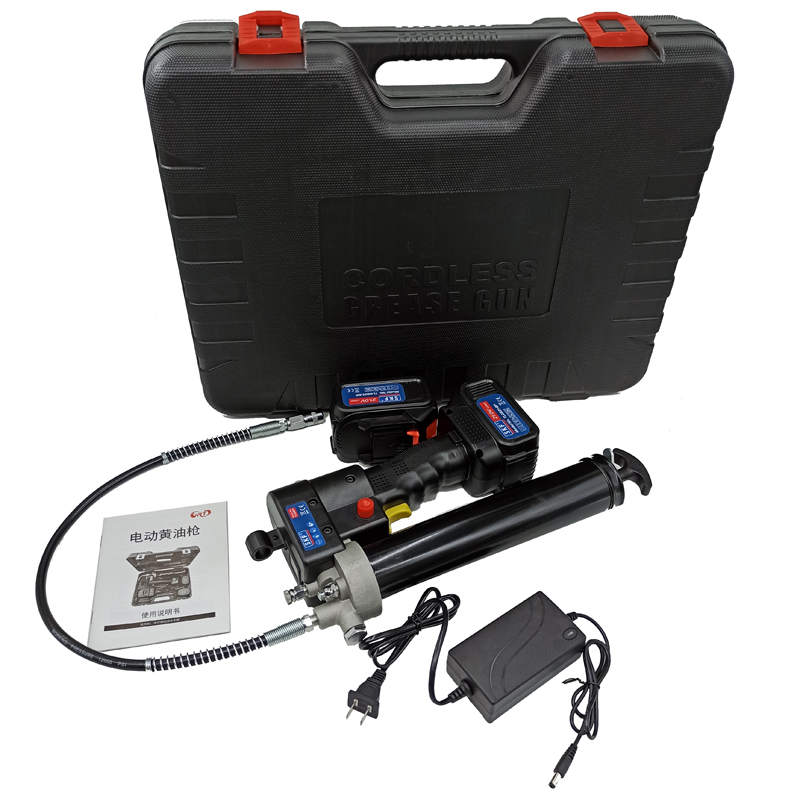
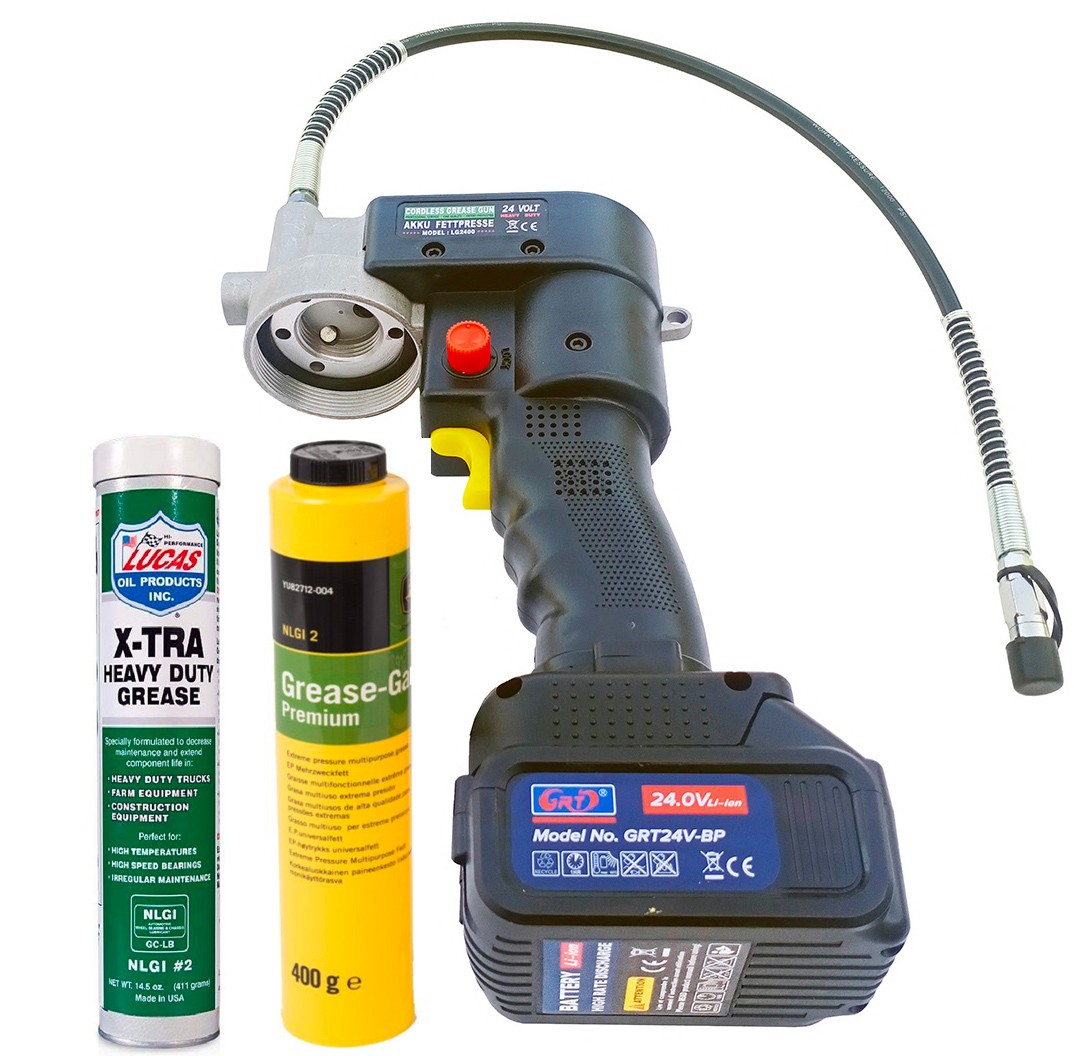
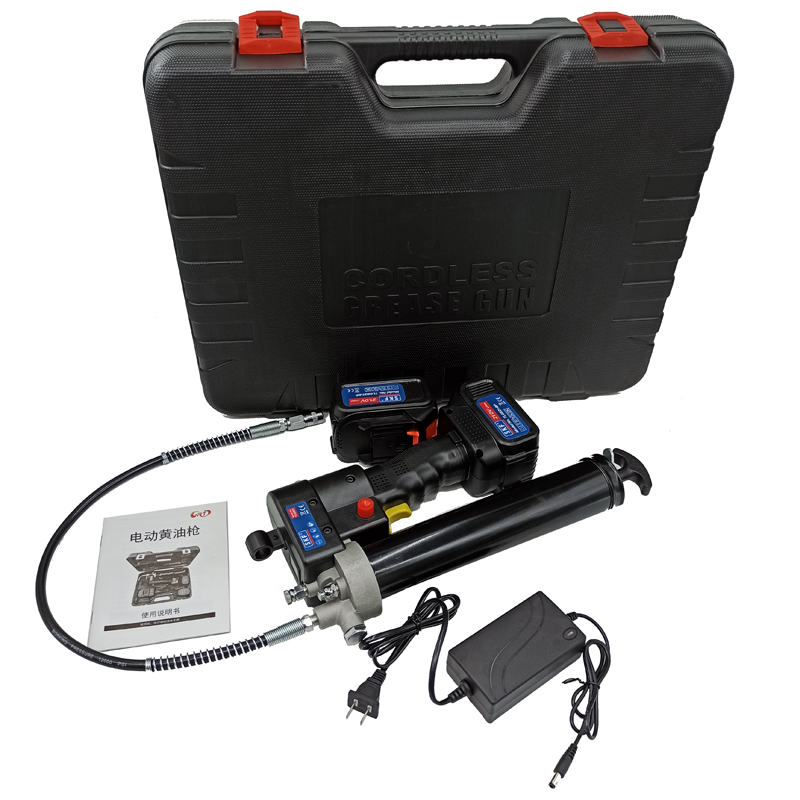
Source high-quality Grease Guns from vetted suppliers and manufacturers. Designed for importers, automotive tool distributors, and brands seeking reliable OEM and private-label production. Secure bulk orders of manual, pneumatic, and cordless grease guns built for professional lubrication tasks.
Sourcing grease guns at scale requires balancing unit cost with mechanical reliability. Whether you are procuring manual lever-action models for automotive retail or high-pressure cordless units for heavy-duty industrial distributors, the core challenge remains the same: ensuring consistent pressure delivery without seal failure, grease bypass, or head cracking under heavy load.
Key Specifications and Manufacturing Nuances
The difference between a consumer-grade grease gun and a professional-grade tool lies in the machining tolerances and material selection at the factory level.
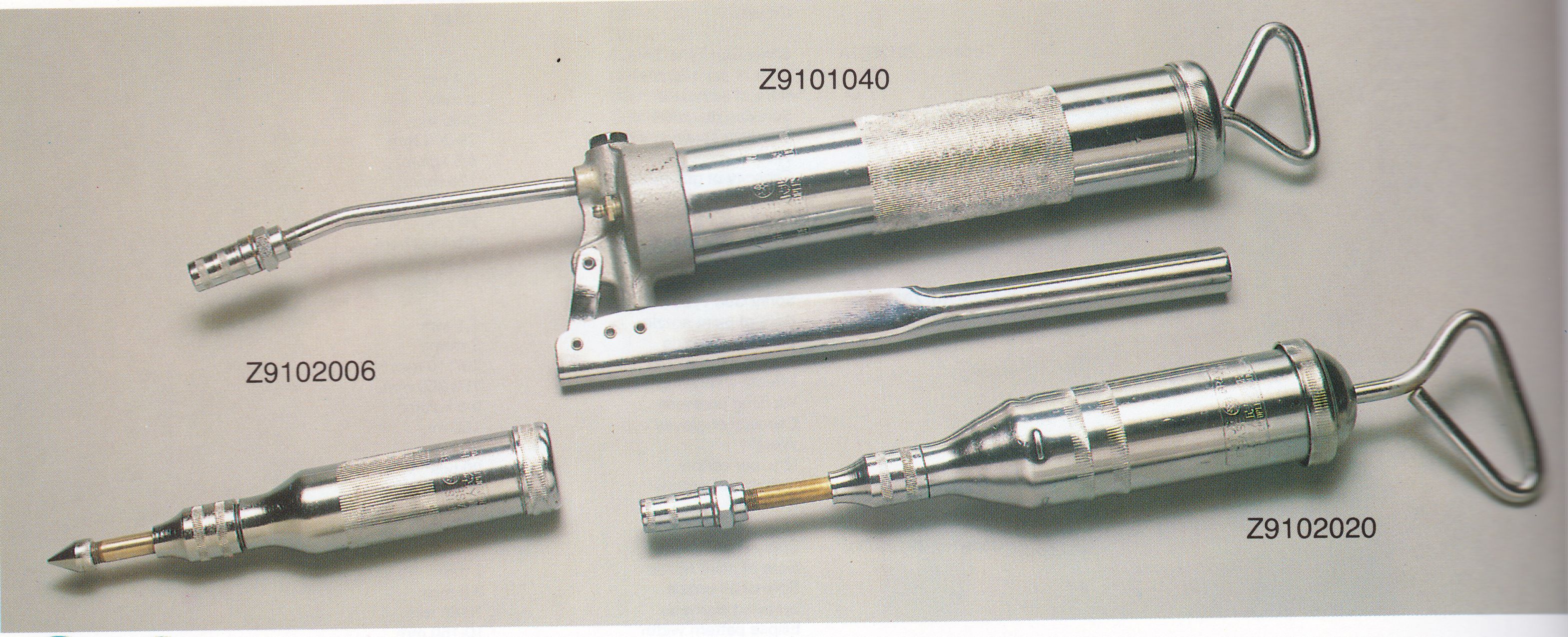
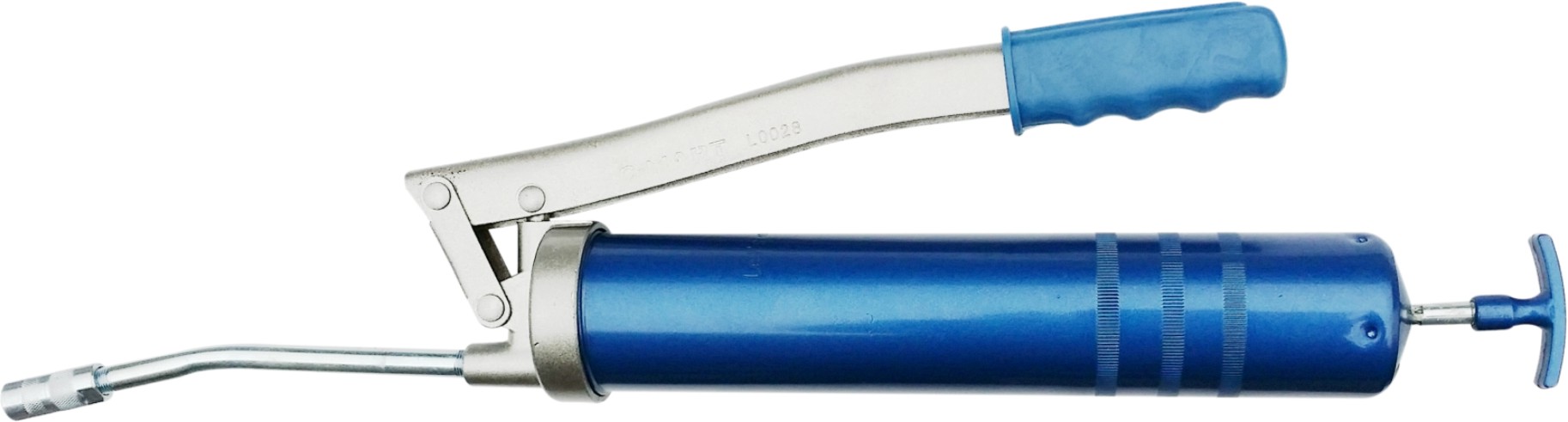
When evaluating manufacturers, pay close attention to the pump head and barrel construction. High-pressure applications (often reaching up to 10,000 PSI) require die-cast aluminum or cast-iron heads. Poorly cast zinc-alloy heads are a common cost-cutting measure that leads to hairline fractures and catastrophic failure under peak pressure.
Barrels should be constructed from cold-drawn steel tube with a minimum thickness of 1.2mm to prevent denting, which can jam the follower rod. For premium lightweight models, anodized aluminum is preferred.
| Grease Gun Type | Typical Max Pressure (PSI) | Primary Cost Drivers |
|---|---|---|
| Manual (Lever/Pistol) | 4,000 to 10,000 | Head casting material, barrel wall thickness |
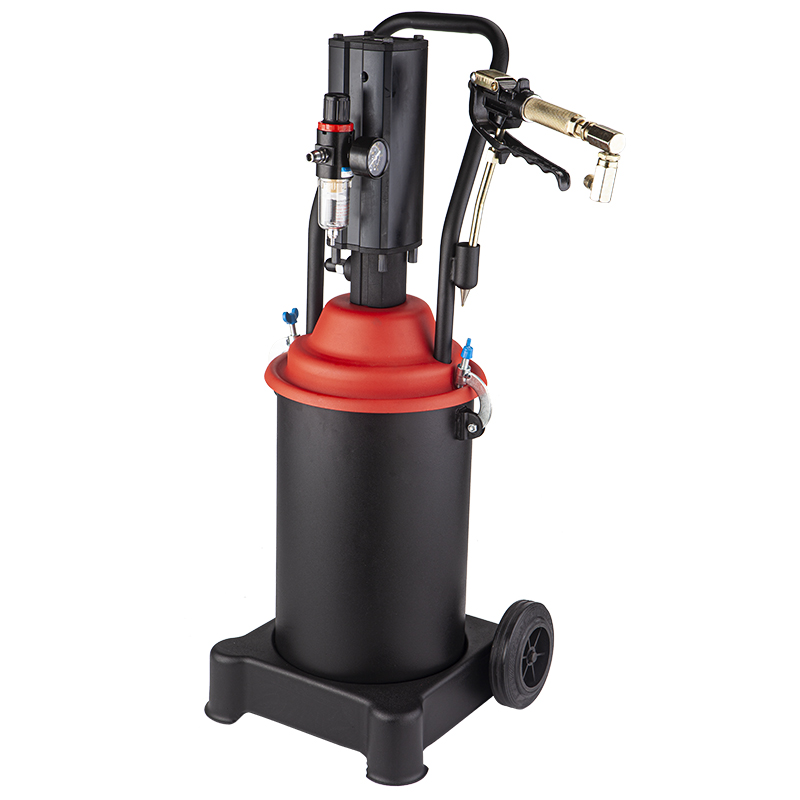
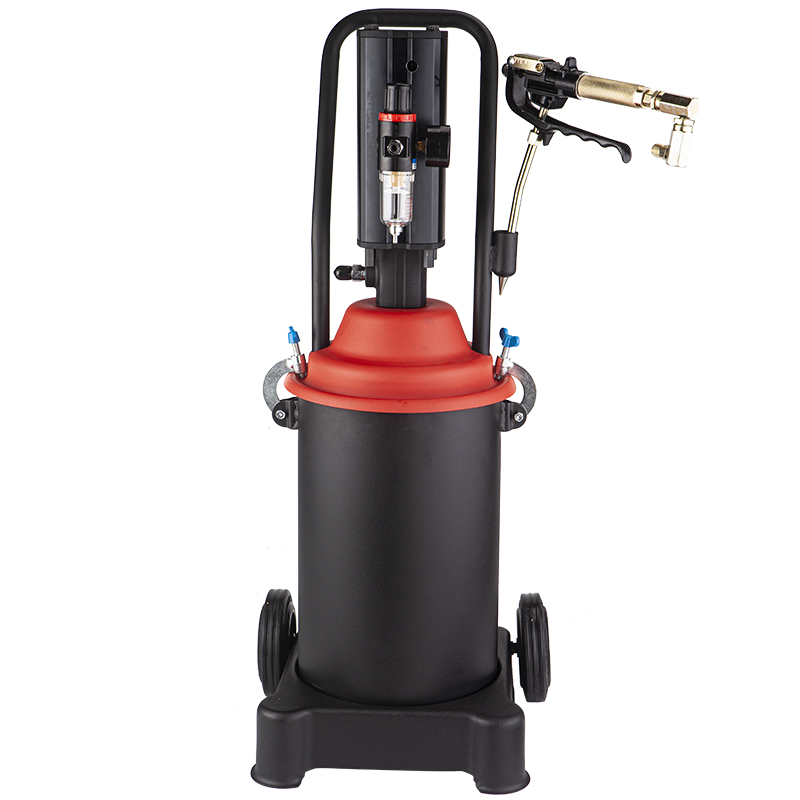
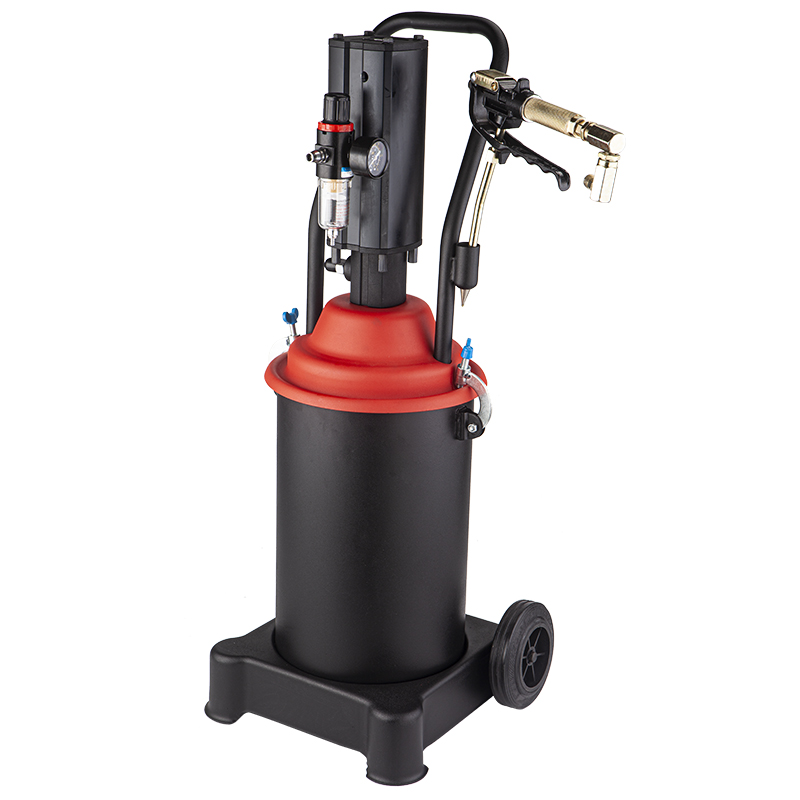
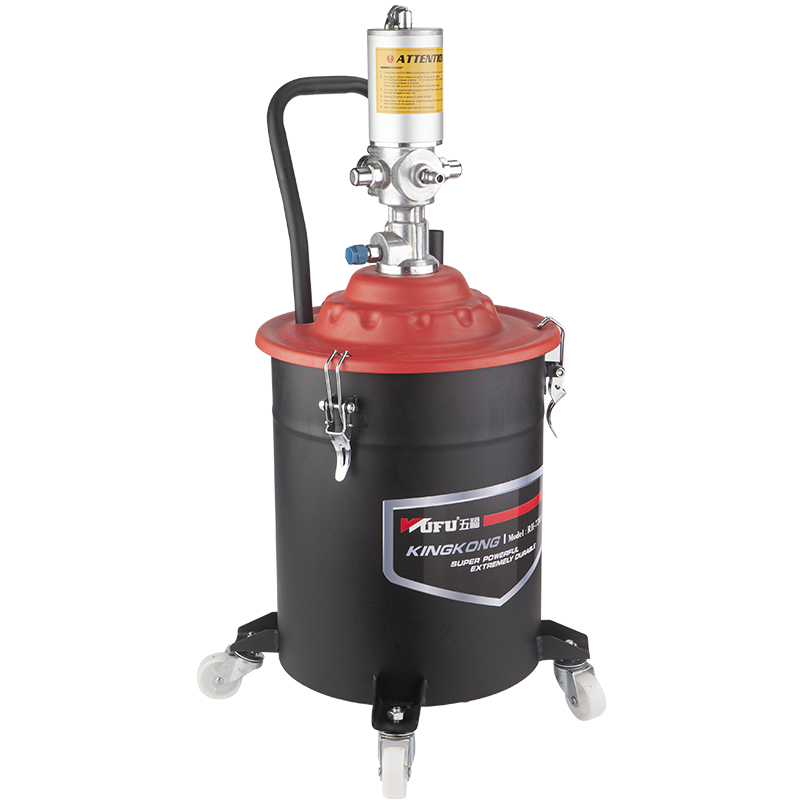
| Pneumatic (Air-operated) | 2,400 to 6,000 | Air motor quality, trigger valve machining |
| Cordless (Battery-powered) | 6,000 to 10,000 | Battery cell quality, planetary gear durability |
Plunger and Seal Integrity
A critical failure point in low-cost manufacturing is the plunger seal. The rubber plunger must be precisely sized to scrape the barrel clean without allowing grease to bypass into the spring mechanism. Ensure your supplier uses high-quality NBR (Nitrile) or Viton seals that resist degradation from petroleum-based synthetic greases. The plunger design should also seamlessly accommodate both standard 14 oz (400g) cartridges and bulk suction loading.
Struggling with inconsistent tool quality from overseas suppliers? Let us help you identify and vet manufacturers capable of meeting professional automotive standards.
Talk to our sourcing teamManaging Quality Control on the Factory Floor
Catching defects before shipment is vital, especially for tools operating under high hydraulic pressure. Leaking seals, cross-threaded extension ports, and weak follower springs are common issues when factories rush assembly or skip pressure testing.
Implementing a rigorous Quality Control & Inspection protocol is essential. Standard inspection points for grease guns should include:
Critical Factory Inspection Points
- Pressure Testing: Verify the unit holds its rated maximum PSI without bypass or leakage at the head.
- Thread Tolerances: Check the 1/8 inch NPT (or BSPT) threads on the extension port for clean machining.
- Air Bleeder Valve: Ensure the bleeder valve seats correctly and releases air pockets smoothly.
- Follower Rod Action: The rod must lock securely and release without binding inside the barrel.
- Finish and Coating: Inspect powder coating or zinc plating for uniform coverage to prevent rust.
Beware of Exaggerated Specifications
Many low-tier suppliers will claim a 10,000 PSI rating on manual lever guns equipped with cheap zinc heads. Always request independent testing or verify the casting density during a factory audit to ensure the tool can actually withstand these pressures safely.
Buying Mechanics: MOQs, Lead Times, and OEM
When sourcing grease guns in bulk, Minimum Order Quantities (MOQs) and lead times vary significantly based on the level of customization and the type of tool.
- Standard Manual Models: Typical MOQs range from 500 to 1,000 units. Lead times are generally 30 to 45 days.
- Cordless/Battery Models: Due to the higher unit cost and complex assembly, MOQs are often lower (200 to 500 units). However, lead times can stretch to 45 to 60 days to account for battery procurement and motor assembly.
For brands looking to establish their own tool lines, OEM/ODM Services offer extensive customization. This includes custom powder-coated barrel colors, molded rubber grips, laser-etched branding, and bespoke blow-molded carrying cases.
When developing cordless models, it is highly recommended to conduct thorough Factory Audits to verify the supplier's electronic assembly capabilities and ensure their battery packs meet international safety certifications (like CE, UL, or RoHS).
Ready to scale your vehicle tool procurement? We manage the entire process, from supplier negotiation to final pre-shipment inspection.
Get a free consultationFrequently Asked Questions
Successfully sourcing grease guns requires looking past the outer finish and focusing on the internal machining, material density, and seal quality. By partnering with vetted manufacturers and enforcing strict pressure-testing protocols, you can deliver reliable lubrication tools that professionals trust.
Get Sourcing Help for Grease Guns
Tell us your requirements and our experts will connect you with verified manufacturers.