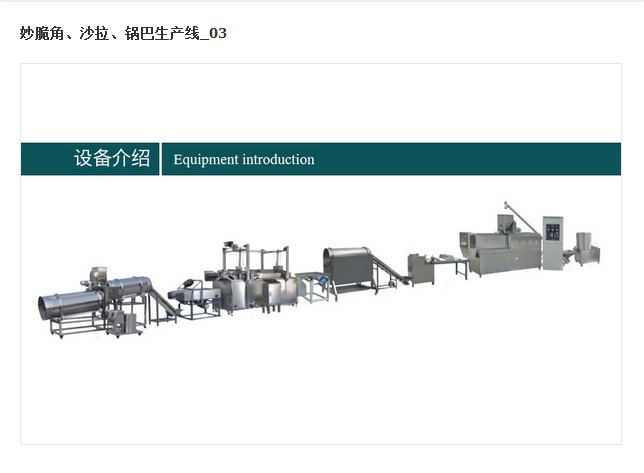
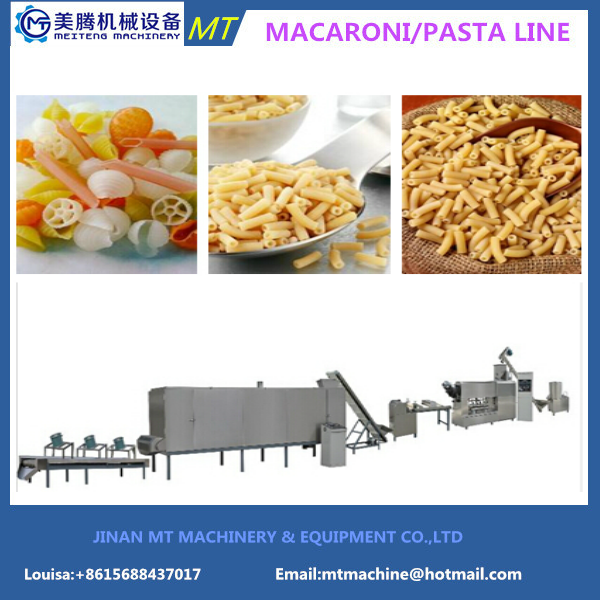
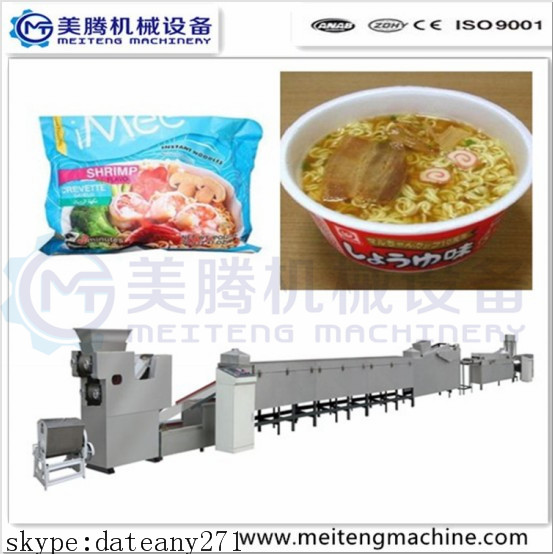
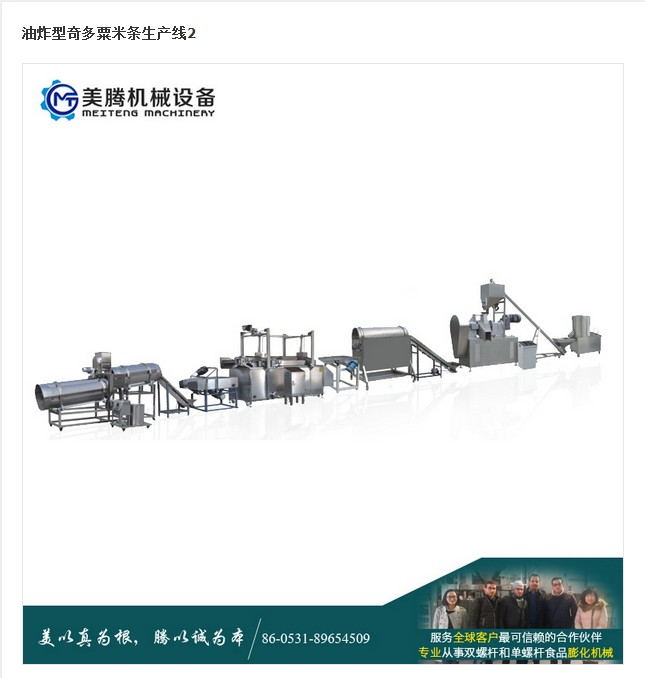
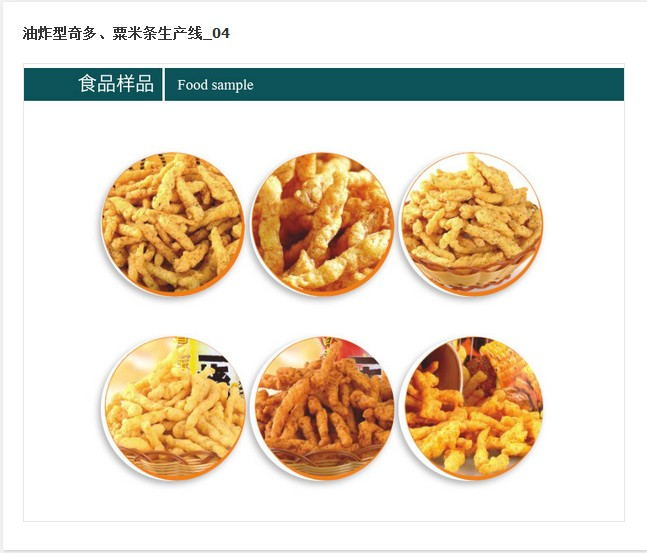
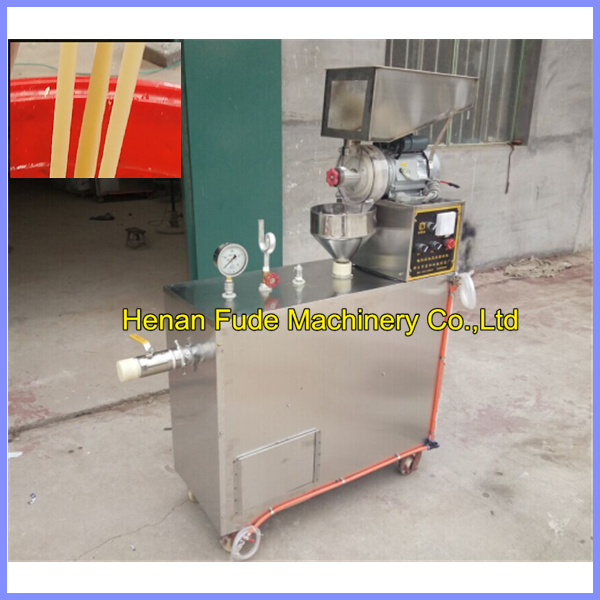
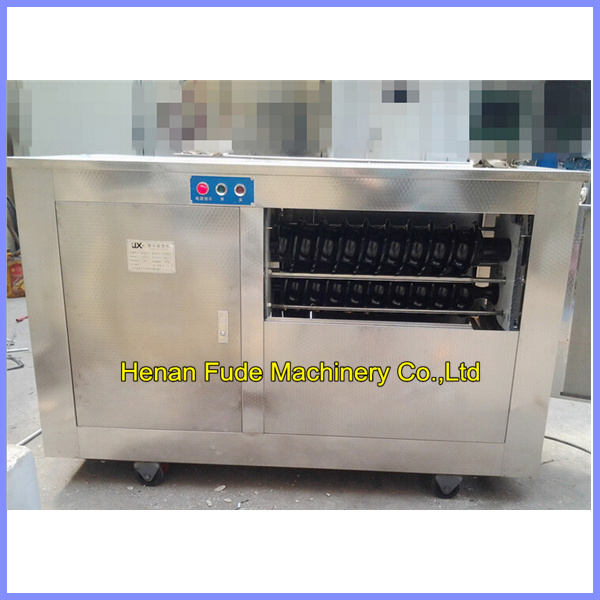
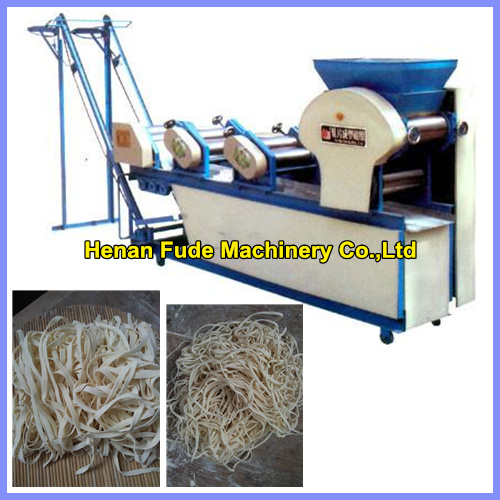
Grain Product Making Machines
Source high-capacity Grain Product Making Machines from vetted suppliers and manufacturers in China and across Asia. Designed for commercial importers, agricultural equipment distributors, and food processing brands seeking reliable OEM production, our network delivers industrial-grade processing machinery built for scale and compliance.
Sourcing industrial grain product making machines requires balancing raw throughput demands with stringent food safety and continuous-operation durability. Whether you are procuring automated milling systems, flaking lines, or extrusion machinery, the primary challenge lies in verifying that a manufacturer's stated capacity aligns with real-world performance. A machine that looks robust on a specification sheet can quickly become a maintenance liability if the factory cuts corners on metallurgy, motor sourcing, or electrical components.
Specifying Grain Processing Equipment
When negotiating with manufacturers, precision in your technical requirements prevents costly misunderstandings. Equipment suppliers often quote based on baseline configurations unless explicitly instructed otherwise.
To ensure the machinery meets your operational standards, you must define the exact specifications for contact materials, power transmission, and control systems.
| Component / Metric | Standard Commercial | Heavy Industrial |
|---|---|---|
| Food Contact Metallurgy | 304 Stainless Steel | 316L Stainless Steel |
| Motor Sourcing | Domestic (Chinese brand) | International (ABB/Siemens) |
| Control Systems | Relay logic or basic PLC | Advanced PLC (Siemens/Mitsubishi) with HMI |
| Continuous Operation | 8-12 hours/day | 24/7 continuous duty |
The Engine of the Machine: Motors and Drives
In grain processing, the motor and gearbox are the highest-stress components. Many equipment factories assemble machines rather than manufacturing every part from scratch. This means they source motors externally. Specify the exact brand and efficiency rating (e.g., IE3 or IE4) you require. Accepting unbranded or undersized motors frequently leads to overheating and premature failure when processing dense grains at scale.
Navigating equipment manufacturer capabilities? We can help vet suppliers and verify technical specs before you commit to a purchase order.
Talk to our teamFactory Floor Realities and Quality Control
The gap between a top-tier machinery manufacturer and a mid-tier assembler is often found in their fabrication techniques and quality management systems. Poor welding on stainless steel hoppers can create micro-crevices where grain dust accumulates, leading to bacterial growth and cross-contamination.
Conducting thorough Factory Audits is critical before placing a deposit. You need to confirm that the supplier possesses in-house CNC machining and laser-cutting capabilities, rather than outsourcing the core fabrication of the chassis and drums.
Critical Pre-Shipment Inspection Points
- Verify all food-contact surfaces are polished to the required Ra (roughness average) value.
- Inspect weld seams for porosity, pitting, or incomplete penetration.
- Conduct a Factory Acceptance Test (FAT) using actual grain samples to verify throughput.
- Confirm electrical panels are wired to the destination country's standards (UL/CE/CSA).
- Check the alignment and tension of all drive belts and chains.
Implementing rigorous Quality Control & Inspection protocols, particularly the Factory Acceptance Test (FAT), ensures the machine performs to the contracted capacity before it ever goes into a shipping container.
Pricing, Lead Times, and Sourcing Mechanics
Unlike consumer goods, industrial machinery does not rely on high Minimum Order Quantities (MOQs). The MOQ is typically one unit or one complete production line. However, pricing is highly elastic based on the customization of the line, the origin of the electronic components, and the current cost of raw steel.
If you are developing a proprietary processing method or require specific footprint dimensions, utilizing OEM/ODM Services allows you to adapt the manufacturer's base models to your exact requirements. Keep in mind that heavy machinery requires specialized shipping—often flat rack containers or open-top containers if the units exceed standard dimensions, which significantly impacts your landed cost.
Need to lock in accurate pricing and lead times for your next equipment order? Let our sourcing experts negotiate on your behalf.
Get a free consultationFrequently Asked Questions
Successful procurement of grain product making machines goes beyond negotiating the lowest unit price. The true cost of industrial equipment is measured in uptime, maintenance overhead, and operational lifespan. By forcing suppliers to commit to granular technical specifications and enforcing strict pre-shipment testing, buyers can secure reliable, high-yield machinery that delivers long-term ROI.
Get Sourcing Help for Grain Product Making Machines
Tell us your requirements and our experts will connect you with verified manufacturers.