Gas Analyzers
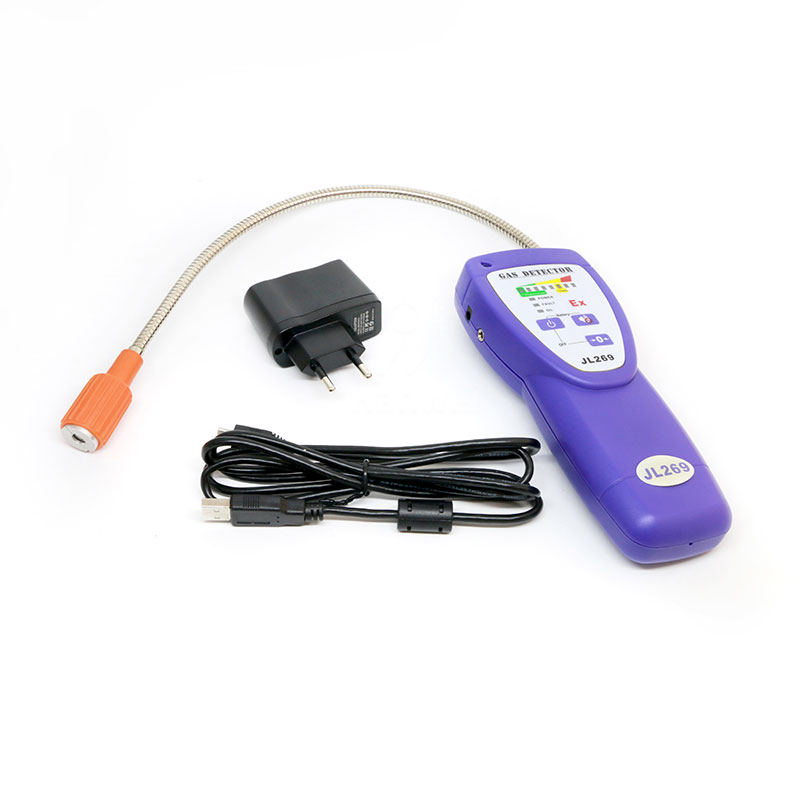
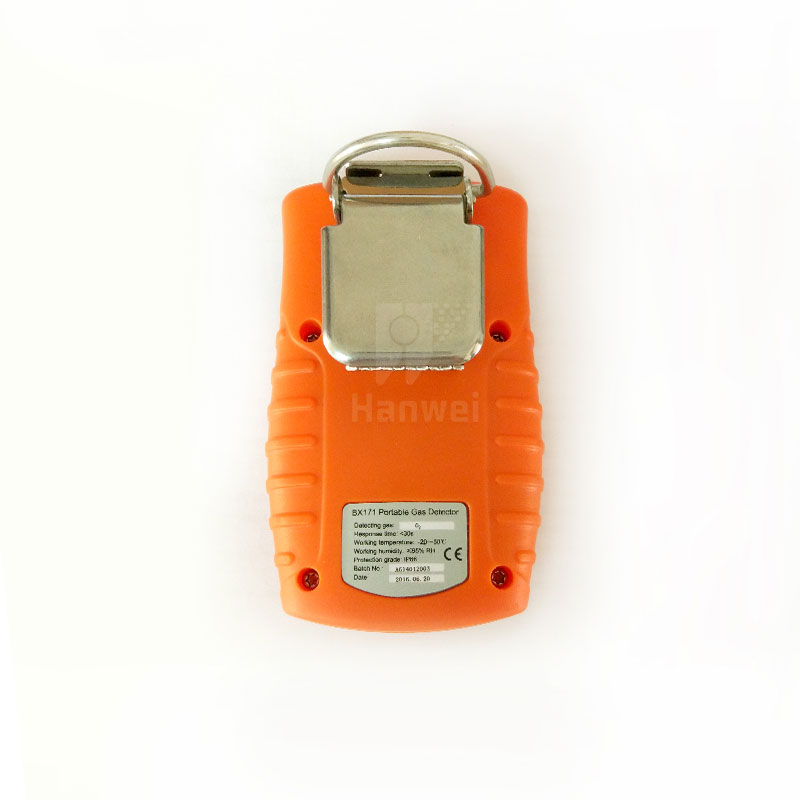
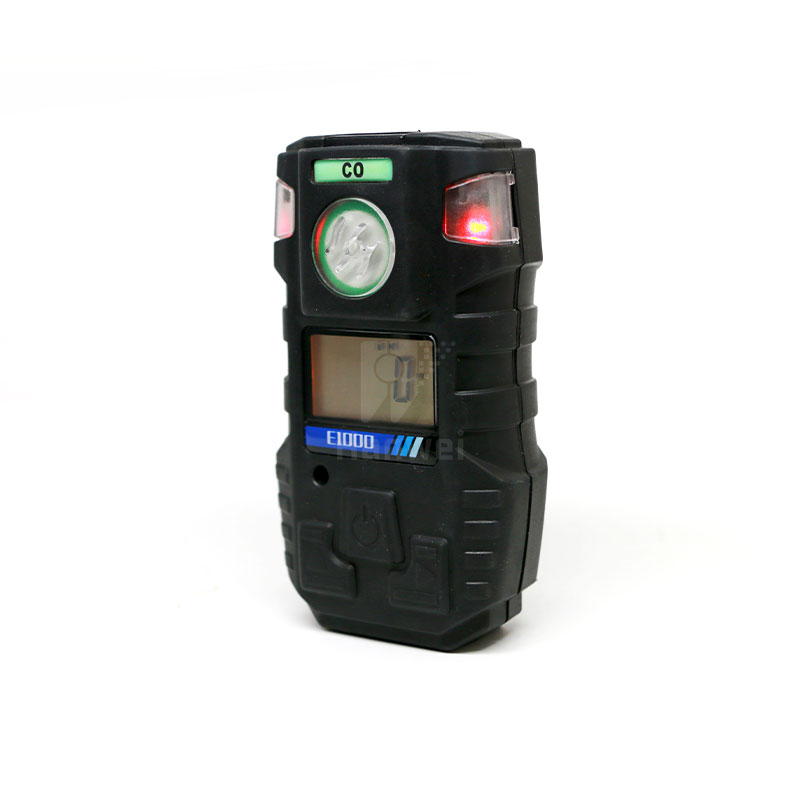
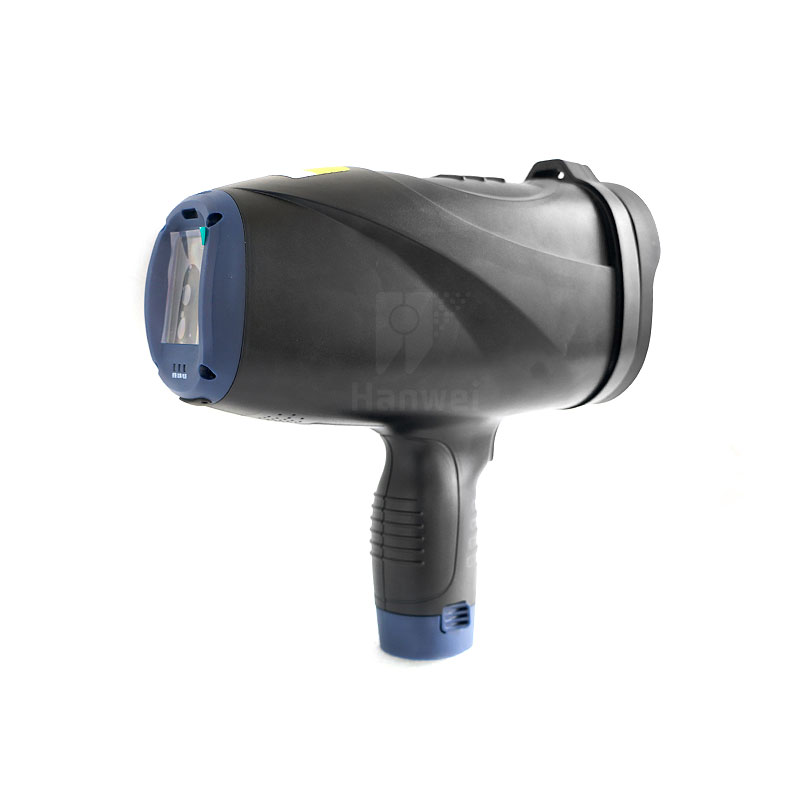
Source professional-grade Gas Analyzers directly from vetted manufacturers and suppliers. Designed for importers, distributors, and brands seeking wholesale bulk purchasing or custom OEM/private-label production, our catalog connects you with reliable factories building precision testing and analysis instruments.
Procuring industrial gas analyzers at scale requires navigating a complex intersection of sensor technology, firmware stability, and rigorous safety certifications. The primary challenge when sourcing these instruments from overseas manufacturers isn't just finding a supplier who can assemble a rugged housing—it's verifying their capability to source, integrate, and calibrate high-precision sensors that maintain accuracy under harsh environmental conditions without unacceptable drift.
Specifying Core Sensor Technologies
The heart of any gas analyzer is its sensor module. The most common pitfall in bulk procurement is failing to specify the exact sensor origin and type, leaving the factory to substitute lower-tier domestic components that may suffer from premature cross-sensitivity or rapid degradation.
Top-tier manufacturers often import the raw sensor components (from brands like Alphasense, City Technology, or Honeywell) and handle the PCB integration, firmware development, and housing assembly locally.
| Sensor Technology | Target Gases | Typical Lifespan | Key Sourcing Consideration |
|---|---|---|---|
| Electrochemical | Toxic gases (CO, H2S, O2) | 12 to 24 months | Prone to electrolyte leakage if improperly sealed during manufacturing. |
| NDIR (Infrared) | CO2, Methane, Hydrocarbons | 5 to 10+ years | Requires highly stable optical cavities; vulnerable to condensation. |
| PID (Photoionization) | VOCs (Volatile Organic Compounds) | 12 to 36 months | Lamp quality dictates performance; specify lamp voltage (e.g., 10.6 eV). |
When defining your bill of materials (BOM), mandate the exact measurement range (e.g., 0-100 ppm, 0-100% LEL), resolution, and the maximum acceptable T90 response time (the time it takes for the sensor to reach 90 percent of the final reading).
Need help verifying factory sensor supply chains? Let our sourcing engineers validate your supplier's component sourcing and assembly capabilities.
Talk to our teamFactory Calibration and Quality Control
A gas analyzer is only as good as its factory calibration. Unlike standard electronics, gas detection equipment requires specialized infrastructure on the factory floor. If a supplier lacks automated gas mixing systems and environmental test chambers, their output will suffer from inconsistent baseline readings.
To ensure your shipment meets industrial standards, you must verify the manufacturer's internal testing protocols. Relying on basic Factory Audits is essential to confirm the presence of necessary calibration equipment.
Critical Factory Floor Verifications
- Automated gas calibration chambers with certified reference gas mixtures.
- Environmental aging chambers testing units at extreme temperature and humidity ranges.
- Vibration testing equipment to ensure sensor connections withstand industrial use.
- Proper cleanroom environments for bare sensor integration to prevent particulate contamination.
Navigating Compliance and Explosion-Proof Ratings
For analyzers destined for hazardous environments (oil and gas, mining, chemical plants), intrinsically safe or explosion-proof housings are mandatory. You will frequently encounter claims of ATEX, IECEx, or UL certifications.
The industry is rife with expired, forged, or improperly applied certificates (e.g., a certificate for a single component rather than the assembled device). Thorough Compliance & Testing verification is non-negotiable. Ensure the certificate matches the exact model number, housing material (often cast aluminum or 316 stainless steel), and the specific factory location producing your batch.
Pricing Drivers, MOQs, and Lead Times
Pricing for gas analyzers varies wildly based on the core sensor origin, the inclusion of internal sampling pumps versus diffusion models, and the output protocols required (RS485, 4-20mA, HART, or wireless protocols like LoRa).
If you are developing a proprietary device, utilizing OEM/ODM Services allows you to customize the housing design, data logging firmware, and UI/UX of the display screen while leveraging the factory's existing sensor integration architecture.
Planning a custom gas detection product line? We can negotiate terms, manage MOQs, and oversee the prototyping process directly with capable manufacturers.
Get a free consultationFrequently Asked Questions
Successful procurement of gas analyzers requires moving beyond surface-level specifications and scrutinizing the factory's component supply chain and calibration infrastructure. By establishing strict BOM requirements and enforcing rigorous on-site quality controls, you can secure highly accurate instruments that perform reliably in demanding environments.
Get Sourcing Help for Gas Analyzers
Tell us your requirements and our experts will connect you with verified manufacturers.